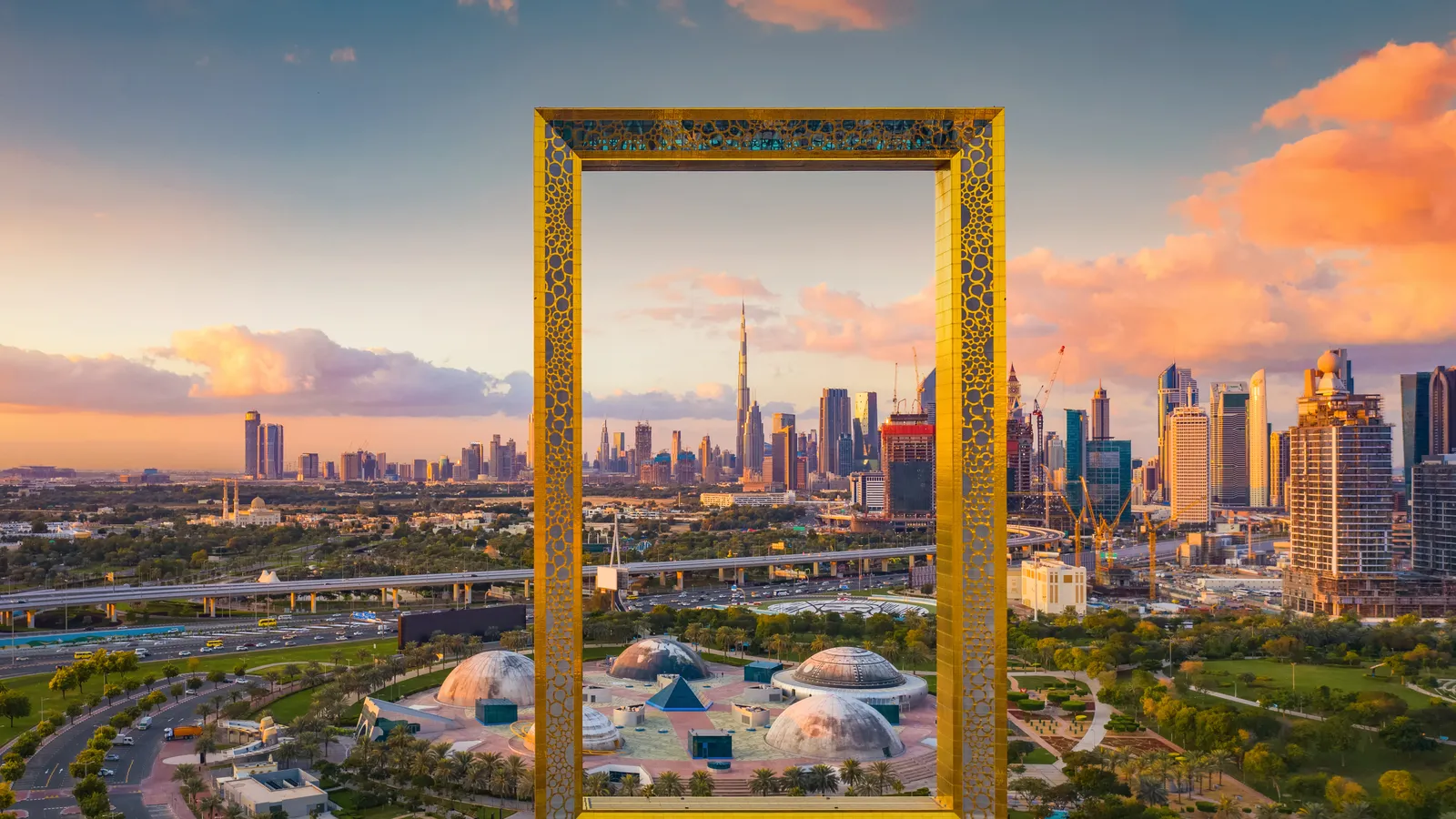
Dubai processes between USD 40 billion and USD 45 billion in diamonds annually, second only to Antwerp, Belgium [1]. That's not just a market fact; it's a business opportunity. Since the Dubai Diamond Exchange opened in 2004, the emirate has become home to over 1,300 diamond companies trading, cutting, polishing, and certifying stones that eventually reach consumers worldwide [1].
What separates Dubai from other diamond hubs isn't just volume. It's the infrastructure. The Kimberley Process office is here. Insurance providers understand the business. Banks have dedicated precious metals teams. Storage vaults are state-of-the-art. Customs procedures are optimized for diamonds. And unlike Antwerp or Mumbai, you get all of this with zero personal income tax, zero corporate tax in the free zone, and regulatory frameworks built specifically for international traders [1].
This guide walks through everything you need to start a legitimate, compliant diamond trading business in Dubai in 2026. We'll cover licensing structures, regulatory requirements, real costs, the Kimberley Process, where to store your inventory, and what it actually takes to compete in one of the world's most tightly regulated commodities markets.
Pro Tip: The diamond business isn't just about buying low and selling high. Compliance, documentation, and relationships with banks and authorities matter more than inventory volume. Many traders who underestimate the regulatory side fail within their first year.
Why Dubai's Diamond Market Has Exploded Since 2004
Dubai handles from USD 40 billion annually in diamond trading, making it the second-largest diamond trading hub globally [1]. The global diamond market was USD 102.06 billion in 2025 and is projected to grow at a 4.6% CAGR through 2034, reaching USD 153.1 billion [1]. Dubai is capturing an increasing share of this growth [1].
The facts are clear on why Dubai became this important:
- Strategic location: Between Europe, Asia, and Africa, making Dubai the logistics hub for diamonds in transit
- Zero tax on profits: Personal and corporate tax exemption in free zones
- 100% foreign ownership: Unlike mainland UAE, free zones allow complete ownership without a local sponsor
- World-class infrastructure: DMCC free zone facilities, secure vaults, insurance, banking, customs all integrated
- Regulatory authority: Dubai Diamond Exchange is the official entry/exit point for rough diamonds in the UAE, authorized by the Ministry of Economy [1]
- Kimberley Process access: The system that certifies conflict-free diamonds is integrated into Dubai's operations [1]
For context, Antwerp (Belgium) leads with from USD 50 billion annual turnover and 1,500+ companies [2]. Mumbai (India) handles from USD 25 billion, mostly in small, lower-quality stones for jewelry manufacturing [2]. Tel Aviv's market is smaller but significant [2]. Dubai's position as the #2 hub, combined with tax benefits and growing market share, makes it the most attractive entry point for new traders outside India.
Real Talk: Dubai's growth isn't accidental. The government actively invested in making DMCC a world-class free zone. DMCC cut business registration fees for diamond companies by 50% in recent years to attract traders [1]. When governments move market share with policy, that's a signal the opportunity window is still open but won't stay that way forever.
What Type of Diamond Trading License Do You Need in Dubai?
There are three main licensing paths for diamond trading in the UAE. Picking the right one determines your tax liability, compliance burden, ability to hire staff, and how much you'll spend on setup and renewal [1].
DMCC Free Zone License (Professional Traders)
This is the standard path for legitimate diamond traders. DMCC (Dubai Multi Commodities Centre) is the world's premier free zone for commodities, with over 1,300 diamond companies operating there [1]. Licensing costs start around AED 50,000, with standard trading licenses ranging from AED 29,000 Renewals cost AED 20,265 for 1 year, AED 40,530 for 2 years, or AED 60,795 for 3 years [1].
What's included: You get access to the Dubai Diamond Exchange platform, DDE membership (mandatory for legitimate trading), System of Warranties integration, Kimberley Process authorization, and banking relationships pre-established with partner banks [1]. DMCC also provides office space options and vault access through Brinks and other security firms.
Who it's for: Serious traders with USD 50,000+ working capital who plan to scale beyond a part-time operation. If you're importing rough diamonds, exporting polished stones, or operating as a commodity trader (not retail), DMCC is the only credible path.
Capital requirement: You must deposit AED 50,000 in a bank account within 3 weeks of license issuance. This can be withdrawn after the waiting period, but shows financial seriousness to regulators [1].
Dubai Diamond Exchange (DDE) Membership
DDE membership is separate from DMCC licensing but required for legitimate trading. Membership is open to trading companies, manufacturers, polishing operations, and jewelry businesses [1]. The DDE was established in 2004 and operates the world's largest diamond trading floor [1].
What membership gives you: Access to auctions and tenders with priority alerts, ability to host your own tenders, access to price discovery data, participation in the diamond trading ecosystem, and compliance with the Code of Business Conduct [1]. All transactions must follow the System of Warranties, which affixes compliance documentation to every diamond transfer [1].
Mandatory compliance: You must sign a declaration of compliance with DDE bylaws. All diamonds traded must include System of Warranties documentation affirming KPCS compliance, human rights standards, and anti-money laundering certification [1].
Mainland License (Alternative but Limited)
A mainland license from the Department of Economy and Tourism (DET) typically costs from AED 12,000 and allows trading across the entire UAE [1]. However, mainland licenses don't provide the tax benefits, vault access, or integrated Kimberley Process procedures that DMCC offers. Mainland traders face corporate tax considerations and higher scrutiny for AML compliance.
Real Talk: Ninety percent of serious diamond traders choose DMCC over mainland because the benefits outweigh the slightly higher setup cost. If your strategy requires selling to UAE government entities or operating retail stores on mainland, then mainland makes sense. But for trading, the choice is clear.
Alternative Free Zones: Ajman, RAKEZ, Sharjah
If you're focused on jewelry manufacturing or diamond-related services (not pure commodity trading), you have lower-cost options:
Ajman Free Zone: Costs start from around AED 5,555 for a zero-visa licence, or AED 13,931 with one visa, with registration in under 2 weeks [1]. Located near Ajman Port, offers 100% foreign ownership and zero income tax [1]. Best for jewelry businesses, not raw diamond trading.
RAKEZ (Ras Al Khaimah): Cost-effective option with simple procedures, ideal for jewelry manufacturing and diamond-related services [1]. 100% foreign ownership, zero income tax, wide range of business sectors supported [1].
Pro Tip: These alternative free zones are suitable if you're cutting and polishing diamonds or making jewelry. But if you're importing rough diamonds, you must obtain Kimberley Process certification through Dubai Diamond Exchange, which is DMCC-integrated. Ajman and RAKEZ lack this specialized infrastructure. For pure trading, DMCC is non-negotiable; for jewelry manufacturing, alternatives save money.

How Much Does It Actually Cost to Start Diamond Trading in Dubai?
The license fee is just one piece of the budget. Here's what a realistic first-year cost looks like for diamond trading:
Budget Trader Setup (AED 80,000 - 150,000 total)
| Expense | Cost (AED) | Notes |
|---|---|---|
| DMCC License (trading) | 29,000 - 50,000 | Base registration + trade name |
| Share Capital Deposit | 50,000 | Returned after 3 weeks |
| Bank Account Setup | 0 | Minimum balance 100,000 - 150,000 required |
| Kimberley Process Registration | 2,000 - 4,000 | Compliance and documentation |
| Insurance (annual) | 5,000 - 10,000 | In-transit and storage coverage |
| Vault/Storage (monthly) | 2,000 - 5,000/month | DMCC vaults via Brinks or Malca-Amit |
| Working Capital (diamonds) | 25,000 - 50,000 | Initial inventory to trade |
| Miscellaneous (legal, accounting) | 3,000 - 6,000 | Legal setup, accountant, compliance software |
Best for: Import/export traders working with established suppliers, traders focusing on middleman services, operators selling to downstream polishing facilities.
Growth Trader Setup (AED 150,000 - 300,000 total)
| Expense | Cost (AED) | Notes |
|---|---|---|
| DMCC License + Visas | 50,000 - 75,000 | 2-3 employee visas included |
| Bank Account (minimum balance) | 100,000 - 150,000 | Precious metals traders need higher minimums |
| Office/Showroom Space | 20,000 - 40,000/year | Physical presence in DMCC |
| KYC/AML Compliance Systems | 5,000 - 10,000 | Documentation, software, training |
| Insurance + Vault Storage | 15,000 - 30,000/year | Larger coverage for higher inventory |
| Initial Inventory | 50,000 - 100,000 | Rough diamonds for trading |
| Professional Services | 10,000 - 20,000 | Accountant, legal, compliance consultants |
Best for: Established traders with existing supplier relationships, those building a customer base, operations planning 50+ carat monthly turnover.
Year 2+ Renewal and Operational Costs
Your annual costs after the first year include:
- License renewal: AED 20,265 (1 year) to AED 60,795 (3 years)
- Visa renewal: from AED 2,000 per visa, annually
- Insurance: from AED 5,000 annually (based on inventory value)
- Vault/storage: from AED 24,000 annually (from AED 2,000 monthly)
- Office rent: from AED 20,000 annually (if not included in license)
- Banking fees: from AED 2,000 annually
- Accounting/compliance: from AED 8,000 annually
- Kimberley Process updates: from AED 1,000 annually
Common Mistake: Many traders calculate only the license cost and first inventory purchase, then underestimate storage, insurance, and compliance costs. The reality: first-year operational costs are typically 60-80% of the license cost. If your license is AED 50,000, expect another from AED 30,000 in annual operating expenses. Budget accordingly or run out of cash before you complete your first major trade.
Understanding the Kimberley Process Certification Scheme (KPCS)
The Kimberley Process Certification Scheme is the regulatory spine of global diamond trading. If you don't understand KPCS, you can't legally trade diamonds in Dubai [1].
What KPCS does: It certifies that diamonds are conflict-free, meaning they haven't financed armed conflict or human rights abuses [1]. Every rough diamond imported into or exported from the UAE must have a valid KPCS certificate [1].
How it works in practice: When you receive a shipment of rough diamonds, they arrive with a KP certificate issued by the exporting country's customs authority [1]. The certificate includes the parcel weight, origin, and identifying details [1]. The diamonds must be in a tamper-resistant container [1]. When those diamonds change hands, the System of Warranties affixes documentation to the invoice confirming KPCS compliance, human rights standards, and anti-money laundering certification [1].
What KPCS covers: Only rough diamonds (uncut and unpolished) [1]. If you're trading polished diamonds, KPCS doesn't apply (though ethical sourcing still matters commercially) [1].
Key compliance points:
- Ministry of Economy has authorized Dubai Diamond Exchange as the only official entry and exit point for rough diamonds in the UAE [1]
- You can only trade with other KPCS-compliant participants [1]
- Record-keeping mandatory for 5 years: buyer/seller names, license numbers, amounts, and values [1]
- Statistical data on diamond imports/exports must be reported transparently [1]
- Violations can result in trading prohibitions and criminal penalties in many jurisdictions [1]
Real Talk: KPCS exists because of historical conflict diamonds funding wars in Angola, Sierra Leone, and the Democratic Republic of Congo. It's not bureaucratic red tape; it's the system that lets you sell diamonds to legitimate buyers with clean conscience. Traders who try to circumvent KPCS end up on international watch lists and banned from trading entirely.
Ready to set up this business in Dubai the right way? Our licensed business-setup advisors handle your trade licence, visas, and corporate bank account end to end — with transparent, fixed fees.
Get started free→Diamond Grading and Certification Requirements
Not all diamonds are equal. The market demands third-party grading to establish value. Here's what you need to know about certifications:
GIA Grading Standards (Industry Gold Standard)
The Gemological Institute of America (GIA) is the most respected diamond grading lab globally [1]. GIA grades diamonds on the 4Cs: carat, color, clarity, and cut [1]. GIA reports also include proportions, finish, and any treatments [1].
GIA process: Your loose, unmounted diamond is examined by a minimum of 4 highly trained graders, with a senior staff member independently grading the stone at each step [1]. For diamonds 0.15 carats or larger in the D-Z color range, GIA issues either a Diamond Grading Report (with plotted diagram for larger stones) or a Diamond Dossier for smaller stones [1].
Why it matters for trading: A GIA-certified diamond is more liquid in international markets. Buyers trust the grading. You can verify certificates at gia.edu/ReportCheck [1]. Certified diamonds command 5-15% premiums over ungraded stones depending on quality.
IGI and Other Certifications
IGI (International Gemological Institute) is the second-most-accepted standard globally [1]. In the UAE, IGI dominates lab-grown diamond certification with 7-10 day turnaround times [1]. If you're trading lab-grown diamonds, IGI certification is standard [1].
Pro Tip: For rough diamonds (uncut), certification is less standardized. Many rough diamond traders rely on visual inspection, trusted supplier relationships, and the KPCS certificate as assurance of quality. Once you polish the diamond, GIA or IGI certification becomes critical for resale.
Lab-Grown Diamonds: The Emerging Segment
Lab-grown diamonds are changing Dubai's market. The UAE government implemented regulations in 2023 to promote this segment, positioning the country as a sustainable jewelry leader [1]. The Dubai Diamond Exchange now accepts lab-grown diamonds for trading [1].
Current regulatory status: Lab-grown diamonds must be clearly labeled and certified [1]. IGI provides local certification with fast turnaround [1]. GIA also certifies but maintains stricter standards [1]. New regulations expected in 2026 may impose stricter marketing guidelines on lab-grown claims [1].
Market opportunity: Lab-grown diamonds are 30-40% cheaper to produce than mined diamonds but retail at 60-70% of mined prices. The sustainability angle appeals to younger buyers and corporate jewelry buyers. Some traders are entering Dubai specifically to capture this segment [1].
Common Mistake: Don't assume lab-grown diamonds are easier to trade. Regulations are still evolving. Marketing claims around "sustainable" or "ethical" diamonds face increasing scrutiny. Stick to factual certifications and clear labeling.

How Do You Set Up a Diamond Trading Business in Dubai? Step by Step
Here's the actual process in the order it happens, timeline realistic for a serious trader:
Step 1: Develop Your Business Model (Week 1)
Define how you'll operate before touching any paperwork:
- Rough diamond trader: Import uncut stones, sell to polishing facilities or other traders. Lower margins (5-10%), high volume.
- Polished diamond trader: Buy polished, certified stones and sell to retailers. Margins 8-15%, moderate volume.
- Manufacturing & trading: Import rough, operate cutting/polishing facility, sell polished output. Highest margins (20-30%), requires significant capital and technical expertise.
- Specialty segments: Lab-grown diamonds, specific color grades, industrial diamonds, or jewelry manufacturing with diamond components.
Pro Tip: Most successful Dubai traders start as importers/exporters (rough-to-polished middlemen) because it requires less capital than manufacturing but more margin than pure brokering. You're adding value by connecting producers to cutters to retailers.
Step 2: Choose DMCC and Prepare Documentation (Week 2-3)
Decide between DMCC and alternative zones. For diamond trading, DMCC is mandatory. You'll need:
- Valid passports for all shareholders and beneficial owners
- Trade name reservation (from AED 200)
- Business plan describing trading activities, customer types, supplier relationships
- Bank statement or financial proof of AED 50,000 available capital
- Shareholder agreement (if multiple owners)
- Memorandum of association for the company
- Proof of address (for all shareholders)
Step 3: Submit DMCC License Application (Week 3-4)
Submit your application through DMCC's registration portal or through an agent. DMCC processes straightforward applications in 3-7 business days. You'll receive:
- Initial approval letter
- Identification as a licensed DMCC member
- Trade license number
- Authorization to open a bank account and trade
Total cost at this stage: from AED 29,000 (depending on license tier).
Step 4: Deposit Capital and Open Bank Account (Week 4-5)
Within 3 weeks of receiving your DMCC license, deposit AED 50,000 in a UAE bank account. Banks that actively serve diamond traders include Emirates NBD, Mashreq, FAB (First Abu Dhabi Bank), and ADIB [1]. Banks require minimum balances of from AED 100,000 for precious metals traders [1].
Real Talk: Bank account opening is often the slowest part of the process. Banks ask for detailed business plans, verification of suppliers, and AML documentation. Start this process immediately after receiving your DMCC license. Account opening typically takes 10-30 working days [1].
Step 5: Register with Kimberley Process (Week 5-6)
Contact Dubai Diamond Exchange to register for KPCS compliance and System of Warranties authorization. This involves:
- Submitting your DMCC license and bank details
- Signing declaration of compliance with KPCS and DDE Code of Business Conduct
- Training on documentation procedures (usually online or brief in-person)
- Receipt of authorization to import/export rough diamonds
Cost: from AED 2,000 Timeline: 2-4 weeks typically.
Step 6: Arrange Insurance and Vault Storage (Week 6-7)
You can't legally hold diamonds without insurance and secure storage [1]. Contact vault operators at DMCC:
- Brinks: Operates the largest non-sovereign vault in the Middle East at Almas Tower, DMCC [1]. Offers armored transportation and daily/weekly/monthly storage options [1].
- Malca-Amit: Provides full-service vaulting and insurance solutions with 100% duty-free storage for diamonds [1].
Insurance policies typically cost from AED 5,000 annually for startup traders [1]. Storage costs from AED 2,000 monthly depending on inventory volume [1].
Step 7: Launch Trading Operations (Week 8+)
Once bank account is open and insurance/storage arranged, you can begin:
- Importing rough diamonds with KPCS certification
- Arranging transport through licensed diamond carriers
- Storing in DMCC vaults
- Managing System of Warranties documentation for each transaction
- Exporting polished diamonds or trading through DDE platform
- Maintaining complete records for AML/KYC compliance
Total timeline from start to first trade: 6-10 weeks typical. If your bank is slow or KPCS registration delays, expect 12 weeks.
Not sure which licence or free zone fits your plan? Get a free, no-obligation consultation and a clear cost breakdown tailored to your business.
Get a free consultation→AML/KYC Compliance: The Regulatory Reality
Dealers in precious metals and stones (DPMS) are regulated as Designated Non-Financial Businesses and Professions (DNFBPs) by the UAE Ministry of Economy [1]. If you conduct transactions of AED 55,000 or more, enhanced compliance applies [1].
What you must do:
- Implement Know Your Customer (KYC) procedures identifying all customers, their activities, the nature of your business relationship, and the intended purpose of each transaction [1]
- Verify customer identities using government-issued documents (passports, Emirates ID, driving licenses) [1]
- Maintain a risk assessment of customers, transactions, and money-laundering vulnerabilities [1]
- Establish and update written AML/CFT (anti-corruption financing) policies [1]
- Conduct ongoing customer due diligence, not just at onboarding [1]
- Report suspicious transactions to the Financial Intelligence Unit via goAML (mandatory) [1]
- Maintain records for 5 years listing buyer/seller names, license numbers, amounts, and transaction values [1]
- Implement governance framework for AML/CFT compliance with designated officer responsibility [1]
Cross-border considerations: Individuals carrying diamonds, precious metals, or currency valued over AED 60,000 into or out of the UAE must declare to customs [1]. Your business must maintain documentation of all such transactions [1].
Why diamonds face extra scrutiny: The FATF (Financial Action Task Force, an international anti-money-laundering body) specifically cites diamonds as vulnerable to illicit finance because of their portability, liquidity, and difficulty in verifying origin [1]. Don't take AML lightly. Violations can result in account freezing, trading prohibitions, and criminal prosecution.
Common Mistake: Traders who don't invest in compliance software and document management end up unable to answer regulators' questions during audits. Budget from AED 5,000 for compliance systems (documentation, record-keeping, goAML integration). This is cheaper than the cost of a compliance violation.
Storage, Insurance, and Security for Your Diamond Inventory
Diamonds are portable, valuable, and vulnerable. Professional storage and insurance aren't optional. They're mandatory for licensed trading and required by banks before they'll extend credit [1].
DMCC Vault Facilities
The Dubai Diamond Exchange operates vault facilities at DMCC with 24/7 security, multiple insurance options, and efficient drop-off facilities [1]. Brinks operates the largest non-sovereign vault in the Middle East located at Almas Tower in DMCC [1]. Storage options include day, overnight, weekend, and monthly arrangements [1].
Malca-Amit Global Services
Malca-Amit provides secure transportation and vaulting for diamonds and jewellery with 100% duty-free storage exemption [1]. Services include armored vehicle transport, international logistics, and insurance bundling [1].
Insurance Requirements
Insurance is a mandatory requirement for all diamond trading operations [1]. Coverage typically includes:
- In-transit coverage (from supplier to your vault)
- Storage coverage (while in vault)
- Liability coverage (if customer diamonds are damaged)
- Specialized premiums based on inventory value
Annual premiums typically range from AED 5,000 for startup traders, scaling with inventory volume [1].
Pro Tip: Vault operators and insurance providers often work together. When selecting a vault, ask about their insurance partnerships. Most large traders use the same provider for both to simplify claims and reduce costs.
Diamond Cutting and Polishing: Adding Value in Dubai
If you're not just trading but also adding value through cutting and polishing, Dubai has world-class facilities. The city is the 3rd-largest diamond cutting and polishing center globally, after Antwerp and India [1].
Facility Examples
Almas Diamond Services, located on the second floor of Almas Tower in Jumeirah Lakes Towers, is the most sophisticated diamond atelier in the MENA region [1]. The facility has invested over USD 2 million in advanced equipment and processes approximately 150 carats per month [1]. Services include sawing, bruting, polishing, final inspection, and certification assistance [1].
If you're starting a cutting/polishing facility: Expect capital investment of from USD 1 million for modern equipment, trained staff, and certifications [1]. Facilities can be established in DMCC or alternative free zones like Ajman or RAKEZ [1]. Licensed cutters from India or Antwerp command high salaries (from AED 40,000+ monthly), but their expertise directly impacts finished diamond quality and therefore resale value [1].
Common Mistake: New traders sometimes assume cutting and polishing will add more margin than trading. In reality, polishing operations have high overhead, require specialized staff, and tie up capital in equipment. Most successful traders focus on trading first and only add polishing if they have both capital and expertise.

Want to skip the paperwork and approvals? Our team manages the whole setup for you, so you can focus on launching.
Talk to a setup expert→Banking Requirements and Capital for Traders
Banks are gatekeepers in the diamond business. Without a bank account, you can't legally receive payments, prove sales, or demonstrate compliance. But banks are cautious with precious metals traders [1].
Minimum Balance Requirements
For precious metals and diamond traders, minimum balances are typically from AED 100,000 [1]. Standard business accounts require from AED 25,000 but banks almost always ask for more from traders given the compliance risks [1].
Account Opening Process
Timeline: 10-30 working days [1]. Banks require:
- DMCC trade license copy and good standing proof
- Passports and Emirates ID copies for all shareholders
- Proof of address for all stakeholders
- Detailed business plan describing trading activities, customer types, and supplier relationships
- Bank statement showing source of funds for the minimum balance
- AML documentation and risk assessment
Real Talk: Some banks that serve diamond traders actively, including ADIB, Emirates NBD, and Mashreq, have experienced staff and faster approvals. Banks unfamiliar with diamond trading will ask extensive questions and take 3-4 weeks minimum. Start the account-opening process immediately after receiving your DMCC license. Don't assume it will take a week.
Working Capital Recommendations
There's no fixed minimum, but experienced traders recommend:
- Import/export traders (no inventory holding): from AED 50,000 working capital covers commissions, transport, documentation, contingencies
- Active traders (holding 100-500 carats): from AED 100,000 working capital for inventory, plus separate bank minimum balance
- High-volume traders (500+ carats): AED 300,000+ working capital, often with bank credit lines
Many banks will extend credit lines (typically 50-70% of working capital value) once you've maintained a clean account for 6-12 months and demonstrated regular trading volume.
Comparing Diamond Trading with Other Global Hubs
Dubai is the second-largest diamond hub, but it's not the only option. Here's how it compares:
Antwerp, Belgium (Global #1)
Antwerp leads global diamond trading with from USD 50 billion annual turnover and 1,500+ companies [2]. Antwerp is known for advanced technology and highly skilled diamond cutters [2]. However: 25% corporate tax rate, 50%+ personal income tax, strict European labor laws, and zero tax benefits for foreign traders [2].
Mumbai, India (Global #3)
Mumbai is the world's largest cutting and polishing hub with from USD 25 billion annual turnover [2]. Thousands of skilled workers and ultra-low labor costs make it ideal for high-volume polishing [2]. However: Complex customs procedures, underdeveloped digital infrastructure for traders, and significant security concerns limit international traders' comfort level [2].
Tel Aviv, Israel (Global #4)
The Israel Diamond Exchange is one of the world's largest trading facilities [2]. However: Geopolitical risks, travel restrictions, and declining market share compared to Dubai make it less attractive for new entrants [2].
Dubai's advantages: Tax efficiency (0% in free zones), modern infrastructure, Kimberley Process authority status, strategic global location, zero language barriers, and growing market share [1]. Disadvantages compared to Antwerp: Smaller cutting/polishing ecosystem (though growing); compared to Mumbai: Higher labor costs and fewer skilled cutters. Compared to Tel Aviv: Larger market, no geopolitical risk.
Bottom line: Dubai is ideal for traders who want free zone tax benefits and modern infrastructure. It's less ideal for high-volume polishing. Most global traders operate in multiple hubs; many use Dubai as their trading hub and Antwerp or Mumbai for manufacturing.
Frequently Asked Questions About Diamond Trading in Dubai
Do I need to have diamond trading experience to start?
No, but you need capital, patience, and strong supply-chain relationships. Most successful new traders spend 6-12 months learning supplier networks and customer relationships before profiting. First-time traders often start as brokers (connecting buyers to sellers) rather than holding inventory.
What's the minimum amount of diamonds I need to hold in inventory?
There's no regulatory minimum, but practical minimum is 50-100 carats to have meaningful trading volume. Smaller amounts don't justify the overhead costs (vault, insurance, compliance). Larger traders typically hold 500+ carats.
How long does a typical diamond trade take?
From negotiation to payment settlement: 2-4 weeks typically. The Kimberley Process certification can add 1-2 weeks if you're importing rough diamonds. Polished diamonds move faster (1-2 weeks). International wire transfers and customs clearance add time depending on destination countries.
Can I trade lab-grown diamonds, or only natural diamonds?
You can trade both. Lab-grown diamonds must be clearly labeled and certified (IGI or GIA) [1]. Dubai Diamond Exchange now accepts lab-grown [1]. New regulations expected in 2026 may add marketing restrictions [1]. Lab-grown is a growing segment but represents maybe 5-10% of Dubai's diamond trading volume currently.
What documents do I need to keep for each diamond transaction?
Complete records must be maintained for 5 years including: buyer/seller names, license numbers, diamond descriptions (carat, color, clarity, origin if known), purchase price, sale price, Kimberley Process certificate number (if rough), and System of Warranties documentation [1].
If I import diamonds, do I have to use a specific customs broker?
No, but you need a qualified customs agent who understands diamond imports and KPCS procedures. DMCC can recommend agents. Standard customs clearance costs from AED 500 per shipment depending on size and complexity.
Can I trade diamonds while working another job?
Legally, yes (as long as your DMCC license permits part-time operation, which most do). Practically, no. Banking, compliance, supplier relationships, and customer servicing demand full-time attention. Traders who treat it as a side hustle typically fail within 12 months.
What happens if a customer's diamond is damaged while in my vault?
Insurance covers it. That's why you carry liability insurance. Claims typically pay within 30-60 days. Make sure your insurance policy explicitly covers customer diamonds held in vault, not just your own inventory.
How do I verify that a diamond's Kimberley Process certificate is legitimate?
The Dubai Diamond Exchange maintains records of all issued KP certificates. Contact DDE to verify. International KP certificates can be cross-referenced through the government customs authority of the issuing country. If a supplier can't produce a certificate for rough diamonds, don't buy them.
Do I need a separate license for importing and exporting diamonds, or is one DMCC license enough?
One DMCC license covers both import and export. Your trade license explicitly grants import/export rights for diamonds. Additional customs codes or shipping permits aren't required (handled by your customs broker).
Can I operate a physical diamond showroom in DMCC?
Yes, many traders do. DMCC office spaces range from AED 2,000 monthly depending on location and size. Showrooms help with client confidence and wholesale relationships. Many high-volume traders rent small office spaces (200-400 sq ft) primarily for meetings and vault access, not retail sales.
What's the tax situation for diamond traders in DMCC?
Zero personal income tax on profits earned through the free zone business [1]. Zero corporate tax on the business entity [1]. UAE corporate tax (15%) doesn't apply to DMCC free zone activities. However, if you remit profits to a home country, that country's tax applies. Consult a tax advisor for your specific situation.
How often does DMCC audit diamond traders?
Scheduled audits are rare (maybe once every 3-5 years). Unscheduled audits happen if there are suspicious activity reports or regulatory concerns. Financial audits (to verify tax compliance) are annual. Maintain clean records and you shouldn't face issues.
Can I trade vintage or antique diamonds?
Yes, but vintage diamonds (pre-1980) don't have KP certificates because the scheme didn't exist. You can trade them, but customers may require GIA or IGI re-certification to establish value and provenance. Antique diamonds have niche appeal and smaller customer base than modern stones.
What happens if I want to expand beyond Dubai to trade in other Emirates?
DMCC license grants trading rights across the entire UAE and internationally. You can sell diamonds to buyers in Abu Dhabi, Sharjah, or anywhere else without a separate license. If you want to establish a physical presence (office, warehouse) elsewhere, you'd need a separate license in that emirate. For trading purposes only, DMCC is sufficient for all of UAE.
700+ diamond traders operate from DMCC's facilities, making Dubai the second-largest global hub after Antwerp.
Key Takeaways: Starting Your Diamond Trading Business in Dubai
Dubai's position as the world's second-largest diamond trading hub isn't accidental. The combination of free zone tax benefits, world-class infrastructure, Kimberley Process authority, and access to capital makes it ideal for serious traders. Here's what separates traders who succeed from those who fail:
Success factors: Compliance obsession (not legal minimums, but best practices). Supplier relationships built over months before trading. Patience with banking and regulatory processes. Capital cushion for unexpected expenses. Professional vault and insurance arrangements. Continuous learning about market prices and buyer needs.
Common failure points: Underestimating compliance burden. Under-capitalizing operational costs. Treating it as a part-time side business. Cutting corners on documentation. Trying to work around the Kimberley Process. Mixing personal and business finances.
The barrier to entry is real (licensing, compliance, capital), but that barrier also keeps out casual competitors. If you're serious, patient, and willing to invest 6-12 months in learning the market before scaling, Dubai offers a legitimate path to building a profitable diamond trading operation.
Next steps: Read our free guides on free zone company setup and mainland company setup to understand the broader UAE licensing landscape. For specialized diamond trading advice, connect with a pro services consultant experienced in precious metals. And if you're planning import/export, our import-export business guide covers customs, logistics, and documentation in detail. Citations:
[1] Dubai Multi Commodities Centre (DMCC), Dubai Diamond Exchange, Ministry of Economy UAE, Kimberley Process Certification Scheme, GIA Diamond Grading, UAE Diamond Market Research 2025-2026, Brinks International, Malca-Amit Global Services, UAE Banking Regulations, AML/KYC Compliance Guidelines UAE
[2] Antwerp Diamond Centre, Mumbai Diamond Industry Reports, Tel Aviv Diamond Exchange, World Federation of Diamond Bourses, Bain & Company Diamond Market Analysis