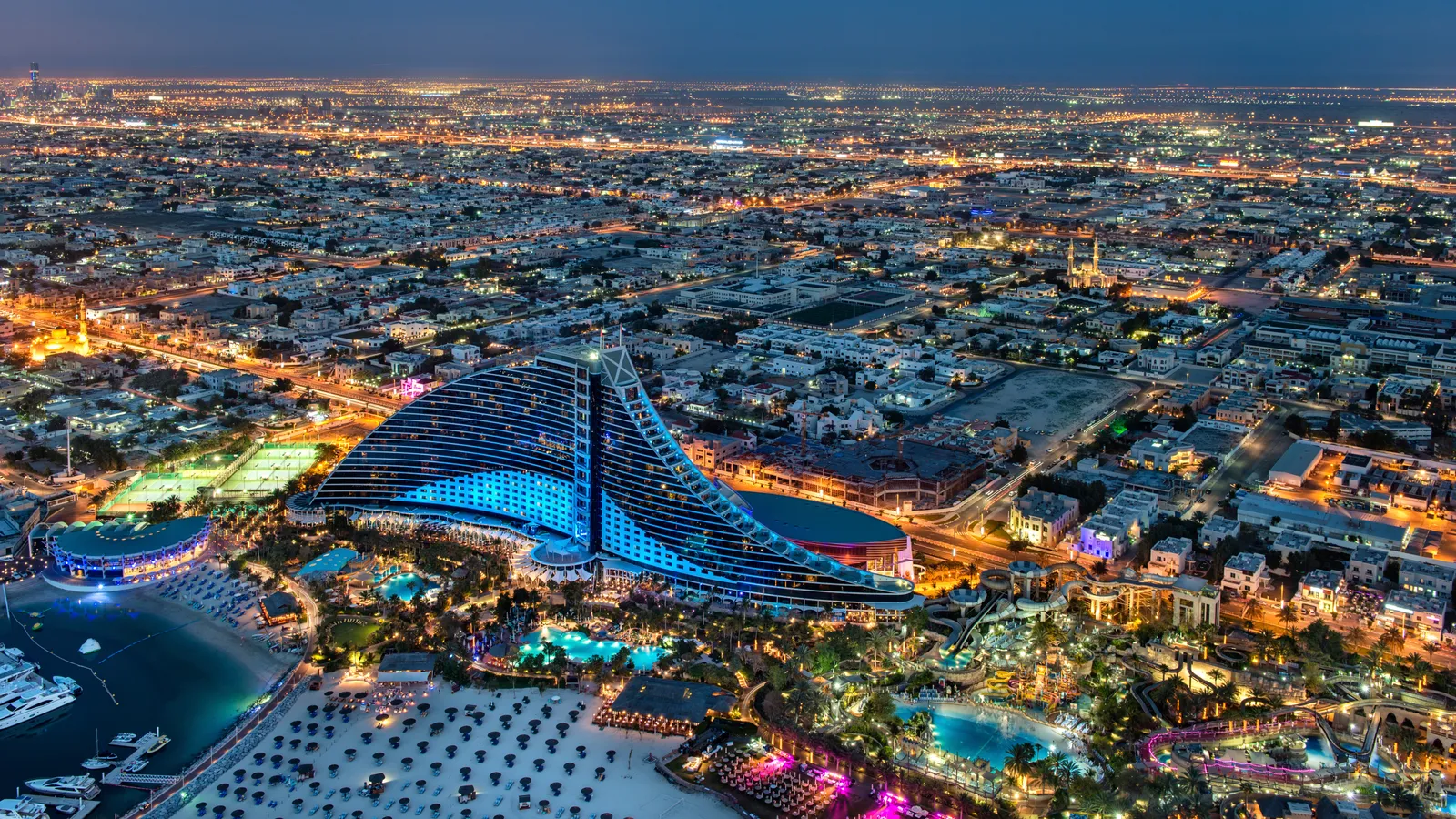
DIFC is where serious money sets up in the Middle East, and the 2026 numbers prove it. In the first quarter of 2026 alone, 775 new companies joined the Dubai International Financial Centre, a 62% jump on the same period last year, and new foundations more than doubled [1]. If you run a fund, a family office, a fintech, or a regional headquarters, this is the address that opens doors, and the one that costs the most to get wrong.
Here is the honest part most guides skip: DIFC is not a cheap free zone, and it is not meant to be. A non-regulated company runs roughly from AED 65,000-plus in year one, and a DFSA-regulated financial firm can run into the hundreds of thousands once capital and compliance are included [2][5]. The value is the ecosystem, the English common-law courts, and the credibility, not the price.
This guide breaks down exactly what DIFC costs in 2026, the licence types including the subsidised Innovation Licence and the Foundations framework for wealth planning, the step-by-step process for both regulated and non-regulated firms, and who should and should not choose DIFC. Since 2013, our team has set up companies across Dubai's free zones, mainland and financial centres, so the figures and trade-offs here come from real files.
Want a clear, no-obligation plan for your DIFC setup? Get a free consultation→
What is DIFC and who is it for?
DIFC, the Dubai International Financial Centre, is a financial free zone with its own English common-law legal system, independent courts, and a dedicated regulator (the DFSA), purpose-built for financial services, funds, family offices, fintech and regional headquarters. It is the premier financial hub in the region, benchmarked against Singapore's Marina Bay and London's Canary Wharf, not against budget trading zones.
DIFC suits you if you operate an asset manager, hedge fund, wealth or family office, an insurance or advisory firm, a fintech, or a holding and headquarters structure that benefits from a credible, common-law jurisdiction and easier institutional banking. As of 2025 the centre hosts 8,844 active companies, more than 400 asset managers overseeing hundreds of billions of dollars in assets, 70-plus hedge funds, and a workforce above 50,000 [1]. It contributes roughly AED 51.5 billion, about 12% of Dubai's GDP [1].
Real Talk: DIFC is the wrong choice for a small e-commerce store, a freelance consultant, or a general trading SME chasing the lowest setup cost. Those businesses are far better served by a cost-effective Dubai free zone. DIFC earns its premium only when you genuinely need the financial-services licensing, the common-law framework, the institutional banking access, or the brand weight with investors and counterparties. Pay for it when the ecosystem pays you back.
How much does it cost to set up in DIFC in 2026?
A non-regulated DIFC company costs roughly from AED 65,000 in year one all in, while a DFSA-regulated financial firm budgets from around AED 250,000 upward once capital and compliance are included [2][5]. DIFC prices in US dollars, so the headline licence figures are in USD. Here is the core structure for a standard private company:
| Cost item | Amount (USD) | Notes |
|---|---|---|
| Incorporation (one-time) | ~8,000 | Private Company Limited by Shares |
| Commercial licence (annual) | ~12,000 | Non-regulated; range 12,000–18,000 |
| Data protection registration | ~1,250 (renewal ~500) | Mandatory |
| Innovation Licence (annual) | ~1,500 | 90% subsidised, tech/fintech startups |
| Prescribed Company / SPV | 100 application + ~1,000/yr | Holding/structuring vehicle |
| Flexi-desk / co-working office | from ~27,000/yr (or ~250–500/month) | Physical presence mandatory |
For a DFSA-regulated firm, add the regulatory layer: DFSA application fees range from around USD 70,000 for deposit-taking down to USD 10,000 for fund management and as low as USD 2,000 for a venture-capital manager, plus minimum capital that commonly starts near USD 150,000 and rises with risk [2]. A realistic first-year budget for a regulated firm is around USD 150,000 before staff.
Quick Math: A non-regulated DIFC company with a small office lands near from AED 165,000 in year one once you include the desk, versus a leaner AED 39,000 if you strip the office to a minimum allocation [2]. The single biggest variable is space, because DIFC requires a real office and ties your visa quota to it. Budget the office first, then the licence.
If you want an itemised DIFC quote for your specific activity before you commit, our team will map the licence, office and visa costs to the dirham. Talk to a setup expert→

What licence types does DIFC offer?
DIFC offers four broad routes: a non-regulated commercial licence, a DFSA-regulated financial-services licence, the subsidised Innovation Licence for tech and fintech startups, and structuring vehicles like Prescribed Companies and Foundations. The right one depends on whether you provide financial services, build technology, or hold and protect assets.
Non-regulated commercial licence
This covers professional, consultancy, holding and headquarters activities that do not involve regulated financial services. It is the route for a regional HQ, a corporate services firm, or a non-financial professional business that wants the DIFC address and common-law framework without DFSA authorisation.
DFSA-regulated financial licence
Any firm conducting financial services in or from DIFC, asset management, fund management, advising, arranging, dealing, custody, insurance, or deposit-taking, must be authorised by the Dubai Financial Services Authority (DFSA). This is the heaviest route: a regulatory business plan, fit-and-proper assessments, minimum capital, and authorised individuals. DFSA prudential amendments take effect on 1 July 2026, so build to the current rulebook [1].
Innovation Licence
The Innovation Licence is one of DIFC's best-value offers: roughly USD 1,500 a year, about 90% subsidised, for AI, Web3, fintech and other technology startups, with up to four visas and access to the DIFC Innovation Hub [2]. DIFC also runs a Venture Studio Launchpad with its own framework. We cover that in our guide to the DIFC Venture Studio Launchpad.
What are DIFC Foundations and why do family offices use them?
A DIFC Foundation is an independent legal entity with no shareholders, used to hold and protect assets for wealth planning, succession, and family-office structures under English common law. It separates legal ownership from the founder, which makes it a powerful tool for estate planning, asset protection, and consolidating family wealth, and it sits at the heart of DIFC's surge in family-office activity.
Foundations are cheap to run relative to what they protect: minimal government registration, an operating fee of roughly USD 350 a year, minimum assets of just USD 100, and legal drafting of around AED 12,000 with setup in two to four weeks [2]. A qualifying foundation may also fall under 0% corporate tax. In 2026 DIFC modernised the toolkit further, enacting Variable Capital Company (VCC) Regulations in February and rolling out a new Family Office framework that replaced the older single-family-office regime [1].
Pro Tip: A Foundation is not the same as a company, and it is not the same as a trust. A trust is a relationship; a Foundation is a legal person that can own assets, contract, and sue in its own name, which many families find cleaner for holding UAE real estate, shares and investments. If your goal is succession planning or ring-fencing assets rather than trading, the Foundation, often paired with a Prescribed Company beneath it, is usually the right structure. Read our related guide on holding company setup in Dubai.
Want a clear, no-obligation plan for your Dubai setup? Our advisors map the right structure, costs, and timeline for your goals.
Get a free consultation→How do you set up a company in DIFC step by step?
DIFC setup runs through the DIFC Client Portal and takes about two to four weeks for a non-regulated company, or four to eight weeks (sometimes longer) for a DFSA-regulated firm. The order matters because regulated firms need DFSA in-principle approval before incorporation. The path is:
- Pre-application consultation with DIFC to confirm your activity and structure.
- Reserve your company name (you can submit three names, held for 90 days).
- Prepare your business plan. Regulated firms submit a full Regulatory Business Plan to the DFSA.
- Secure DFSA in-principle approval (regulated firms only) before incorporating.
- Submit the application via the DIFC Client Portal (and DFSA Connect for regulated firms).
- Incorporate with the Registrar of Companies.
- Lease your office and deposit any required capital.
- Apply for establishment cards and residence visas for shareholders and staff.
Our post-setup services team handles the documentation, office, and visa stages so the DIFC and DFSA tracks run in parallel where possible. Start your application→

Does DIFC require a physical office?
Yes. DIFC requires a genuine physical presence, a flexi-desk, co-working seat, or a fitted office, and there is no virtual-office shell except for Prescribed Companies and SPVs. Your visa quota is tied to the space you take, at roughly one visa per 80 square feet, so office size directly controls how many people you can sponsor.
Entry-level options include co-working seats in the DIFC Innovation Hub from around USD 250 a month, a Funds Centre flexi-desk from about USD 27,000 a year, and fitted offices from roughly USD 55 per square foot [2]. This mandatory-office rule is the main reason DIFC costs more than a flexi-desk free zone, and it is non-negotiable for operating companies.
Still weighing your options? Talk to our business-setup experts and get tailored advice for your situation.
Talk to an expert→DIFC vs ADGM vs mainland: which should you choose?
Choose DIFC for the deepest financial ecosystem and brand, ADGM for a cheaper common-law alternative in Abu Dhabi, and a mainland or standard free zone for non-financial businesses that do not need either. All three differ sharply in cost and purpose.
| Factor | DIFC | ADGM | Mainland / standard free zone |
|---|---|---|---|
| Legal system | English common law, DIFC Courts | English common law (applied directly) | UAE civil law |
| Regulator (financial) | DFSA | FSRA | n/a / sector regulators |
| Best for | Funds, family offices, fintech, HQs | Same, cost-sensitive | Trading, services, SMEs |
| Indicative entry cost | Higher (USD 8k incorp + 12k licence) | Lower (registration ~USD 5,500) | Lowest (from ~AED 12,500) |
| Ecosystem scale | Largest in MENA | Growing fast | Broad, non-financial |
Common Mistake: Picking DIFC purely for prestige when ADGM would do the same job for less, or picking a cheap free zone when you actually need DFSA authorisation. ADGM applies English law directly and is generally cheaper to register, which suits cost-sensitive funds and SPVs; DIFC wins on ecosystem density, banking relationships, and the gravitational pull of being where the asset managers already are. Match the jurisdiction to your counterparties and your budget, not to the logo. Compare the broader options in our guide to free zone vs mainland vs offshore and our ADGM company setup guide.
What taxes apply to a DIFC company?
DIFC companies pay 0% personal income tax and can qualify for 0% UAE corporate tax on qualifying income as a free zone entity, with the standard 9% rate applying to non-qualifying income above AED 375,000. Qualifying foundations and funds may also fall outside the corporate tax net. As with any free zone, the 0% corporate rate is conditional on meeting the Qualifying Free Zone Person rules, including adequate substance, so treat it as a status you maintain through compliance rather than an automatic exemption. See our guide to UAE corporate tax filing.
Ready to move forward? We handle licensing, visas, banking, and compliance so your launch is smooth.
Get started free→Real Client Stories
These are real examples from businesses we have helped set up. Names and details have been changed for privacy.
A boutique asset manager (DFSA-regulated)
A London fund manager wanted a regional base with credibility for institutional investors. We mapped the DFSA category to "managing assets," prepared the regulatory business plan alongside their compliance advisers, and budgeted honestly across the USD 25,000 application fee, the USD 150,000 capital, the office and two authorised individuals. The licence took about seven weeks. Their managing partner's tip: "DIFC is expensive, but our investors did not even ask questions once they saw the DFSA authorisation and the DIFC address. It paid for itself in the first raise."
A family office using a Foundation (non-regulated)
A Gulf family wanted to consolidate property, shares and investments for succession across three generations. We set up a DIFC Foundation paired with a Prescribed Company underneath it, for total setup cost a fraction of the assets it protects, completed in under a month. Their adviser's takeaway: "The Foundation gave us a single, common-law structure that holds everything and survives the founder. The annual cost is trivial next to what it protects."
A fintech startup on the Innovation Licence
A two-founder payments startup assumed DIFC was out of reach on their budget. We set them up on the Innovation Licence at roughly USD 1,500 a year with four visas and Innovation Hub access, keeping them in the financial ecosystem without DFSA authorisation until they needed it. Their CEO's advice: "We thought DIFC meant six figures. The Innovation Licence got us the address and the network for the price of a cheap free zone. When we need to be regulated, we are already inside."
Set up in DIFC the right way
DIFC is the strongest financial jurisdiction in the region, and the 2026 growth, 62% more new companies and double the foundations, shows the momentum is real [1]. But it rewards the businesses that actually need it: funds, family offices, fintech and headquarters that benefit from common law, DFSA credibility, and the densest financial ecosystem in MENA. The mistake is paying DIFC prices for a business that a standard free zone would serve better.
Since 2013, BusinessDubai.ae has completed 700+ company registrations across the UAE, including DIFC, ADGM, mainland and free zone structures, with transparent itemised pricing and honest advice on which jurisdiction fits. We will tell you whether DIFC, ADGM or a standard free zone is right for your goals, and handle the setup end to end. Get started free→
Related guides:
- ADGM Company Setup Guide
- DIFC Venture Studio Launchpad
- Free Zone vs Mainland vs Offshore
- Holding Company Setup in Dubai
Next step: Our free zone setup service takes this from zone comparison to licence in hand.
Frequently Asked Questions
How much does it cost to set up a company in DIFC?
A non-regulated DIFC company costs roughly from AED 65,000 in year one, built from about USD 8,000 incorporation, a from USD 12,000 commercial licence, data protection registration, and a mandatory office. A DFSA-regulated financial firm budgets from around USD 150,000 once capital and compliance are added.
What are the DIFC licence types?
DIFC offers a non-regulated commercial licence, a DFSA-regulated financial-services licence, the subsidised Innovation Licence for tech and fintech startups, and structuring vehicles such as Prescribed Companies and Foundations. The right one depends on whether you provide financial services, build technology, or hold assets.
DIFC vs ADGM, which is better?
DIFC has the largest financial ecosystem in the region, the densest network of asset managers and banks, and strong brand weight, but costs more. ADGM applies English law directly, is generally cheaper to register (around USD 5,500), and suits cost-sensitive funds and SPVs. Choose based on your counterparties and budget.
How much does a DIFC Foundation cost?
A DIFC Foundation is inexpensive to run: minimal government registration, an operating fee of about USD 350 a year, minimum assets of just USD 100, and legal drafting of around AED 12,000 with setup in two to four weeks. The cost is trivial relative to the assets a Foundation typically protects.
What is the DIFC Innovation Licence?
The Innovation Licence is a roughly USD 1,500-a-year, about 90% subsidised licence for technology, AI, Web3 and fintech startups. It includes up to four visas and access to the DIFC Innovation Hub, giving startups a place in the financial ecosystem without the full cost of a standard DIFC licence.
How long does it take to set up in DIFC?
A non-regulated DIFC company typically takes about two to four weeks to incorporate. A DFSA-regulated financial firm takes longer, usually four to eight weeks and sometimes up to several months, because it needs DFSA in-principle approval and a full regulatory business plan before incorporation.
Does DIFC require a physical office?
Yes. Operating companies need a real office, a co-working seat, flexi-desk or fitted space, and there is no virtual-office option except for Prescribed Companies and SPVs. Your visa quota is tied to office size at roughly one visa per 80 square feet, so space drives both cost and headcount.
Who regulates companies in DIFC?
Financial firms in DIFC are regulated by the Dubai Financial Services Authority (DFSA), an independent regulator with its own rulebook. Non-financial companies are registered with the DIFC Registrar of Companies but do not require DFSA authorisation. Disputes are heard in the independent, English-language DIFC Courts under common law.
Is DIFC worth it for a startup?
For a fintech or technology startup, the Innovation Licence makes DIFC genuinely affordable at around USD 1,500 a year with four visas and Innovation Hub access. For a non-tech small business with no need for financial-services credibility, a standard Dubai free zone is usually better value. Match the choice to whether you need the financial ecosystem.
Can a DIFC company trade on the UAE mainland?
Like other free zone entities, a DIFC company cannot directly conduct commercial trade with the UAE mainland without a mainland branch or distributor. DIFC is designed for financial services, holding structures and regional operations rather than local retail trade, so mainland-facing business needs additional structuring.
What taxes does a DIFC company pay?
DIFC companies pay 0% personal income tax and can qualify for 0% UAE corporate tax on qualifying income, with 9% applying to non-qualifying income above AED 375,000. Maintaining the 0% corporate rate requires meeting the Qualifying Free Zone Person rules, including adequate substance.
How many companies are in DIFC?
As of 2025, DIFC hosts 8,844 active registered companies, and growth accelerated into 2026 with 775 new companies in the first quarter alone, up 62% year on year. The centre includes more than 400 asset managers, 70-plus hedge funds, and over 850 family businesses.
What is a DIFC Prescribed Company or SPV?
A Prescribed Company is a low-cost special purpose vehicle used for holding assets, structuring, and aviation or financing transactions, costing about USD 100 to apply and roughly USD 1,000 a year. Unlike operating companies, it can be set up without a physical office, which makes it a popular holding and structuring tool, often paired with a Foundation.
What is the minimum capital for a DIFC company?
A non-regulated DIFC company has no high statutory minimum capital, while a DFSA-regulated firm must hold minimum capital that commonly starts near USD 150,000 and rises with the risk of the activity. Fund managers and venture-capital managers sit at the lower end of the capital and fee scale.
Can foreigners own 100% of a DIFC company?
Yes. DIFC allows 100% foreign ownership with no local partner or sponsor required, along with full repatriation of capital and profits. This applies across DIFC company structures, from operating companies to Foundations and Prescribed Companies.
What is the DIFC Family Office framework?
In 2026 DIFC introduced a new Family Office framework that replaced the older Single Family Office regime, alongside Variable Capital Company regulations. Combined with Foundations and Prescribed Companies, it gives wealthy families a flexible, common-law toolkit for managing, holding and protecting assets, which drove a 108% year-on-year rise in new foundations in early 2026.
Why is DIFC more expensive than other free zones?
DIFC costs more because of the mandatory physical office, the data protection and regulatory framework, the DFSA regime for financial firms, and the value of the common-law courts and financial ecosystem. You are paying for credibility, institutional banking access, and proximity to hundreds of asset managers, not just a licence.
References
[1] Dubai International Financial Centre (DIFC). Q1 2026 and full-year 2025 results (775 new companies +62% YoY, 158 foundations +108%, 8,844 active companies, workforce and AUM figures), and 2026 regulatory updates (VCC Regulations, Family Office framework, DFSA prudential amendments effective 1 July 2026). difc.com
[2] DIFC and advisory sources. Licence and incorporation fees, Innovation Licence, Prescribed Company and Foundation costs, office and visa requirements (2026). difc.com
[3] Dubai Financial Services Authority (DFSA). Authorisation framework, application fees by activity, and minimum capital requirements. dfsa.ae
[4] DIFC. Foundations and Prescribed Companies regulations, and the 2026 Family Office and VCC frameworks. difc.com
[5] UAE Federal Tax Authority. Qualifying Free Zone Person and corporate tax rules (0% on qualifying income, 9% standard rate). tax.gov.ae
[6] BusinessDubai.ae. Internal data from UAE company registrations since 2013, including DIFC, ADGM and free zone structures, setup costs, timelines and client case studies. businessdubai.ae