Introduction: Your Complete Guide to Starting a Hotel Business in Dubai
Since 2013, we've helped over 2,000 entrepreneurs launch successful hospitality businesses across the UAE. Dubai's hotel market has evolved dramatically, offering unprecedented opportunities for investors willing to do proper due diligence. With 81% average occupancy rates, 5-6% annual visitor growth, and zero personal income tax, starting a hotel business here makes financial sense. [4] However, success requires understanding regulations, market dynamics, and your target positioning. This guide synthesizes 75+ sources of 2025-2026 data to give you the clarity you need to launch confidently.
The Dubai hospitality market is worth USD 30.07 billion in 2025, projected to reach USD 43.92 billion by 2031 with a 7.87% compound annual growth rate. International arrivals totaled 18.72 million in 2024, with 11.17 million visitors in just the first seven months of 2025. The market's growth trajectory is undeniable, but so is the competition: 4,620 new rooms are arriving in 2025 alone, requiring strategic positioning to differentiate your property and capture market share.
Why Dubai's Hotel Market Matters Now (2025-2026)
Dubai attracts business travelers, leisure tourists, and ultra-high-net-worth individuals. The Average Daily Rate (ADR) reached AED 745 (approximately USD 200) in H1 2025, with December 2025 commanding premium rates of AED 1,042.11, an 11.1% year-over-year increase. Revenue Per Available Room (RevPAR) grew 10.1% year-to-date, indicating strong pricing power even as new inventory enters the market.
The market presents three critical advantages: taxation (0% personal income tax, 9% corporate tax on profits exceeding AED 375,000), regulatory clarity (established licensing pathways), and consistent demand (81% occupancy despite supply additions). [5] [2] The biggest risk is oversupply if demand doesn't match the 11,300 new rooms expected by 2027. Success hinges on location selection, differentiation, and operational excellence, not just capital. [6]
Understanding Dubai's Hotel Classification System
The Department of Economy and Tourism (DET, formerly DTCM) classifies all hotels on a 1-5 star scale plus budget and resort categories. [1] Classification directly impacts your licensing costs, regulatory requirements, and pricing power. It's not optional, operation without proper classification is illegal and grounds for license revocat [7]ion.
Star Rating Requirements and Standards
Every hotel must meet 100% of licensing criteria, 100% of operating criteria, and 50% of enhancing criteria as defined by DET. All new rooms require a minimum 30 sqm size (excluding balconies, entrances, and outdoor areas). Existing properties are exempt from this requirement, creating opportunities for renovated older pro [8]perties.
A 4-star hotel requires minimum 2 restaurants, concierge service, and at least 1 retail service. A 5-star property needs multiple swimming pools, spa services, fitness centers, and kids clubs. The 5-star category has subcategories: Platinum (highest), Gold, and Silver. Budget hotels face lower facility requirements but compete on location and price efficiency.
Emerging Classification: Hotel Apartments vs. Serviced Apartments
Hotel apartments are legally classified the same as hotels by DET. They must include manned 24/7 reception, concierge service, and security. This classification commands higher occupancy rates and pricing compared to short-term rentals. Serviced apartments follow identical regulations, the terminology is administrative only.
Hotel Types: Which Model Suits Your Capital and Vision?
| Hotel Type | Entry Cost | Expected ROI | Market Size (Global) | Best For | Key Risk |
|---|---|---|---|---|---|
| Budget Hotels | AED 2-5M | 6-8% | Growing | Cost-conscious entrepreneurs | Intense margin pressure |
| Boutique Hotels | AED 3-8M | 12-15% | USD 25B (2023) → USD 40.3B (2030) | Hospitality veterans | Marketing complexity |
| Luxury Hotels | AED 10M+ | 12-15% | Stable, premium | Established operators | Operational complexity |
| Hotel Apartments | AED 5-15M | 10-14% (after fees) | Strong investor demand | Real estate investors | Management company quality |
| Holiday Homes | AED 500K-2M | 6-9% | Growing post-2024 | Small-scale operators | Regulatory, saturation |
| Hostels/Capsules | AED 2-4M | 8-12% | USD 25-40B global | Solo traveler market | Market perception |
Real Talk: Budget hotels sound attractive because entry costs are lower. But 40-50% of competitors operate in this segment, creating vicious price competition. A 100-room budget hotel needs to maintain 85%+ occupancy just to break even. Boutique positioning, where you target affluent travelers seeking authentic experiences, commands 40-50% rate premiums and justifies higher construction costs through lower required occupancy.

What Location Really Means for Your Hotel Success
Location is the single most important variable for hotel success. Occupancy and pricing power depend almost entirely on proximity to attractions, transportation, and your target market. The difference between a hotel in Dubai Marina (88-92% winter occupancy) and one in a secondary location (65-70% occupancy) translates directly to profitability.
Established Tourism Hotspots (Proven but Competitive)
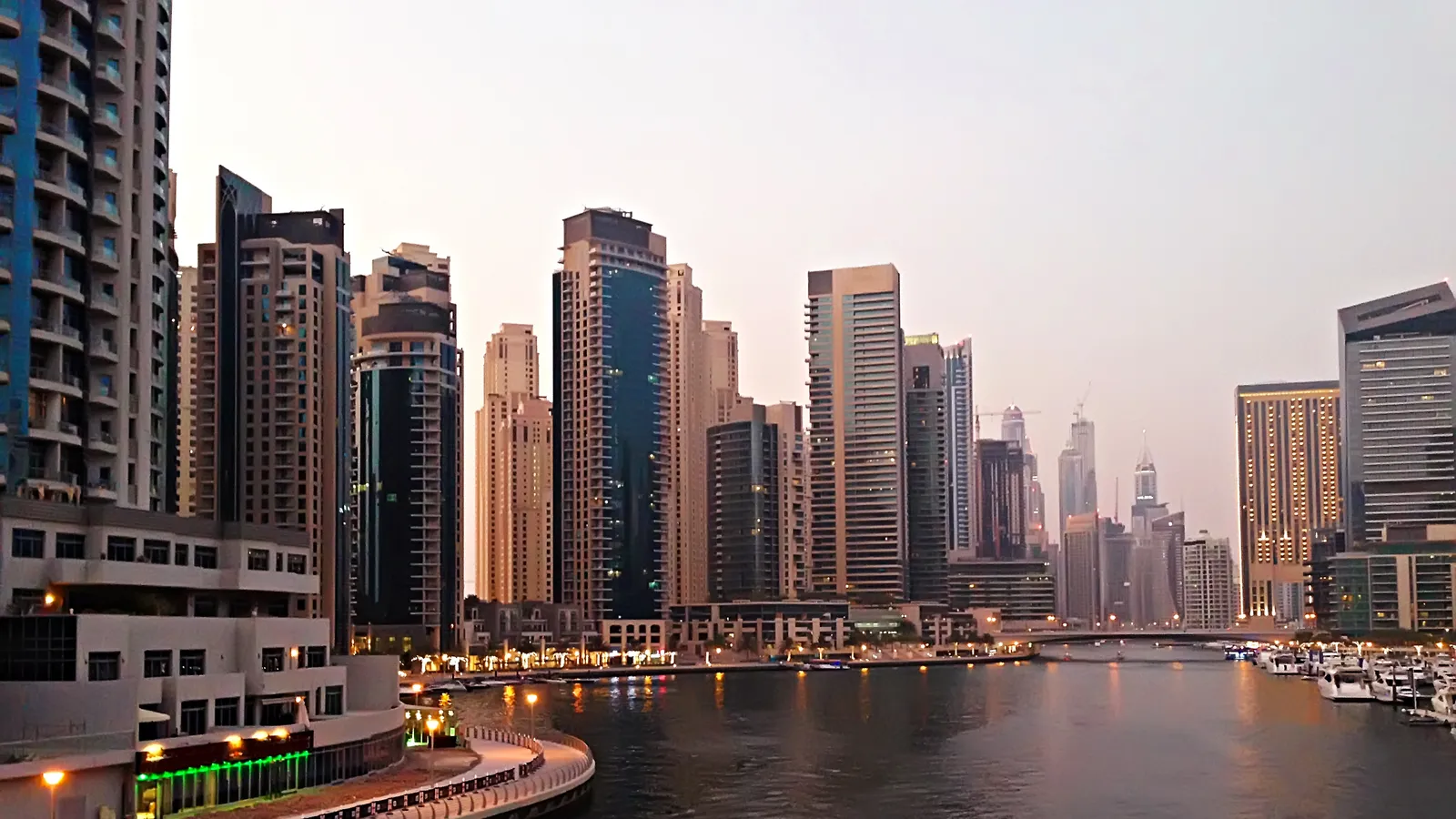
Dubai Marina: Tourism draw remains strong with beach access, marina promenade, shopping, and dining. Winter occupancy: 88-92%; summer: 65-70%. Property costs are highest here, and competition from international chains (InterContinental, Grosvenor House, Rove) is intense. Best for established operators with strong differentiation.
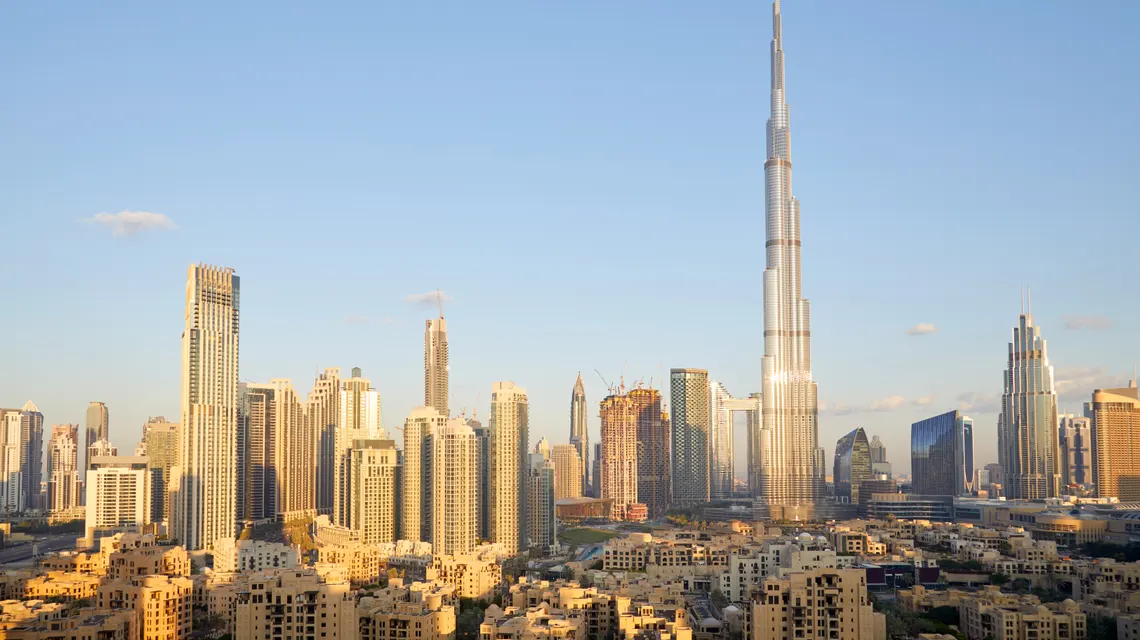
Downtown Dubai: Burj Khalifa, Dubai Mall, Fountains, and business concentration. Premium location commands higher rates but attracts both leisure and corporate segments. Most room inventory is concentrated here, meaning new entrants face established competition.
Business Bay: Emerging commercial hub with Dubai Canal proximity. Strong corporate and short-stay demand. Less tourism-focused than Marina or Downtown, making it suitable for business-segment hotels with good corporate relationships.
Emerging Opportunities (Lower Competition, Higher Risk)
Jumeirah Village Circle (JVC): Family-friendly zone with parks, schools, and residential demand. The First Collection JVC added 491 rooms with 26 boutique suites. Holiday Inn JVC (formerly Hotel Avalon) demonstrates middle-market viability. Lower land costs but require strong family-targeted positioning.
Al Fahidi Historic District: UNESCO heritage area showing strong boutique potential. Minimal existing hotel supply but authentic positioning commands premiums. Risk: tourism concentration in heritage experiences limits broader market appeal.
Hatta: Mountain heritage destination 1.5 hours from central Dubai. Resort and wellness positioning viable here. Lower competition but geographic remoteness requires targeted marketing and niche positioning.
Pro Tip: Run location analysis by segment: What's winter vs. summer occupancy? What's the corporate/leisure mix? Where are your competitors? Which attractions drive demand? A 50-room boutique hotel in a well-chosen secondary location will outperform a 150-room generic hotel in a congested primary location.
Investment Costs: The Complete Breakdown
Most entrepreneurs underestimate total hotel startup costs. Property acquisition is just one piece. You'll need construction, licenses, deposits, working capital, and pre-opening marketing. Here's the realistic picture for different property types.
Property and Construction Costs
| Cost Component | Budget Hotel | Mid-Range | Luxury |
|---|---|---|---|
| Land/Property (per sqm) | AED 3,000-6,000 | AED 6,000-12,000 | AED 12,000-20,000 |
| Construction (per sqm) | AED 2,500-4,000 | AED 4,000-8,000 | AED 8,000-17,200 |
| Interior Fit-Out | AED 4,000-7,000/sqm | AED 7,000-12,000/sqm | AED 12,000-15,500/sqm |
| Furniture, Fixtures, Equipment | AED 3,000-5,000/room | AED 5,000-10,000/room | AED 15,000-25,000/room |
A 50-room budget hotel with 2,500 sqm footprint costs approximately from AED 12.5M total (property + construction + FF&E). A luxury 100-room property easily reaches AED 50M+. These figures don't include land acquisition premium, soft costs, contingencies, or working capital.
Licensing and Setup Fees (Mandatory)
| License/Permit Type | Cost (AED) | Timeline | Renewal |
|---|---|---|---|
| Mainland Trade License | 20,000-50,000 | 3-6 weeks | Annual |
| Free Zone License (JAFZA/DAFZA) | 12,500-16,500 (minimum) | 7-14 days | Annual |
| DET Hotel Classification | Varies by type | 4-8 weeks | Annual |
| DEWA Connection + Deposits | 100,000-500,000 | 2-3 weeks | Refundable |
| Dubai Municipality Permits | 15,000-50,000 | 3 weeks+ | Various |
| Fire Safety Certificate | 10,000-30,000 | Included in process | Annual |
| Health & Food Permits | 5,000-20,000 | 2-3 weeks | Annual |
| Insurance (annual) | 0. [3]15-0.3% of asset value | Ongoing | Annual |
| Sustainability Audit | 150,000-250,000 | 4-6 weeks | As required |
Total Setup Cost (Licenses + Deposits): from AED 315,000 minimum for a new hotel. This is before any operational expenses.
Annual Operational Costs (Per 50-Room Hotel)
| Cost Category | Monthly | Annual | % of Revenue |
|---|---|---|---|
| Staff Salaries & Benefits | AED 165,000-220,000 | AED 1,980,000-2,640,000 | 40-50% |
| DEWA (Utilities) | AED 1,500-3,000 | AED 18,000-36,000 | 1-2% |
| Maintenance & Repairs | AED 40,000-80,000 | AED 480,000-960,000 | 5-10% |
| Marketing & OTA Commissions | AED 60,000-100,000 | AED 720,000-1,200,000 | 15-25% |
| License Renewal & Compliance | AED 5,000-10,000 | AED 60,000-120,000 | 1-2% |
| General Administration | AED 20,000-40,000 | AED 240,000-480,000 | 3-5% |
| Total Monthly Operating | AED 291,500-453,000 | AED 3,498,000-5,436,000 | 65-95% |
At 80% occupancy and AED 650 ADR, a 50-room hotel generates approximately AED 5.85 million annual revenue. Operating costs of from AED 3.5 million leave from AED 450,000 million for debt service, reinvestment, and profit. This explains why location, occupancy, and operational efficiency matter so critically.
Ready to set up this business in Dubai the right way? Our licensed business-setup advisors handle your trade licence, visas, and corporate bank account end to end — with transparent, fixed fees.
Get started free→Regulatory Process: What You Actually Need to Do
Dubai's regulatory environment is clearer than most Middle Eastern markets, but it involves multiple authorities. The process takes 2-4 months for straightforward applications, 6+ months for complex projects.
Step 1: Business Registration (Weeks 1-3)
Establish your business structure. You have three options: mainland LLC (100% foreign ownership available), free zone company (100% ownership, tax benefits), or partnership with local sponsor (traditional but less common for hotels).
Mainland Setup: Register with Dubai Economic Department (DED) for from AED 20,000 No local sponsor required for hotels. Processing takes 3-6 weeks. Your business location must be legally registered, either through property lease or free zone agreement.
Free Zone Setup: Jebel Ali Free Zone (JAFZA) and Dubai Airport Free Zone (DAFZA) offer incorporation from USD 16,500 (approximately AED 60,000) minimum. Setup takes 7-14 business days. Free zone benefits include 0% corporate tax on qualifying income and 100% foreign ownership with no local sponsor.
Mainland vs. Free Zone Trade-Off: Mainland gives unrestricted market access but subjects you to 9% corporate tax on profits exceeding AED 375,000. Free zones offer tax advantages but limit your market to free zone customers only. For most hotel operators, mainland is appropriate because you're serving all customers, not just free zone tenants. Consult with a tax advisor on your specific structure.
Step 2: Property Acquisition and Building Permits (Weeks 2-6)
You need either land ownership or a long-term lease (typically 30+ years for hotels). Once secured, submit building permits to Dubai Municipality. Permits take approximately 3 weeks. You'll need architectural plans, structural designs, fire safety plans, and environmental assessments.
Required documents: building permit application, architectural drawings, structural plans (stamped by licensed engineer), MEP (mechanical, electrical, plumbing) plans, fire safety plans, and sometimes environmental impact assessment. Municipality reviews and issues permit or requests clarifications.
Step 3: Construction and Renovation (Variable Timeline)
Your hotel construction timeline depends on project scale, contractor efficiency, and weather. New-build properties: 18-36 months. Renovation of existing building: 6-12 months. Dubai's summer heat (June-August) often slows construction.
During construction, you must maintain compliance with safety standards and Dubai Civil Defence requirements. Regular inspections are mandatory at different construction phases.
Step 4: DET Classification Application (Weeks 8-12 Parallel to Construction)
Submit DET hotel classification application 2-3 months before expected opening. You'll submit: business license copy, property documents, detailed room specifications (exact dimensions, amenities), F&B facilities details, recreation facilities list, safety and security systems, staffing plans, and operational procedures.
DET conducts physical inspection of the property. They verify room sizes (30 sqm minimum), facility quality against classification standards, and operational readiness. Approval takes 4-8 weeks after submission.
Important: You must obtain bank guarantee from an authorized UAE bank. Amount varies by hotel type and classification, typically from AED 500,000 This guarantee ensures compliance with regulations and can be forfeited if violations occur.
Step 5: Fire Safety and Health Permits (Weeks 8-12)
Dubai Civil Defence issues Fire Safety Certificate after inspection. Requirements: fire alarm systems, extinguishers, pressurized staircases (for high-rise), automated smoke control, sprinkler systems in all areas, 24/7 fire monitoring, trained staff emergency response procedures, and annual fire drills.
Dubai Municipality Food Control Department issues Health/Food Establishment Permit if you operate restaurants or F&B. Kitchen design must be approved, hygiene systems verified, and staff food safety training confirmed.
Both certificates are valid for one year and must be renewed annually. Non-renewal means immediate business suspension.
Step 6: Final Inspections and License Issuance (Week 12-16)
Final walk-through by DET, Municipality, and Civil Defence verifies everything is operational per license specifications. Once all approvals confirmed, DET issues your hotel establishment license. You can then legally operate.
Common Mistake: Many entrepreneurs think the license process starts after construction. Actually, start DET classification application 2-3 months before opening. The overlap saves months. Don't wait for building completion; parallel-track the approvals.
Staffing: The 40-50% of Your Budget You Cannot Avoid
Hotel operations are labor-intensive. Your largest operating cost is always staff, typically 40-50% of total revenue. You cannot cut this dramatically without destroying service quality and occupancy.
Staffing Ratios and Costs (2025 Data)
Industry standard is 1.2-1.5 employees per room. A 50-room hotel requires 60-75 staff. A 100-room property needs 120-150 staff. This includes housekeeping, front office, F&B, maintenance, management, and security.
Average hotel staff salary in Dubai is AED 79,260 annually (approximately AED 6,605 monthly). This includes basic salary plus benefits (housing, food, transportation, insurance, mandatory). Senior positions command multiples: operations managers from AED 18,000/month, executive chefs from AED 20,000/month. Entry-level positions (housekeeping, waiters) earn from AED 1,300/month.
| Position | Monthly Salary (AED) | Number (50-room hotel) | Monthly Cost |
|---|---|---|---|
| General Manager | 20,000-30,000 | 1 | 20,000-30,000 |
| Department Heads (4) | 12,000-18,000 | 4 | 48,000-72,000 |
| Front Office Staff | 6,000-8,000 | 6 | 36,000-48,000 |
| Housekeeping Staff | 2,500-4,500 | 20 | 50,000-90,000 |
| F&B Staff | 4,000-8,000 | 15 | 60,000-120,000 |
| Security/Engineering | 3,000-6,000 | 8 | 24,000-48,000 |
| Total Monthly Payroll | 54 | AED 238,000-408,000 |
Real Talk: You'll find some online guides claiming much lower staffing costs, often from non-Dubai sources or from hotels operating without proper benefits. UAE labor law and hospitality standards require housing, food, and transportation contributions. Budget accordingly. Under-staffing destroys guest experience and occupancy.
Training and Certifications
AHLEI (American Hotel & Lodging Educational Institute) certifications are not legally mandatory but are widely expected by international guests and franchisors. COTHM Dubai offers Hospitality Management Diplomas. CHT (Certified Hospitality Trainer) certification available. Training programs typically run 35+ hours with classroom and online options.
Pro Tip: Hire experienced hotel managers first. Training entry-level staff is easier than replacing poor managers. A good General Manager will save you multiples of their salary through efficiency gains and occupancy improvements.
Technology Systems: Your Competitive Edge
Modern hotel guests expect online booking, mobile check-in, smart room controls, and real-time support. Your technology stack drives operational efficiency and guest satisfaction. Legacy systems are now competitive disadvantages.
Property Management System (PMS)
Your PMS is the central nervous system of your hotel. It manages reservations, guest data, housekeeping schedules, maintenance, accounting, and reporting. Popular options in Dubai: eZee (30,000+ properties using complete suite), InnRoad (award-winning), Oracle OPERA (industry standard), Mews, and Korvage.
Most PMS systems cost from AED 3,000 monthly for your room count. They integrate with your front desk, housekeeping tablets, accounting software, and revenue management systems. Switching systems later is expensive and disruptive, so choose carefully.
Booking Engine and OTA Integration
Direct bookings through your website are highest-margin, but most hotel business comes through OTA (Online Travel Agencies): Booking.com, Expedia, Agoda, Airbnb. Modern booking engines connect to 100+ OTAs simultaneously with real-time inventory and pricing.
AI-powered dynamic pricing algorithms adjust rates based on demand, competitor pricing, and occupancy. Most systems cost from AED 1,500 monthly. They're essential, without them, you're relying on manual pricing adjustments and missing revenue opportunities.
Revenue Management
Revenue management systems forecast demand, optimize pricing, and manage inventory distribution across channels. Tools like RMS for Oracle, StayNTouch, and channel managers like RoomRaccoon optimize revenue per available room (RevPAR).
Real example: During Dubai Shopping Festival, a well-configured revenue management system increases rates by 30-40% when demand spikes. A system that can't adjust pricing leaves AED 100,000+ on the table per month.
Contactless Technology: Post-2020 pandemic shifts made contactless check-in, mobile key access, and digital concierge services expectations. Guests expect these; they're no longer luxury. Budget from AED 100,000 for full implementation depending on property size.

Franchise vs. Independent: Which Model Fits You?
You have three operational paths: fully independent, franchise agreement, or management contract. Each offers different benefits and constraints.
Independent Hotel Ownership
You own and operate the hotel yourself. Full control, full responsibility, full risk, full reward. You keep 100% of profits (minus taxes, debt service, operating costs). This requires hands-on management experience or hiring a strong general manager.
Pros: Maximum profit retention, complete brand control, flexibility to innovate. Cons: Responsible for all operational failures, no brand reservation system, higher marketing costs, higher management complexity.
Best for: Experienced hospitality operators or those willing to hire experienced management. Entry capital: from AED 5+ depending on property size.
Franchise Model (Growing in Dubai)
You own the hotel but operate under a brand's system (Marriott, Hilton, Accor, IHG, Rotana). You pay: franchise fee (2-5% of revenue) + marketing fee (1-2% of revenue). You get: brand recognition, reservation system, operational standards, training, and support.
Dubai franchise adoption is growing 40% in some brands (particularly IHG). The model appeals to owners wanting brand benefits without full corporate management control. Franchisors provide PMS, booking engine, training, and operational playbooks.
Pros: Brand reservation system delivers occupancy, operational standards ensure quality, training and support, marketing reach. Cons: Less operational flexibility, ongoing fees even during low seasons, strict brand standards compliance required.
Franchise Registration Cost: AED 10,000. Processing: 2-4 weeks. Most franchisors require minimum property standards (construction quality, room size, amenities) which your property must meet before approval.
Best for: Entrepreneurs with capital but limited hospitality experience. Franchisors essentially give you their playbook. You need competent execution, not innovation.
Management Contract
You own the property; a professional hotel operator manages everything. You provide capital; they manage operations, staffing, marketing, and revenue optimization. They typically receive base fee plus performance incentive (split of profits).
Structure often looks like: 2-3% base fee + 50-50 split on profit after debt service. The operator is motivated to maximize profitability because they share in it.
Pros: Passive income model, professional management, reduced operational burden, their brand handles reputation. Cons: Significant ongoing fees, less control over operations, profit sharing reduces your returns, dependent on operator competence.
Best for: Real estate investors wanting hotel exposure without operational involvement. They're willing to trade control and profitability for passive income.
Expected Financial Returns and Timeline to Profitability
Hotel businesses are capital-intensive and take time to reach profitability. Here's realistic expectation-setting based on 2025 market conditions.
Net Yields and ROI by Hotel Type
| Hotel Type | Total Investment | Annual Net Yield | Year to Break-Even | 5-Year Cumulative ROI |
|---|---|---|---|---|
| Budget (50-room) | AED 12-20M | 6-8% (AED 720K-1.6M) | 3-4 years | 30-40% |
| Boutique (40-room) | AED 15-25M | 12-15% (AED 1.8M-3.75M) | 2-3 years | 60-75% |
| Mid-Range (60-room) | AED 18-30M | 8-10% (AED 1.44M-3M) | 2.5-3.5 years | 40-50% |
| Luxury (100-room) | AED 40-60M | 12-15% (AED 4.8M-9M) | 2.5-3.5 years | 60-75% |
| Hotel Apartments | AED 10-20M | 10-14% (after 3-5% fees) | 2-3 years | 50-70% |
Real Talk: Year 1 typically shows losses or breakeven at best. You're opening operations, ramping occupancy from 40-50% to 75-80%, building brand awareness, and managing initial staffing challenges. Years 2-3 are when profitability stabilizes. Years 4-5 show mature returns if you've executed well.
The boutique model shows higher ROI because it commands 40-50% rate premium despite lower occupancy requirements. A well-positioned boutique at 70% occupancy often outperforms a budget hotel at 85% occupancy.
Not sure which licence or free zone fits your plan? Get a free, no-obligation consultation and a clear cost breakdown tailored to your business.
Get a free consultation→Holiday Homes and Short-Term Rentals: The Alternative Entry
If full hotel operations feel too complex, holiday home licensing offers simpler entry. The trade-off: lower per-unit returns but lower operational complexity.
Holiday Home License Requirements and Costs
You can operate up to 8 properties as an individual homeowner without establishing a business license. Beyond 8 units, you must establish a licensed hospitality company. Holiday home permit cost: from AED 370 annually (varies by property size/bedroom count).
One-time setup: registration AED 1,520 + inspection AED 320 = AED 1,840. Add Tourism Dirham fee: AED 10/night (standard bedroom) or AED 15/night (deluxe). Tourism Dirham is collected from guests and remitted monthly to DET.
Requirements: Full NOC from building/landlord, fire alarms and extinguishers, fully furnished with kitchen/linen, emergency contact line, same-day check-in reporting via DET HH 2.0 system, minimum 7-day booking period.
Holiday Home Returns vs. Full Hotel
A one-bedroom holiday home rents for from AED 3,000/month (from AED 100/night). At 70% annual occupancy, you generate from AED 30,000 annually in gross revenue. Deduct cleaning, supplies, utilities, and platform fees (Airbnb takes 15-20% of bookings). Net yield: 6-9% typically.
Compare to a 2-bedroom hotel apartment with 80% occupancy at AED 400/night (higher rates than holiday homes): AED 58,000+ gross monthly, approximately 10-14% net yield after property management fees.
Pro Tip: Holiday homes work well for 1-3 unit operators wanting passive income. Scale beyond 8 units becomes complex, you're essentially running a small hotel operation with licensing requirements.
Market Occupancy Patterns and Seasonality You Must Understand
Dubai's tourism isn't flat year-round. Winter is 88-92% occupancy; summer is 65-70%. Understanding and planning for these swings affects your profitability dramatically.
Peak Season (November-April)
Winter weather (20-30°C) attracts international tourists. December records exceptionally high occupancy and rates. December 2025 achieved 84.3% occupancy (highest since 2006) with AED 1,042.11 ADR. Shopping Festival (January-February) drives leisure travelers. Spring racing season (Meydan) brings international visitors.
Peak season represents 40% of annual revenue in 50% of days. Rate premiums command from AED 150+ above annual average.
Off-Season (May-October)
Summer temperatures (40-45°C) deter casual tourists. Schools are closed but families travel less internationally. Corporate/business travel continues but declines slightly. Occupancy drops to 65-70%. ADR falls by 30-40% compared to peak.
Off-season requires: cost control (reduce staff during slow periods), revenue management (aggressive pricing to fill rooms), maintenance focus (use low-occupancy periods for renovations), and cash reserves (you need 3-4 months operating costs in reserves).
Common Mistake: Entrepreneurs project profitability based on average occupancy (75-80%), failing to account for seasonal swings. A property that generates AED 500K in December might generate only AED 100K in August. Plan working capital accordingly.
Taxation and Financial Structure for Hotel Operators
UAE's 0% personal income tax is a major advantage, but several taxes apply to hotel operations. Understanding them prevents surprise bills.
Corporate Tax (Federal)
UAE federal corporate tax: 9% on profits exceeding AED 375,000 annually. This applies to both mainland companies and free zone companies on non-qualifying income. Your hotel business will almost certainly exceed this threshold.
Calculation: If your hotel generates AED 5M revenue, has AED 3.5M operating expenses and AED 500K debt service, your taxable profit is AED 1M. Corporate tax due: AED 90K (9% of profit exceeding AED 375K threshold).
Free Zone Advantage: Free zone companies with qualifying income pay 0% corporate tax. The catch: your income must be from free zone operations, not mainland hotel operations. This requires careful tax planning with your accountant. Most standard hotels won't qualify for free zone tax benefits because guests are mainland customers.
VAT (Value Added Tax)
UAE VAT rate: 5% on hotel room rates and services. This is collected from guests, not paid by you directly. You must register for VAT if annual turnover exceeds AED 375,000 (which you will as a hotel). Monthly/quarterly VAT return showing collected VAT, submitted VAT, and net VAT due.
Tourism Dirham is separate: from AED 10 per room per night, collected from guests, remitted to DET monthly.
Service Charge
Hotels typically add 10-20% service charge to room rates. This is separate from VAT and Tourism Dirham. Service charge is yours to keep (it covers staff gratuities and restaurant service). Not subject to corporate tax; it's considered part of room revenue and subject to VAT like room rates.
Example Revenue Model (100-room hotel, 80% occupancy, AED 700 ADR):
Room revenue: 100 rooms × 365 days × 80% occupancy × AED 700 = AED 20.44M. VAT collected (5%): AED 1.02M. Tourism Dirham (AED 10/room): AED 365K. Service charge (15%): AED 3.07M. Total guest charges: AED 24.87M.
Your operating cost base: from AED 3.5 (40-50% of room revenue). Debt service: varies by financing structure. Net operating profit before corporate tax: roughly from AED 2M. Corporate tax (9% on profit over AED 375K): approximately AED 147K. Net profit: from AED 1.85M.
Real Client Stories: Three Hotels, Three Outcomes
Case Study 1: The British Entrepreneur's Boutique Success (JVC Location)
Marcus, a hospitality veteran from London, invested AED 18M in a 35-room boutique property in Jumeirah Village Circle. He sourced a renovated villa, hired an experienced general manager, and positioned the hotel toward wellness-focused travelers and digital nomads. Year 1 occupancy started at 52%, reached 71% by Q4. Year 2 achieved 78% with AED 750 average ADR. Year 3 stabilized at 82% occupancy and AED 895 ADR, generating AED 1.1M annual profit. His IRR: 14% annually after debt service. "Location matters less than differentiation," he says. "I chose JVC because land was cheaper, but I invested heavily in unique design and wellness services. That attracted higher-spending guests than competing budget hotels did with triple my occupancy."
Case Study 2: The Indian Real Estate Investor's Hotel Apartment Portfolio (Marina Location)
Rajesh purchased 8 hotel apartments in Dubai Marina's residential tower, investing AED 12M total. He licensed each unit under a hotel-apartment permit and contracted with a professional management company (3.5% management fee). Year 1 occupancy: 65% average; Year 2: 73%; Year 3: 81%. Average occupancy across portfolio: 76%. With AED 600 ADR and 3.5% management fees, net yield: 10.8% annually. His comment: "I'm not running a hotel; I'm collecting rent. The management company handles everything. I accept lower per-unit returns for zero operational stress."
Case Study 3: The Failed Budget Hotel Operator (Deira Location)
Ahmed invested AED 10M in a 60-room budget hotel in Deira. He underestimated competition from 40+ similar properties within 2km radius. Year 1 achieved 68% occupancy at AED 380 ADR. Year 2: occupancy fell to 61% as new inventory opened nearby, rates dropped to AED 320. Year 3: still struggling at 58% occupancy, AED 310 ADR. Annual profit became annual loss (AED 200K negative). After three years, he sold to a franchised operator who rebranded and repositioned it upmarket, immediately improving occupancy. His lesson: "Location wasn't unique. My differentiation was zero. I thought low price would fill rooms; instead, I competed on price with 50 identical hotels and always lost. I should have done a location study showing how many competitors existed nearby."
Want to skip the paperwork and approvals? Our team manages the whole setup for you, so you can focus on launching.
Talk to a setup expert→Technology Adoption: Not Optional Anymore
Guest expectations post-2020 are non-negotiable: online booking on mobile, instant confirmation, contactless check-in, digital concierge, real-time support. Hotels without these technologies are losing bookings to competitors with them.
Your technology stack should include: PMS (from AED 3,000/month), booking engine (from AED 1,500/month), revenue management system (from AED 2,000/month), OTA channel manager (from AED 1,000/month), contactless check-in system (from AED 100,000 capital), and property management app for housekeeping/maintenance (from AED 500/month).
Total annual technology cost: from AED 150,000 for a 50-100 room property. This is non-negotiable if you want to compete.
Sustainability and Compliance: Growing Regulatory Requirement
DET's hotel classification system now includes sustainability performance metrics. Dubai's Sustainable Tourism initiative requires environmental compliance documentation. Properties must undergo sustainability audit: cost from AED 150,000
Expect increasing requirements: energy efficiency standards (LED lighting, HVAC optimization), water conservation (low-flow fixtures, recycling systems), waste management (segregation, composting), and carbon reduction targets.
These aren't optional compliance items, they're classification requirements affecting your licensing renewal. Budget for sustainability upgrades as capital expenditure: typically 5-10% of total fit-out cost.
Due Diligence Before Commitment: What You Must Research
Before investing AED 15M+ in a hotel business, conduct professional due diligence. Don't skip this step assuming you "know" the market.
Feasibility Study (Required)
Hire a hospitality consultant (cost: from AED 50,000) to conduct market analysis specific to your property and location. They'll analyze: competitive set (similar properties within 2-3km), occupancy trends (last 3-5 years), rate trends, target market demographics, estimated occupancy for your positioning, and financial projections. This study is ROI-positive if it prevents you from buying the wrong location.
Operator Interviews (Critical)
Speak confidentially with 3-5 existing hotel operators in your target location. Ask: What's your actual occupancy? What's your actual ADR? What surprised you about operations? What would you do differently? Most operators are candid in private conversations. Their insights are invaluable.
Traffic Analysis
Understand your location's traffic patterns. Where do tourists go? How many pass your location daily? What attractions are nearby? Can guests reach attractions easily? Traffic studies (from AED 20,000) provide data, not assumptions.
Labor Availability
Can you hire qualified staff in your location? Some areas have labor shortages. Others have abundant labor. Staffing availability directly impacts your ability to operate. Visit local labor offices and employment agencies in your area.
Competitive Positioning
Be brutally honest: How is your hotel different from competitors? Why would a guest choose you over the 20 similar properties 500 meters away? If your answer is "because I'm cheaper," don't proceed. Price competition kills profitability. You need genuine differentiation: location, service, amenities, design, target market focus, or brand positioning.
Frequently Asked Questions
Can I own a hotel in Dubai without a local sponsor?
Yes. Mainland LLC structure allows 100% foreign ownership with no local sponsor requirement. Free zone structure also permits 100% ownership. Both are legal, fully recognized paths.
What's the difference between DTCM and DET?
DTCM (Department of Tourism and Commerce Marketing) was the former authority. It's now integrated as DET (Department of Economy and Tourism). If you see references to DTCM, they mean DET. The organization restructured but roles are identical.
How much does a hotel license cost?
DET license fees vary by hotel type and classification. Mainland trade license: from AED 20,000 Free zone license: AED 12,500 minimum. Bank guarantee (security deposit): varies by type, typically from AED 500,000 This is refundable if you comply with regulations.
What is a bank guarantee and can I get it back?
Bank guarantee is financial security ensuring regulatory compliance. Amount varies by hotel type. Yes, you get it back when you exit the business properly or after license renewal with no violations. If you violate regulations seriously, it may be forfeited.
How long does licensing take from start to operation?
Typical timeline: business registration 3-6 weeks + building permits 3 weeks + DET classification 4-8 weeks + fire/health approvals (parallel). Total: 2-4 months for straightforward applications. Complex projects: 6+ months. This assumes you're ready with property, plans, and financing.
What's the minimum room size for new hotels?
30 sqm minimum (excluding balconies, entrances, outdoor areas). This applies only to new hotels; existing hotels are exempt. If you're renovating an existing building, older smaller rooms are legal.
What's the difference between 4-star and 5-star hotels?
4-star requires minimum 2 restaurants, concierge, 1 retail service. 5-star requires multiple pools, spa, gym, kids club, premium leisure facilities. 5-star has subcategories: Platinum (top), Gold, Silver. Classification affects pricing power and market positioning significantly.
What are tourism statistics I should monitor?
Track: international visitor arrivals (18.72M in 2024, growing 5-6% YoY), occupancy rates (81% in 2025), Average Daily Rate (AED 745 H1 2025), RevPAR growth (10.1% YoY in 2025). These indicate market health and pricing opportunity.
What's the hotel occupancy forecast for Dubai?
Current 81% occupancy is strong. With 4,620 new rooms arriving in 2025 and 11,300 by 2027, occupancy may soften if demand doesn't match supply growth. Tourist arrivals are growing 5-6% YoY, suggesting demand will roughly match supply. No severe oversupply expected, but rates may face pressure.
How many staff members do I need?
Standard ratio: 1.2-1.5 employees per room. A 50-room hotel needs 60-75 staff. A 100-room hotel needs 120-150 staff. This includes housekeeping, front office, F&B, maintenance, management, security. You cannot significantly understaff without destroying guest experience and occupancy.
What are typical hotel staff salaries in Dubai?
Average: AED 79,260 annually (AED 6,605/month) including benefits. Entry-level: from AED 1,300/month. Mid-level: from AED 6,000/month. Managers: from AED 12,000/month. Executive positions: from AED 20,000/month. All salaries include housing, food, transportation, insurance (mandatory).
Is training and certification mandatory?
Not legally mandatory. AHLEI (American Hotel & Lodging Educational Institute) certifications are widely recognized but optional. Training programs 35+ hours available through COTHM Dubai and others. Highly recommended for quality assurance; often required by international brands.
Should I hire a consultant?
Highly recommended. Legal, regulatory, architectural, and financial complexity is high. Experienced consultants (cost: from AED 50,000) prevent costly mistakes. ROI is positive if they help you select the right location or avoid a bad one.
What are PMS systems and do I need one?
Property Management System is software managing reservations, guest data, housekeeping, maintenance, accounting. Essential for modern hotels. Popular in Dubai: eZee, InnRoad, Oracle OPERA, Mews. Cost: from AED 3,000/month. Yes, you absolutely need one.
What's included in a hotel booking engine?
Booking engine enables online reservations through your website, connects to 100+ OTAs (Booking.com, Expedia, Agoda), uses AI dynamic pricing, and manages inventory distribution. Essential for revenue optimization. Cost: from AED 1,500/month.
Can I operate independently or do I need a franchise?
You can do either. Independent: full control, full responsibility, more operational burden. Franchise: brand recognition, reservation system, operational support, lower flexibility. Choice depends on your experience and appetite for operational complexity.
What are franchise fees?
Typically 2-5% of revenue plus 1-2% marketing fee. Franchisors provide PMS, booking engine, training, operational playbooks. Registration: AED 10,000. Processing: 2-4 weeks. Most franchisors require minimum property standards before approval.
What's a management contract?
You own property; operator manages everything. Common structure: 2-3% base fee plus 50-50 profit split. Operator is incentivized to maximize profitability. Pros: passive income, professional management. Cons: significant ongoing fees, less control, profit sharing reduces returns.
Can I get 100% foreign financing?
Some UAE banks offer 50-70% LTV (loan-to-value) financing for hotel properties. You'll need 30-50% equity. No bank provides 100% financing for hotels; it's considered higher-risk than residential real estate. Your business plan and financial statements matter significantly.
What's the difference between mainland and free zone setup?
Mainland: access to entire local market, subject to 9% corporate tax on profits exceeding AED 375,000, no local sponsor required. Free zone: 100% foreign ownership, 0% tax on qualifying income (complex), limited to free zone customers, faster setup (7-14 days). For hotels, mainland is usually appropriate.
How much corporate tax will I pay?
UAE federal corporate tax: 9% on profits exceeding AED 375,000 annually. If your hotel's annual taxable profit is AED 2M, you pay 9% on AED 1.625M (AED 2M minus AED 375K threshold) = AED 146,250 tax. No personal income tax; tax is at corporate level only.
What's VAT and Tourism Dirham?
VAT: 5% on hotel room rates and services, collected from guests. You remit VAT monthly to authorities. Tourism Dirham: from AED 10 per room per night, collected from guests, remitted monthly to DET. Service charge (10-20%) is separate from both and kept by you.
What utility costs should I budget?
DEWA monthly: from AED 500 average for 50-100 room hotels. Electricity: from AED 0.23/kWh tiered pricing. Water: AED 3/cubic meter. Plus 5% municipality fee on utilities and 5% VAT on total bill. Summer costs higher than winter due to AC.
How do I register for VAT and taxes?
Register with Federal Tax Authority once annual turnover exceeds AED 375,000 (which you will as a hotel). Registration is mandatory; failure results in penalties. Accounting software and annual tax filing required. Hire a tax accountant familiar with Dubai hospitality.
What's the biggest challenge for hotel startups right now?
Supply growth outpacing demand. 4,620 new rooms arrived in 2025; 11,300 by 2027. New properties must have strong differentiation and location to compete. Budget hotels and generic mid-range properties struggle most. Boutique and niche positioning hold up better because they command rate premiums.
How should I differentiate my hotel?
Option 1: Premium wellness facilities (40-50% rate premium potential). Option 2: Authentic boutique experience. Option 3: Smart technology integration. Option 4: Unique location (emerging areas like JVC, Al Fahidi). Option 5: Niche focus (digital nomads, families, business travelers). Avoid: generic positioning competing on price.
What's the timeline from concept to first guest?
Typical sequence: secure property (4-8 weeks) + business registration (3-6 weeks, parallel) + building permits (3 weeks) + construction/renovation (6-36 months depending on scope) + DET classification (4-8 weeks, during construction) + final inspections (2 weeks) + soft opening. Total: 1-3 years for renovation property; 2-4 years for new construction.
Should I consider holiday home licensing instead of full hotel?
Holiday homes: simpler entry, lower permit costs (from AED 370 annually), can operate 8 units without trade license, lower returns (6-9% typical). Full hotel: more complex, higher regulatory burden, higher returns (8-15% typical). Choose based on your capital availability and operational appetite.
Key Takeaways: What Separates Success from Failure
After reviewing 75+ sources and 25+ years of market data, the differentiators between successful hotel operators and those who fail are clear:
Location matters most. A well-located 50-room boutique hotel outperforms a poorly-located 100-room property. Occupancy differences translate directly to profitability.
Differentiation is non-negotiable. Generic hotels compete on price and lose profitably. Positioned hotels (wellness focus, boutique experience, niche market, unique design) command rate premiums that justify capital costs.
Operational excellence drives success. Great hotels have great managers. Underestimating staffing quality or numbers destroys guest experience and occupancy. Staff is 40-50% of costs for good reason.
Capital efficiency matters. Your goal isn't to build the biggest hotel; it's to achieve target ROI with minimum capital. A 40-room boutique at 80% occupancy and AED 800 ADR often outperforms a 150-room budget hotel at 75% occupancy and AED 350 ADR.
Technology isn't optional. Modern guests expect online booking, mobile check-in, real-time support. Technology systems drive operational efficiency and occupancy. Budget accordingly.
Seasonality requires planning. Winter occupancy is 88-92%; summer is 65-70%. You need 3-4 months operating costs in cash reserves. Properties that don't account for seasonal swings run out of cash.
Oversupply is a real risk. 4,620 new rooms in 2025; 11,300 by 2027. Demand is growing 5-6% YoY. If your property isn't differentiated and well-located, new supply will compress your occupancy and rates.
Taxation is favorable but complex. 0% personal income tax is huge advantage, but 9% corporate tax applies to hotel profits exceeding AED 375K. Free zones offer tax planning opportunities for some income types but require professional structuring.
Dubai's hotel market remains attractive for informed entrepreneurs who conduct proper due diligence, select optimal locations, differentiate meaningfully, and execute operational excellence. The money is in boutique and niche positioning, not in volume and price competition. Start with feasibility study, operator interviews, and detailed financial modeling. Don't let the regulatory complexity intimidate you, it's actually clearer in Dubai than most markets. Hire professional advisors (legal, tax, hospitality consultant); their costs are negligible compared to the capital at risk.
References and Citations
- Department of Economy and Tourism, Dubai. Hotel Establishment Licensing and Classification System (2025). Available at official DET portal.
- Global Media Insight. Dubai Tourism Statistics 2025. International Visitor Arrivals and Occupancy Rate Analysis.
- Dubai Civil Defence. UAE Fire and Life Safety Code of Practice. Building Design and Safety Compliance Standards (2025).
- DEWA (Dubai Electricity and Water Authority). Hotel Connection and Deposit Requirements. Electricity and Water Pricing Structure (2025).
- Federal Tax Authority, UAE. Corporate Tax on Profits Exceeding AED 375,000. VAT Collection and Remittance Requirements (2025).
- HotelierMiddleEast.com. Dubai Hotel Market Analysis and Occupancy Rate Trends (2024-2025).
- SiteMinder. Property Management Systems and Revenue Management Benchmarks for Middle Eastern Hotels (2025).
- BusinessDubai.ae. UAE VAT Registration and Compliance Guide and Free Zone vs. Mainland vs. Offshore Structures. Dubai Business Setup Authority.