Short answer: It depends on your business structure. A mainland company licensed in Dubai can operate across all seven emirates without separate registrations, but free zone companies face different rules. Free zone firms now have new options under 2026 regulations to expand to mainland operations, though this requires additional licensing and compliance.
Understanding UAE Trade License Jurisdiction Boundaries
Each emirate in the UAE operates as a semi-autonomous jurisdiction with its own Department of Economy and Tourism (or Department of Economic Development) [1][3]. This means trade licenses issued by one emirate's authority are generally limited in scope to that emirate's territorial boundaries, unless the license type specifically permits cross-emirate operations.
The Mainland License Advantage: Operating Across All Seven Emirates
If your company is registered as a mainland entity in any emirate—whether Dubai, Abu Dhabi, Sharjah, or others—you can operate across the entire UAE with a single trade license [2]. This provides significant operational flexibility without requiring separate entity registration or additional licenses for each location where you conduct business.
| License Type | Multi-Emirate Operation | Additional Licenses Needed | Physical Office Required |
|---|---|---|---|
| Mainland Company (Dubai) | Yes, all 7 emirates | No | Only in operating emirate |
| Mainland Company (Abu Dhabi) | Yes, all 7 emirates | No | Only in operating emirate |
| Free Zone Company | No, limited to free zone | Yes, mainland license | Branch office required |
| Dual License (Free Zone + Mainland) | Yes, with conditions | Mainland license only | Yes, in both locations |
Free Zone Companies: The Traditional Limitation
Historically, free zone companies could only operate within their designated free zone boundaries and could not directly conduct business on the mainland of any emirate [4]. This was a major constraint for businesses seeking cross-emirate reach. However, the situation has changed dramatically as of 2025-2026.
Real Talk: Free zone licenses remain emirate-specific. A company licensed in RAKEZ (Ras Al Khaimah) cannot automatically operate in DMCC (Dubai) or AJMAN Free Zone. Each free zone has separate jurisdiction and authority. To expand beyond your original free zone, you need explicit approvals and often a new license structure.
The Game-Changer: Free Zone Companies Expanding to Mainland (2026 Rules)
Starting in 2025 and continuing through 2026, the UAE government has introduced historic new regulations allowing free zone companies to establish presence on mainland areas [5]. By March 2026, all free zone companies trading on the mainland must have one of the approved licenses or permits [5].
Under these new rules, a free zone company can expand to mainland without dissolving and re-registering [5]. This is a major shift from previous regulatory frameworks.

What Are Your Options for Multi-Emirate Operations?
Option 1: Register as a Mainland Company from the Start
The simplest approach is to obtain a mainland trade license in your primary operating emirate [2]. This single license grants operational rights across all seven emirates without additional registration or licensing requirements. You can later open physical branches or offices in other emirates as needed, though local compliance is still mandatory.
Option 2: Obtain a Dual License (Free Zone + Mainland)
If your business is already established in a free zone, you can now apply for a dual license structure [2]. This requires obtaining a mainland license while maintaining your free zone registration. Both licenses operate independently with separate financial records and compliance obligations.
The dual licensing system is particularly valuable for businesses that benefit from free zone advantages (such as 100 percent foreign ownership and tax benefits) while also needing access to mainland consumer and business markets [2].
Option 3: Branch Office Registration in Another Emirate
For companies already established in one emirate, opening a branch office in a different emirate represents another approach [6]. A branch office requires registration with the Ministry of Economy and a new license from the target emirate's Department of Economy and Tourism, along with a physical office lease.
| Multi-Emirate Approach | Cost Level | Timeline | Complexity | Best For |
|---|---|---|---|---|
| Single Mainland License | Low-Medium | 7-14 days | Low | New startups, service-based firms |
| Dual License | High | 15-30 days | High | Established free zone businesses expanding |
| Branch Office | Medium | 10-20 days | Medium | Companies with existing operations |
| Multiple Licenses (One Per Emirate) | Very High | 30+ days | Very High | High-value operations requiring distinct entities |
Dubai Mainland License: Practical Multi-Emirate Reach
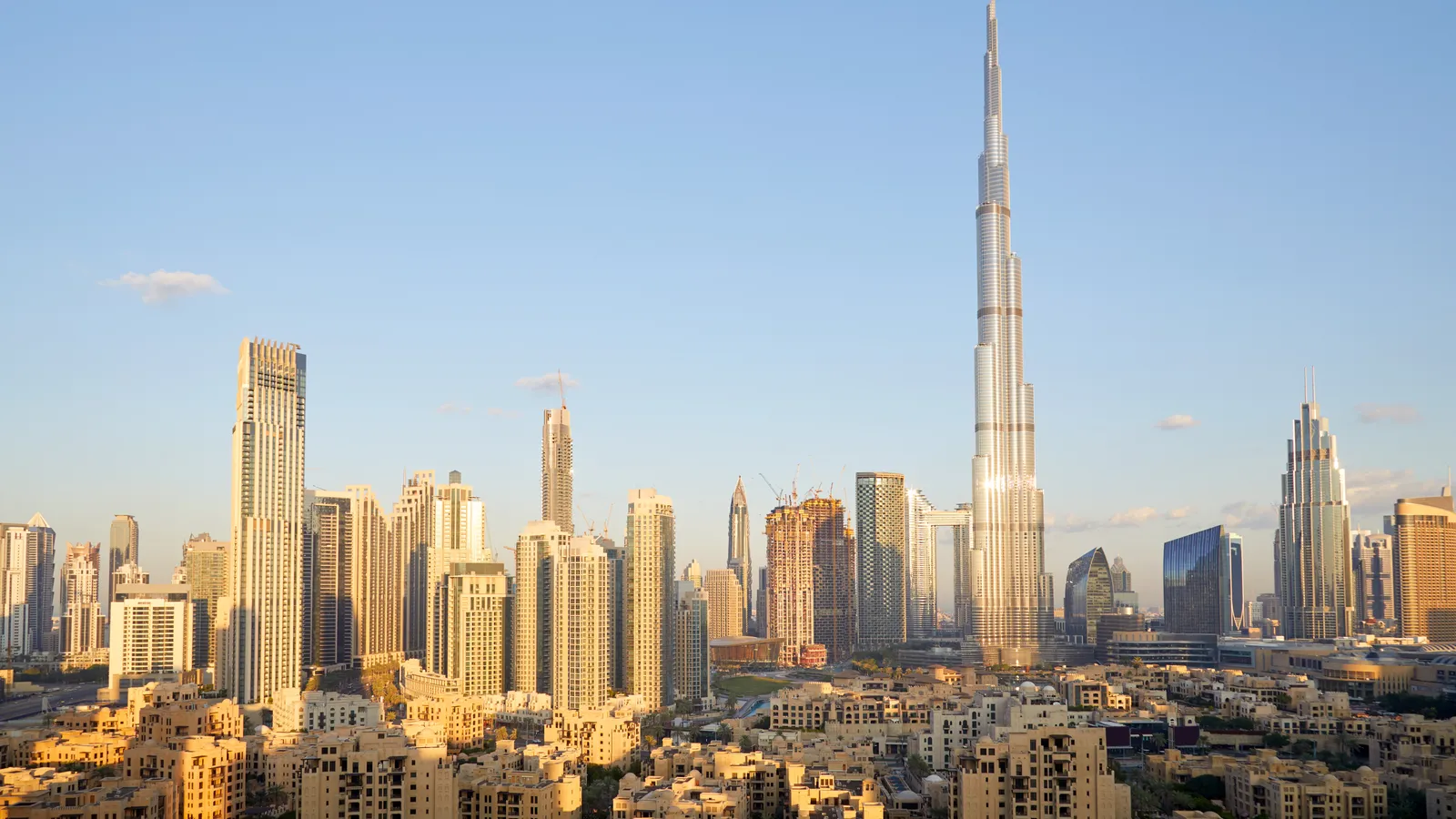
A Dubai mainland trade license allows businesses to engage in wider commercial activities and provides permission to conduct business operations throughout the entire UAE market [7]. This means a single Dubai license issued by the Department of Economy and Tourism (DET) enables operational reach to Abu Dhabi, Sharjah, Ajman, Umm Al Quwain, Ras Al Khaimah, and Fujairah without additional licensing [7].
Dubai mainland licenses start from AED 18,500 and vary depending on your business activity classification [7].
Abu Dhabi Cross-Emirate Operations
Abu Dhabi has recently introduced unified classification frameworks for certain business sectors [8]. The Department of Municipalities and Transport (DMT) and Abu Dhabi Global Market (ADGM) have collaborated to create streamlined licensing for engineering firms and related professions that operate across Abu Dhabi's mainland and special economic zones.
A mainland license issued by the Abu Dhabi Department of Economic Development allows operations across all seven emirates, similar to Dubai, though some specialized sectors may have additional requirements.
Want a clear, no-obligation plan for your Dubai setup? Our advisors map the right structure, costs, and timeline for your goals.
Get a free consultation→Free Zone Specific Jurisdictions: RAKEZ, AJMAN, DMCC, JAFZA, SHAMS Sharjah
RAKEZ (Ras Al Khaimah Economic Zone)
RAKEZ companies historically operated only within the zone's boundaries [9]. Under 2026 rules, RAKEZ-licensed businesses can now establish mainland branches in other emirates, though this requires separate approvals from the target emirate's authority.
Ajman Free Zone
The Ajman Free Zone maintains strict territorial jurisdiction over its licenses [9]. Businesses must obtain additional mainland licenses to operate beyond the free zone, even in neighboring emirates like Sharjah or Umm Al Quwain.
DMCC (Dubai Multi Commodities Centre)
DMCC is one of Dubai's largest free zones and operates under separate regulations from the mainland [9]. DMCC-licensed companies can trade on mainland Dubai through the new 2026 licensing framework but still require additional approvals for other emirates.
JAFZA (Jebel Ali Free Zone)
JAFZA companies follow similar cross-emirate rules as other free zones [9]. The zone maintains its own licensing authority, and mainland expansion requires separate applications and compliance steps.
SHAMS Sharjah
SHAMS offers free zone benefits with unique advantages for Sharjah operations [9]. Like other zones, it requires additional licensing for inter-emirate expansion, though proximity to other northern emirates can simplify some logistical aspects.
Commercial License Jurisdiction Rules: What Activities Count as "Operating"
A critical question for multi-emirate businesses: what activities trigger the need for a license in another emirate? [10]
Simply having customers or clients in another emirate does not require a separate license if the work is performed from your licensed office [10]. However, establishing a physical presence—such as an office, warehouse, showroom, or service center—in another emirate triggers licensing requirements in that emirate [10].
| Activity Type | Requires License in Other Emirate | Notes |
|---|---|---|
| Selling services to customers in other emirates | No | Work performed from licensed office location |
| Selling goods to customers in other emirates | Depends | B2B wholesale may not require separate license; B2C retail often does |
| Opening a physical office/branch | Yes | Branch license required from target emirate |
| Operating a warehouse/storage facility | Yes | Must have separate license for facility location |
| Employing staff in another emirate | Yes | Employment location requires local compliance |
| Remote digital services delivery | No | As long as no physical footprint exists |
The New Mainland Expansion Rules for Free Zone Companies (March 2026 Deadline)
Under regulations finalized in 2025, free zone companies can now access mainland markets through several pathways [5]:
Branch License Option: Obtain a one-year renewable branch license from the target emirate's authority, granting permission to conduct the same activities as in the free zone [5].
Temporary Permit Option: Apply for a temporary permit valid up to six months for specific activities [5]. This is useful for pilot projects or limited-duration operations.
Preservation of Legal Status: Unlike previous restructuring approaches, companies retain their legal identity, contracts, and obligations with no need to reincorporate [5].
Pro Tip: If you are a free zone company planning mainland expansion by the March 2026 deadline, initiate your applications immediately. Processing times vary by emirate and activity sector, and delays could result in non-compliance penalties or operational disruptions.
Activity Approval and License Specificity
A critical point often overlooked: your trade license lists specific approved activities, and you cannot conduct business outside those approved activities in any emirate [10]. Each emirate's authority reviews and approves activity categories independently [10].
If your approved activities in Dubai include "General Trading" but not "Retail Sales," you cannot open a retail storefront in Abu Dhabi. You must modify your activity classification in each emirate where you operate.
This requires submitting activity modification requests to each emirate's Department of Economy and Tourism, which can add 5-10 days to your expansion timeline.

Case Study: Innovative Logistics Solutions
Innovative Logistics Solutions was established as a free zone company in RAKEZ in 2019, providing specialized cargo handling services. For six years, they operated successfully within the zone but faced pressure to expand into mainland markets, particularly in Dubai and Abu Dhabi where major logistics hubs existed.
In early 2026, they applied for dual licensing, obtaining a mainland license in Abu Dhabi while retaining their RAKEZ operation. They established a branch office in Abu Dhabi's Industrial City with separate financials for mainland operations. The entire process took 22 days and cost approximately AED 45,000.
Within three months, their mainland revenue exceeded their free zone operations. They later added a Dubai mainland branch, allowing them to service customers across three emirates with coordinated operations.
Financial and Compliance Implications of Multi-Emirate Operations
When operating across multiple emirates or under dual licenses, maintain separate financial records for each jurisdiction [5]. This is not optional compliance—regulatory authorities specifically require distinct accounting for free zone versus mainland operations.
Many businesses underestimate the administrative burden of multi-emirate operations. Each emirate has different tax compliance requirements, VAT implications, and reporting standards. Free zone operations typically have more favorable tax treatment, while mainland operations face different cost structures.
Professional accounting support becomes almost essential when managing 700+ transactions monthly across different emirates, as tracking and compliance complexity grows exponentially.
Still weighing your options? Talk to our business-setup experts and get tailored advice for your situation.
Talk to an expert→Transferring Between Emirate Jurisdictions
As of January 2026, the UAE Commercial Companies Law now permits companies to transfer registration between emirates and between free zones and the mainland without loss of legal personality [11]. This is a significant development that previously required full restructuring.
A company can move from a Dubai free zone to Abu Dhabi mainland while retaining its legal contracts, employee agreements, and operating history. The transfer process takes approximately 10-15 days and requires approvals from both source and destination authorities.
Common Mistakes When Pursuing Multi-Emirate Operations
Common Mistake #1: Assuming a Dubai free zone license grants operational rights in Sharjah or Ajman. Free zone licenses remain zone-specific and emirate-specific. You cannot legally conduct business in another free zone or on another emirate's mainland without separate licensing.
Common Mistake #2: Overlooking activity classification. Your business activities must be explicitly approved in each emirate. A "General Trading" license in Dubai may not translate to identical classification in Abu Dhabi, requiring additional amendment applications.
Common Mistake #3: Not obtaining Chambers of Commerce and Industry memberships in each emirate where you operate. While not always legally mandatory, membership is often expected and can streamline business relationships and regulatory interactions.
Eitimad License and Special Category Exceptions
UAE entrepreneurs should be aware of special license categories that do permit multi-emirate operation from issuance. The Eitimad license, for example, is designed to allow holders to work across all other emirates [1]. This is a specialized category not widely promoted but valuable for qualifying business types.
Eligibility for Eitimad and similar special licenses varies by emirate and business sector. Consult with your emirate's Department of Economy and Tourism to determine if your business qualifies for such streamlined multi-emirate authorization.
When to Use a Mainland Company vs. Free Zone Plus Mainland Expansion
Your business structure choice depends on several factors:
Choose a Mainland Company If:
- You need immediate multi-emirate operational rights
- Your business model requires frequent client visits across emirates
- You do not require 100 percent foreign ownership
- You operate in sectors where mainland licensing is standard
- You want to avoid dual compliance and accounting complexity
Choose Free Zone Plus Mainland Expansion If:
- You require 100 percent foreign ownership
- You want to benefit from free zone tax advantages initially
- You operate in import-export or commodity trading
- You need to scale operations gradually as you validate markets
- You prefer establishing mainland presence only where economically necessary

Step-by-Step: How to Expand a Free Zone Company to Another Emirate
- Confirm Current Activity Classification: Obtain your current free zone trade license showing approved activities.
- Identify Target Emirate: Determine which mainland emirate and specific locations you need to operate in.
- Research Mainland Requirements: Contact the target emirate's Department of Economy and Tourism for specific licensing requirements for your activity sector.
- Prepare Documentation: Gather your free zone license, passport copies, address verification, office lease, and bank statements.
- Submit Mainland License Application: Apply for a branch license or temporary permit through the target emirate's online portal or in person.
- Secure Physical Office Space: Ensure a registered office lease in the target emirate before approval finalization.
- Obtain Approvals: Receive mainland license issuance and, if required, Chambers of Commerce registration.
- Set Up Separate Accounting: Establish distinct financial records and accounting systems for mainland operations.
- Update Insurance and Compliance: Adjust business insurance, labor compliance, and regulatory registrations for multi-jurisdictional operations.
- Begin Operations: Start conducting approved business activities under your new mainland license.
Ready to move forward? We handle licensing, visas, banking, and compliance so your launch is smooth.
Get started free→Costs and Timeline Summary for Multi-Emirate Licensing
| Licensing Scenario | Estimated Cost (AED) | Processing Time | Additional Considerations |
|---|---|---|---|
| Single Mainland License (Initial) | 18,500-35,000 | 7-14 days | Varies by activity classification |
| Free Zone + Mainland Dual License | 40,000-70,000 | 15-30 days | Requires separate financial accounting |
| Additional Branch Office (Second Emirate) | 25,000-45,000 | 10-20 days | Requires physical office lease |
| Each Additional Branch (Third+ Emirate) | 20,000-40,000 | 7-15 days | Faster processing after first branch |
| Activity Classification Modification | 3,000-8,000 | 5-10 days | May be needed per emirate |
Professional Services for Multi-Emirate Business Setup
Managing multi-emirate operations requires specialized knowledge of each emirate's regulations, relationship with local authorities, and experience with cross-jurisdictional compliance. Most successful businesses working across emirates use professional setup and consultancy services.
Professional consultants can streamline your timeline by 40-50 percent and help avoid costly compliance mistakes. They maintain relationships with all major emirate licensing authorities and understand sector-specific requirements.
Visit our professional services page to connect with experienced consultants specializing in multi-emirate business operations.
Getting Started: Resources and Next Steps
For detailed information on specific business structures, explore our guides:
- Free Zone Company Setup Guide - Understand free zone advantages and limitations
- Mainland Company Setup Guide - Complete process for mainland registration
- Dual Licensing in the UAE: Complete Guide - Detailed dual license mechanics and benefits
- Opening a Branch Office Across Emirates - Branch registration step-by-step guide
Frequently Asked Questions
Can I use my Dubai mainland license to operate in Abu Dhabi?
Yes. A Dubai mainland trade license issued by the Department of Economy and Tourism grants operational rights across all seven emirates, including Abu Dhabi, without requiring a separate Abu Dhabi license. However, local compliance such as office registration and sectoral permits may still be required in the jurisdictions where you physically operate.
Do I need a separate license for each emirate if I sell products online?
No. If you conduct all operations from your licensed office location and only ship products to other emirates via e-commerce, you do not need separate licenses in other emirates. Your mainland or free zone license covers these activities. However, VAT and tax compliance obligations may vary by emirate for your buyers.
What is the March 2026 deadline for free zone companies?
All free zone companies conducting any business activities on mainland areas must have obtained either a branch license or temporary permit by March 2026. Free zone companies currently selling to mainland customers without formal licenses must apply immediately or cease mainland sales. Limited grace period extensions may be available in specific cases.
Can a free zone company in Dubai operate in a free zone in Sharjah?
No. Free zone licenses are jurisdictional and zone-specific. A DMCC license covers operations only within DMCC in Dubai. To operate in Sharjah's SHAMS Free Zone, you must obtain a separate SHAMS license. The two licenses cannot be consolidated into one.
Is a branch office more expensive than a mainland license?
No, branch offices are generally less expensive than establishing an entirely new mainland entity. However, a branch office still requires separate licensing, physical office space, and compliance with the emirate's regulations. For simple operations, a branch office costs from AED 25,000 while establishing a new entity with a license costs from AED 40,000 depending on the emirate.
Can I transfer my existing free zone company to mainland status?
Yes. As of January 2026, companies can transfer registration between free zones and mainland without loss of legal personality. Your contracts, employee agreements, and business history remain intact. The process takes 10-15 days and requires approvals from both the free zone authority and the target emirate.
What is an Eitimad license?
Eitimad is a specialized UAE license category that permits holders to work in all emirates without requiring separate licenses in each jurisdiction. It is not widely available for all business types and sectors. Check with your emirate's Department of Economy and Tourism to determine if your business qualifies for this streamlined multi-emirate option.
Do I need different business registrations in each emirate?
It depends on your business structure. A mainland company in one emirate can operate across all emirates with one registration. A free zone company is limited to its zone and emirate and requires additional mainland registrations for cross-emirate operations. Branch offices require separate registration in each emirate where they are established.
References
[1] JB Consultants. "One Trade License for Multiple Emirates in the UAE – Guide." https://www.jbconsultants.ae/can-you-operate-under-one-license-across-multiple-emirates/
[2] RAKEZ. "Dual Licensing in the UAE: How Entrepreneurs Expand Across Emirates." https://rakez.com/en/blog/details/article/216/dual-licensing-in-the-uae-how-entrepreneurs-can-operate-across-the-emirates
[3] Gen Emirates. "Dual License in Dubai: Everything You Need to Know." https://www.gen-emirates.com/en/dual-license-in-dubai-everything-you-need-to-know/
[4] JB Consultants. "Inter-Emirate Operations: How to Legally Conduct Business Across the UAE Borders." https://www.jbconsultants.ae/inter-emirate-business-operations-uae/
[5] Best Ax CA. "How Free Zone Companies Can Operate in UAE Mainland – New Rules (2025)." https://bestaxca.com/free-zone-companies-expand-uae-mainland/
[6] Business Setup Experts. "Master UAE Branch Licensing: Cost, and Setup Steps." https://businesssetupexperts.com/branch-licence-uae-guide/
[7] Hope Ventures. "How to Get UAE Mainland Business License 2026." https://hvuae.com/uae-mainland-business-license/
[8] Travel's Dubai. "New Abu Dhabi framework allows seamless licensing for engineering firms emirate-wide." https://www.travelsdubai.com/25-Mar-2026/abu-dhabi-rolls-unified-engineering-classification-system-across-adgm-mainland
[9] UAE Free Zones. "UAE Free Zones: Benefits, Types, and Setup Guide 2024." https://www.signzy.com/blogs/trade-license-types-uae
[10] Legarithm. "UAE business license - 2025 BEST Guide." https://legarithm.io/jurisdiction/uae/business-license/
[11] Legal 500. "The UAE's 2025 Overhaul of the Commercial Companies Law: What companies Need to Know." https://www.legal500.com/developments/thought-leadership/the-uaes-2025-overhaul-of-the-commercial-companies-law-what-companies-need-to-know/