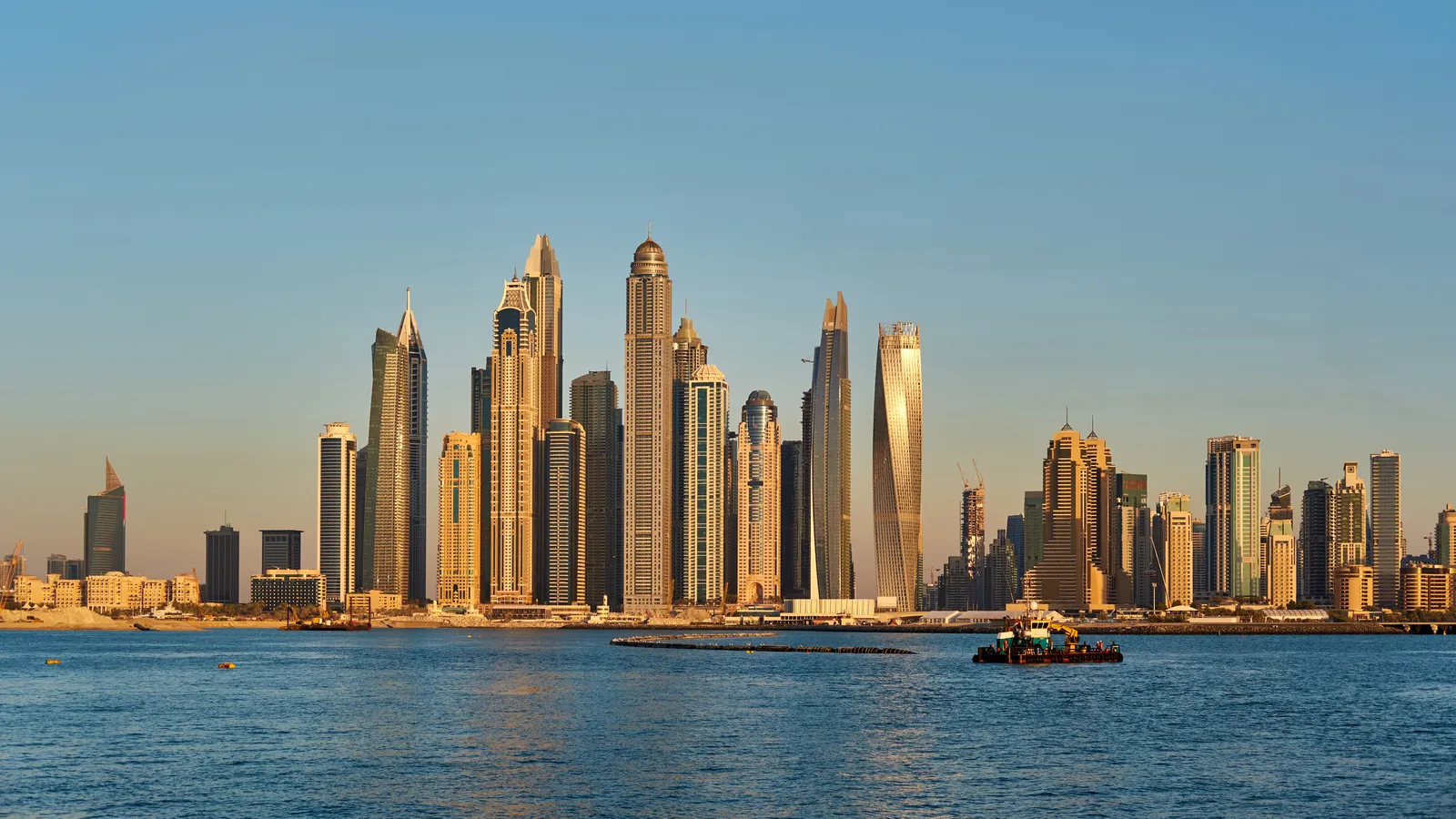
India has sent more entrepreneurs to Dubai than any other nation. In the first nine months of 2024 alone, 12,142 new Indian companies registered in Dubai, representing 21.5% of all foreign direct investment entering the emirate that year [1]. If you're an Indian entrepreneur exploring a business setup for Indian entrepreneurs in Dubai, you're joining one of the fastest-growing entrepreneurial communities in the world.
Dubai has become the default choice for Indian business owners because of three things: zero personal income tax, the fastest business registration timelines anywhere (1-3 weeks for free zones), and access to 100% foreign ownership in most sectors. But navigating the actual process—from choosing between mainland and free zone, to securing the right visa, to understanding your tax obligations under the India-UAE Double Tax Avoidance Agreement—requires real detail, not marketing fluff.
From our experience helping Indian entrepreneurs set up across every free zone and mainland jurisdiction in Dubai since 2013, we know what works and what doesn't. This guide walks you through the exact costs in AED, the timelines you'll actually experience, and the decision points that will define your first year. You'll also learn how India-UAE trade agreements and the DTAA can save you 30-40% on taxes compared to running the same business in India.
Why Dubai Works for Indian Entrepreneurs Right Now
The India-UAE bilateral trade relationship has fundamentally changed the business case for Indian entrepreneurs. In FY 2024-25, bilateral trade hit USD 100.06 billion, a 19.6% increase from the previous year [2]. Both governments have committed to doubling this to USD 200 billion by 2032. That growth doesn't happen without infrastructure, legal clarity, and opportunity.
Here's what makes the moment unique for you:
- Zero personal income tax: Salary earned in Dubai is not taxed, versus progressive slabs of 5-30% in India depending on your income bracket.
- Corporate tax holiday on small profits: If your company earns below AED 375,000 (roughly ₹84 lakh) per year, you pay 0% corporate tax. Above that threshold, the rate is 9%, versus 25-30% in India [3].
- DTAA protection on repatriation: Profits you send back to India are taxed at only 10% withholding (versus 30% standard rate), thanks to the Double Tax Avoidance Agreement [3].
- CEPA trade benefits: The India-UAE Comprehensive Economic Partnership Agreement eliminates tariffs on 80% of goods and provides automatic pharmaceutical registration in 90 days [4].
- 4.36 million Indian expats: The Indian community in UAE represents 38% of the population. You'll have instant cultural familiarity, established supply chains, and a network ready to support your business.
Add this up: a business that generates ₹50 lakh in profit saves roughly ₹15-20 lakh annually in taxes by being based in Dubai rather than India. That's enough cash to reinvest in growth, pay down debt, or reward yourself for building something real.
Free Zone vs. Mainland: Which Path Fits Your Business?
The first decision is architectural. Are you setting up a free zone business or mainland company? The answer depends on where you want to trade and how much complexity you're willing to tolerate.
Free Zone Setup
A free zone is a designated area where 100% foreign ownership is allowed, import/export is duty-free, and you can operate tax-efficiently. The trade-off: you can only conduct business within the free zone's jurisdiction. You cannot sell directly to mainland consumers or other free zones.
Advantages:
- 100% foreign ownership with no local sponsor required.
- Fastest registration (1-3 weeks; some zones issue licenses in 24-72 hours).
- Duty-free imports and re-exports.
- 0% tax on qualifying income.
- Straightforward visa sponsorship for employees.
- No local service agent fees required.
Disadvantages:
- Cannot service mainland clients directly; you must use a distributor or local agent if you want to reach the broader UAE market.
- Higher office rental (free zones charge fixed rates for space packages).
- More limited if your business model requires geographic flexibility.
Popular free zones for Indian entrepreneurs:
- Meydan Free Zone: Most popular with Indian traders and import-export businesses. Cost starts at AED 12,500 for the trade license plus office rental (from AED 5,000/year).
- DMCC (Dubai Multi-Commodities Centre): Best for jewelry, textiles, and bulk commodities. Cost starts at from AED 10,000 plus office.
- Dubai CommerCity: Dedicated to e-commerce. Cost from AED 5,000/year depending on activity type.
- IFZA (International Free Zone Authority): Second-largest free zone; supports startups. Flexible costing, from AED 8,000.
Mainland Setup
A mainland business operates anywhere in the UAE and internationally. You can sell to consumers in Dubai, Abu Dhabi, and beyond without intermediaries. But mainland setup has historically required a local sponsor (UAE national) to own 51% of your company.
That's changing. In 2020, the UAE introduced Commercial Companies Law amendments allowing 100% foreign ownership in most mainland sectors for specific activities. The list is extensive (accounting, consulting, real estate, e-commerce, software development, and 50+ others), but some regulated sectors still require local participation.
Advantages:
- Unrestricted market access across all UAE emirates and internationally.
- 100% foreign ownership now possible in most sectors.
- Professional services (consultancy, engineering, accounting) don't require local sponsor.
- Better for B2C businesses and service providers.
- Perceived as more credible for large client contracts.
Disadvantages:
- Higher initial cost (from AED 25,000 first year).
- Longer setup (7-14 days for standard activities; 4-8 weeks for regulated sectors).
- Requires office space lease in most cases (cannot use virtual office).
- Annual sponsorship fees higher (from AED 10,000 depending on activity).
Quick Comparison Table
| Factor | Free Zone | Mainland |
|---|---|---|
| Ownership | 100% foreign, no sponsor | 100% foreign (most sectors); some need local sponsor |
| Setup Cost (Year 1) | AED 5,555-12,900 license + AED 5,000-15,000 office | AED 25,000-75,000+ |
| Setup Timeline | 1-3 weeks | 7-14 days (standard); 4-8 weeks (regulated) |
| Market Access | Within zone only; need distributor for mainland | All of UAE + international |
| Office Space | Fixed packages; AED 5,000-15,000/year | Market rent; typically AED 10,000-50,000+/year |
| Tax on Profits | 0% on qualifying income | 0% below AED 375,000; 9% above |
| Annual Renewal | AED 6,000-25,000 (including office) | AED 8,000-13,000 |

Exact Costs for Your First Year: A Breakdown by Scenario
Let's talk real money. Here are the actual costs Indian entrepreneurs face, broken down by business type and structure.
Free Zone E-Commerce Business (Dropshipping)
Setup Scenario: You're starting a dropshipping business selling fashion and beauty products through your own website and Noon/Amazon.ae.
- Trade License (DMCC or CommerCity): from AED 5,000
- Office Space (Shared desk/Flexi): AED 5,000/year
- Business Bank Account Setup: Free (no fees for business accounts in most banks)
- Visa Sponsorship (1 person): from AED 3,500
- Emirates ID + Medical: from AED 500
- Domain + Website Setup: from AED 1,500 (one-time)
- PRO Services (if outsourced): from AED 1,000
Total First Year: from AED 20,500 (approximately ₹4.6 lakh-₹7.3 lakh)
Year 2 Onwards: from AED 10,000 (license renewal + office, no visa/setup costs)
Free Zone Trading Business (Import-Export)
Setup Scenario: You're importing textiles from India and selling to retailers across the GCC region.
- Trade License (Meydan FZ): AED 12,500
- Office Space (500 sqft warehouse area): AED 8,000/year
- Visa Sponsorship (2 people): from AED 7,000
- Emirates ID + Medical (2 people): from AED 1,000
- Documentation Attestation (from India): from AED 1,500
- PRO Services: from AED 1,500
- Insurance (Trade liability): from AED 2,000/year
Total First Year (excluding working capital for inventory): from AED 26,750 (approximately ₹6 lakh-₹8.6 lakh)
Year 2 Onwards: from AED 10,000 (renewal + maintenance)
Mainland Consultancy/Professional Services
Setup Scenario: You're offering IT consulting, business advisory, or accounting services to clients across Dubai and Abu Dhabi.
- Trade License (DED, Dubai): from AED 2,000
- Office Space (500 sqft, Business Bay area): from AED 3,000/month = from AED 36,000/year
- Professional License (if required): from AED 5,000
- Visa Sponsorship (1 person): from AED 3,500
- Emirates ID + Medical: from AED 500
- Professional Liability Insurance: from AED 3,000/year
- MOA & Ejari Registration: from AED 500
Total First Year: from AED 50,500 (approximately ₹11.3 lakh-₹20 lakh)
Year 2 Onwards: from AED 44,000 (office rent + license renewal, no setup fees)
Free Zone F&B (Restaurant/Cafe)
Setup Scenario: You're opening an Indian casual dining restaurant in a free zone mall.
- Trade License: from AED 5,000
- Food Safety Certificate: from AED 2,000
- Health Permit + Inspections: from AED 1,500
- Lease Space (1,200 sqft restaurant): from AED 15,000/year
- Kitchen Equipment & Setup: from AED 30,000 (one-time capital)
- Visa Sponsorship (2 people): from AED 7,000
- Insurance (Liability + Equipment): from AED 4,000/year
Total First Year (excluding inventory): from AED 64,500 (approximately ₹14.5 lakh-₹31 lakh)
Working Capital (Initial inventory, supplies): from AED 20,000 additional
The Visa Question: Which Residency Visa Fits Your Timeline?
You won't run your business from India. You need to be in Dubai. That means a residency visa. There are four main options for Indian entrepreneurs, each with different investment requirements and timelines.
Free Zone Entrepreneur Visa (3-Year)
This is the most common path. The free zone authority that issues your business license automatically sponsors a 3-year residency visa.
Requirements:
- Registered trade license in a free zone.
- Minimum capital investment (varies by zone, typically from AED 20,000).
- Valid passport (6+ months remaining).
- Medical fitness certificate (TB and HIV screening).
Timeline: 5-7 working days standard; 48 hours for express processing.
Cost: Included in your business setup (no separate visa fee).
Family Sponsorship: You can sponsor spouse (requires marriage certificate) and children under 25 (sons) or any age (daughters). Income requirement: AED 4,000/month for male sponsors, AED 10,000/month for female sponsors [5].
Green Visa (5-Year)
Introduced in 2021, the Green Visa is for investors and entrepreneurs who want long-term residency without a local employer.
Requirements:
- Business ownership or investment stake in UAE company.
- Minimum investment/capital (varies; typically from AED 100,000).
- Business plan and proof of funds.
- Medical fitness and background check.
Timeline: 5-7 working days.
Cost: from AED 5,000 (visa application fee).
Flexibility: Can sponsor your entire family immediately. Extended grace periods up to 6 months if residence visa is not renewed on time.
Golden Visa (10-Year)
For established entrepreneurs or significant investors. Rarely needed for a startup, but worth knowing if you plan to scale.
Requirements:
- AED 2 million+ investment in real estate or business, or
- Business ownership with proven income/sustainability, or
- Founder of recognized UAE startup.
- Background check and health insurance.
Timeline: 2-4 weeks.
Cost: from AED 5,000 (application fee).
Decision: Which Visa Should You Choose?
Choose Free Zone Entrepreneur Visa if: You're setting up a free zone business and want the simplest, fastest, least expensive path. Most Indian entrepreneurs start here.
Choose Green Visa if: You want flexibility to work across free zones and mainland, or you're planning significant family expansion and want extended grace periods.
Choose Golden Visa if: You're planning to invest AED 2 million+, or you have an established business generating significant income that can demonstrate sustainability.
Want a clear, no-obligation plan for your Dubai setup? Our advisors map the right structure, costs, and timeline for your goals.
Get a free consultation→Step-by-Step Setup Timeline: From Application to Operations
Here's what a realistic timeline looks like. We're showing a free zone setup, which is faster, followed by visa processing.
Week 1: Documentation & Preparation (Before Arriving in Dubai)
Days 1-3:
- Gather documents: Passport (color copy), educational certificates, bank statements showing capital, proof of address in India.
- Get Notarization of passport and educational certificates from notary public in India.
- Submit documents for Ministry of External Affairs (MEA) attestation.
- Cost: INR 5,000-10,000; Timeline: 5-7 days.
Days 4-7:
- Once MEA attestation is complete, get UAE Embassy attestation in New Delhi (or relevant Indian city).
- This is the final stamp validating your documents for Dubai use.
- Cost: INR 2,000-5,000; Timeline: 3-5 days.
- Once complete, you're document-ready to enter Dubai.
Pro Tip: Start this process 2-3 weeks before you plan to arrive in Dubai. Don't wait to be in Dubai to handle documentation.
Week 2: Arrival & Free Zone Application (Days 8-14)
Day 8 (Arrival):
- Land in Dubai on your visit visa (most Indians get 30-day visit visa on arrival).
- Check into temporary accommodation (hotel or serviced apartment, from AED 80/night).
- Contact your chosen free zone. Book appointment with business setup consultant.
Days 9-10:
- Meet with free zone representative. They'll confirm your business activity code and eligibility.
- Submit all attested documents + completed forms.
- Pay trade license fee (from AED 5,555 depending on zone).
- Nominate office space (you'll pay office rental separately, usually from AED 5,000/year, payable upfront).
Days 11-14:
- Free zone processes application internally.
- You'll receive email approval (Approval in Principle).
- Trade license is issued (physical or digital depending on zone).
- You can now proceed to visa sponsorship.
Week 3: Visa Sponsorship & Bank Account (Days 15-21)
Days 15-17:
- Your free zone provides visa sponsorship application to General Directorate of Residency & Foreigners Affairs (GDRFAD).
- You submit visa application online (or through visa center) along with documents: passport, medical test (conducted at approved center in Dubai; from AED 300), and photographs.
- Cost: from AED 3,500
Days 18-21:
- Standard processing: Residence visa stamped into passport (5-7 working days). You can begin working immediately once visa is stamped.
- Express option available: Visa issued in 48 hours (additional AED 500 fee).
- Once you have residence visa, visit nearest GDRFAD office to apply for Emirates ID. Processing: 1-2 weeks. Cost: from AED 100
Weeks 3-4: Bank Account & Operations Ready (Days 21-28)
Days 22-25:
- With residence visa in hand, approach UAE bank (Emirates NBD, Bank of Baroda, FAB, etc.). Most Indian entrepreneurs prefer Emirates NBD or BoB for Indian expat-friendly services.
- Required documents: Passport, residence visa, trade license, MOA (Memorandum of Association from free zone), business plan.
- Bank will conduct AML (Anti-Money Laundering) check. Processing: 3-5 working days.
- Account opened. You can deposit capital, receive payments, process transactions.
Days 26-28:
- Office is setup (you should have signed Ejari agreement with landlord for office space). Ejari registration cost: from AED 170
- You're operational. Begin hiring staff, contacting customers, buying inventory, whatever your business model requires.
Total Timeline from application to operations: 3-4 weeks (free zone path)
Mainland Timeline (for comparison): 7-14 days faster for standard activities, but office lease and sponsorship fees are much higher
Tax Advantages: Real Money Saved With India-UAE DTAA
The Double Tax Avoidance Agreement (DTAA) between India and UAE is the financial reason most Indian entrepreneurs choose Dubai. Let's work through three realistic scenarios to show the actual rupee savings.
Scenario 1: Consulting Business, ₹50 Lakh Profit
If based in India:
- Corporate tax: 25% + surcharge = 27% = ₹13.5 lakh
- Personal income tax (if you take it as salary): 20-30% depending on tax slab = ₹10-15 lakh
- Total tax: ₹23.5-28.5 lakh (~47-57% of profit)
If based in Dubai:
- Corporate tax: 0% (profit below AED 375,000 threshold) = AED 0
- Personal salary: 0% income tax in UAE = AED 0
- Dividend repatriation to India: 10% withholding under DTAA = ₹5 lakh
- Total tax: ₹5 lakh (~10% of profit)
Annual Savings: ₹18.5-23.5 lakh per year
Scenario 2: Trading Business, ₹1 Crore Profit
If based in India:
- Corporate tax: 25-27% = ₹25-27 lakh
- Personal income tax on distributions: 20-30% = ₹20-30 lakh
- Total tax: ₹45-57 lakh (~45-57% of profit)
If based in Dubai (assuming profit is AED 375,000+):
- Corporate tax: 9% on amount exceeding AED 375,000 (using AED 375,000 = ₹84 lakh as threshold; excess is ₹16 lakh): 9% = ₹1.44 lakh
- Personal salary: 0% = AED 0
- Dividend repatriation: 10% withholding = ₹10 lakh
- Total tax: ₹11.44 lakh (~11% of profit)
Annual Savings: ₹33.56-45.56 lakh per year
Scenario 3: E-Commerce Business, ₹2 Crore Profit
If based in India:
- Corporate tax: 27% = ₹54 lakh
- Personal distributions: 20-30% = ₹40-60 lakh
- Total tax: ₹94-114 lakh (~47-57% of profit)
If based in Dubai:
- Corporate tax: 9% on amount above AED 375,000 = ~₹17.1 lakh
- Personal salary: 0%
- Dividend repatriation: 10% = ₹20 lakh
- Total tax: ₹37.1 lakh (~18.5% of profit)
Annual Savings: ₹56.9-76.9 lakh per year
Key Takeaway: These savings are not hypothetical. They're built into the structure. The DTAA ensures India doesn't double-tax income already taxed in UAE. This is why Indian entrepreneurs with significant profits can reinvest or distribute at roughly one-third the tax cost compared to India.
Understanding CEPA: The Trade Agreement That Changes Everything for Traders and Manufacturers
The India-UAE Comprehensive Economic Partnership Agreement (CEPA) took effect May 1, 2022. For entrepreneurs in specific sectors, it's game-changing. It eliminates tariffs on 80% of goods traded between India and UAE, with remaining tariffs phased out over 10 years [4].
Who Benefits Most from CEPA?
Pharmaceutical Manufacturers & Exporters
If you manufacture or export medicines, CEPA is your competitive advantage. Indian generic medicines get automatic UAE registration in 90 days if pre-approved by EU, UK, Canada, or Australia. Normally this takes 1-2 years. First-mover advantage in GCC pharmaceutical distribution is massive.
Textile & Apparel Traders
Textiles see tariff elimination on Indian exports. A Dubai-based trader importing Indian textiles and selling into UAE/GCC retail sees margin expansion immediately. Plus, you get duty-free storage in free zones while goods move through distribution channels.
Gem & Jewelry Businesses
Gems and jewelry imports from India now get zero tariffs. If you're running a trading operation or retail presence in Dubai, cost of goods drops while you can maintain margin.
Engineering Goods & Auto Parts
Significant tariff reductions on Indian auto components, electrical goods, and machinery. If you're sourcing from India and distributing across GCC, CEPA cuts your import costs.
Food & Agricultural Products
Fresh produce, spices, processed foods see preferential tariff treatment. Indian F&B entrepreneurs supplying restaurants, retailers, or food service benefit immediately.
How CEPA Affects Your Margins
Example: Textile Importer
- Pre-CEPA: Cotton fabric from India, import duty 5%, landed cost AED 100 per unit.
- Post-CEPA: Same fabric, import duty 0%, landed cost AED 95 per unit.
- Retail price in Dubai stays at AED 150. Your margin improves by AED 5 per unit = 5-10% margin expansion depending on volume.
At 1,000 units/month, that's AED 5,000 extra profit monthly = AED 60,000/year on the same business.
Still weighing your options? Talk to our business-setup experts and get tailored advice for your situation.
Talk to an expert→Banking & Remittance: How to Move Money Back to India
You'll earn AED. You'll want to move some back to India. Here's exactly how it works and what it costs.
Opening a Business Bank Account
Timeline: 3-5 working days after visa approval
Required Documents:
- Passport + residence visa (both original and copies)
- Trade license (original + copy)
- Memorandum of Association (MOA) from free zone or DED
- Business plan with 1-2 year projections
- Proof of address in Dubai (lease agreement for office space)
- Proof of source of funds (bank statement from India showing initial capital)
Banks Most Friendly to Indian Entrepreneurs:
- Emirates NBD: Largest bank in UAE. Excellent remittance rates to India. Free salary transfers to India for select accounts. Well-known for supporting Indian expats.
- Bank of Baroda (UAE): Indian bank operating in UAE. Special accounts for Indian nationals. Free transfers to India. Preferred by many Indian business owners.
- Mashreq Bank: Strong remittance services. Competitive exchange rates. Good digital banking platform.
- FAB (First Abu Dhabi Bank): Large, stable, good for trading accounts if you're doing high-volume transactions.
Account Type for Business Owners: Business Current Account
- Monthly fee: from AED 300 (varies by bank)
- Transaction charges: Free for first 20-50 transactions (depending on bank); from AED 10 per transaction beyond that
- Cheque facility available but rarely needed
- Online banking included
- Minimum balance requirement: from AED 10,000 depending on bank
Remitting Profits Back to India
Option 1: Wire Transfer Through Your Bank
- Process: Log into online banking, initiate international transfer, provide SWIFT code of Indian bank, beneficiary account details, amount.
- Timeline: 5-7 business days.
- Exchange Rate: Live market rate (varies, typically AED 1 = INR 22.5-23).
- Bank Fees: from AED 50 flat fee + percentage charge (0.1-0.25%).
- Total for AED 100,000 transfer: AED 100,000 = ~INR 23 lakhs; Bank fee
AED 100 (₹2,300). Net received in India: ~₹22.97 lakhs.
Option 2: Wage Protection System (WPS) / Salary Transfer
If you pay yourself a salary from your business, you can use the WPS system (mandatory for all private sector salary payments). Some banks offer free India transfers via WPS.
- Timeline: Same day to next day (via WPS is faster than wire transfer)
- Cost: Free with many banks (Emirates NBD, BoB) if using their WPS partner bank
- Limit: No limit; as much as you salary yourself
Option 3: NRE Account in India
As a Non-Resident External (NRE) account holder, you can deposit AED earnings tax-free in India.
- Setup: Open NRE account with Indian bank while in India or through their UAE branch
- Deposits: Unlimited, fully repatriable
- Interest Income: 100% tax-exempt
- Ideal For: Long-term savings or business emergency funds
Real Talk: Most Indian entrepreneurs in Dubai transfer profits quarterly or annually. A ₹50 lakh business profit transferred once per year costs ~₹1,000-2,000 in bank fees. The tax savings (from 10% DTAA rate vs. 30%+ in India) more than cover this.
Family Sponsorship: Bringing Your Spouse and Children to Dubai
One of the big draws of Dubai is that you can sponsor family. Here's exactly how the process works and what income you need to prove.
Who Can You Sponsor?
- Spouse: Any age. Requires marriage certificate.
- Children: Sons until age 25, daughters any age.
- Parents: On a yearly renewable basis (requires higher income threshold).
Income Requirements
These are the minimum monthly salaries you must receive (or show in business profits converted to equivalent salary) to sponsor family [5]:
- Sponsoring spouse only: AED 4,000/month (male sponsor) or AED 10,000/month (female sponsor)
- Sponsoring spouse + 1 child: AED 5,000/month (male) or AED 13,000/month (female)
- Sponsoring spouse + 2 children: AED 6,000/month (male) or AED 16,000/month (female)
- Sponsoring spouse + 3 children: AED 7,000/month (male) or AED 19,000/month (female)
Alternative: AED 3,000/month + proof of accommodation (free housing provided by employer or lease in your name) works for male sponsors sponsoring spouse + children.
The Process
Step 1: Get Your Own Residence Visa (Week 3-4 of setup)
You must have a valid residence visa in your passport before sponsoring anyone.
Step 2: Apply for Family Visas (Within 60 Days of Your Visa Approval)
You must apply within 60 days of getting your residence visa. After 60 days, you'll face bureaucratic delays.
Step 3: Gather Required Documents
- Attested marriage certificate (for spouse)
- Attested birth certificates (for children)
- Passports of family members
- Medical fitness certificates (TB and HIV screening for anyone 18+)
- Bank statements showing your income for 3 months (salary or business profit)
- Trade license / employment contract proving your income
Step 4: Submit Through GDRFAD or Visa Center
- Visit nearest GDRFAD center or authorized visa center
- Pay visa fee per family member: from AED 3,500 per person
- Processing: 5-7 working days standard; 48 hours express available
Step 5: Medical Tests
Your family members must pass medical fitness test (TB and HIV screening for 18+). All approved testing centers accept walk-ins. Cost: from AED 300 per person.
Step 6: Visas Issued
Residence visas are stamped in passports. Family can now travel to Dubai. Sponsor and family arrive together, or sponsor arranges accommodation first then family arrives.
Timeline for Full Family Relocation
- Week 1: You land in Dubai, setup free zone business
- Week 3: Your residence visa is approved
- Week 3-4: You apply for family visas (immediately, to beat 60-day deadline)
- Week 4: Family visas approved (5-7 days)
- Week 4-5: Family travels to Dubai
- Total: 4-5 weeks from your departure to full family in Dubai
Children's Education: Quick Overview
Dubai has 200+ schools catering to Indian families. Popular options include:
- CBSE Schools: Gems Education, Indian High School, Al Khaleej School (fees: from AED 15,000/year)
- IB Schools: More expensive but good international reputation (fees: from AED 40,000/year)
- Tuition: Most schools charge registration + annual fees upfront in September
Plan for educational budget as part of your relocation cost. Most families with 1-2 school-age children budget from AED 40,000/year for education.

Ready to move forward? We handle licensing, visas, banking, and compliance so your launch is smooth.
Get started free→Real Client Stories
These are real examples from businesses we've helped set up. Names have been changed for privacy.
Arjun's E-Commerce Business (Dubai CommerCity)
Arjun was a fashion buyer in Mumbai earning ₹40 lakhs/year. He had an idea: sell Indian designer clothing on Noon and Amazon.ae using dropshipping. He contacted us in January and was operational by late February. Setup cost: AED 22,500 (license + office + visa + bank). He obtained his Green Visa (5-year) immediately. Within 3 months, his store hit 50 orders/month and breakeven. By month 6, he was doing ₹12 lakhs revenue/month. Because he's in a free zone, his profits are untaxed. He's now sponsored his wife's visa and is saving approximately ₹8-10 lakhs per year in taxes compared to running the same business in India. His advice: "Start small, test your market, then scale. Dubai's speed of business registration lets you do this in weeks, not months."
Priya's IT Consulting Practice (Mainland, Business Bay)
Priya was an IT project manager earning ₹60 lakhs/year in Bangalore. She decided to start her own consulting firm in Dubai targeting GCC-based companies. She registered a mainland professional services license (cost: AED 58,000 first year including office rent for 12 months). She sponsored her husband's residency (income requirement: AED 5,000/month). Timeline: 6 weeks from decision to first client meeting. Within the first year, her firm had 4 clients generating ₹1.2 crore in annual revenue. Her corporate tax was AED 0 (below ₹375,000 threshold on AED converted). Compared to operating in India, she estimated saving ₹25-30 lakhs in taxes that year. Her advice: "The professional licensing process is straightforward if you have credentials. The bigger win is unrestricted market access across GCC—no client is off-limits because you're in a free zone."
Rajesh's Textile Trading Operation (Meydan Free Zone)
Rajesh had been a textile trader in Ahmedabad for 15 years. He had supplier relationships but wanted to expand to GCC retail chains (Carrefour, Lulu, Sharaf DG). Setting up in Dubai gave him the nexus. Setup cost: AED 19,500 (license + office for 12 months). He sponsored his brother as a co-director for AED 8,500 (visa). Cost to get his Indian documents attested: INR 12,000. Within month 1, he had supplier meetings booked in Dubai. By month 4, Lulu ordered 5,000 units of bed linens. CEPA tariff elimination on Indian textiles meant his cost of goods dropped 5% immediately, expanding margins. Year 1 revenue: ₹4 crore. His tax bill: AED 0 (free zone qualifying income). Estimated tax savings vs. India setup: ₹40-50 lakhs. His advice: "The hard part isn't Dubai—it's finding distribution. Once you're here, you're minutes from the GCC market. Relationships with local distributors become your network."
Compliance: What You Must Do Every Year
Setup is one thing. Staying compliant is another. Here's the exact checklist for every business owner to stay on the right side of regulators.
Annual Compliance Calendar
January-March:
- File annual tax return (deadline: September 30, but filing early avoids rush)
- Commission annual audit (required by most free zones and mainland companies)
- Cost: from AED 5,000 depending on business complexity
- Timeline: 2-4 weeks to complete audit and report
March-June:
- File Ultimate Beneficial Owner (UBO) declaration if required (confirms true ownership for AML compliance)
- Cost: Included in PRO services or from AED 500 if filing directly
- Renew trade license (60-90 days before expiration to avoid penalties)
- Cost: from AED 8,000 (license renewal + office rental for another year)
Throughout Year:
- If you have employees: Maintain Wage Protection System (WPS) compliance—salaries must be paid through registered bank on time
- Pay statutory contributions if required (gratuity funds, insurance)
- Keep all contracts, invoices, and bank statements organized (for audit)
- Respond to any municipality or regulatory authority inquiries within specified timelines (usually 10-20 days)
Substance: what replaced the old ESR filing
If you have read older guides, you will have seen an annual Economic Substance Notification and Report on every UAE compliance checklist. That filing is gone. Cabinet Decision No. 98 of 2024 cancelled the federal requirement for financial years ending after 31 December 2022, cancelled the fines issued for those years, and refunded fines already paid. The regime still applies to financial years 2019 to 2022 only.
Common Mistake: reading "ESR is cancelled" as "substance no longer matters." It matters more than it did, just through different doors. The annual tick-box filing went away. The consequences of being a shell did not.
Substance is now what several other things quietly hang off:
- Corporate Tax. Where your company is genuinely managed and controlled bears on how it is treated. A company run entirely from Mumbai with a Dubai address is a different animal from one actually operated here.
- Qualifying Free Zone Person status. The 0% free zone rate carries its own adequate-substance conditions under the Corporate Tax law. These are separate from the cancelled ESR and very much live.
- Your bank. This is the one that bites first. UAE banks review accounts periodically, and an account with no local activity, no staff and no premises behind it gets questioned or frozen long before any tax authority looks at you.
- Tax residency certificates. If you plan to rely on the India-UAE treaty, the TRC is the evidence, and it is not handed out to a nameplate.
Real Talk: the practical advice has not changed, only the reason for it. Keep the office lease, the invoices, the bank statements and the accounting records. You are no longer keeping them for an ESR report. You are keeping them for your bank, your auditor and any treaty position you take back home.
Next step: Tell us what you are planning→
Related reading: Double Taxation Agreements: UAE & Other Countries, >-, UAE Family Visa Requirements & Sponsorship Guide (2026)
Frequently Asked Questions
Do I really need a local sponsor to start a mainland business?
Not anymore for most sectors. UAE Commercial Companies Law amendments (2020) allow 100% foreign ownership in accounting, consultancy, IT services, e-commerce, engineering, education, healthcare, and 50+ other activities. Check the official list at investindubai.gov.ae to confirm your sector. Some regulated sectors (insurance, banking, certain financial services) still require local participation, but most entrepreneurial sectors are 100% foreign-owned.
What's the cheapest way to start a business in Dubai?
Free zone e-commerce license (from AED 5,000) + virtual office (AED 5,000/year) + visa (AED 3,500) = AED 13,500 total, roughly ₹3 lakh. This gets you a legal trade license and residency visa. From there, costs depend on your business model (inventory, equipment, employees).
How long does the entire setup actually take?
Free zone: 3-4 weeks from arrival to full operations. Mainland standard: 7-14 days for registration, but you'll need more time to secure office space and comply with sponsorship requirements. Regulated sectors (healthcare, legal): 4-8 weeks for additional approvals.
Can I open a business bank account before I have my residence visa?
No. Banks require proof of residence visa in your passport. You must have your trade license approved and visa stamped first. Timeline: This takes 2-3 weeks. Plan accordingly.
What happens if my business license expires and I don't renew it?
You have a 30-day grace period after expiration. After that, you cannot sign contracts, process transactions, or renew employee visas. Penalties start at AED 250/day. Renew 60-90 days before expiration to avoid complications.
Can I sponsor my parents on a residence visa?
Yes, but on a yearly renewable basis (not permanent like spouse/children). Requirements: Income minimum of from AED 10,000/month, medical fitness, and relationship documents. Parents over 60 are preferred beneficiaries.
Do I pay taxes in both India and Dubai on the same business income?
No. The Double Tax Avoidance Agreement (DTAA) prevents this. If you've paid tax in Dubai (0% on profits below AED 375,000, 9% above), you won't pay corporate tax again in India on those profits. When you repatriate dividends to India, you pay 10% withholding (versus 30% standard rate).
What if I want to later expand from a free zone to mainland operations?
You can. Many entrepreneurs start in a free zone (faster, cheaper) then expand to mainland (bigger market access) in year 2. Cost: Additional mainland license (from AED 25,000) plus office lease. Many keep both licenses: free zone for import/export efficiency, mainland for direct client services.
Is VAT applicable to my business?
Yes, VAT at 5% applies to most supplies and services in UAE. Some exports and financial services are zero-rated. You must register for VAT if your turnover exceeds AED 375,000 in any calendar year. More information: FTA (Federal Tax Authority) website.
Can I work part-time from India and part-time from Dubai?
Not legally. Your residence visa is tied to your business in Dubai. You must maintain active business operations in Dubai. Traveling to India for meetings is fine, but your primary operations must be in Dubai. If you're spending 6+ months in India, your residency status becomes questionable.
What if I have a business partner from another country?
No problem. You can have foreign partners in a free zone or mainland business (100% foreign ownership allowed). Partnership agreements should specify profit sharing, roles, and dispute resolution. Have a lawyer draft partnership deed (cost: from AED 2,000).
Do I need professional liability insurance?
Required if you're in professional services (accounting, consulting, engineering, healthcare). Recommended for e-commerce and trading (protects against product liability claims). Cost: from AED 2,000/year depending on sector and coverage.
How do I handle currency exchange risk for INR-AED conversions?
Most entrepreneurs accept the natural fluctuation. The AED is pegged to USD, so it's relatively stable (1 AED = ~3.67 USD always). INR fluctuates more against USD. Some businesses lock in exchange rates with forward contracts through banks (from AED 200 fee), but this is mainly for large traders with significant repatriation.
What if I want to sell my business after 3-5 years?
Dubai allows business sales easily. You can sell your business license and transferable assets. The buyer applies for a new trade license in their name using the same location/activity. Transfer typically takes 2-4 weeks. Profit from the sale is treated as capital gain; DTAA determines how it's taxed between India and UAE.
Do I need an accountant or can I handle accounting myself?
You need an accountant (or accounting firm). UAE requires annual audits for most businesses and proper compliance filing. A good accountant costs from AED 3,000/year and handles: bookkeeping, monthly bank reconciliation, annual tax filing, VAT returns (if applicable), and audit coordination. This is mandatory, not optional.
Can I sponsor employees from India to work in my Dubai business?
Yes. You as a business owner can sponsor employee visas. Cost per employee: from AED 3,500 per year (visa sponsorship + medical + Emirates ID). Salary requirement: Minimum from AED 2,500/month depending on job category. Once hired, they need to pass medical test and can begin work once visa is stamped (5-7 days processing).
Is there a grace period for late registration or missed deadlines?
30-day grace period for license renewal (before penalties kick in). For tax filing: September 30 deadline, no automatic grace. For visa renewal: 6-month grace period under Green Visa rules; 30 days for standard entrepreneur visa (penalties apply after). Always renew early—don't wait until the deadline.
What if my business fails in year 1—can I wind up and leave easily?
Yes. Business closure is straightforward: Cancel trade license (file with free zone or DED), clear any outstanding debts, request license cancellation. No penalties. Your residence visa becomes invalid once license is cancelled. You'll need to leave UAE or switch to another employment/business visa. Process: 1-2 weeks. Cost: Minimal (some administrative fees, from AED 100).
Can I work for another company while running my own business?
No. Your residency visa is tied to your business. Working for another employer would require a separate employment visa, which cancels your business visa. You must choose: business owner or employee. Can't be both simultaneously in Dubai.
What's the process for opening a second location in another emirate (Abu Dhabi, Sharjah)?
Each emirate has its own licensing authority. You'd register a separate business license in that emirate (cost: from AED 5,000 depending on emirate and activity). You don't need a separate residence visa—your Dubai visa covers work across all emirates. Multi-emirate operations require two trade licenses but one residency.
How do I handle India-based clients who want to pay in INR?
Payments should go to your UAE business account in AED. You can request international wire transfer in INR, but the fee is higher (from AED 100). Most Indian entrepreneurs have their India-based clients pay into their personal NRE account in India (set up separately), then they transfer profits from Dubai business account to NRE account quarterly. This optimizes currency conversion and minimizes fees.
What about Intellectual Property (IP)—can I register patents or trademarks in Dubai?
Yes. UAE has IP registration through Ministry of Economy & Tourism. Cost: from AED 1,000 for trademark registration. Timeline: 3-6 months. International trademark (through Madrid Protocol): Cost is higher, but covers multiple countries. If your IP is valuable, register it early.
Do I need health insurance for myself as a business owner?
Health insurance is mandatory if you have employees. For yourself as owner: Strongly recommended. Cost: from AED 2,000/year for comprehensive coverage. You're not covered by company health insurance as owner—you must buy private insurance. UAE has many providers; compare on expat forums before choosing.
Can I get a business loan from a UAE bank to expand?
Yes. After 1-2 years of operations with audited financials showing profit, banks will lend. Typical requirements: Trade license, 2 years of audited accounts, proof of income, personal guarantee from owner. Interest rate: 4-8% depending on bank and loan amount. Loan amount: Typically 50-100% of annual revenue. Process: 4-6 weeks for approval after submission.
Ready to Start? Your Next Steps
You now have the costs, timelines, visa options, tax benefits, and compliance framework. Here's how to move from reading to action.
Step 1 (This Week): Choose your business structure. Use the Free Zone vs. Mainland comparison table in this article. Most first-time entrepreneurs choose free zone for speed and cost, then expand to mainland in year 2.
Step 2 (This Week): Decide on your sector. Review the CEPA benefits section if you're in trading, manufacturing, or pharma. If you're in IT consulting, professional services, or e-commerce, mainland or free zone both work—choose based on market access needs.
Step 3 (Week 2): Calculate your actual first-year cost using the cost breakdowns in this article. Add 20% contingency for unexpected expenses (documentation expediting, extra visa fees, office setup costs).
Step 4 (Week 2): Arrange documentation: Passport, educational certificates, bank statement showing initial capital (from AED 50,000 recommended), and initiate notarization + MEA/UAE Embassy attestation. This takes 2-3 weeks, so start now if you plan to arrive in Dubai within a month.
Step 5 (Week 3-4): Contact us or an authorized business setup consultant. We help with: Free zone selection based on your sector, application preparation, document coordination, visa sponsorship, and first bank account opening. Our typical fee: from AED 2,500 for end-to-end setup (optional; you can do it yourself to save this fee).
Step 6 (Month 2): Arrive in Dubai. Complete free zone application, submit visa sponsorship, open business bank account. You'll be operational within 3-4 weeks.
At BusinessDubai.ae, we've helped 900+ entrepreneurs through this exact process since 2013. Most tell us the hardest part is deciding to start. Once you commit, Dubai's efficient systems make everything else straightforward. Your first 90 days will be intense, but by day 21 you'll be operational, and by day 90 you'll have your first clients or customers.
If you need hands-on guidance—free zone selection, cost estimation for your specific sector, visa timeline coordination, or banking setup—reach out. We offer free 30-minute consultations to discuss your specific situation and provide tailored cost estimates. You can also download our sector-specific cost calculators (IT, Trading, E-Commerce, F&B) to get ultra-specific pricing for your business.
Related: See our complete guide to mainland company setup in Dubai and free zone company setup in Dubai.
References
[1] Department of Economy and Tourism (DET), Dubai — Dubai new company registration statistics (2024). 12,142 new Indian company registrations in first 9 months. investindubai.gov.ae
[2] Ministry of External Affairs & Ministry of Commerce & Industry, India — India-UAE Bilateral Trade Data (FY 2024-25). USD 100.06 billion trade volume; 19.6% year-over-year growth. indembassyuae.gov.in
[3] Federal Tax Authority (FTA), UAE & Income Tax Department, India — Corporate tax rates and DTAA provisions. 0% tax on UAE profits below AED 375,000; 9% above. DTAA dividend withholding: 10%. tax.gov.ae
[4] Ministry of Economy & Tourism, UAE — India-UAE Comprehensive Economic Partnership Agreement (CEPA) details. 80% tariff elimination on covered goods; pharmaceutical fast-track approval in 90 days. moet.gov.ae
[5] General Directorate of Residency & Foreigners Affairs (GDRFAD), UAE — Family sponsorship visa requirements and income thresholds. Minimum AED 4,000/month (male) or AED 10,000/month (female) to sponsor spouse. u.ae
[6] BusinessDubai.ae — Internal data from 900+ business registrations since 2013, including client setup costs, timelines, visa processing experiences, and first-year operational data. businessdubai.ae