If you're planning to start a business in Dubai, you've probably heard about local sponsor requirements. The good news: the rules have changed significantly. The bad news: they're still complicated, with exceptions and nuances that catch many entrepreneurs off guard.
In 2026, the UAE's foreign investment rules have shifted dramatically from the historical 51% local ownership mandate. Over 700+ commercial and industrial activities now allow 100% foreign ownership on the mainland. But certain sectors still require local participation, and understanding which applies to your business is critical.
This detailed guide breaks down everything you need to know about local sponsor requirements in Dubai for 2026, including what's changed, who still needs a sponsor, and practical alternatives for different business structures.
What Exactly is a Local Sponsor in Dubai?
A local sponsor is a UAE national (Emirati citizen) or UAE-owned company that historically held 51% ownership stake in a mainland business established by foreign investors. In exchange for this shareholding arrangement, the sponsor receives a fixed annual fee but has no involvement in daily operations or claim to profits [1].
The sponsor serves as the legal partner on paper, while the foreign investor receives power of attorney to run the business independently. This structure protected the interests of both parties: the sponsor benefited from a steady income stream, and the foreign investor maintained operational control [2].
| Aspect | Traditional Model (Pre-2021) | Current Model (2026) |
|---|---|---|
| Ownership Required | Local Sponsor held 51% minimum | 100% foreign ownership allowed in most sectors |
| Sponsor Role | Legal partner with equity stake | No longer required for most activities |
| Annual Cost | AED 6,000-8,000 annually | Not applicable if 100% ownership chosen |
| Operational Control | Foreign investor via power of attorney | Foreign investor with full ownership rights |
Real Talk: The traditional sponsor model was often called "buying your way in." You paid an annual fee to have a local partner on paper while you ran the business. Today, for most activities, you can skip this arrangement entirely.
How Did the Rules Change in 2021 and Beyond?
The turning point came on June 1, 2021, when the UAE introduced Federal Decree-Law No. 32 of 2021, fundamentally reshaping foreign investment regulations [3]. This law abolished the mandatory 51% local ownership requirement for most commercial and industrial activities on the mainland.
Before 2021, if you wanted to establish a business on Dubai mainland, you had no choice: you needed a local sponsor holding the majority stake. The law was rigid and non-negotiable [4].
The 2021 reforms were followed by Cabinet Resolution No. 55 of 2021, which identified the few sectors that would remain restricted [5]. These strategic impact sectors still require local participation, creating a clear list of exceptions.
By 2026, the benefits of these changes have matured. More than 1,000 activities now allow 100% foreign ownership. The regulatory environment has stabilized, and businesses have clear guidance on whether they need a sponsor or not [6].
Pro Tip: Even though the general rule changed in 2021, many entrepreneurs still believe they need a sponsor. This misconception persists partly because some business consultants recommend sponsors even when not required, generating additional fees. Always verify your specific activity against the official Department of Economy and Tourism (DET) activity list.
Which Business Activities Still Require a Local Sponsor in 2026?
Not all business activities benefit from the 100% foreign ownership rules. Strategic sectors determined to have national significance still require local participation [7].
According to Cabinet Resolution No. 55 of 2021, the following activities require either a local sponsor or specific Emirati participation:
- Banking, finance, and money exchange services
- Insurance and reinsurance activities
- Telecommunications and postal services
- Defense and military-related services
- Oil exploration and production
- Water and electricity distribution
- Ground and air transport services
- Security services
- Pilgrimage and Umrah services
- Currency printing and related activities
- Fishing and marine resource harvesting
- Blood banks and quarantine facilities
If your business falls into any of these categories, you cannot circumvent the requirement by finding a workaround. The restriction is enforced by regulatory bodies and applies regardless of the business structure [8].
| Sector | Local Sponsorship Required | Minimum Local Ownership | Special Conditions |
|---|---|---|---|
| Banking & Finance | Yes | Varies (typically 20-51%) | Regulated by Central Bank |
| Insurance | Yes | Typically 20% minimum | Requires insurance license |
| Oil & Gas | Yes | 51% or specified percentage | Regulated by Ministry of Energy |
| Telecom | Yes | 51% or specified percentage | Limited licenses available |
| General Trading | No | Not required | 100% foreign ownership allowed |
| Professional Services | No (LSA only) | Not required | Local Service Agent sufficient |
Common Mistake: Many entrepreneurs assume that if one activity requires a sponsor, all similar activities do too. For example, trading in general goods doesn't require a sponsor, but commercial agency for specific imported goods might have different requirements. Always check your specific sub-activity code.

What's the Difference Between a Local Sponsor and a Local Service Agent?
This distinction confuses many business owners because both involve local Emirati representation. However, they serve fundamentally different purposes and have different legal implications [9].
A local sponsor holds equity (shares) in your company, typically 51% or a specified percentage determined by sector regulations. They appear on company documents as a co-owner and have legal standing as a shareholder. However, most sponsor agreements include clauses that prevent them from interfering in daily operations or claiming profits [10].
A Local Service Agent (LSA) is an Emirati individual or firm that provides administrative and liaison support only. They hold zero equity, zero voting rights, and have no legal ownership claim. Their role is strictly procedural: representing your company before government authorities and ensuring regulatory compliance [11].
| Criteria | Local Sponsor | Local Service Agent |
|---|---|---|
| Equity Ownership | 51% or specified percentage | 0% (no equity) |
| Voting Rights | Legal voting rights (often waived) | No voting rights |
| Profit Entitlement | None (fixed fee only) | None (fixed fee only) |
| Operational Control | None (waived via power of attorney) | None |
| Required Business Types | Commercial/industrial licenses (some activities) | Professional licenses, branch offices, representative offices |
| Annual Fee Range | AED 6,000-8,000 | AED 5,000-7,000 |
| Legal Documentation | Partnership/shareholding agreement | Service agent agreement (notarized) |
| Liability | Limited sponsor liability | No liability (administrative only) |
For professional services like consulting, engineering, or legal advisory, you don't need a sponsor. Instead, a Local Service Agent is sufficient. The LSA handles correspondence with government departments and ensures your firm complies with professional regulations, but you maintain 100% ownership [12].
Real Talk: If someone tells you that you need a "local partner" for a professional service, clarify whether they mean a sponsor or a service agent. These are completely different arrangements with different costs and legal implications. A service agent agreement is much simpler and cheaper than a sponsorship structure.
Does Your Activity Allow 100% Foreign Ownership?
The fastest way to determine your sponsorship needs is to check the official activity list. The Department of Economy and Tourism maintains a comprehensive list of activities that allow 100% foreign ownership without any local partner requirement [13].
According to recent guidance, more than 1,000 activities across commercial, industrial, and service sectors now permit complete foreign ownership [14]. These range from import-export trading to software development, food processing, and business consulting.
The activities fall into several categories:
- General Trading: Import-export of goods, wholesale and retail of most products, agency services (except restricted items)
- Manufacturing: Food processing, light manufacturing, electronics assembly, textile production
- Logistics: Warehousing, distribution, freight forwarding, customs brokerage
- Professional Services: Consulting, auditing, engineering design, architectural services
- Technology Services: Software development, IT consulting, digital marketing, web design
- Business Services: Accounting, human resources consulting, business administration
- Training: Educational services, vocational training, professional development
Pro Tip: The activity list is updated regularly, and new sectors are occasionally added to the 100% foreign ownership category. If an activity wasn't available for foreign investment two years ago, it might be now. Always check the latest version from the DET before concluding that you need a sponsor.
Ready to set up this business in Dubai the right way? Our licensed business-setup advisors handle your trade licence, visas, and corporate bank account end to end — with transparent, fixed fees.
Get started free→What Are the Costs and Fees Involved?
If your business activity requires a local sponsor, you'll need to budget for annual sponsorship fees. As of 2026, the typical range is from AED 6,000 per year, depending on the business type and the sponsor's experience level [15].
The fee is straightforward: it's a fixed annual payment to the sponsor in exchange for holding the required equity stake. This is in contrast to older models where sponsors sometimes negotiated percentage-based payments or expected additional benefits [16].
Several factors influence the exact fee:
- Business Type: A manufacturing sponsor might charge more than a trading company sponsor due to perceived complexity
- Sponsor Reputation: Established sponsors with decades of experience may charge premium fees
- Regulatory Sector: Strategic sectors (banking, insurance) often have higher sponsor fees
- Contract Duration: Multi-year agreements sometimes offer slight discounts
- Geographic Location: Sponsors in premium areas may charge more than those elsewhere
Beyond sponsorship fees, you'll also pay for business registration, licensing, visa sponsorship, and professional services. The total cost of business setup in Dubai on the mainland ranges from AED 15,000 depending on business structure and complexity [17].
| Cost Category | Mainland with Sponsor | Mainland without Sponsor | Free Zone Setup |
|---|---|---|---|
| Sponsor/Service Agent Fee | AED 6,000-8,000/year | N/A | N/A |
| License Registration | AED 2,000-5,000 | AED 2,000-5,000 | AED 1,500-3,000 |
| Visa Sponsorship (1st employee) | AED 1,000-2,000 | AED 1,000-2,000 | Included in free zone |
| Office Space (annual estimate) | AED 30,000-100,000 | AED 30,000-100,000 | AED 5,000-15,000 |
| Professional Services (setup) | AED 3,000-8,000 | AED 2,000-5,000 | AED 2,000-4,000 |
| Total First Year Estimate | AED 42,000-123,000 | AED 35,000-112,000 | AED 9,500-25,000 |
Common Mistake: Many entrepreneurs budget for the sponsor fee but forget about additional costs like office registration, municipality fees, and initial visa processing. The total cost of establishing a sponsored mainland business is often 5-10 times higher than just the annual sponsor fee.
Free Zones as an Alternative to Local Sponsors
Dubai's free trade zones offer a completely different path for entrepreneurs who want to avoid sponsorship entirely. Free zones like JAFZA, DMCC, RAKEZ, Ajman Free Zone, and SHAMS provide 100% foreign ownership without any local partner requirement [18].
The trade-off is significant: free zone companies cannot conduct business directly with consumers or businesses on the UAE mainland. If you want to sell to Dubai customers, you'd need to appoint a local distributor on the mainland or open a separate mainland branch [19].
Free zones work best for businesses focused on international trade, export-oriented manufacturing, or providing services to companies outside the UAE. They don't work well for retail, restaurants, professional services targeting local clients, or any business requiring direct mainland market access [20].
| Feature | Mainland (with Sponsor) | Mainland (without Sponsor) | Free Zone |
|---|---|---|---|
| 100% Foreign Ownership | Activity-dependent | Yes (1000+ activities) | Always |
| Direct Market Access | Yes | Yes | No (limited) |
| Sponsor/Agent Required | Yes | No | No |
| Annual Sponsorship Cost | AED 6,000-8,000 | N/A | N/A |
| Office Space Flexibility | Any mainland location | Any mainland location | Designated zones only |
| Setup Cost | AED 35,000-123,000 | AED 30,000-112,000 | AED 9,500-25,000 |
| Best For | Restricted activities | Most businesses | Export/trading companies |
Real Talk: Free zones are heavily marketed because they're cheap and easy to set up. But many entrepreneurs discover too late that they can't serve their target market directly. Only choose a free zone if your business model truly doesn't require mainland market access.
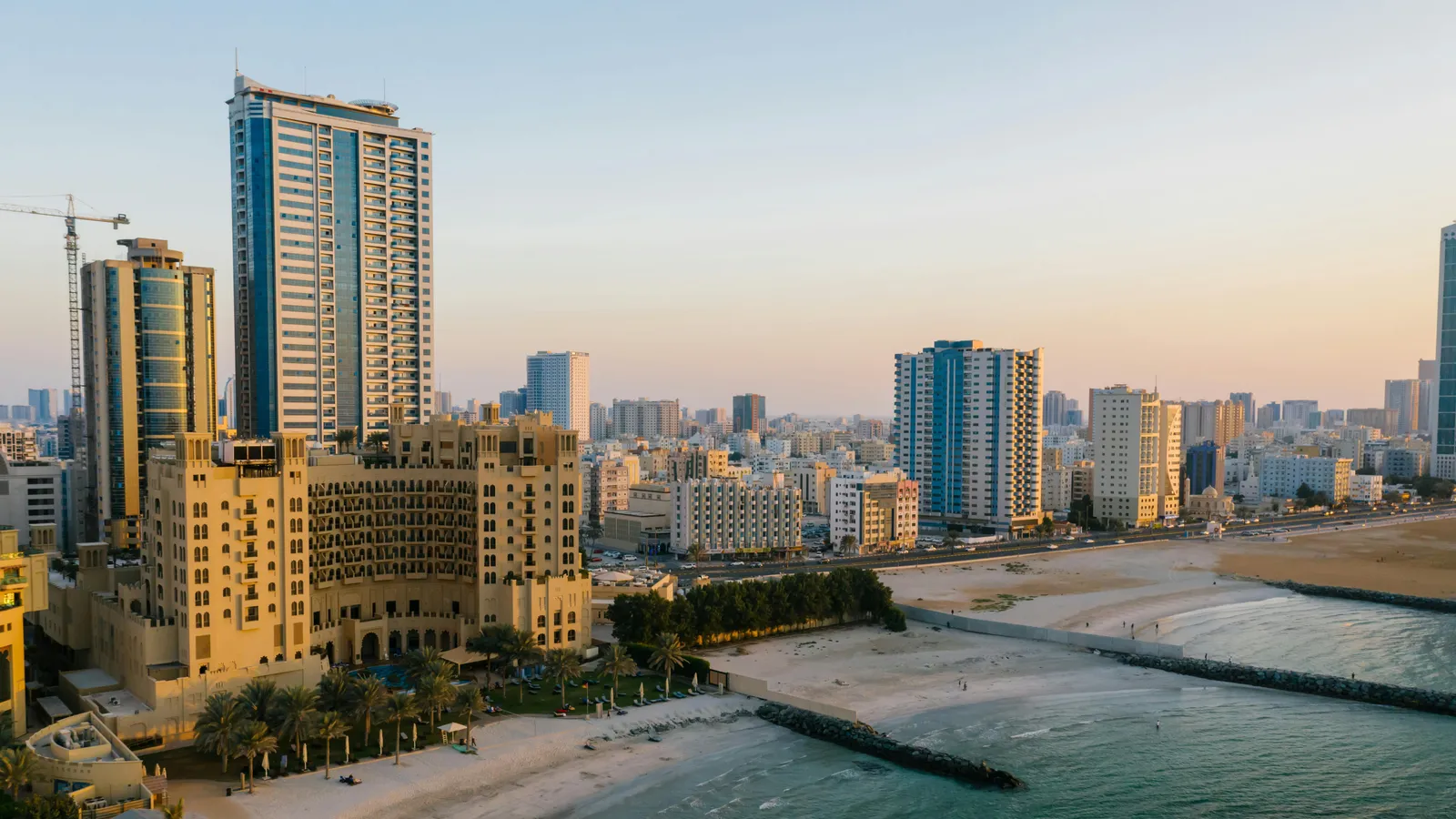
Featured Free Zones in Dubai and Northern Emirates
Several prominent free zones offer excellent alternatives to traditional mainland sponsorship structures:
JAFZA (Jebel Ali Free Zone) is the largest free zone in the UAE, hosting over 5,000 companies. It specializes in logistics, trading, manufacturing, and business services. JAFZA offers modern infrastructure, customs facilities, and strong support for export-oriented businesses [21].
DMCC (Dubai Multi Commodities Centre) focuses on precious metals, diamonds, and commodity trading. If your business involves these sectors, DMCC provides specialized facilities and market access tailored to traders and manufacturers [22].
RAKEZ (Ras Al Khaimah Economic Zone) in the northern emirates offers some of the most competitive free zone rates in the UAE. RAKEZ specializes in manufacturing, trading, and service businesses and attracts cost-conscious startups [23].
Ajman Free Zone provides affordable alternatives for businesses seeking lower operational costs while maintaining free zone benefits. It's suitable for trading, manufacturing, and logistics companies [24].
SHAMS (Sharjah Media City) caters specifically to media, creative industries, and technology companies. If your business is in digital marketing, content creation, or media production, SHAMS offers industry-specific support [25].
Not sure which licence or free zone fits your plan? Get a free, no-obligation consultation and a clear cost breakdown tailored to your business.
Get a free consultation→Case Study 1: Kristina's Consulting Practice
Kristina, a Swedish management consultant, planned to establish a consulting firm in Dubai focusing on European clients and multinationals. Initially, she believed she needed a local sponsor because she'd read about "partner requirements" online.
After researching the 2026 activity list, Kristina discovered that business consulting services allow 100% foreign ownership on the mainland. She didn't need a sponsor at all. Her structure became straightforward: she registered her Dubai consulting company with complete ownership, appointed a Local Service Agent to handle government correspondence, and was operational in 4 weeks.
By avoiding the sponsor structure, Kristina saved from AED 6,000 annually and avoided the complexity of a partnership agreement. She maintained full operational control and simplified decision-making. Her total setup cost was approximately AED 18,000, significantly lower than if she'd added a sponsor layer.
The key lesson: consulting, accounting, architecture, and engineering services rarely need sponsors. A Local Service Agent is usually sufficient, and many professional service firms qualify for 100% foreign ownership completely.
Case Study 2: Hassan's Trading Business
Hassan, an Egyptian entrepreneur, wanted to establish a general trading company importing electronics from Asia and selling to retailers across the Middle East. His business model required mainland market access because retail clients expected to visit his office and warehouse.
Hassan's activity (general goods trading) qualified for 100% foreign ownership on the mainland without sponsorship. He could have established his business as a fully foreign-owned entity. However, he chose to partner with a local Emirati named Rayan through a voluntary sponsorship agreement because Rayan had existing connections with major retail chains in the region.
The sponsorship arrangement cost Hassan AED 7,500 annually, but Rayan's network accelerated his business growth. The contract clearly stated that Rayan held 51% equity but had no involvement in operations, pricing, or financial decisions. After two years, as Hassan's business was established, he and Rayan discussed restructuring to a 100% foreign ownership model, which was possible under the new rules.
The lesson: even when sponsorship isn't required, some entrepreneurs choose to partner with locals strategically. The 2026 rules make this optional rather than mandatory, giving you flexibility to structure deals that benefit your business.
What Documents Do You Need for Local Sponsor Arrangements?
If you do need or choose to have a local sponsor, specific legal documentation is required. The sponsorship agreement is the most critical document and must be notarized by a UAE public notary [26].
The agreement should clearly state:
- Names and identification of both sponsor and foreign investor
- Company name, registration number, and business activity
- Ownership structure (typically sponsor holds 51%, foreign investor holds 49%)
- Annual sponsorship fee and payment terms
- Declaration that sponsor has no involvement in operations
- Power of attorney granted to foreign investor for business management
- Dispute resolution mechanisms
- Termination conditions and notice period
Additionally, you'll need bank account opening documents, trade license documentation, visa sponsorship papers, and any sector-specific regulatory approvals. The process typically requires 2-4 weeks depending on the complexity [27].
Want to skip the paperwork and approvals? Our team manages the whole setup for you, so you can focus on launching.
Talk to a setup expert→How to Find a Reliable Local Sponsor
If your business requires a sponsor, finding a reliable partner is crucial. A sponsor who disappears, causes legal problems, or demands more than the agreed fee creates serious complications.
Several resources can help:
- Business Setup Consultancies: Firms like Creation Business Consultants, CLA Emirates, and Commitbiz maintain networks of vetted sponsors and can introduce suitable partners based on your business type
- Chamber of Commerce: The Dubai Chamber of Commerce can recommend sponsors with established track records
- Professional Networks: Industry associations and business clubs often have sponsor recommendations from members
- Online Platforms: Websites like Choose UAE and Company Setup allow you to compare sponsor offerings, though always verify through other channels
- Personal Referrals: Business owners in similar sectors often have sponsor recommendations based on direct experience
Before finalizing any sponsorship agreement, conduct due diligence:
- Verify the sponsor's UAE citizenship and background
- Ask for references from other foreign investors they've sponsored
- Ensure the agreement is reviewed by a legal professional before signing
- Confirm the sponsor understands they're signing a fixed-fee arrangement with no operational involvement
- Have the agreement notarized through an official notary public
Pro Tip: The cheapest sponsor is not always the best sponsor. A reliable sponsor with a solid track record and positive references is worth paying a bit more for. Sponsorship disputes can delay business operations and create legal headaches worth far more than any fee savings.
Strategic Sectors That Always Require Local Participation
Cabinet Resolution No. 55 of 2021 designated several strategic sectors where foreign investors cannot achieve 100% ownership, regardless of policy changes [28]. These sectors are considered vital to national interests and require ongoing local participation.
Banking and Financial Services: The Central Bank of the UAE maintains strict requirements for banking, money exchange, and finance company licenses. Foreign investors typically cannot exceed 49% ownership in banks, though investment in other financial services may have different thresholds [29].
Insurance Sector: The Insurance Authority regulates insurance and reinsurance activities. Typically, Emirati nationals or entities must hold a minimum 20% stake in insurance companies, though specific requirements vary by license type [30].
Oil and Gas: The Ministry of Energy regulates oil exploration, production, and related activities. These require significant Emirati participation and are typically unavailable to foreign investors unless as minority partners in large consortiums [31].
Telecommunications: The Telecommunications and Digital Government Regulatory Authority limits foreign participation in telecom licenses. The major telecom operators in the UAE maintain significant Emirati ownership stakes [32].
Defense and Military Services: These activities are restricted to Emirati nationals and selected partners with government security clearances. Foreign participation is minimal and subject to national security reviews.
If you're targeting any strategic sector, expect a longer approval process, regulatory scrutiny, and specific ownership requirements that cannot be waived through creative structuring.
More on this: Abu Dhabi Dual License Initiative: Complete Guide, What Changed in the UAE Commercial Companies Law in 2026?, Fujairah Free Zone Setup: Costs, Zones and Who It Suits
Frequently Asked Questions About Local Sponsors
Do I Really Need a Local Sponsor if My Activity Allows 100% Ownership?
No. If your activity appears on the Department of Economy and Tourism's list of 100% foreign ownership activities, a sponsor is completely optional. You can establish your business with full foreign ownership and no local partner. Some entrepreneurs still choose to add a sponsor for strategic business reasons, but it's not legally required.
Can I Change or Replace My Sponsor Later?
Yes. Your sponsorship agreement typically allows termination with notice (usually 30-90 days). However, changing sponsors requires updating company documents and notifying the Department of Economy and Tourism. Plan for professional service fees (around AED 2,000) and processing time when replacing a sponsor.
What Happens if My Sponsor Refuses to Cooperate?
If your sponsor becomes uncooperative or disappears, you can terminate the agreement and appoint a replacement, provided your activity doesn't require a sponsor. If your activity does require one (like banking), you'll need to find a replacement quickly to maintain compliance. This is why thorough due diligence and a solid written agreement are essential.
Is a Local Service Agent the Same as a Local Sponsor?
No. A Local Service Agent holds no equity and has no ownership claim. A Local Sponsor typically holds 51% equity (though with no operational involvement). For professional services and branch offices, an LSA is sufficient. For commercial licenses in certain activities, a sponsor may be required.
Can I Sponsor Myself if I'm Married to an Emirati?
No. The sponsor must be an independent Emirati citizen or UAE entity. Marrying an Emirati does not change sponsorship requirements, and authorities do not allow you to use your spouse as a sponsor (this is considered fraud and can result in business license cancellation and legal consequences).
What's the Difference Between Local Sponsor Requirements in Dubai vs. Other Emirates?
The federal Commercial Companies Law applies across all seven emirates, so the 100% ownership rules are the same everywhere. However, each emirate maintains its own activity lists and may have slightly different implementation details. Always check with the specific emirate's Department of Economy (or equivalent) for your exact jurisdiction [33].
Do I Need a Local Sponsor for a Limited Liability Company (LLC)?
It depends on your activity. Limited Liability Companies on the mainland can be 100% foreign-owned in most activities. Strategic sectors still require local participation. Check your specific activity code with the DET to confirm.
How Much Should I Budget for Annual Sponsorship Costs?
Budget from AED 6,000 annually. Some businesses in complex sectors might pay slightly more. Negotiate the fee upfront and have it clearly stated in your sponsorship agreement to avoid surprises.
Can I Operate a Mainland Business Without Any Local Involvement?
Yes, for activities allowing 100% foreign ownership. You don't need a sponsor, partner, or service agent. You can establish and operate the business as a fully foreign-owned entity. However, if your activity requires professional licensing (consulting, engineering), a Local Service Agent is still mandatory for administrative purposes.
What Happens to My Sponsorship When I Apply for a UAE Residency Visa?
Your business sponsorship and personal visa sponsorship are separate matters. Your company can sponsor your residency visa as an employee (your salary becomes your visa basis). The local sponsor (if you have one) is for company ownership structure and doesn't directly relate to your personal visa. However, proper company structure and documentation are essential for visa processing.
Key Takeaways for 2026
The situation regarding local sponsor requirements in Dubai has transformed since 2021. Here's what you absolutely need to remember:
First: Over 1,000 commercial and industrial activities now allow 100% foreign ownership without a local sponsor. Before assuming you need one, verify your activity against the official Department of Economy and Tourism list.
Second: Strategic sectors (banking, insurance, oil & gas, telecom, defense) still require local participation. No workaround exists for these sectors; if you want to operate in them, you must accommodate the ownership requirements.
Third: A Local Service Agent (for professional services) is not the same as a Local Sponsor (for commercial entities). Understand which applies to your business structure.
Fourth: If a sponsor is required or you choose to use one voluntarily, the annual fee is typically from AED 6,000 and the relationship should be purely financial with no operational involvement from the sponsor.
Fifth: Free zones offer a complete alternative if you don't need direct mainland market access. JAFZA, DMCC, RAKEZ, Ajman Free Zone, and SHAMS provide 100% ownership with lower setup costs.
Finally: The 2026 environment is far more entrepreneur-friendly than pre-2021. You have genuine options: no sponsor, optional sponsor, Local Service Agent, free zone, or strategic sector participation. Choose the structure that best fits your business model and risk tolerance.
Next Steps: Setting Up Your Dubai Business
Ready to establish your business in Dubai? Here's the recommended process:
- Identify your specific business activity (get the exact activity code from your sector)
- Check the Department of Economy and Tourism's official activity list for ownership requirements
- Determine if you need a sponsor, service agent, or neither
- If needed, research and contact potential sponsors or service agents through verified consultancies
- Prepare required documents (passport copy, business plan, capital proof)
- Engage a business setup consultant to manage the registration process
- Complete the sponsorship agreement (if applicable) through a notary public
- Register your company, obtain a trade license, and begin operations
For detailed assistance with your specific situation, consider consulting one of these specialized resources:
- BusinessDubai.ae's Complete Company Formation Guide covers all mainland and free zone options
- Free Zone Comparison Tool helps you evaluate JAFZA, DMCC, RAKEZ, and other zones
- Business Setup Checklist ensures you don't miss critical steps
- Activity List Search lets you verify your exact requirements
The rules have evolved significantly in your favor. Use this knowledge strategically to set up your business structure in the most efficient and cost-effective way possible.
Related: See our complete guide to mainland company setup in Dubai.
References
[1] CLA Emirates. "Expert Local Sponsor & PRO Services in Dubai." https://www.claemirates.com/local-sponsor-and-pro-services-dubai-uae/
[2] e.zone. "Dubai Local Sponsor Requirements Every Business Must Know." https://e.zone/dubai-local-sponsor-requirements-what-every-business-must-know/
[3] Leela International. "Do You Need a Local Sponsor in Dubai 2026? 100% Foreign Ownership Guide UAE." https://leelainternational.com/do-you-need-a-local-sponsor-to-launch-a-business-in-dubai-in-2026/
[4] Middle East Briefing. "Do You Need a Local Sponsor in UAE, Saudi Arabia and Bahrain?" https://www.middleeastbriefing.com/news/need-local-sponsor-in-uae-saudi-arabia-bahrain/
[5] SK Legal Firm. "UAE Corporate Law Update 2025: 100% Ownership Rules." https://sklegalfirm.com/uae-corporate-law-changes-foreign-ownership/
[6] Leela International. "Do You Need a Local Sponsor in Dubai 2026? 100% Foreign Ownership Guide UAE." https://leelainternational.com/do-you-need-a-local-sponsor-to-launch-a-business-in-dubai-in-2026/
[7] Banks Legal. "Legal update: UAE Cabinet Resolution - An end to 51% local ownership?" https://www.bankslegal.com/insight-uae-cabinet-resolution.html
[8] JB Consultants. "UAE Mainland Activities Needing Local Partner." https://www.jbconsultants.ae/uae-business-activities-requiring-local-partner/
[9] PRO Partner Group. "What is the difference between a Local Partner and a Local Service Agent in the UAE?" https://www.propartnergroup.com/faq/difference-between-a-local-partner-and-a-local-service-agent/
[10] Decisive Zone. "The difference between local agents and local sponsors." https://www.decisivezone.ae/what-is-the-difference-between-a-local-service-agent-and-a-local-sponsor/
[11] Shuraa. "Local Service Agent in Dubai, UAE: Complete Guide." https://www.shuraa.com/local-service-agent-dubai-uae/
[12] E.zone. "Local Service Agents in the UAE: Roles and When to Use Them." https://e.zone/local-service-agents/
[13] Department of Economy and Tourism, Dubai. Official Activity List. https://www.det.gov.ae/
[14] Leela International. "Do You Need a Local Sponsor in Dubai 2026? 100% Foreign Ownership Guide UAE." https://leelainternational.com/do-you-need-a-local-sponsor-to-launch-a-business-in-dubai-in-2026/
[15] Commitbiz. "Why you need a local sponsor in Dubai." https://www.commitbiz.com/local-sponsor-in-dubai-uae
[16] Al Buraq. "UAE Business Sponsorship Guide 2026." https://alburaq.ae/how-to-get-sponsorship/
[17] Start DXB. "100% Foreign Ownership Dubai: Mainland vs Free Zone Guide (2025)." https://www.startdxb.ae/article/100-percent-foreign-ownership-dubai-why-you-no-longer-need-a-local-partner
[18] JAFZA Official. "About Jebel Ali Free Zone." https://www.jafza.ae/
[19] Commenda. "Difference Between Dubai Free Zone and Dubai Mainland." https://www.commenda.io/blog/dubai-free-zone-vs-mainland/
[20] Executive Centre. "Freezone vs Mainland Business Setup in Dubai: Key Differences." https://executivecentre.ae/mainland-vs-free-zone-company-setup-key-differences
[21] Jebel Ali Free Zone Authority. "Business Guide." https://www.jafza.ae/
[22] DMCC. "About DMCC." https://www.dmcc.ae/
[23] RAKEZ. "Business Setup Guide." https://www.rakez.com/
[24] Ajman Free Zone Authority. "Getting Started." https://ajmanfreezone.ae/
[25] SHAMS. "Why Choose SHAMS?" https://www.shamsmediacity.ae/
[26] Notary Public Dubai. "Local Service Agent Agreement in Dubai – Legal Overview." https://notarypublicdubai.com/blog/agreement-appointing-local-service-agent-uae/
[27] Creation Business Consultants. "Dubai and UAE Local Sponsorship Guide." https://www.creationbc.com/news/dubai-and-uae-local-sponsorship-guide/
[28] Dentons. "UAE amends Commercial Companies Law: key reforms for shareholder rights, capital structuring and redomiciliation." https://www.dentons.com/en/insights/alerts/2026/january/27/uae-amends-commercial-companies-law
[29] Central Bank of the UAE. "Banking Regulation." https://www.centralbank.ae/
[30] Insurance Authority of the UAE. "Licensing Requirements." https://www.fia.gov.ae/
[31] Ministry of Energy and Infrastructure. "Sector Regulations." https://www.moei.gov.ae/
[32] TDRA (Telecommunications and Digital Government Regulatory Authority). "Licensing." https://www.tdra.gov.ae/
[33] Department of Economy and Tourism, Dubai. "Activity Licensing." https://www.det.gov.ae/