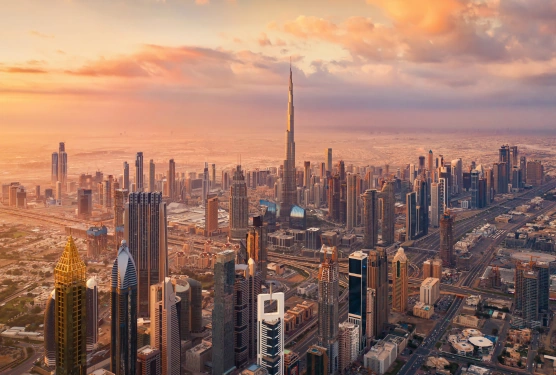
A gold refinery in Dubai is a fundamentally different, and far more heavily regulated, business than gold trading or retail jewellery, and the first thing to understand is that a trade licence does not authorise refining. Anyone can get a precious-metals trading licence; almost no one can stand up an accredited refinery, because your bars are worthless on the market without a recognised Good Delivery accreditation, and you cannot operate at all without passing mandatory responsible-sourcing audits and building a permitted hazardous-chemical plant [1][2][3]. This is a capital-intensive industrial and compliance undertaking, not a licence application.
Two things define the moat. Your refined bars are only exchange-deliverable and bank-acceptable if the refinery holds Good Delivery status, operated locally by DMCC, and every refiner, accredited or not, must pass an independent responsible-sourcing audit under the OECD framework and, since January 2023, under federal law that applies to every refiner on UAE territory [3][4]. Layered on top are AML obligations that treat refiners as the highest-risk category, and an environmental and safety regime for a plant that handles acids and cyanide. Get any layer wrong and you do not have a refinery; you have a licence you cannot use.
This guide covers the Good Delivery accreditation, the responsible-sourcing audits, the AML and environmental burden, ownership, and how the tax and VAT really work. Since 2013, our team has set up precious-metals and industrial companies across the UAE, so the traps here come from real files. This is a guide, not legal or tax advice on your specific refinery.
Why does a gold trade licence not let you refine?
Because refining is a different activity, a different licence and a different accreditation, and trading and retail licences do not cover it. Refining transforms doré, scrap and recycled metal into refined bullion bars of a defined fineness, which is chemical manufacturing, and it requires an industrial or refining licence plus a physical, permitted plant, not a trading licence [1]. That is the first gap founders trip on.
The deeper point is that even with a refining licence, your bars are commercially worthless without accreditation. To be a credible bullion refinery you need a recognised Good Delivery status, or your bars are not deliverable on exchanges or accepted by bullion banks. The gatekeeper standards are the international LBMA Good Delivery list and the local standard operated by DMCC, historically the Dubai Good Delivery brand and increasingly referenced as the UAE Good Delivery standard [1]. Accreditation demands proven creditworthiness, financial strength, operational competency, a minimum tangible net worth and a minimum production volume, plus bar specifications on weight, fineness and marks, so it is a real technical and financial test, not a registration. Confirm the current listing name and the exact net-worth, production and fineness thresholds with DMCC. Our gold trading guide covers the trading side, which is a genuinely lighter world.
Common Mistake: Assuming a gold trading or jewellery licence lets you refine. It does not. Refining needs an industrial or refining licence and a physical, permitted plant, and without Good Delivery accreditation your bars are not exchange-deliverable or bank-acceptable. The licence and the accreditation are two separate, essential things.
What is the responsible-sourcing audit, and why is it mandatory?
An independent, annual due-diligence audit of your supply chain, and it is mandatory both under DMCC rules and under federal law. Responsible sourcing is built on the OECD Due Diligence Guidance for responsible mineral supply chains and its gold supplement [7], and DMCC made compliance with its risk-based due-diligence rules mandatory for members, requiring independent third-party responsible-sourcing audits, typically by international audit firms, without which it will not accredit or maintain a refiner [2][4].
Crucially, this is now federal and applies to everyone. The UAE Ministry of Economy issued the Due Diligence Regulations for Responsible Sourcing of Gold, effective 1 January 2023, which apply to every refiner, recycler and gold-trade operator on UAE territory regardless of accreditation status, using the same five-step framework: a strong management system, risk identification and assessment, a risk-response strategy, an independent third-party review, and periodic public reporting [3]. So a refiner cannot opt out of responsible sourcing by skipping accreditation; the federal obligation catches it anyway, with the third-party review and reporting on defined timelines. This is the compliance spine of the whole business.
Real Talk: Responsible sourcing is not a box-ticking exercise you bolt on at the end. It is an audited, annual regime that decides whether you keep your accreditation and whether you are lawful under federal regulation. Refiners are named the highest-risk precious-metals category, so the KYC on every supplier, the source-of-metal documentation, the sanctions and conflict-gold screening and the third-party audit are the core operating discipline. Build the due-diligence system before the first gram of metal, not after. Get your gold refinery setup scoped properly→

What are the AML and environmental burdens?
A full AML programme and a hazardous-chemical plant regime, both substantial. On AML, gold refiners are classified as designated non-financial businesses, dealers in precious metals and stones, and they must register on goAML with the UAE Financial Intelligence Unit, file suspicious transaction reports and dealer reports, report precious-metals transactions involving cash or international wire above AED 55,000, run full KYC on suppliers with source-of-funds and source-of-metal documentation, screen counterparties and metal origin against UAE and international sanctions and conflict-gold risk, appoint a compliance officer and retain records for five years [5]. Gold cannot be bought from unlicensed individuals without full KYC. Our AML and CFT compliance guide covers the framework in depth.
On the physical plant, refining is chemical manufacturing, so a second regulatory stack applies. Expect a MoIAT industrial licence, an environmental permit from Dubai Municipality or the emirate's environment authority before signing the plant lease, because refining uses aqua regia, nitric and hydrochloric acid, and sometimes cyanide, with emissions, effluent and hazardous-waste approvals, plus Civil Defence hazardous-materials and fire approvals, SIRA-standard security for high-value premises with vaulting and CCTV, and an accredited in-house or contracted assay laboratory to demonstrate fineness [1]. The assay lab is effectively required to support Good Delivery. This is a plant build-out, not an office lease, and it is the single biggest practical barrier alongside accreditation.
Can a foreigner own a refinery, and where should it be?
You can own it fully, and DMCC is the usual home. On ownership, 100% foreign ownership is available both through the DMCC free zone and, since the 2021 reforms, through a mainland industrial licence for most industrial activities, with no local sponsor required for the refinery entity, subject to confirming the activity code on the relevant positive list [1]. Ownership is not the obstacle here.
On location, the DMCC free zone is the default home for refineries, given the precious-metals ecosystem, exchange and clearing proximity, vaulting and DMCC's accreditation on the doorstep, with a precious-metals or refining licence, while a mainland or industrial route via MoIAT is chosen when a larger industrial plot is needed [1]. Either way, the physical plant, furnaces and chemical process lines, effluent treatment, high-security premises, vaulting and the assay lab is the same substantial build. Our DMCC free zone guide covers the free-zone setup that most refiners use, since DMCC is the usual home for this business, and our free zone company setup page explains the wider free-zone route if you are weighing zones. If your plant needs a large industrial plot and heavy-process approvals, the mainland company setup page walks through the industrial-licence route via MoIAT. Some groups also sit the refinery under a separate holding company for the shareholding and any downstream trading arms, and our offshore company formation page covers that holding structure, which cannot itself refine or trade on the ground but can own the operating entity.
How is a gold refinery taxed?
Standard corporate tax with a real 0% route to explore, and favourable VAT on investment-grade gold. On corporate tax, the standard rate is 0% up to AED 375,000 of taxable income and 9% above, and Small Business Relief for revenue up to AED 3 million is largely irrelevant here because a real refinery's turnover far exceeds it [6]. The real question is the free-zone 0%: a DMCC entity that is a Qualifying Free Zone Person can get 0% on qualifying income, and both "trading of qualifying commodities", including precious metals traded on a recognised exchange, and "manufacturing or processing of goods" are listed qualifying activities under Ministerial Decision No. 229 of 2025, which is the head under which refining would most plausibly qualify [6]. Whether a specific refinery's income streams qualify needs a tax opinion, given the substance, transfer-pricing and de-minimis conditions, so confirm with the FTA, a tax adviser and DMCC. Our corporate tax filing guide covers the free-zone conditions.
On VAT, investment-grade gold that is at least 99% pure and in a form traded on global bullion markets is zero-rated, and there is a special reverse-charge mechanism for gold and precious metals between VAT-registered dealers, under which the supplier does not charge VAT and the registered buyer self-accounts, originally Cabinet Decision No. 25 of 2018 and significantly widened by Cabinet Decision No. 127 of 2024 [8]. Refining services charged as a toll-refining fee are a supply of services and are generally standard-rated at 5% unless zero-rating or the reverse charge applies to the specific arrangement, which differs from the sale of the metal itself, so confirm the treatment of toll-refining fees with a tax adviser. Our VAT registration and compliance guide covers the mechanics.
What does it cost, and is it worth it?
This is a multi-million-dirham capital project, not a licence-fee number. Here is a realistic 2026 picture in AED, all figures approximate and worth confirming with DMCC and equipment suppliers.
| Item | Typical range (AED) |
|---|---|
| DMCC licence, registration and establishment | 30,000 to 60,000 per year plus visas |
| Refining plant and equipment (furnaces, chemical lines, effluent) | Multi-million, the dominant cost |
| Secure premises, vaulting and SIRA-standard fit-out | Substantial six figures and up |
| Accreditation and annual responsible-sourcing audits | Tens of thousands per audit cycle and up |
| Environmental, Civil Defence and MoIAT approvals | Set-up and consultant fees |
| AML programme (officer, screening tools, goAML) | Ongoing operating cost |
Realistic entry is best framed as a multi-million-dirham capital project, with the plant, the security and the compliance dwarfing the licence fee. The market case is why serious players still build.
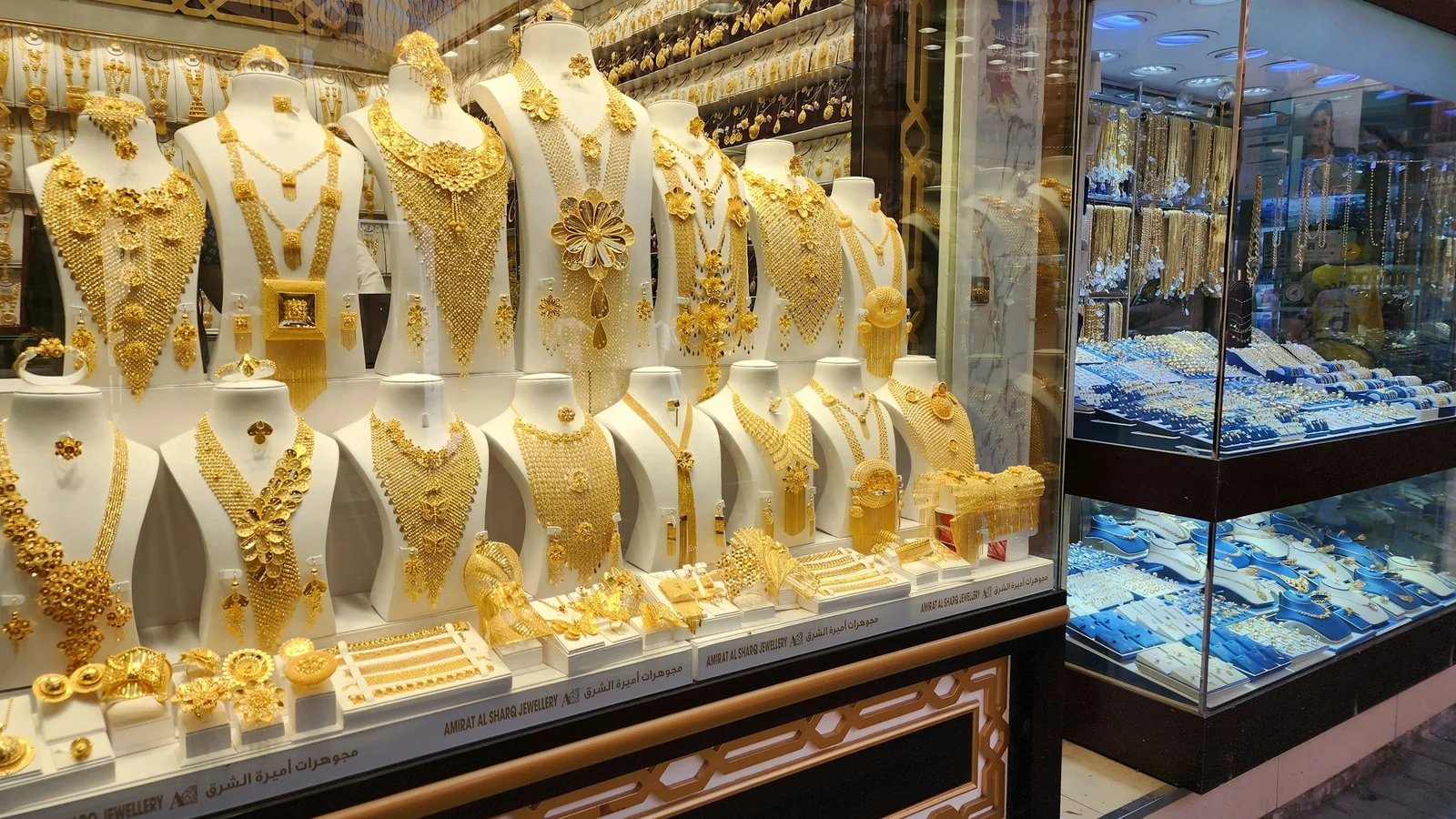
Quick Math: Dubai is the City of Gold, handling a very large share of global gold flows, with DMCC citing roughly 15% of worldwide gold trade and broader estimates that a quarter to a third of global gold touches Dubai at some point, on the order of several hundred tonnes of imports and exports a year. A deep ecosystem of exchange settlement, vaulting, bullion banks and tens of thousands of member companies gives a new refiner strong supplier and buyer density. The barriers, accreditation, responsible sourcing, AML and the plant, are steep, but they are also exactly what protect the incumbents' margins.
Is a gold refinery a good business in Dubai?
Yes, if you can clear the barriers, because Dubai is the City of Gold and the flows that pass through it are enormous, but it is capital-intensive and the entry conditions are steep. Dubai handles a very large share of the world's physical gold, with DMCC citing roughly 15% of global gold trade and broader estimates that a quarter to a third of all gold touches the emirate at some point, moving on the order of several hundred tonnes a year [1]. Around that sits a deep ecosystem of exchange settlement, vaulting, bullion banks, logistics and tens of thousands of member companies, which gives a new refiner unusual supplier and buyer density that would take years to build anywhere else.
The honest counterweight is that this is not a business you enter cheaply or quickly. A refinery is a hazardous-chemical plant with an assay lab, high-security vaulting, an accreditation your bars cannot trade without, and a mandatory annual audit regime, so the barriers to entry are exactly what keep the field small and protect the margins of the players already inside it. The table below sets a gold trading company against a gold refinery so you can see, on the things that matter most, why they are different businesses.
| Factor | Gold trading company | Gold refinery |
|---|---|---|
| Licence | Precious-metals trading licence, a commercial activity | Industrial or refining licence plus a permitted plant |
| Capital | Modest, led by stock and working capital | Multi-million-dirham plant, vaulting and security build |
| Accreditation | None required to trade | Good Delivery accreditation, without which bars are not tradeable |
| Compliance | AML and responsible sourcing as a trader | Full AML, mandatory annual responsible-sourcing audit, environmental and Civil Defence regime |
| Time to launch | Weeks | Many months, led by plant and accreditation |
Real Talk: The strong demand and the deep hub are real, but so are the barriers, and the two facts are connected. The accreditation, the responsible-sourcing audits, the AML load and the permitted plant are the reason a newcomer cannot simply appear and undercut the incumbents. If you have the capital and the patience for the compliance build, the market density is genuinely on your side. If you want a light, fast business, gold trading, not refining, is the honest answer, and our gold trading guide covers that route. To scope the refinery properly, start with our get started page.
What documents and steps does it take to build a gold refinery?
More paperwork than almost any other setup, because you are licensing a company, permitting an industrial plant and earning an accreditation at the same time. The document set spans the corporate file, the plant approvals and the compliance system, and a realistic checklist looks like this.
- Company documents: shareholder passports and photographs, the reserved trade name, DMCC or the relevant authority's initial approval, the memorandum and articles, a business plan showing the refining process and volumes, and proof of the tangible net worth the accreditation requires.
- Plant and premises: the industrial or refining lease, an environmental permit from Dubai Municipality or the emirate's environment authority secured before signing the plant lease, and the emissions, effluent and hazardous-waste approvals for a process that uses aqua regia and sometimes cyanide.
- Safety and security: Civil Defence hazardous-materials and fire approvals, and SIRA-standard security for a high-value site, with vaulting, access control and CCTV.
- Technical capability: an accredited in-house or contracted assay laboratory to prove the fineness of your bars, which the Good Delivery route effectively requires.
- Accreditation and sourcing: the Good Delivery application to DMCC and the five-step responsible-sourcing due-diligence system with an independent third-party audit.
- AML: goAML registration with the UAE Financial Intelligence Unit, an appointed compliance officer, and the KYC and source-of-metal framework.
The order matters as much as the list, because several approvals gate others. The environmental permit comes before the lease, the plant and assay lab come before accreditation, and the first responsible-sourcing audit and goAML registration must be live before you operate. A realistic sequence and timeline looks like this.
| Step | Typical timeline |
|---|---|
| Licence and initial approval (DMCC or industrial authority) | 2 to 6 weeks |
| Environmental permit before the plant lease | Weeks to months, the early gate |
| MoIAT industrial licence, where the route needs it | Alongside the plant approvals |
| Plant build, effluent treatment and assay lab | Many months, the dominant timeline |
| Civil Defence hazmat and SIRA security sign-off | Before go-live |
| goAML registration and AML programme | Before first metal |
| Good Delivery accreditation and first responsible-sourcing audit | The final gating milestones |
Pro Tip: Sequence the environmental permit and the plant before anything cosmetic, because a refining lease signed before the environmental approval can leave you holding a site you cannot legally run. Plan the accreditation and the first audit as the milestones that actually let you sell, not afterthoughts. Get your gold refinery documents and timeline mapped→
What are the ongoing costs and compliance for a refinery?
The setup is only the entry price; a refinery carries one of the heaviest ongoing compliance loads of any UAE business. The obligations run for the life of the plant and fall into a few stacks.
- Good Delivery upkeep: the accreditation is not a one-time badge. It carries membership and renewal costs and continuing tests on net worth, production volume and bar specification, so keeping the listing is an annual discipline, not a single pass.
- Responsible-sourcing audits: an independent third-party responsible-sourcing audit is mandatory every year, both under DMCC rules and under the federal Ministry of Economy Due Diligence Regulations effective 1 January 2023, using the OECD five-step framework with periodic public reporting [3][4]. This is a recurring, dated obligation, not a launch task.
- AML and goAML: ongoing suspicious-transaction and dealer reporting on goAML, transaction reporting above the AED 55,000 cash or wire threshold, continuous KYC and source-of-metal checks on every supplier, sanctions and conflict-gold screening, and five-year record keeping, all overseen by your compliance officer [5].
- Environmental and safety monitoring: continuing emissions, effluent and hazardous-waste monitoring, Civil Defence renewals and the SIRA security regime for the premises.
- Tax filings: annual corporate tax registration and filing, and VAT filing, with the free-zone 0% position and the gold reverse-charge mechanism both needing correct handling every period.
Based on our experience, the refineries that stay clean treat the responsible-sourcing audit and the goAML reporting as a permanent internal function with real headcount, not a consultant they call once a year. The audits decide whether you keep both your accreditation and your federal standing, so the due-diligence system is the running heart of the business. This recurring load of audits, filings and renewals is exactly the kind of work our post-setup services handle, so the compliance stays current while you run the plant. Budget the audit and AML function into your operating model from year one.
Can you open a corporate bank account for a gold refinery?
Yes, but expect the most demanding onboarding in the UAE, because bullion and gold flows sit at the top of every bank's risk map. A refinery opens a corporate account with a local bank once the licence, and ideally the accreditation and the compliance framework, are in place, and the bank runs full know-your-customer checks on the shareholders, the activity and the expected turnover, usually with an in-person meeting and the licence and tenancy in hand [1][5]. There is no fully-remote account opening for an operation like this.
The extra hurdle is that gold and precious-metals businesses face heavy AML scrutiny and detailed source-of-funds and source-of-metal questions, because the sector is a known money-laundering and sanctions risk. Banks will want to see your goAML registration, your responsible-sourcing system, your supplier due-diligence and clear evidence of where your metal and money come from, and they may decline or offboard businesses whose sourcing they cannot get comfortable with. A refinery that can show a working five-step due-diligence system, a named compliance officer and clean supplier records will open and keep an account far more easily than one that treats AML as paperwork. Getting the compliance framework genuinely operational before you approach the bank is the difference between an account and a polite refusal.
Real Client Stories
The trade licence that could not refine. A client held a gold trading licence and assumed he could add refining. Refining is chemical manufacturing needing an industrial or refining licence and a permitted plant, and his bars would be worthless without Good Delivery accreditation. We reset the plan around the right licence and the accreditation path. Trading and refining are not the same business.
The refiner who skipped the audit. A founder wanted to start selling bars before completing an independent responsible-sourcing audit. Both DMCC accreditation and, since January 2023, federal regulation make the audit mandatory for every UAE refiner. We built the five-step due-diligence system first. Responsible sourcing is not optional, and skipping it is not lawful.
The 0% that needed an opinion. A client assumed a DMCC address meant automatic 0% corporate tax. The 0% requires Qualifying Free Zone Person status with substance, qualifying activities, an audit and the de-minimis test, and whether refining income qualifies needs a formal opinion. We structured it deliberately with a tax adviser. The 0% is real but conditional, not automatic.
Set up your Dubai gold refinery the right way
A gold refinery rewards founders who treat the accreditation, the responsible-sourcing audits, the AML regime and the plant as the real business, and it punishes those who mistake it for gold trading. Since 2013, BusinessDubai.ae has completed 700+ company registrations across the UAE, including precious-metals and industrial companies. We will help you structure the DMCC or industrial licence, plan the Good Delivery accreditation and the five-step responsible-sourcing system, build the AML programme and goAML registration, coordinate the environmental, Civil Defence and MoIAT plant approvals, and structure the corporate tax and VAT position with the right advisers, all with clear itemised pricing. Talk to a setup expert→ for a plan built around your refinery. Our DMCC free zone guide covers the free-zone setup, and post-setup services covers ongoing compliance and audits.
Frequently Asked Questions
How do I start a gold refinery in Dubai?
Set up an industrial or refining licence, usually in the DMCC free zone, build a permitted plant with an assay lab, pursue Good Delivery accreditation so your bars are tradeable, implement the mandatory five-step responsible-sourcing system with an independent audit, register on goAML, and secure the environmental and Civil Defence approvals. A trade licence does not authorise refining [1][3].
Can I refine gold on a gold trading licence in Dubai?
No. Trading and retail licences do not authorise refining, which is chemical manufacturing requiring an industrial or refining licence and a physical, permitted plant. And without Good Delivery accreditation your bars are not exchange-deliverable or bank-acceptable [1].
What is Good Delivery accreditation?
It is the standard that makes a refinery's bars tradeable, operated internationally by the LBMA and locally by DMCC, historically as Dubai Good Delivery and increasingly the UAE Good Delivery standard. It requires financial strength, operational competency, a minimum net worth and production, and bar specifications. Confirm current thresholds with DMCC [1].
Are responsible-sourcing audits mandatory for gold refiners in Dubai?
Yes. DMCC requires independent responsible-sourcing audits for accreditation, and since 1 January 2023 the federal Ministry of Economy regulations apply the OECD five-step framework and an independent third-party review to every refiner, recycler and gold-trade operator on UAE territory, regardless of accreditation status [3][4].
What AML rules apply to a gold refinery in Dubai?
Refiners are dealers in precious metals and stones and the highest-risk category. They must register on goAML with the Financial Intelligence Unit, file suspicious-transaction and dealer reports, report cash or wire transactions above AED 55,000, run full KYC and source-of-metal checks, screen for sanctions and conflict gold, and retain records for five years [5].
Do I need an environmental permit for a gold refinery in Dubai?
Yes. Refining uses aqua regia, acids and sometimes cyanide, so an environmental permit from Dubai Municipality or the environment authority is required, generally before signing the plant lease, along with emissions, effluent and hazardous-waste approvals, Civil Defence hazardous-materials approval and secure premises [1].
Where do gold refineries set up in Dubai?
Usually in the DMCC free zone, given the precious-metals ecosystem, exchange and clearing proximity, vaulting and DMCC accreditation, on a precious-metals or refining licence. A mainland or industrial route via MoIAT is chosen when a larger industrial plot is needed. Either way the plant build is substantial [1].
Can a foreigner own 100% of a gold refinery in Dubai?
Yes, through the DMCC free zone and, since the 2021 reforms, through a mainland industrial licence for most industrial activities, with no local sponsor required for the refinery entity. Confirm the activity code on the relevant positive list at setup [1].
Is gold zero-rated for VAT in Dubai?
Investment-grade gold that is at least 99% pure and traded on global bullion markets is zero-rated. There is also a special reverse-charge mechanism for gold and precious metals between VAT-registered dealers, under Cabinet Decision No. 25 of 2018 and widened by Cabinet Decision No. 127 of 2024 [8].
How are refining service fees taxed for VAT?
A toll-refining fee charged to a customer is a supply of services and is generally standard-rated at 5%, unless zero-rating or the reverse charge applies to the specific arrangement. This differs from the sale of the metal itself, so confirm the treatment of toll-refining fees with a tax adviser [8].
Does a DMCC gold refinery get 0% corporate tax?
Not automatically. The 0% requires Qualifying Free Zone Person status with adequate substance, qualifying activities, an audit and the de-minimis test. Trading qualifying commodities and manufacturing are listed qualifying activities, so refining may qualify, but it needs a formal tax opinion [6].
How much does it cost to build a gold refinery in Dubai?
It is a multi-million-dirham capital project. The plant and equipment, furnaces, chemical lines and effluent treatment, are the dominant cost, plus secure vaulting, accreditation and annual audits, and the AML and environmental approvals. The licence fee is a small fraction. All figures are approximate.
What is the goAML system for gold refiners?
goAML is the UAE Financial Intelligence Unit's reporting platform on which dealers in precious metals must register and file suspicious-transaction reports and dealer reports, including transactions above the AED 55,000 cash or wire threshold. Registration and reporting are mandatory for a refinery's AML compliance [5].
Do I need an assay lab for a gold refinery?
Effectively yes. An accredited in-house or contracted assay laboratory, using fire assay or ICP, is required to demonstrate the fineness of your bars and to support Good Delivery accreditation. It is a core technical-capability test, not an optional extra [1].
What is the difference between gold trading and gold refining in Dubai?
Gold trading buys and sells metal and is a commercial activity on a trading licence. Gold refining transforms doré, scrap and recycled metal into bars, which is chemical manufacturing needing an industrial licence, a permitted plant, Good Delivery accreditation and responsible-sourcing audits. They are different businesses [1].
What is the Dubai Good Delivery standard?
It is DMCC's benchmark for the technical specification and quality of gold and silver bars, historically the Dubai Good Delivery brand and increasingly referenced as the UAE Good Delivery standard, with membership tiers and requirements for net worth, production and bar specification. Confirm the current listing name with DMCC [1].
Do federal responsible-sourcing rules apply if I am not accredited?
Yes. The Ministry of Economy Due Diligence Regulations for Responsible Sourcing of Gold, effective 1 January 2023, apply to every refiner, recycler and gold-trade operator on UAE territory regardless of DMCC accreditation, so you cannot avoid responsible sourcing by skipping accreditation [3].
Is a gold refinery a good business in Dubai?
Dubai handles a very large share of global gold, with a deep ecosystem of exchange settlement, vaulting and bullion banks, giving strong supplier and buyer density. But the barriers, accreditation, responsible sourcing, AML and a hazardous-chemical plant, are steep and capital-intensive, which is also what protects incumbent margins [1].
What chemicals does a gold refinery use?
Refining commonly uses aqua regia, a mix of nitric and hydrochloric acid, and sometimes cyanide, which is why it is treated as hazardous-chemical manufacturing needing environmental, effluent, emissions and Civil Defence approvals, and why the plant build and permits are a major part of the setup [1].
How long does it take to set up a gold refinery in Dubai?
Considerably longer than a trading company, because the plant build, the environmental and Civil Defence approvals, the accreditation process and the first responsible-sourcing audit all take time. It is a capital project measured in many months, so the plant and compliance timeline, not the licence, drives the schedule.
What is a designated non-financial business for gold?
It is a category under UAE AML law covering dealers in precious metals and stones, including gold refiners, who face KYC, reporting and record-keeping obligations and goAML registration. Refiners are named the highest-risk subsegment, so the AML programme is central to lawful operation [5].
What documents do I need to open a gold refinery in Dubai?
The corporate file (shareholder passports, trade name, initial approval, memorandum and a business plan with your net-worth proof), the plant approvals (industrial or refining lease, an environmental permit secured before the lease, and effluent, emissions and hazardous-waste approvals), Civil Defence hazmat and SIRA security sign-off, an assay lab, the Good Delivery application, the five-step responsible-sourcing system with an independent audit, and goAML registration [1][3][5].
What are the ongoing costs and compliance for a gold refinery in Dubai?
Annual Good Delivery upkeep with continuing net-worth and production tests, a mandatory yearly responsible-sourcing audit under DMCC and federal rules, ongoing goAML reporting and KYC, environmental and Civil Defence monitoring and renewals, SIRA security, and annual corporate tax and VAT filings. The compliance function is a permanent operating cost, not a one-time setup [3][4][5].
Can I open a corporate bank account for a gold refinery in Dubai?
Yes, with a local bank once the licence and ideally the accreditation are in place, but expect demanding onboarding. Gold businesses face heavy AML scrutiny and detailed source-of-funds and source-of-metal questions, so the bank will want your goAML registration, responsible-sourcing system and clean supplier records. There is no fully-remote account opening [1][5].
How does a gold refinery get Good Delivery accreditation in Dubai?
Through DMCC, which operates the local Good Delivery standard. Accreditation tests creditworthiness, financial strength, operational competency, a minimum tangible net worth and a minimum production volume, plus bar specifications on weight, fineness and marks, and requires an independent responsible-sourcing audit. It is a technical and financial assessment, not a registration, so confirm current thresholds with DMCC [1][2].
How often must a gold refinery complete a responsible-sourcing audit?
Every year. An independent third-party responsible-sourcing audit is a recurring annual obligation under both DMCC rules and the federal Ministry of Economy Due Diligence Regulations effective 1 January 2023, using the OECD five-step framework with periodic public reporting. It is what keeps both your accreditation and your federal standing valid [3][4].
Why are gold refiners treated as high-risk for AML in Dubai?
Because dealers in precious metals and stones handle high-value, portable assets that are a known money-laundering and sanctions risk, and refiners are named the highest-risk subsegment. That is why they must register on goAML, file suspicious-transaction and dealer reports, report cash or wire transactions above AED 55,000, run source-of-metal KYC and screen for conflict gold [5].
Should I set up a gold refinery in DMCC or on the mainland?
DMCC is the default because the precious-metals ecosystem, exchange and clearing proximity, vaulting and the accreditation body all sit inside it. A mainland industrial licence via MoIAT is chosen mainly when the plant needs a larger industrial plot. Either way the plant, security and assay build is the same, so weigh the plot and ecosystem needs against each other [1].
Is a gold refinery profitable in Dubai?
It can be, because Dubai's gold flows and hub density are deep, but the economics reward scale and clean compliance, not a lean start. The plant, accreditation, annual audits and AML load are heavy fixed costs, so returns come from volume and from being one of the few accredited players inside barriers that keep the field small [1].
References
[1] DMCC gold ecosystem: the Dubai and UAE Good Delivery standard, accreditation requirements, the precious-metals hub and refining infrastructure. DMCC gold ecosystem
[2] DMCC rules for risk-based due diligence in the precious-metals supply chain: the mandatory, OECD-aligned responsible-sourcing rules. DMCC due-diligence rules
[3] UAE Ministry of Economy, Due Diligence Regulations for Responsible Sourcing of Gold: federal, effective 1 January 2023, five-step framework applying to every UAE refiner. Ministry of Economy responsible-sourcing regulations
[4] DMCC: UAE gold refineries complete responsible-sourcing audits, the mandatory audit regime in practice. DMCC responsible-sourcing audits
[5] UAE Financial Intelligence Unit, dealers in precious metals and stones classification and goAML obligations. UAEFIU dealers in precious metals
[6] Federal Tax Authority, corporate tax and the Free Zone regime: 0% to AED 375,000 then 9%, and the Qualifying Free Zone Person 0% on qualifying income, with qualifying activities under Ministerial Decision No. 229 of 2025. FTA corporate tax
[7] OECD Due Diligence Guidance for responsible supply chains of minerals, including the gold supplement. OECD due-diligence guidance
[8] Federal Tax Authority and Ministry of Finance, VAT on gold: investment-grade precious metals zero-rating (Cabinet Decision No. 25 of 2018) and the reverse-charge expansion (Cabinet Decision No. 127 of 2024). FTA VAT