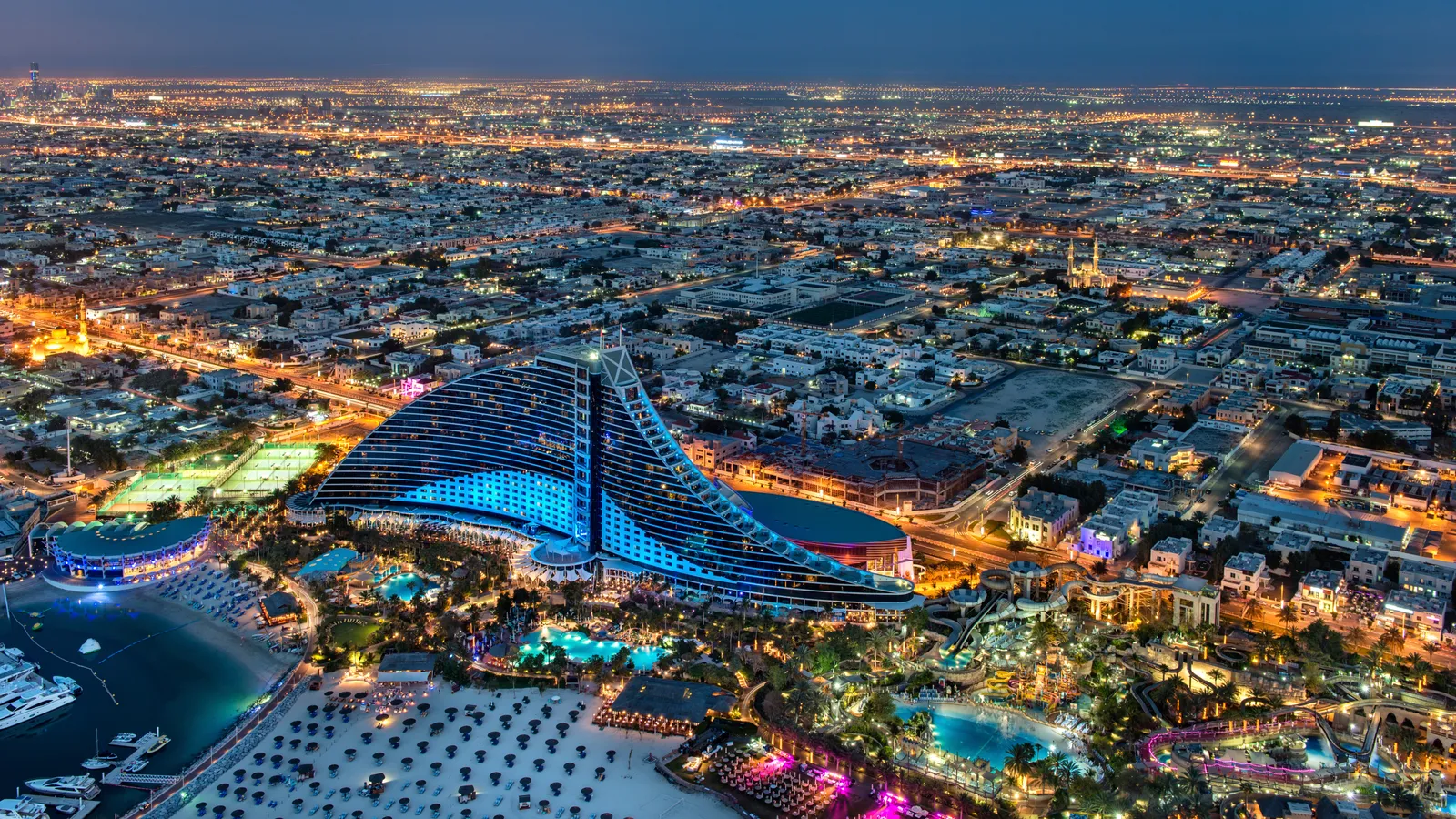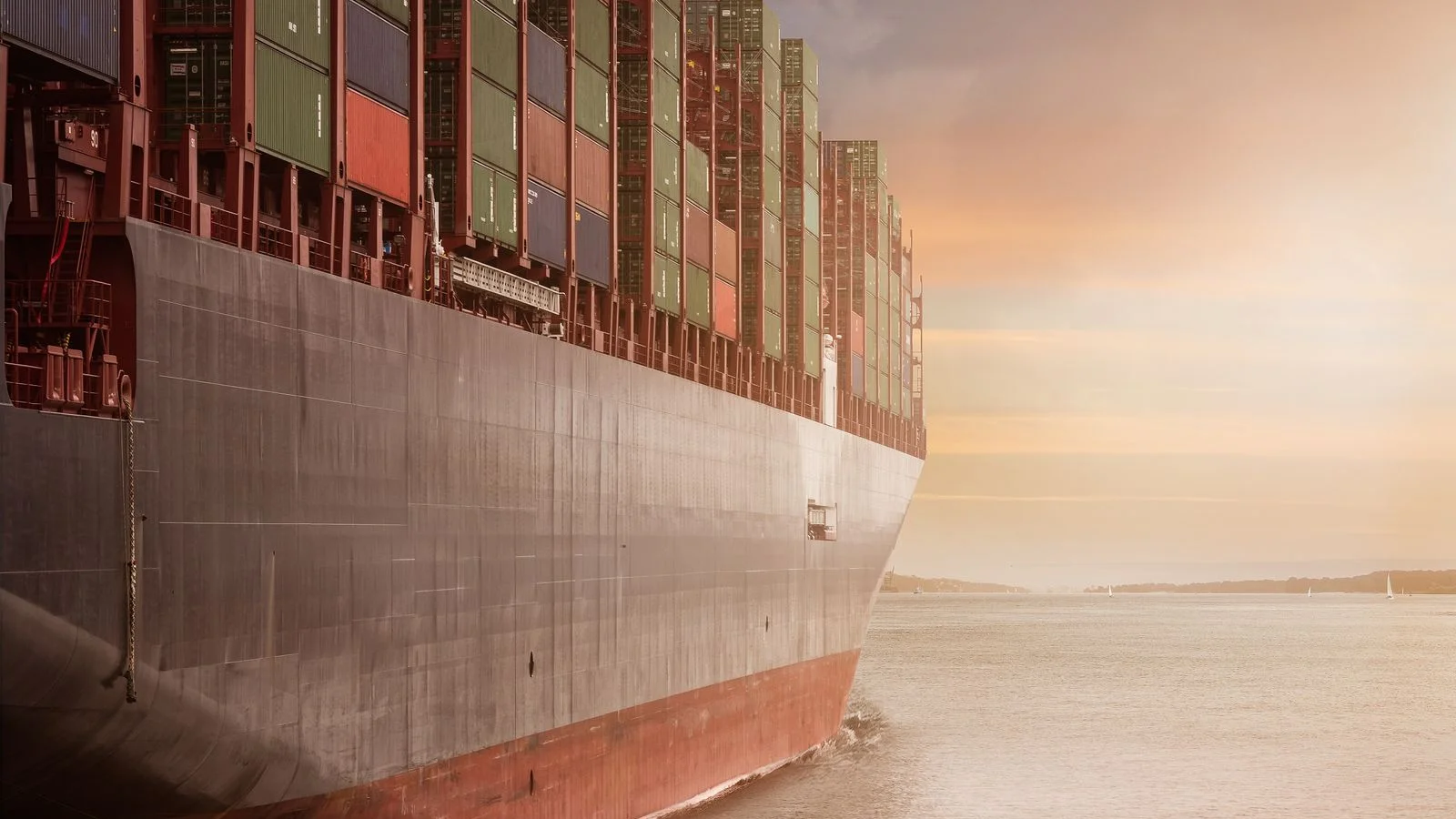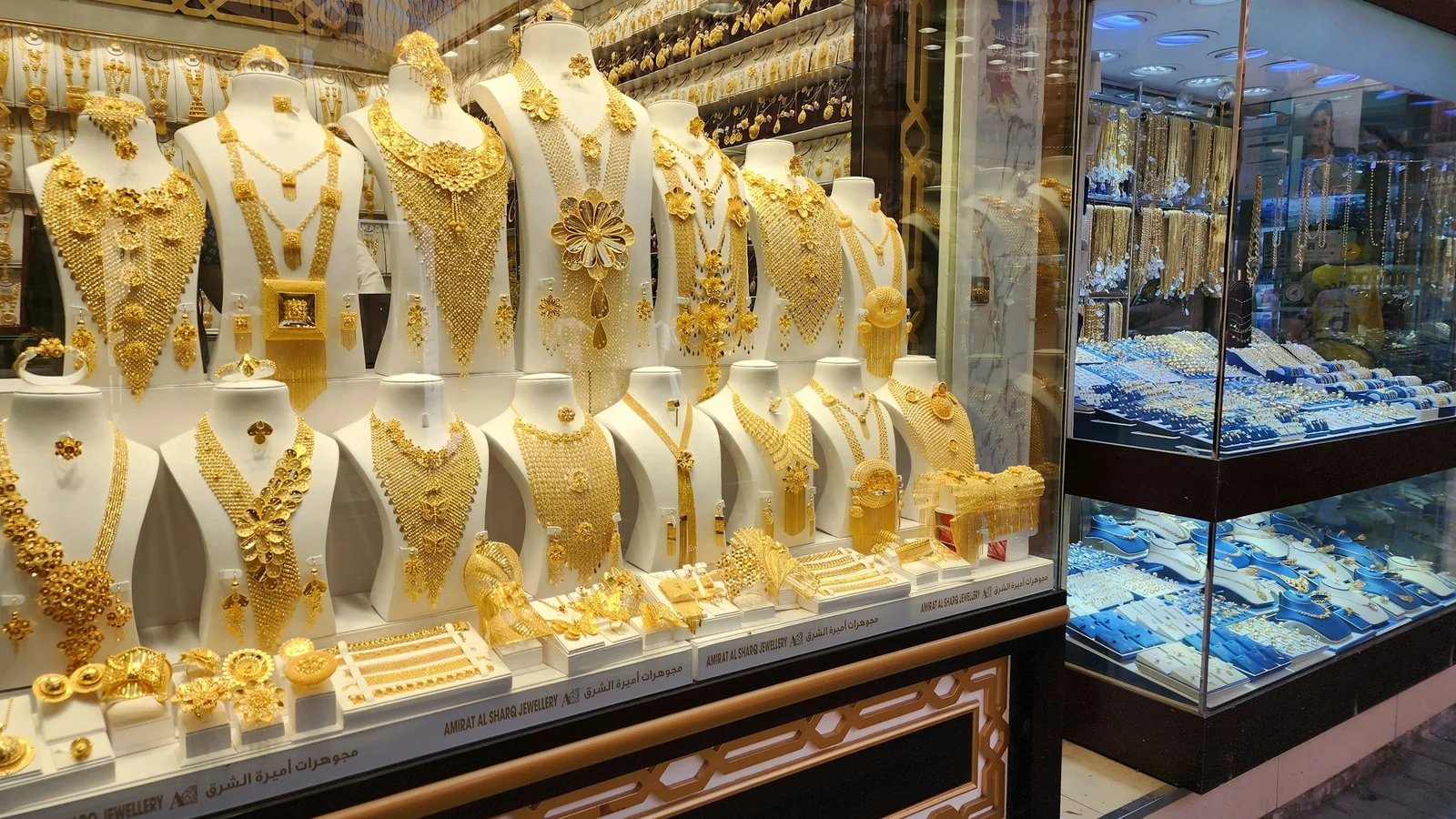
The UAE's non-oil foreign trade crossed AED 3.8 trillion in 2025, Jebel Ali is the largest container port in the Middle East, and Dubai is one of the world's great re-export hubs [9][10]. A general trading licence is the tool that lets you plug into that flow: one licence to import, export, wholesale, and re-export almost any category of goods, from electronics to textiles to furniture. But two things decide whether it works, and they are not on the licence brochure: which goods you actually cannot trade freely (many need a separate regulator's approval), and the heavy anti-money-laundering scrutiny general traders face when they try to open a bank account [1][11].
This guide is written to help you set up the right structure and avoid the expensive surprises. You will get an honest answer on whether you even need a general trading licence (it is the most expensive tier, and many businesses do not), the restricted and prohibited goods that trip up first-timers, how to choose between DMCC, JAFZA, Meydan, and the mainland, the free-zone 0% corporate-tax route a B2B trader can genuinely use, customs and VAT, the banking reality, and the working-capital traps that sink trading businesses. Since 2013, our team has set up trading companies across Dubai, so these figures and traps come from real files, not marketing pages.
Why start a general trading company in Dubai?
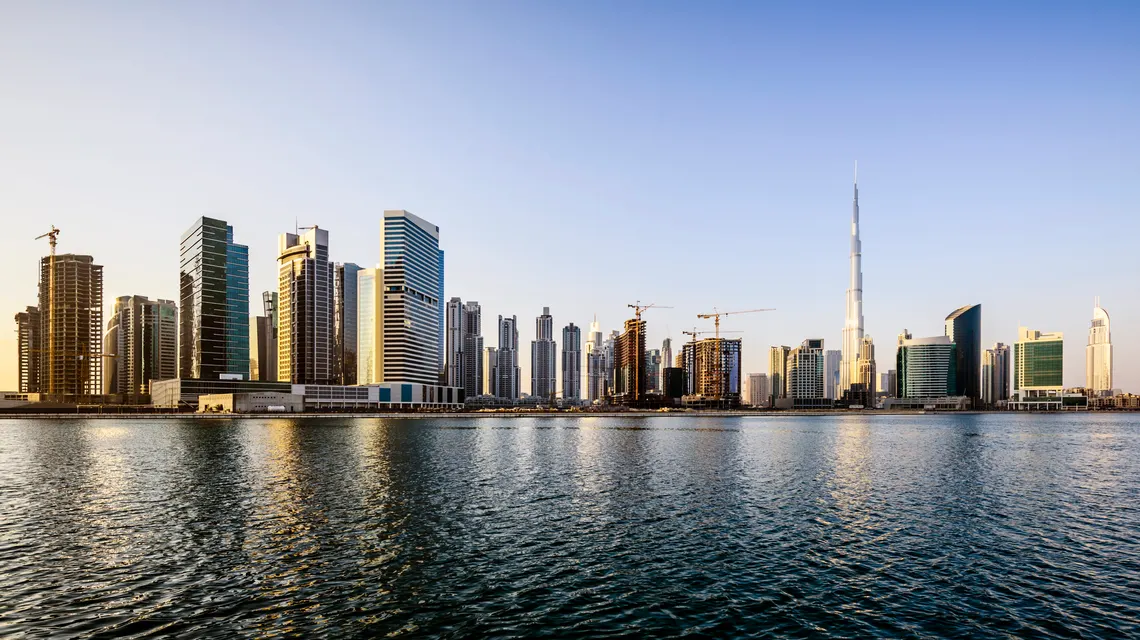
Dubai is built for trade. It sits between the world's producing and consuming regions, its ports and airports move goods at enormous scale, and it has spent decades becoming the region's re-export hub, where goods land, get stored and repacked, and move on to the GCC, Africa, and Asia [9][10]. The UAE is now a top-ten global goods exporter, and wholesale and retail trade is the single largest sector of Dubai's economy [10]. A general trading company is the flexible way into that: rather than being locked to one product line, you can trade many unrelated categories under a single licence, and pivot as opportunities change.
The reasons founders choose general trading here:
- One licence, many goods. Trade electronics this month, textiles the next, without adding activities each time.
- A global trade and re-export hub. Jebel Ali Port and its free zone connect to the whole region, with duty-free re-export.
- A real 0% corporate-tax route for a B2B trader or distributor structured correctly in a designated zone (covered below).
- 100% foreign ownership. You can own the company outright, with no Emirati partner [4].
Real Talk: The breadth is the appeal and the trap. A general trading licence lets you trade almost anything, which tempts founders to spread thin working capital across too many unrelated product lines instead of building depth in one. Use the licence's flexibility as optionality while still running a focused strategy. The traders who win go deep on a category and a supplier network; the ones who fail chase every deal.
Do you actually need a general trading licence?
Here is the honest question competitors skip, because they earn more selling you the top tier. A general trading licence is the broadest and most expensive category of trade licence, and many businesses do not need it [1]. The distinction:
- A specialised commercial (trading) licence limits you to a few related activities, for example only electronics, or only furniture and home furnishings. It is cheaper.
- A general trading licence lets you trade multiple, largely unrelated categories under one licence. It carries a large fixed surcharge on top, commonly around AED 10,000 to 15,000 a year more than a specialised licence [1].
You genuinely need general trading if your business model is diversity itself: a wholesaler or import-export house dealing in unrelated goods, or a company whose product mix will change unpredictably. If you can name your two or three related product categories today and do not expect them to change, a specialised licence does the same job for less [1].
Common Mistake: Buying the general trading licence for optionality you never use. If you will only ever trade one category, you are paying a premium every year for flexibility you do not need. Decide honestly whether breadth is your business, or just a nice idea. Not sure which licence fits your plan? Ask us→
What can you not trade freely? Restricted and prohibited goods
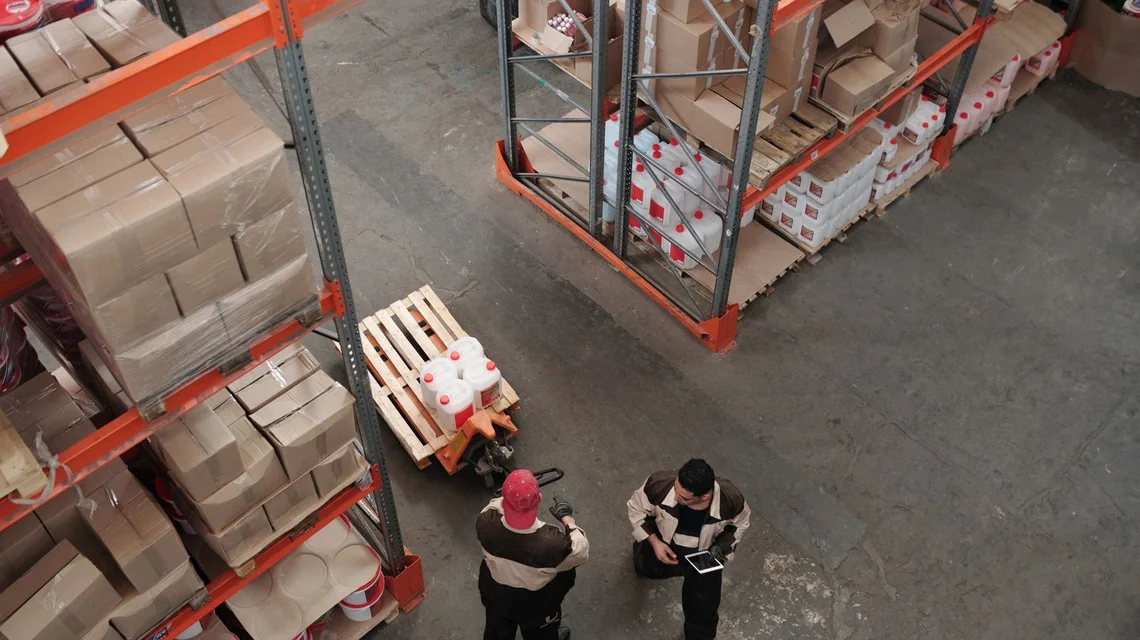
This is the section that saves founders the most money, and the one competing guides barely touch. A general trading licence is deliberately broad on paper, but it does not authorise regulated goods. Some goods are outright prohibited, and many others are restricted, meaning you can trade them only with a separate approval from the competent authority, which the general trading licence itself does not grant [1].
Prohibited outright (no route exists) includes narcotics, gambling machines, counterfeit goods, ivory and protected wildlife products, radioactive materials, live swine, and anything against public morals [1].
Restricted goods you can only trade with prior approval:
| Goods | Who must approve it |
|---|---|
| Food and foodstuffs | Dubai Municipality (FIRS registration, labels, halal) |
| Pharmaceuticals, medical devices | Ministry of Health and Prevention (MOHAP) |
| Cosmetics and supplements | Dubai Municipality (Montaji registration) |
| Telecom, radio, and wireless equipment | TDRA type approval |
| Regulated electronics | MOIAT (ECAS certification) |
| Weapons, ammunition, explosives | Ministry of Defence / Interior |
| Rough diamonds | UAE Kimberley Process Office |
| Alcohol and tobacco | Dubai Police / FTA excise and health approvals |
| Live animals, plants, fertilisers | Ministry of Climate Change and Environment |
There is one more trap that catches technical traders: dual-use goods. Items that have both civilian and military applications (certain electronics, machinery, sensors, chemicals, navigation equipment) are export-controlled under the UAE Control List, classified by their technical specification rather than their commercial label, and require permits before shipment. A general trading licence does not shield you from that, and the penalties run from heavy fines to seizure and worse [11].
Common Mistake: Assuming the general trading licence lets you import food, cosmetics, pharma, or electronics on its own. It does not. Those categories sit behind separate regulators, and goods arriving without the right approval get held at the port. Check every product category against its regulator (and against the Dubai Customs restricted list) before you buy stock. See our food trading company guide for how the food layer works.
What licence and approvals do you need?
The base is a commercial trade licence from the Dubai Department of Economy and Tourism (DET) carrying the general trading activity, issued through the Invest in Dubai portal, and available on a fast-track Instant Licence in a few working days [1][3]. On top of that base:
- Extra activity codes and regulator approvals for any restricted goods you will trade (food, pharma, telecom, and so on, as above).
- A Dubai Customs importer/exporter code (a Mirsal business code), which you register separately through the Dubai Trade portal, because the trade licence alone does not let you clear cargo [11].
- Ejari-registered premises for a mainland licence, or the free zone's flexi-desk or office.
Common Mistake: Treating the trade licence as the finish line. Without the customs code, the activity codes that match your actual goods, and the regulator approvals for restricted items, you cannot legally move a shipment. Set them up together, not after your first container is already on the water.
Free zone or mainland for a general trading company?
This decision shapes your market access, your cost, and your tax. The core trade-off is direct access to the UAE domestic market versus a cheaper, re-export-friendly, potentially tax-free structure [1][5]:
| Factor | Mainland (DET) | Free zone (DMCC, JAFZA, etc.) |
|---|---|---|
| Sell directly to UAE domestic customers | Yes, to anyone, and bid for government contracts | Not directly (a sale to the mainland is an import); now possible via a dual-licence permit |
| Import and re-export | Works, no duty suspension | Duty and VAT suspended in the zone; re-export duty-free |
| Cost | Higher (office rent + general trading surcharge) | Lower to start (flexi-desk, faster) |
| 0% corporate tax possible | No (9% above AED 375k) | Possible for a B2B trader in a designated zone |
| 100% foreign ownership | Yes | Yes |
A free-zone company historically could not sell directly to mainland customers (that counts as an import). The big 2025 change is that Dubai now lets free-zone companies operate on the mainland through a permit (a branch or remote-branch permit) without forming a second company, which opens the domestic market to free-zone general traders. We cover this in detail in our free zone access to Dubai mainland guide, and you should confirm the current fees and conditions with DET.
Real Talk: If your customers are UAE businesses and you want the local market and government tenders, mainland is the direct route. If you are an importer, re-exporter, or B2B distributor and tax efficiency matters, a designated-zone free zone can be cheaper and potentially tax-free. Many traders now run a free-zone base plus a mainland permit to get both. Compare the routes on our mainland company setup and free zone company setup pages.
Which free zone is best for general trading?
The free zones are not interchangeable; they sit at different price and prestige points [1]:
| Free zone | Position | Indicative general trading licence |
|---|---|---|
| DMCC | Premium, commodities and trade hub, strong banking reputation | from ~AED 20,000 to 25,000+ |
| JAFZA | Beside Jebel Ali Port, tiered licences, best for full-container import and warehousing | Type 3 general trading ~AED 15,000 |
| Meydan | Flexible, mid-cost, popular with SMEs | from ~AED 12,500 (3 activities) |
| IFZA | Fixed-fee, low-cost Dubai address | from ~AED 12,900 (+ general trading surcharge) |
| SHAMS / SPC / RAKEZ (Sharjah, RAK) | Budget, cheapest entry | from ~AED 5,765 to 14,255 |
- DMCC is the premium choice, a commodities and trade hub with hundreds of activities and a strong compliance and banking reputation, at the top of the price range.
- JAFZA sits next to Jebel Ali Port, has a clear tiered licence structure (a Type 1 with a few activities is cheap; the Type 3 general trading tier is the full-scope one), and is the default for genuine import and warehouse operations.
- Meydan, IFZA, and the Sharjah and RAK zones (SHAMS, SPC, RAKEZ) are cheaper to start, better for lighter or e-commerce-style trading where you do not need port adjacency.
Pro Tip: Match the zone to how you actually operate. If you move full containers and need warehousing, JAFZA's port adjacency earns its cost. If you want a low-cost licence and will use third-party logistics, a cheaper zone plus a 3PL works. It is completely normal to hold your licence in one zone (say DMCC) and store goods with a logistics provider in another (say JAFZA), as long as your customs code and tenancy chain line up.
Can a foreigner own 100% of a general trading company?
Yes. A foreign national can own 100% of a mainland general trading company in Dubai, with no Emirati partner and no local service agent, since the Commercial Companies Law reform (Federal Decree-Law No. 26 of 2020, consolidated by No. 32 of 2021) [4]. Trading, including general trading, gold, and jewellery, is explicitly among the activities opened to full foreign ownership. Free zone companies have always been 100% foreign-owned. A short list of strategic sectors (defence, telecom, banking) remains restricted, but general trading is not among them.
How much does it cost to set up?
General trading is consistently the most expensive licence tier, so budget accordingly. Indicative 2026 first-year figures [1][11]:
| Route | Realistic first-year all-in (AED) | Notes |
|---|---|---|
| Free zone (Sharjah / RAK budget zones) | 14,000 – 30,000 | Flexi-desk, 1 visa; cheapest entry |
| Free zone (Meydan / IFZA) | 25,000 – 35,000 | Includes the general trading surcharge |
| Free zone (JAFZA / DMCC) | 40,000 – 55,000+ | Port adjacency, prestige, warehousing extra |
| Mainland (DET) | 65,000 – 120,000+ | Office rent plus the ~AED 15,000 general trading activity fee |
The mainland is more expensive mainly because of the mandatory physical office and the general trading activity surcharge on top of the base licence [1]. Each additional visa adds roughly AED 3,500 to 6,000, and renewals are materially cheaper than the first year because you do not repeat the name reservation, initial approval, and notarisation costs.
Quick Math: A budget free-zone general trading licence with one visa can start around AED 15,000 to 25,000, while a mainland general trading company with a real office lands closer to AED 80,000 to 120,000. But the licence is the small number: the real capital is the stock you buy and the working capital to fund the gap between paying suppliers and getting paid (covered below). Plan the whole picture. For a transparent, itemised quote sized to your model, our team can price it exactly. Get a free setup quote→
Do you pay corporate tax? The free-zone 0% opportunity
This is where a general trading company has a real advantage a services business does not, if it is structured deliberately. A mainland general trader pays 9% corporate tax on profit above AED 375,000, and 0% below [5]. But a free-zone trader can access the 0% Qualifying Free Zone Person rate, because two of the qualifying activities fit trading squarely [5]:
- Trading of qualifying commodities: physical trading of metals, minerals, energy, and agricultural commodities that have a quoted market price. Note that goods packaged for retail sale are excluded, and if warehousing and logistics make up more than half your revenue, the commodity-trading route does not qualify.
- Distribution of goods in or from a designated zone: distributing goods held in a designated zone (JAFZA, DAFZA and similar) to customers who resell or process them, a genuine B2B distribution model.
The gate is the same as for any goods business: selling to individual consumers (B2C) is an excluded activity, so retail sales do not qualify for 0% and, if they exceed the de minimis limit (the lower of 5% of revenue or AED 5 million), can cost you the whole 0% status for that year and the next four [5]. To use the 0% route you also need real substance in the designated zone, audited accounts, and to not have opted into the standard regime [5].
Small Business Relief can treat a trader under AED 3 million revenue as having no taxable income for tax periods ending on or before 31 December 2029, and it cannot be combined with the free-zone 0% regime [5]. Read our UAE corporate tax filing guide for detail.
Pro Tip: The 0% route is real and specifically written for trading and distribution, but it is conditions-heavy and unforgiving. It rewards a genuinely B2B, designated-zone, well-documented operation and punishes drift into retail or a logistics-heavy model. If tax efficiency is central to your plan, get a written eligibility view from a tax adviser against your actual customer mix before you rely on it.
Do you pay VAT and customs duty?
Yes to both, with some relief on exports. On VAT, the rate is 5% and you register once taxable turnover passes AED 375,000 (voluntary from AED 187,500) [6]. Three points matter for a trader:
- Local sales are standard-rated at 5%.
- Exports of goods to outside the GCC are zero-rated (0%), so you charge no VAT but still recover your input VAT, provided you have the customs and shipping evidence and export within the required window [6].
- Import VAT is handled by reverse charge: give your Tax Registration Number at customs and account for it on your VAT return rather than paying cash at the border [6].
On customs, the standard GCC duty is 5% of the CIF value, but many essential goods are exempt, GCC-origin goods clear at 0% with a certificate of origin, and goods held in a designated zone are duty-suspended, with re-exports duty-free [5][7]. If you import with the intention to re-export, customs typically takes a refundable deposit or guarantee equal to the duty, released when you prove the goods left within the allowed period [7]. Note that the GCC moved to 12-digit HS codes in 2026, and Mirsal 2 rejects incorrect codes, so classify every product carefully.
Common Mistake: Not planning for the re-export deposit and the exact-match documentation. The duty deposit is refundable, but only if your export exit certificate matches the original import declaration exactly, down to the HS codes. Small mismatches are a common reason refunds get stuck.
Do you need a warehouse, and what about visas?
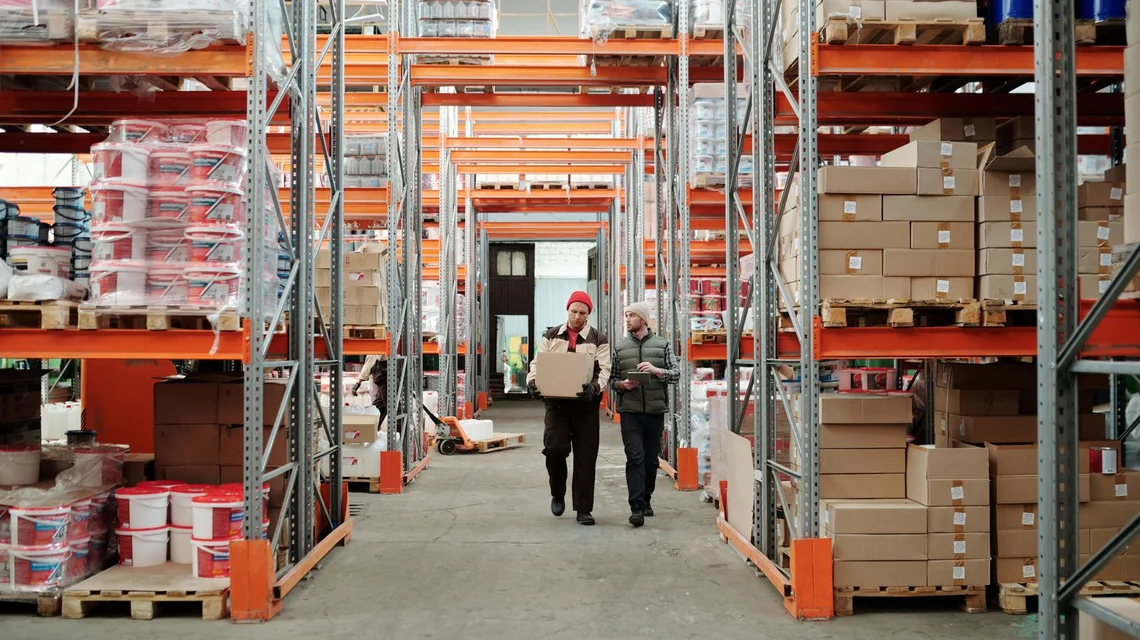
Not necessarily, and this is where the visa trap lives. A general trader does not have to own a warehouse; many hold a trading licence and contract a third-party logistics provider for storage, which is normal practice [11]. But how you set up your premises caps how many people you can sponsor:
- A flexi-desk (the cheapest way to hold a licence) usually caps your visa quota at two or three visas, regardless of revenue [11].
- A mainland office gives roughly one visa per nine square metres of Ejari-registered space.
- A warehouse or industrial unit unlocks much larger visa allocations tied to the facility size.
So a founder who plans to hire six people on a flexi-desk licence hits a wall and has to upgrade to a bigger office or warehouse mid-year, at extra cost [11].
Pro Tip: Size your premises to your hiring plan from the start. If you will run a real team of sales, warehouse, and logistics staff, plan for the office or warehouse footprint that supports those visas, rather than starting on a flexi-desk and being forced into a disruptive upgrade. Our post-setup services team maps the visa quota to your plan before you commit.
What are the steps and timeline?
A straightforward general trading company can be licensed in a few days to a couple of weeks:
- Decide whether you need general trading or a specialised licence, and choose mainland or a free zone.
- Reserve your trade name and get initial approval.
- Lease premises (Ejari for mainland, or a free zone desk or office) and add any restricted-goods activity codes with their approvals.
- Issue the trade licence (DET Instant Licence or the free zone's process).
- Register with Dubai Customs for your importer/exporter code.
- Apply for visas and open a corporate bank account (start the bank documentation early, it is the slow step).
- Import or export your first shipment through Mirsal 2.
Our post-setup services team runs the licence, customs, visa, and bank steps in parallel.
What documents do you need?
For the company and shareholders:
- Passport and Emirates ID or visa copies for shareholders and managers, or a No Objection Certificate if resident
- Trade name reservation and initial approval
- Notarised Memorandum of Association and Ejari-registered tenancy (mainland)
- Dubai Customs importer/exporter registration
Per shipment:
- Commercial invoice, packing list, bill of lading or airway bill, and certificate of origin
- Regulator approvals for any restricted goods, and export-control permits for dual-use items
- Correct 12-digit HS codes on the Mirsal 2 declaration
Why does general trading face such heavy banking scrutiny?
Because trade is a classic money-laundering channel, general trading is one of the most heavily scrutinised sectors when you open a bank account, alongside real estate and precious metals [11]. Banks worry about trade-based money laundering (over- or under-invoicing, phantom shipments), and Dubai's re-export volumes make it a sector they watch closely, especially after the Central Bank tightened anti-money-laundering guidance in 2026 with a specific focus on trade and cross-border flows.
What that means for you:
- "General trading" as a vague label is itself a red flag. Banks want to know exactly what you trade, from whom, and to whom. Arrive with a clear, specific description, sample invoices or contracts, and a real business model, not just the words "general trading" [11].
- Source of funds is the make-or-break document. Expect to evidence where your capital came from, with personal bank statements and a clear trail. Unexplained deposits or funds from higher-risk jurisdictions cause delays or rejection [11].
- Trade finance takes time to earn. Letters of credit and trade-finance lines usually need an operating track record, so a new trader often starts on cash-in-advance or documentary-collection terms and builds toward facilities.
If you have been rejected before, our guide on overcoming bank account rejection walks through the fixes.
Common Mistake: Treating the bank account as an afterthought. For a trading company it is often the hardest step, and without it you cannot pay suppliers, issue letters of credit, or collect revenue. Prepare the source-of-funds file and a specific activity description before you apply, not after the first rejection.
What do the economics look like?
Trading margins are thinner than they look, and cash flow is the real constraint. Gross margins on import-export trade commonly run 20% to 50%, with net margins nearer 5% to 20% after costs, and general traders often make less per unit than specialists, so profit comes from volume, a strong supplier-and-buyer network, and good deal selection rather than markup [11]. The bigger issue is working capital: you pay suppliers (often by letter of credit or in advance), hold or ship stock, and then wait 30 to 90 days for buyers to pay, so the business finances the gap out of its own pocket or a bank facility it may not yet qualify for [11].
Common Mistake: Under-capitalising the working-capital gap. Trading companies fail less from lack of demand and more from cash locked in inventory and unpaid invoices while suppliers, rent, and salaries come due on fixed dates. One buyer worth more than a third of your revenue is a concentration risk that can take the whole business down if they pay late. Fund the gap and spread the risk.
How do you staff a general trading company?
A trading operation runs on procurement, sales, logistics, and accounts people. Typical roles include sales and business development, a procurement or sourcing lead, a logistics and documentation coordinator, a warehouse manager if you hold stock, and an accountant, with a compliance function once you are larger given the AML and export-control exposure. Salaries vary widely by seniority; a warehouse or operations manager commonly runs AED 11,000 to 15,000 a month, sales staff a base plus commission, with total cost-to-company higher than the headline once housing and allowances are added [11]. Remember that your premises size caps your visa count, so plan headcount and office footprint together.
What mistakes do general trading founders make?
The predictable, expensive errors we see:
- Buying a general trading licence when a specialised one would do. Paying the top-tier surcharge for optionality you never use.
- Ignoring restricted-goods approvals until the cargo is at the port, then discovering food, cosmetics, pharma, or electronics need a separate regulator's sign-off.
- Missing dual-use export controls on technical goods, which carries serious penalties.
- Under-capitalising working capital, not just share capital, and getting caught in the pay-fast-collect-slow squeeze.
- The flexi-desk visa wall, planning a team the licence cannot sponsor, then upgrading mid-year.
- Wrong jurisdiction, setting up in a free zone then finding you need mainland access to invoice UAE customers directly.
- The bank account as an afterthought, hitting rejection cycles that stall the whole business.
- Over-diversifying under the general banner instead of running a focused strategy with the breadth as a backup.
Common Mistake: Treating the licence as the plan. The licence is the easy part. The business is won or lost on the goods you choose, the approvals you secure, the bank account you open, and the working capital you hold. Plan all of it.
Real Client Stories
These are real examples from businesses we have helped set up. Names have been changed for privacy.
Sanjay's specialised-not-general saving (Dubai mainland)
Sanjay came in asking for a general trading licence, but when we mapped his actual business (he sourced building materials and nothing else) we set him up on a specialised commercial licence instead. It cost him around AED 15,000 less a year and did exactly the same job. His tip: "I assumed I needed general trading because it sounds bigger. I only ever trade building materials, so I was about to pay a premium for flexibility I would never use. Ask what you actually trade first."
Layla's designated-zone re-export business (JAFZA)
Layla imported consumer electronics from Asia and re-exported across the GCC and Africa. We set her up in JAFZA next to the port, with a 3PL for warehousing, structured as a B2B distributor so her distribution income qualified for the 0% corporate-tax rate, with audited accounts and real substance in the zone. Her advice: "The port adjacency and the duty-free re-export made the whole model work, and because I sell to resellers from a designated zone, my tax adviser confirmed the 0%. Structure it deliberately, do not assume it."
Karim's banking wake-up call (Dubai mainland)
Karim's general trading company was licensed and ready, but his bank account got rejected twice because "general trading" was too vague and his source-of-funds file was thin. We rebuilt his application with a specific description of exactly what he traded, sample supplier contracts, and a clear capital trail, and the account opened. His takeaway: "The licence was the easy part. The bank wanted to know precisely what I traded and where my money came from. Prepare that properly or you cannot operate."
Start your Dubai general trading company the right way
A general trading company in Dubai is a powerful, flexible way into one of the world's great trade hubs, but it rewards operators who respect the details the brochures skip: whether you even need the top-tier licence, which goods you cannot trade freely, the right jurisdiction for your market, a bank account you have prepared for, and enough working capital to fund the trade cycle. Get those right and the breadth of a general trading licence is a genuine advantage.
Since 2013, BusinessDubai.ae has completed 700+ company registrations across the UAE, including general and specialised trading companies, with transparent itemised pricing and no hidden fees. We will confirm whether you need general trading or a cheaper specialised licence, choose the right jurisdiction, secure your customs code and any restricted-goods approvals, and sort your visas and bank account, with a clear all-in budget before you commit. Talk to a setup expert→ for a clear plan for your trading company. For the broader picture, see our import-export business guide.
Ready to set up your general trading company in Dubai the right way? Our licensed advisors handle the licence, customs code, restricted-goods approvals, visas and bank account end to end, with transparent, fixed fees.
Get started free→Frequently Asked Questions
How much does it cost to set up a general trading company in Dubai?
It depends on the route. A budget free-zone general trading licence with one visa can start around AED 12,000 to 14,000, IFZA around AED 21,400 and Meydan around AED 21,050, JAFZA or DMCC around AED 40,000 to 55,000-plus, and a mainland general trading company AED 65,000 to 120,000-plus because of the office and the general trading activity surcharge. Stock and working capital are separate and larger.
Is there a minimum capital for a general trading company?
On the mainland, a general trading LLC commonly states a share capital figure (often cited around AED 300,000) in its memorandum, but this is a declared figure showing capacity, not money you must deposit in a bank account. Most free zones have no minimum share capital requirement for general trading. What actually matters is holding enough working capital to fund the trade cycle.
What is a general trading licence in Dubai?
It is a commercial licence that lets you import, export, wholesale, and re-export multiple, largely unrelated categories of goods (electronics, textiles, furniture, foodstuffs and more) under one licence, rather than being limited to one product line like a specialised commercial licence. It is the broadest and most expensive trading licence tier.
Do I really need a general trading licence, or a specialised one?
Only get general trading if your business genuinely deals in diverse, unrelated goods or your product mix will change unpredictably. If you can name your two or three related categories today and they will not change, a specialised commercial licence does the same job and costs roughly AED 10,000 to 15,000 a year less.
What goods can I not trade with a general trading licence?
Some goods are prohibited outright (narcotics, gambling machines, counterfeits, protected wildlife). Many others are restricted and need a separate regulator's approval, including food (Dubai Municipality), pharmaceuticals (MOHAP), cosmetics (Montaji), telecom and radio equipment (TDRA), regulated electronics (MOIAT), weapons, and rough diamonds. Dual-use technical goods also need export-control permits.
Can a foreigner own 100% of a general trading company in Dubai?
Yes. Since the 2021 Commercial Companies Law reform, a foreign national can own 100% of a mainland general trading company with no Emirati partner or local service agent, and free zone companies are 100% foreign-owned by design.
Should I set up on the mainland or in a free zone?
Mainland gives direct access to UAE domestic customers and government contracts but costs more. A free zone is cheaper to start, ideal for import and re-export, and can offer 0% corporate tax for a B2B trader, but historically could not sell to the mainland directly. A 2025 permit now lets free-zone companies operate on the mainland, so many run both.
Which free zone is best for a general trading company?
DMCC is the premium commodities and trade hub with a strong banking reputation. JAFZA sits by Jebel Ali Port and is best for full-container import and warehousing. Meydan and IFZA are flexible mid-cost options, and SHAMS, SPC, and RAKEZ are the cheapest to start. Match the zone to whether you need port adjacency and warehousing.
Can a general trading company get 0% corporate tax in a free zone?
Yes, conditionally. Trading of qualifying commodities and distribution of goods from a designated zone are qualifying activities, so a B2B trader or distributor with real substance in a designated zone, selling to resellers or processors, can qualify for the 0% rate. Selling to individual consumers is excluded. Confirm your structure with a tax adviser.
Do general trading companies pay VAT?
Yes, at 5%, once turnover passes AED 375,000. Local sales are standard-rated, exports of goods outside the GCC are zero-rated (with evidence), and import VAT is handled by reverse charge using your Tax Registration Number rather than paid in cash at the border.
How much is customs duty for a general trader?
The standard GCC duty is 5% of the CIF value, but many essential goods are exempt and GCC-origin goods clear at 0% with a certificate of origin. Goods in a designated zone are duty-suspended, and re-exports are duty-free, with a refundable deposit taken if you import with re-export intent. The GCC moved to 12-digit HS codes in 2026.
Do I need a Dubai Customs code?
Yes, if you import or export. The trade licence alone does not let you clear cargo; you register separately with Dubai Customs through the Dubai Trade portal to get an importer/exporter code (a Mirsal business code), which is inexpensive and issued in a few days.
Do I need a warehouse for a general trading company?
No. Many general traders hold a trading licence and use a third-party logistics provider for storage, which is normal practice. You only need your own warehouse if your volume and operations justify it, and a warehouse does unlock a larger visa quota than a flexi-desk.
How many visas can a general trading company get?
A flexi-desk usually caps you at two or three visas. A mainland office gives roughly one visa per nine square metres of leased space, and a warehouse or industrial unit unlocks much larger allocations. Plan your premises around your hiring plan to avoid a forced upgrade.
Why is it hard to open a bank account for a general trading company?
General trading is a high-scrutiny sector for anti-money-laundering, alongside real estate and precious metals, because trade is a known laundering channel. Banks want a specific description of what you trade, sample contracts, and a clear source-of-funds trail. Vague "general trading" descriptions and thin documentation are common rejection reasons.
How long does it take to set up a general trading company?
The licence itself can be issued in a few days to a couple of weeks via DET's Instant Licence or a free zone's process. The slower steps are the customs code, visas, and especially the corporate bank account, so plan on several weeks end to end and start the bank documentation early.
What is the difference between general trading and import-export?
General trading is a licence type that lets you trade many categories of goods; import-export describes the activity of bringing goods in and sending them out. A general trading licence typically includes import and export rights, but you still need a Dubai Customs code to actually move goods across the border.
What profit margin does general trading make?
Gross margins commonly run 20% to 50% and net margins nearer 5% to 20% after costs, with general traders often earning less per unit than specialists. Profit comes from volume, a strong supplier-and-buyer network, and good deal selection, not from a high markup, so cash flow and working capital discipline matter most.
What are dual-use goods and why do they matter?
Dual-use goods have both civilian and military applications (certain electronics, machinery, chemicals, sensors) and are export-controlled under the UAE Control List, classified by technical specification. A general trading licence does not authorise them; you need export-control permits before shipment, and the penalties for getting it wrong are severe.
Can a free zone general trading company sell to the mainland?
Historically not directly, because a sale to the mainland is treated as an import. As of a 2025 Dubai resolution, free-zone companies can now operate on the mainland through a branch or remote-branch permit without forming a second company, which opens the domestic market to free-zone general traders. Confirm the current fees and conditions with DET.
What is Small Business Relief and can I use it?
Small Business Relief lets a company with revenue under AED 3 million be treated as having no taxable income for tax periods ending on or before 31 December 2029 and it cannot be combined with the free-zone 0% regime. A small mainland trader under the threshold can use it for simplicity through 2029, then plan for standard treatment.
What are the ongoing costs of a general trading company?
Annual licence renewal (cheaper than year one), VAT filing (usually quarterly), corporate tax registration and annual filing, audited accounts where required, the UBO register kept current, customs declarations per shipment, office or warehouse rent, visa renewals, and bank charges. Budget for the whole recurring picture, not just the licence.
Do I need a physical office for a general trading company?
On the mainland, yes, an Ejari-registered office, and its size sets your visa quota. In a free zone you can start on a flexi-desk (cheaper but with a low visa cap) or take an office or warehouse. Many traders hold the licence on a flexi-desk and use third-party logistics for storage.
What documents do I need to import goods?
A commercial invoice, packing list, bill of lading or airway bill, certificate of origin, correct 12-digit HS codes on the Mirsal 2 declaration, your Dubai Customs importer code, and regulator approvals for any restricted goods (plus export-control permits for dual-use items). Missing or mismatched documents are the top reason cargo is held.
Is general trading in Dubai profitable?
It can be, given Dubai's trade-hub position, but margins are thin per unit and cash flow is the constraint. Success comes from a focused product and supplier strategy despite the licence's breadth, enough working capital to fund the trade cycle, and disciplined credit control, not from the licence alone.
References
[1] Dubai Department of Economy and Tourism (DET) and Invest in Dubai. General trading and commercial trade licences, activity codes, Instant Licence, and the goods requiring extra regulator approvals. dubaidet.gov.ae and investindubai.gov.ae
[2] DMCC, JAFZA, Meydan Free Zone, IFZA and Sharjah / RAK free zones. General trading licence tiers, activities, and pricing. dmcc.ae and jafza.ae
[3] Invest in Dubai. Trade licence issuance and the Instant Licence service. investindubai.gov.ae
[4] UAE Government Portal. Full foreign ownership of mainland companies (Federal Decree-Law No. 26 of 2020 and No. 32 of 2021). u.ae
[5] Federal Tax Authority and Ministry of Finance. UAE Corporate Tax (Federal Decree-Law No. 47 of 2022), Qualifying and Excluded Activities including trading of qualifying commodities and distribution from a Designated Zone (Ministerial Decisions No. 229 and 230 of 2025), Small Business Relief (Ministerial Decision No. 73 of 2023, as amended by Ministerial Decision 131 of 2026), and GCC customs duty. tax.gov.ae and mof.gov.ae
[6] Federal Tax Authority. VAT (Federal Decree-Law No. 8 of 2017), the 5% standard rate, zero-rated exports of goods, registration thresholds, and reverse-charge import VAT. tax.gov.ae
[7] Dubai Customs and Federal Customs Authority. Importer registration, the Mirsal 2 declaration system, 12-digit HS codes, the GCC Common Customs Tariff and exemptions, Designated Zone duty suspension, and re-export duty deposits. dubaicustoms.gov.ae
[8] Dubai Customs and competent authorities. Prohibited and restricted goods, and the regulators for food (Dubai Municipality), pharmaceuticals (MOHAP), telecom (TDRA), electronics (MOIAT), and rough diamonds (Kimberley Process); dual-use export controls (Federal Decree-Law No. 43 of 2021). dubaicustoms.gov.ae
[9] DP World and Dubai trade data. Jebel Ali Port and Jebel Ali Free Zone as a global trade and re-export hub, and Dubai non-oil foreign trade. dpworld.com
[10] Dubai Department of Economy and Tourism and market sources. Dubai's role as a global trade and re-export hub and non-oil trade volumes. dubaidet.gov.ae
[11] Industry cost, banking, logistics and salary sources (free-zone and setup providers, trade-finance and AML/compliance analyses, and salary guides). Licence costs by jurisdiction, the flexi-desk visa quota, banking and AML scrutiny of general trading, letters of credit, trading margins and working capital, and staffing salaries. Figures are indicative and should be confirmed with live quotes.
[12] BusinessDubai.ae. Internal data from UAE general and specialised trading company registrations since 2013, including licensing, customs, restricted-goods approvals, banking, and client case studies. businessdubai.ae