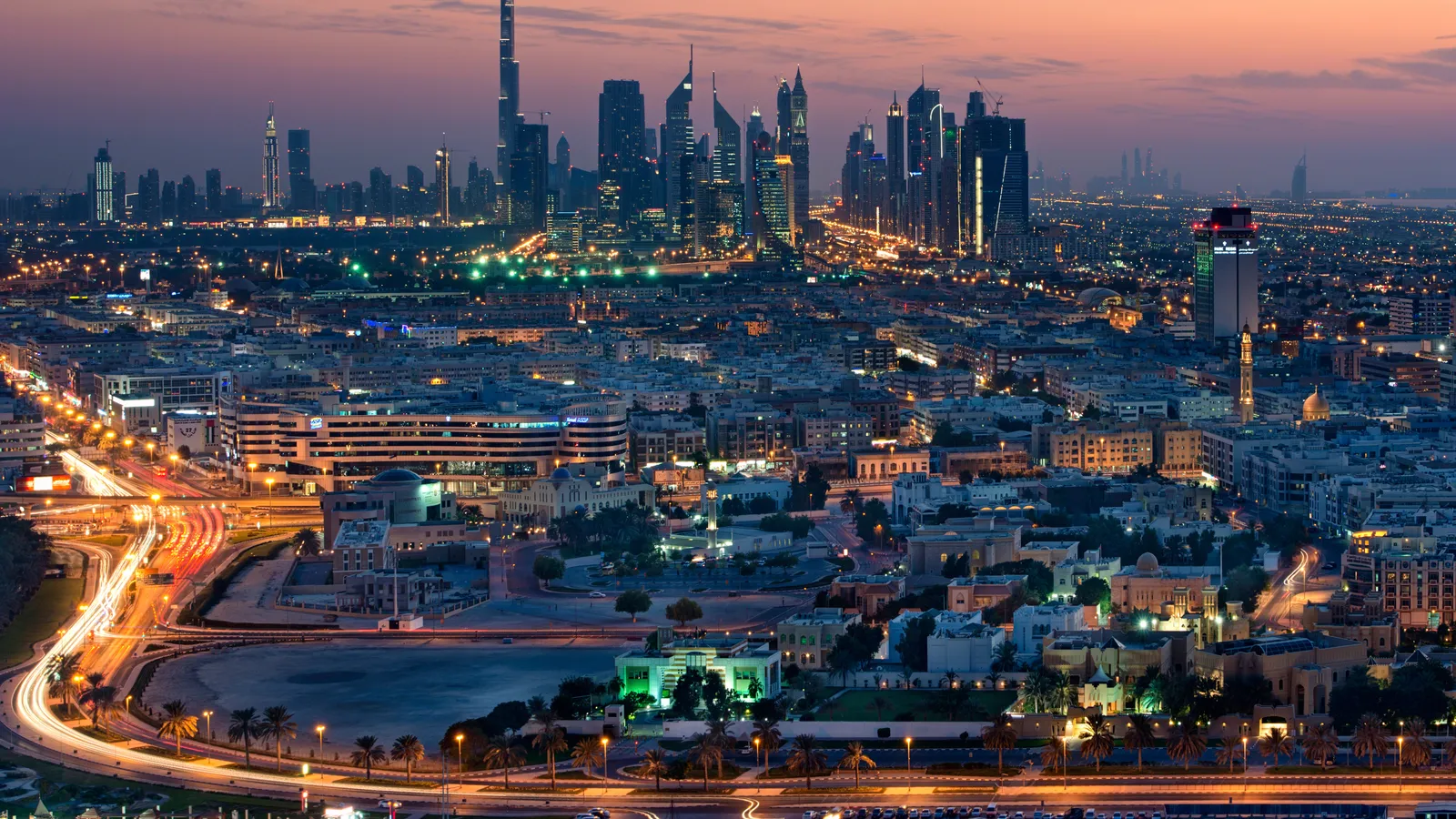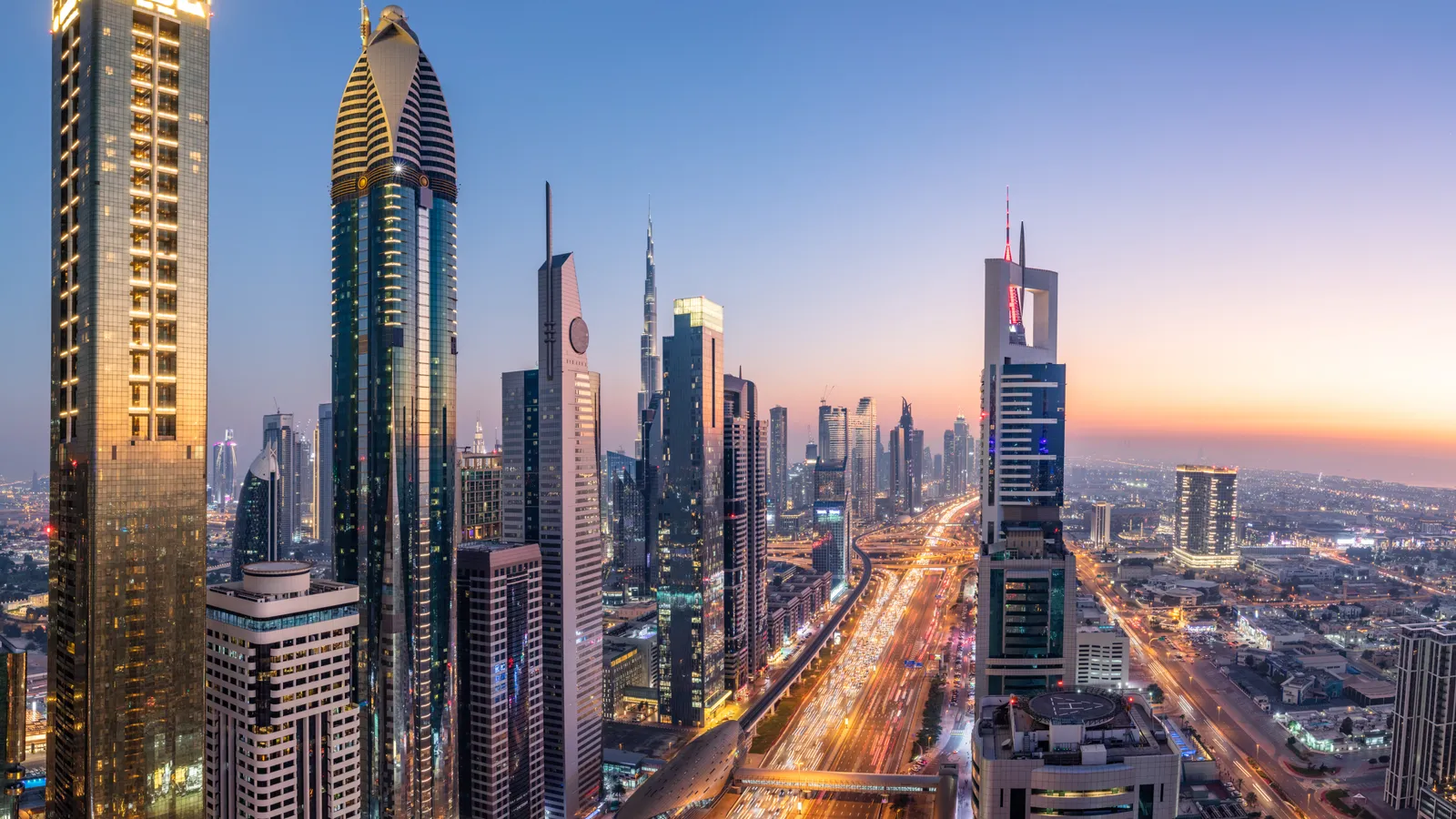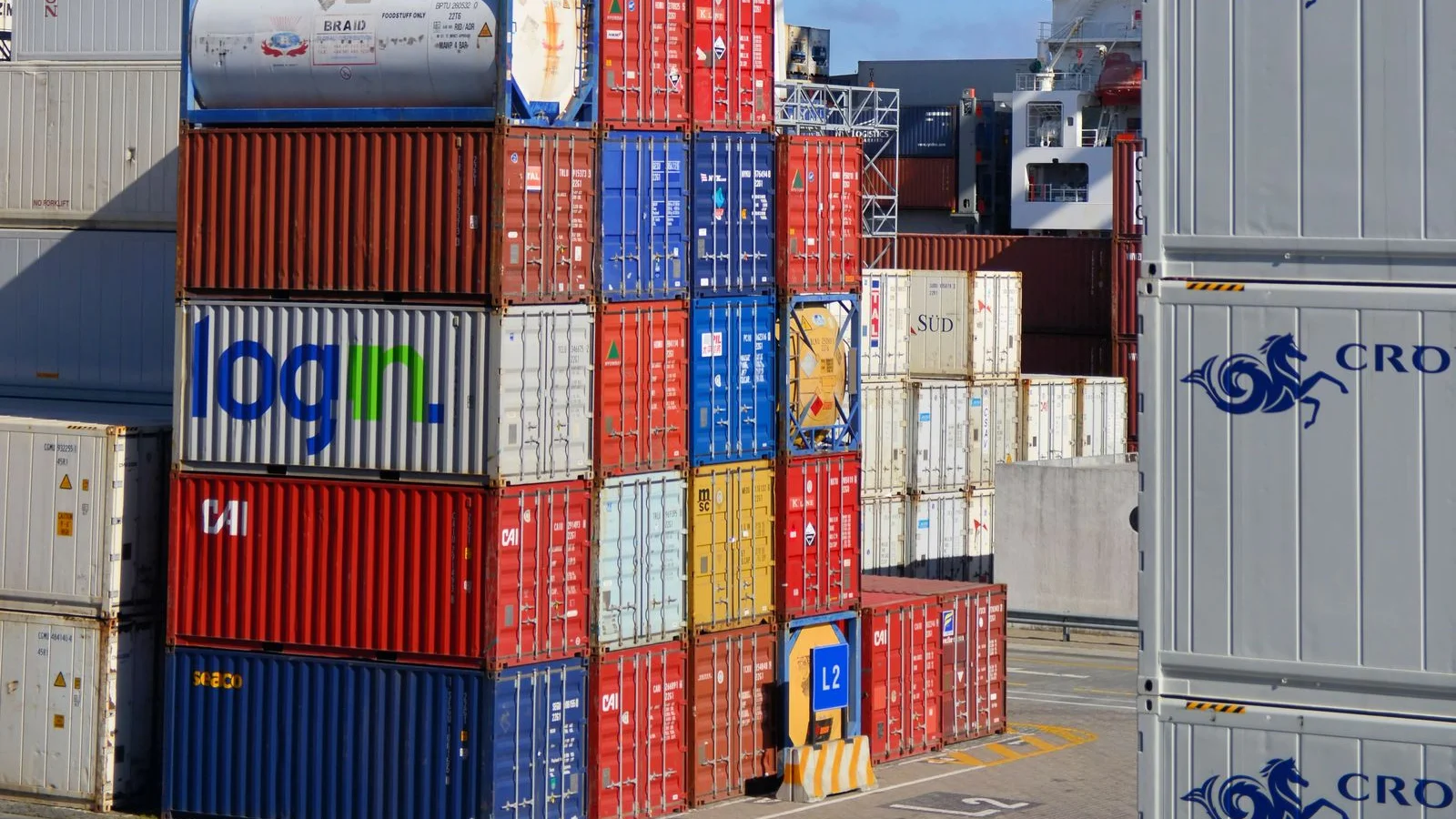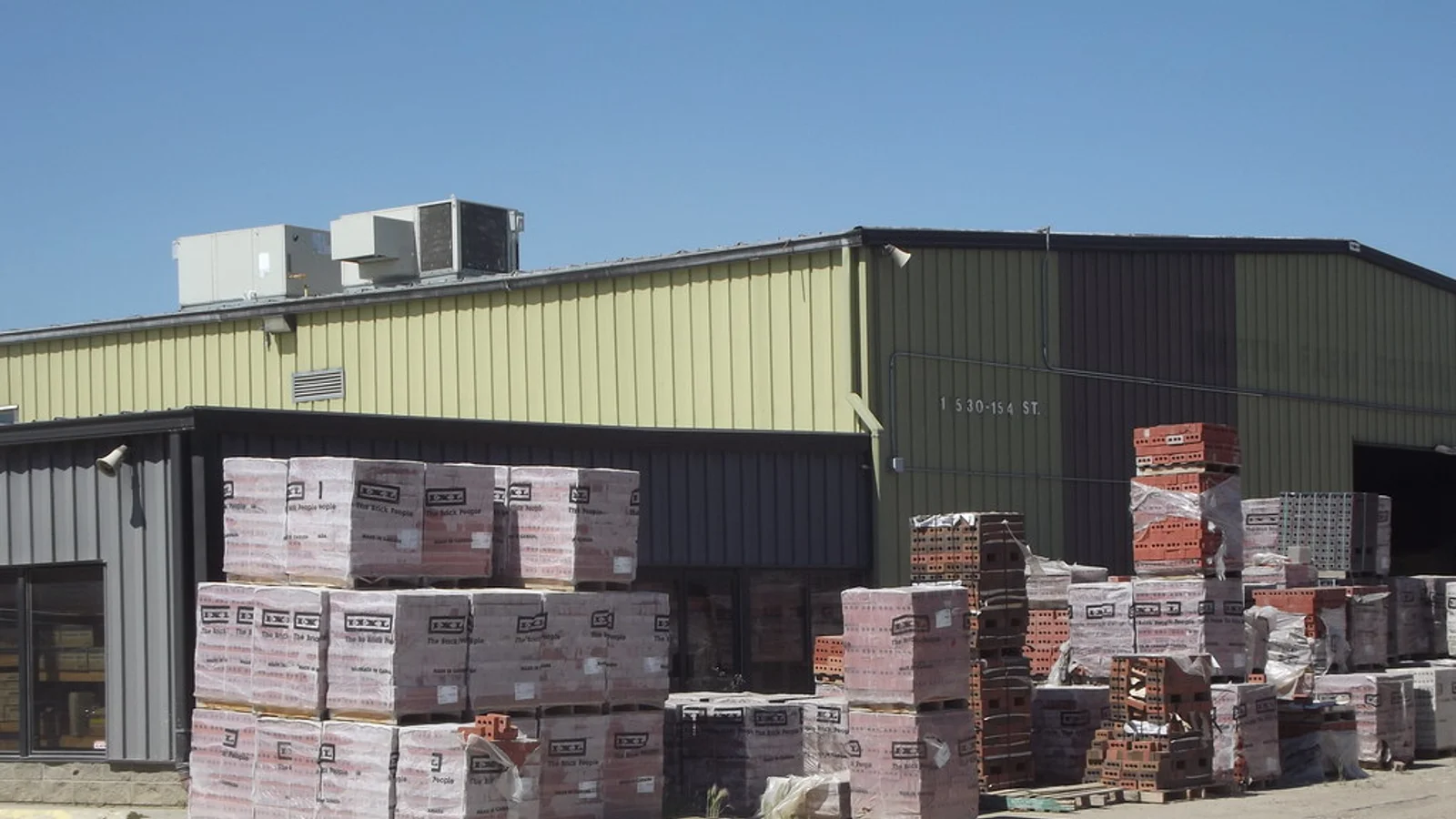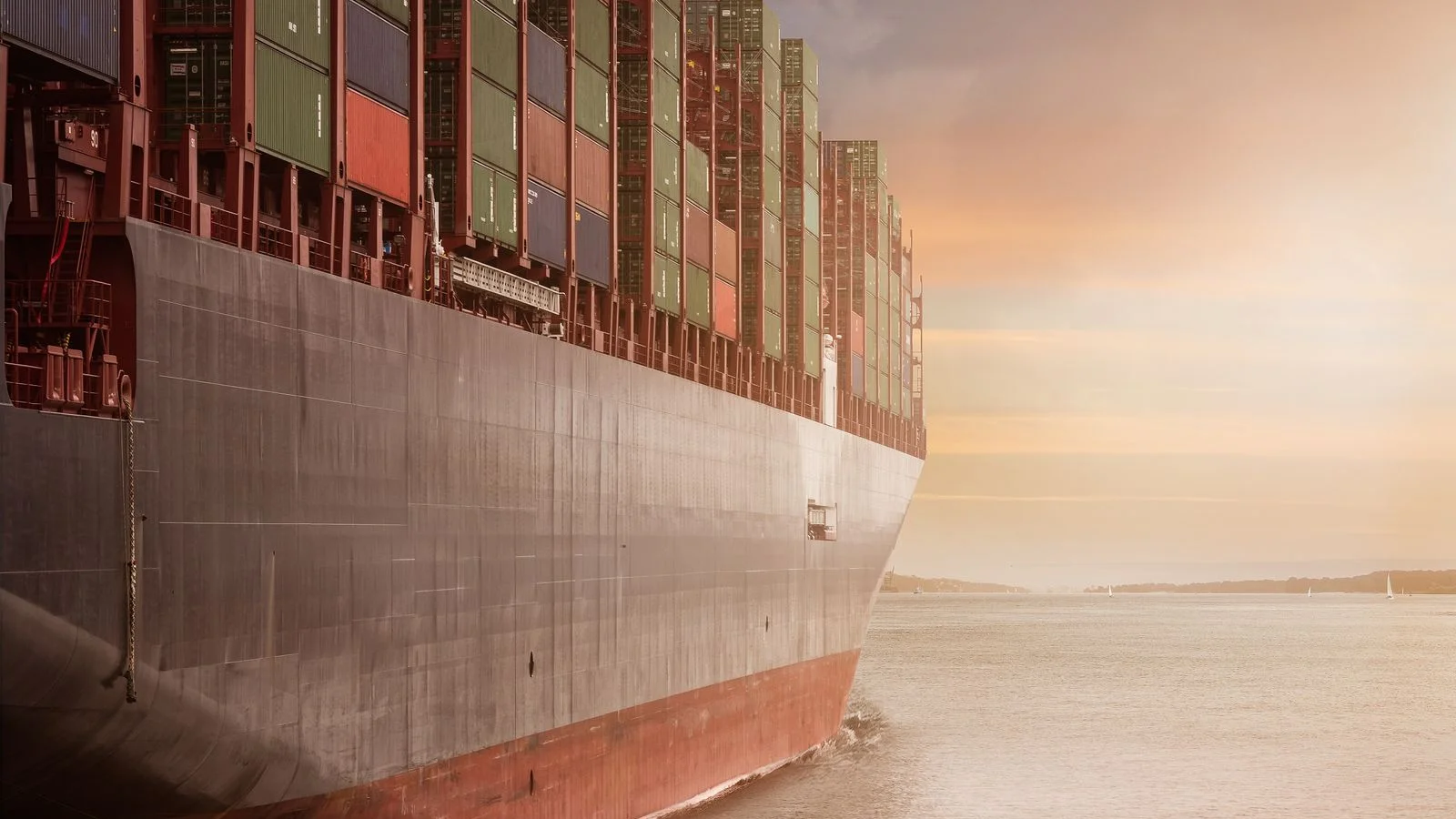
The UAE imports roughly 85% to 90% of its food, and Dubai has built itself into one of the world's great food re-export hubs, with Jebel Ali Port handling more than 15 million containers a year and JAFZA alone doing record trade [9][10]. That is a genuinely large opportunity for a food trading company. But the two things that decide whether you succeed are not on the licence brochure: getting every product past Dubai Municipality's FIRS food-import registration, and surviving the cash-flow trap where you pay suppliers fast and get paid by supermarkets 60 to 120 days later [1][11].
This guide is written to help you set the business up correctly and run it profitably. You will get the licence and the food-import registration that most guides skip, halal certification, how customs duty and the reverse-charge VAT actually work, the free-zone 0% corporate-tax opportunity that a food distributor can genuinely use (unlike a restaurant), cold chain and warehousing, how to distribute to supermarkets and hotels, and the honest cash-flow reality that kills undercapitalised traders. Since 2013, our team has set up trading and food companies across Dubai, so these figures and traps come from real files, not marketing pages.
Why start a food trading company in Dubai?
Dubai sits between the world's big food-producing and food-consuming regions and imports almost all of what it eats, so food trading is a structural, policy-backed opportunity, not a fad. The UAE brings in an estimated 85% to 90% of its food, and the government's National Food Security Strategy 2051 actively pushes importers to diversify supply, targeting three to five sources per food category [10]. On top of domestic demand, Dubai is a re-export gateway: goods land at Jebel Ali, get stored and repacked, and move on to the GCC, Africa, and South Asia without ever paying UAE duty [9][10].
The reasons founders choose food trading here:
- Huge, stable import demand. A population that grows every year and imports the overwhelming majority of its food.
- A world-class re-export hub. Jebel Ali Port and JAFZA, connected to 150-plus ports, with India reachable in under five days [10].
- A real 0% corporate-tax route for a B2B distributor structured correctly in a designated zone (covered below).
- 100% foreign ownership. You can own the company outright, with no Emirati partner [4].
Real Talk: Ignore the eye-catching "UAE food imports will hit USD 400 billion" figure that gets copied across setup sites. It is wrong (actual UAE agri-food imports are in the region of USD 25 to 30 billion a year). The real opportunity is big enough without inflated numbers, and the businesses that win are the ones that respect the compliance and the cash-flow reality, not the ones chasing a made-up market size.
What licence do you need for food trading?
You need a commercial trade licence from the Dubai Department of Economy and Tourism (DET) carrying a food trading activity, and because it is food, a Dubai Municipality food-safety approval is built into the process before the licence is finalised [1][3]. Two routes exist:
- A dedicated Foodstuff Trading licence (with sub-variants like frozen foodstuff, dairy, or organic food trading). This is the standard choice for a business whose core is importing and wholesaling food.
- A General Trading licence that includes foodstuff as one activity among many. This suits a diversified trader dealing in food plus other goods, but every food line still triggers the same Dubai Municipality approvals.
Confirm the exact activity name and code on the Invest in Dubai portal at application, because the activity determines your approvals and visa quota [3].
Common Mistake: Treating the DET licence as the finish line. Any licence carrying a food activity requires a Dubai Municipality Food Safety approval before it is issued, and then a separate layer of product registration before you can actually import (covered next). The licence is the start of the compliance, not the end of it. Check the right activity and structure for your food business→
What is FIRS, and how do you register your products?
This is the step almost every competing guide skips, and it is the one that actually gates your business. Beyond the company licence, Dubai Municipality requires you to register your company as a food importer and then register every single product (SKU) you import through the Food Import and Re-export System (FIRS) before its first shipment can clear [1]. No product category is exempt.
For each product you submit:
- Bilingual Arabic and English labels, a full ingredient list, and nutritional information per 100g.
- A Certificate of Analysis and a Certificate of Conformity, plus a halal certificate where the product needs one.
- A minimum shelf life (commonly a year) remaining at import, and labels that meet the UAE and GSO standard (GSO 9), not EU or US label formats.
Registration typically takes around ten working days to a few weeks per product with complete documents, and each shipment then needs an import notification, with Dubai Municipality able to pull samples for testing at its Jebel Ali laboratory [1][11]. The common reasons products get rejected are illegible or non-compliant labels, banned ingredients (for example poppy seed or alcohol), duplicate barcodes, and incomplete ingredient declarations.
Pro Tip: Register your core products in FIRS before you ship, not after they land. Goods arriving without an approved product registration sit at the port, accruing storage and demurrage. Budget the per-SKU registration effort (the government fee itself is small, but label translation, certificates, and getting it right add real cost per product) into your launch, especially if you are opening with a large catalogue. Our post-setup services team handles FIRS and product registration.
Do you need halal certification?
For a large part of a food catalogue, yes. Halal certification is mandatory for meat, poultry, and any product containing animal-derived ingredients, and in practice is commonly extended to dairy and confectionery [1]. It is not optional for those categories, and a mismatch between the halal certificate and the product actually shipped is an explicit reason for rejection at port.
- Who regulates it: the UAE halal standard sits with ESMA, now operating within the Ministry of Industry and Advanced Technology (MOIAT), so you will see both names in use [1].
- Who issues it: you cannot get it in the UAE at import; the certificate must come from a certification body in the exporting country that is accredited by the UAE, and accreditation changes over time, so the certifier your supplier uses must be checked against the current approved list at the time of each shipment [1].
- What is exempt: fresh produce, grains, rice, pulses, spices, herbs, and fully vegetarian processed foods generally do not need halal certification.
Common Mistake: Assuming a supplier's old halal certificate is still valid, or that any halal logo is accepted. UAE authorities only accept certificates from currently accredited bodies, and they must match the exact product. Verify the certifier before you commit to a supplier and before every meat or poultry shipment.
How do imports and customs duty work?
Holding the licence does not let you clear cargo; you must register separately with Dubai Customs to get an importer code, then declare each shipment through the Mirsal 2 system [11]. Per shipment you will need a commercial invoice, packing list, bill of lading or airway bill, a certificate of origin, an original health certificate from the exporting country, and, for meat and animal products, halal and veterinary health certificates.
On duty, the picture is better for food than most people expect:
- The standard GCC customs duty is 5% of the CIF value (cost, insurance, freight) [5].
- But a large list of basic foodstuffs is duty-exempt, including grains, wheat and flour, fresh fruit and vegetables, and live animals. Processed and packaged branded food generally attracts the 5% [5].
- GCC-origin goods clear at 0% with a valid certificate of origin, and re-exports that never enter the mainland pay no duty at all [5].
Pro Tip: Confirm the duty status of each product at its exact 12-digit HS code before you price it, because "food" is not one duty rate: fresh, processed, and retail-packaged versions of the same product can sit in different tariff lines. Getting the HS code right also matters because the Mirsal 2 system increasingly rejects incorrect or outdated codes, which holds your cargo at the port.
Free zone or mainland for a food trading company?
This is the decision that shapes both your market access and your tax, so get it right. The trade-off is between reaching UAE mainland customers directly and running an efficient import-and-re-export operation [5][10]:
| Factor | Mainland (DET) | Free zone (e.g. JAFZA) |
|---|---|---|
| Sell/distribute directly to UAE mainland customers | Yes, to any retailer, hotel or wholesaler | Not directly; a sale to a mainland buyer is treated as an import (duty + VAT) |
| Import and re-export hub | Works, but no duty suspension | Duty and VAT suspended while goods stay in the zone; re-export duty-free |
| 100% foreign ownership | Yes | Yes |
| 0% corporate tax possible | No (mainland is 9% above AED 375k) | Possible for a B2B distributor in a designated zone (see below) |
| Best for | A domestic wholesaler/distributor | An importer, re-exporter, or B2B distributor structured for 0% tax |
A free-zone company (JAFZA and similar) cannot sell directly into the UAE mainland under its free-zone licence; a sale to a mainland buyer is legally an import, triggering duty and VAT at that point. To reach mainland customers you either appoint a mainland distributor or run a dual structure: a free-zone entity for import, bonded storage, and re-export, plus a mainland entity for domestic wholesale [5][10].
Real Talk: JAFZA sits right next to Jebel Ali Port and is a customs-controlled designated zone, which is exactly why it is the default for import and re-export operations. But if your customers are Dubai supermarkets and hotels, you need mainland access one way or another. Decide your customer base first, then the structure. Compare the routes on our mainland company setup and free zone company setup pages, or read our free zone vs mainland vs offshore guide.
Can a food trading company get the free-zone 0% corporate tax?
Here is the genuinely valuable point most guides get wrong in both directions, either promising blanket "0% tax in free zones" or ignoring it. Unlike a restaurant (where serving food to consumers never qualifies), a food trading company can legitimately access the 0% Qualifying Free Zone Person rate, but only if it is structured as a real B2B distributor in a designated zone [5].
The tax rules make "distribution of goods in or from a designated zone" a Qualifying Activity, so your food-distribution income can be taxed at 0% when all of these hold [5]:
- You operate with real substance in a designated zone (JAFZA, DAFZA, Dubai South and similar, not just any free zone).
- The goods are imported through that designated zone.
- You sell to a customer who resells or processes the goods (a supermarket, another distributor, a restaurant or hotel that will serve the food), not to individual end consumers.
That last point is the gate. Selling directly to individual consumers (B2C) is an excluded activity, so a designated-zone company running an online grocery or direct-to-household delivery does not get 0% on that income [5]. You are allowed a small buffer of non-qualifying revenue (the lower of 5% of total revenue or AED 5 million), but breaching it costs you the 0% status for that year and the next four, so treat it as a safety margin, not a target [5].
Below the free-zone route, a mainland food trader pays 9% corporate tax on profit above AED 375,000, and 0% below [5]. Small Business Relief can treat a company under AED 3 million revenue as having no taxable income for tax periods ending on or before 31 December 2029, and it cannot be combined with the free-zone 0% regime [5]. Read our UAE corporate tax filing guide for detail.
Pro Tip: The 0% route is real but conditional, and the definitions (designated zone, B2B reseller, de minimis, audited accounts, substance) are exactly where companies slip up. If tax efficiency is central to your plan, structure it deliberately with a tax adviser against your actual customer mix, and if you run both wholesale and a small retail arm, keep the B2C side in a separate entity so it does not contaminate the whole company's status.
Do you pay VAT on food trading?
Yes, at 5%, and there is a myth to clear up: the UAE does not zero-rate food. Unlike some neighbouring countries, basic foodstuffs are standard-rated at 5% in the UAE, so essentially all your food sales carry 5% VAT [6]. You must register for VAT once taxable turnover passes AED 375,000, and you can register voluntarily from AED 187,500 to recover VAT on setup costs, and a food trader almost always crosses the mandatory threshold quickly [6].
On imports, VAT-registered importers do not pay VAT upfront at the border. You give your Tax Registration Number at customs and account for the import VAT through the reverse-charge mechanism on your VAT return, which is cash-flow neutral in most cases [6]. Goods moving from a designated zone into the mainland trigger this reverse-charge VAT at that point.
Common Mistake: Believing an online claim that "basic food is zero-rated" in the UAE. It is not (that is the rule in some other GCC states). Price and invoice all your food sales with 5% VAT, and register for VAT before you start importing so you can reclaim VAT on your fit-out and first costs.
How much does it cost to set up?
Budget realistically for AED 65,000 to 220,000-plus in the first year, with the wide range reflecting a lean flexi-desk trader at the low end versus a warehoused, multi-visa operation at the high end [1][11]. Indicative 2026 figures (the licence is the small part; warehouse and per-product registration are the real costs):
| Cost item | Typical amount (AED) | Notes |
|---|---|---|
| DET trade licence (foodstuff / general trading) | 12,500 – 35,000 / year | Varies by activity count and legal form |
| Warehouse or office / flexi-desk | 30,000 – 120,000+ / year | A DM-registered storage facility if you hold stock |
| Dubai Customs importer code | ~120 (one-time) | Plus knowledge fee |
| FIRS product registration (per SKU) | small gov fee + label/cert cost per product | Adds up fast with a big catalogue |
| Investor / employee visa | 3,000 – 7,000 per person | Establishment card extra |
| Halal certification | Often supplier-side | Verify per shipment |
Quick Math: The DET licence might be AED 20,000, but a chilled warehouse, a customs code, product registration for two dozen SKUs, and three visas can push the real first-year number well past AED 150,000, before you have bought a single container of stock. And the stock is the biggest number of all. Plan the whole picture, including working capital (covered below). For a transparent, itemised quote sized to your model, our team can price it exactly. Get a free setup quote→
What do you need to know about cold chain and warehousing?
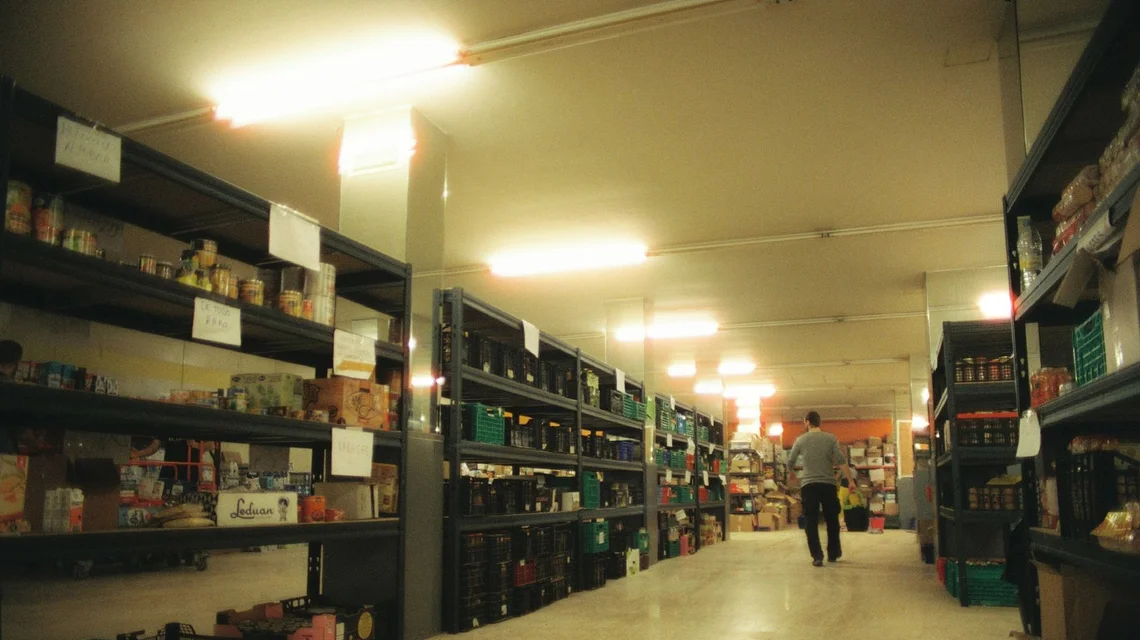
If you trade anything perishable, chilled, or frozen, your warehouse is a regulated facility, not just a shed. Any premises holding food stock must be registered with Dubai Municipality Food Safety, meet temperature-control and hygiene standards, and pass inspection, with Civil Defence sign-off, and your Ejari lease registered before the licence [1][11]. The standard UAE temperature bands are frozen (around -25°C to -18°C), chilled (0°C to +4°C), cool (+15°C to +25°C), and ambient dry storage [11].
Warehouse cost varies widely by type and area (indicative, and Dubai warehouse rents have moved sharply, so verify live listings) [11]:
- Dry / ambient in areas like Al Quoz or Dubai Investment Park: roughly AED 45 to 85 per square foot a year.
- Racked cold storage (chiller and freezer chambers) in logistics areas like Dubai South: from around AED 56 per square foot a year for large facilities, more for smaller flexible units.
- Flexible third-party cold storage can be rented by the pallet or by the month, which is how many new traders start before committing to their own lease.
Pro Tip: Have a food-safety consultant review any warehouse for ventilation, drainage, handwashing, and pest-proofing before you sign the lease. Failing the Dubai Municipality premises inspection after you have committed to a unit is an expensive delay, and cold-chain infrastructure is costly to retrofit.
What are the steps and timeline?
A straightforward food trading company, licence to first import, takes roughly six to ten weeks if documents are ready:
- Choose your activity and structure (dedicated foodstuff vs general trading; mainland vs designated-zone free zone) and reserve your trade name.
- Get DET initial approval and the Dubai Municipality food-safety no-objection.
- Lease and register premises on Ejari, and register a storage facility with DM if you hold stock.
- Issue the DET trade licence.
- Register with Dubai Customs for your importer code.
- Register your company and products in FIRS, with labels, certificates, and halal where needed.
- Apply for visas and open a corporate bank account.
- Import your first shipment, clear customs and DM inspection, and begin distribution.
Our post-setup services team runs the DM, customs, FIRS, and visa steps in parallel to compress the timeline.
What documents do you need?
For the company and shareholders:
- Passport and Emirates ID or visa copies for shareholders and managers, or a No Objection Certificate if resident
- Trade name reservation and DET initial approval
- Notarised Memorandum of Association and Ejari-registered tenancy
- Dubai Customs importer registration
Per product and shipment:
- Bilingual labels, ingredient list, nutritional analysis, Certificate of Analysis, Certificate of Conformity
- Halal certificate (meat, poultry, animal-derived) and veterinary health certificate for meat
- Commercial invoice, packing list, bill of lading or airway bill, certificate of origin, and exporting-country health certificate
How do you distribute your food products?
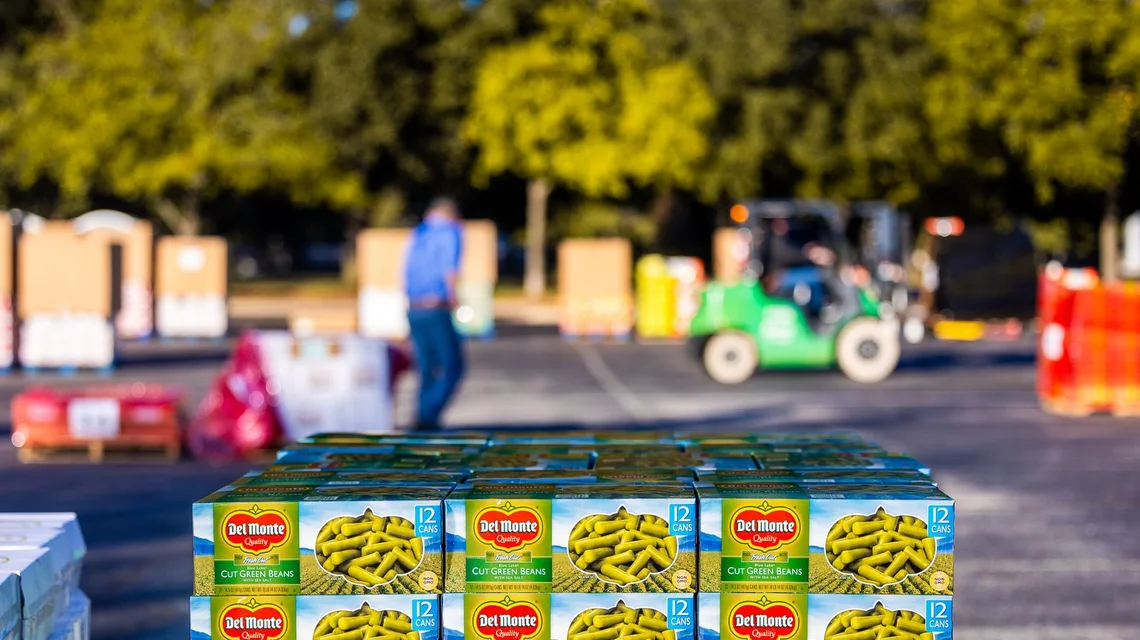
Where you sell shapes your cash flow and your infrastructure as much as your margin. There are three main channels, and they are very different businesses [11]:
| Channel | What it is | Payment terms | Reality |
|---|---|---|---|
| Retail / supermarkets | Carrefour, Lulu, Union Coop and independents | 60 to 120 days (often later) | Big volume, long payment cycles, listing and category hurdles |
| HORECA | Hotels, restaurants, caterers, cloud kitchens | 30 to 60 days | High-frequency small drops, 150+ SKUs per hotel, service-intensive |
| Re-export / wholesale | Bonded storage then export to GCC, Africa, Asia | Varies | The designated-zone duty-free play; needs re-export documentation |
- Supermarkets move volume but onboard slowly (documents, audits, category-manager approval) and pay on long terms, 60 to 120 days and frequently later than agreed [11].
- HORECA pays faster (30 to 60 days) but demands frequent small deliveries across many SKUs and constant service, so it is a logistics-heavy, tighter-margin channel [11].
- Re-export through a designated zone is the classic Dubai play: import duty-free into JAFZA, store and repack, and export onward without ever paying UAE duty [10].
Real Talk: Do not assume a big supermarket contract is the prize it looks like. A hypermarket listing is real volume, but it locks your cash in receivables for months while you are still paying suppliers upfront. Many traders are more profitable and more solvent supplying HORECA and independents on shorter terms. Match your channel to your working capital, not just your ambition.
What is the cash-flow reality of food trading?
This is the single most important thing in the whole business, and it is why undercapitalised traders fail even while profitable on paper. The structure is brutal: your overseas suppliers often want a letter of credit or advance payment, especially early on; your stock then clears customs and sits in the warehouse (carrying cost, and spoilage risk if it is perishable); and your customers pay you 30 to 120 days after you deliver [11]. You pay out fast and collect slow, so growth actively consumes cash.
A real pattern we see: a trader lands a transformative hypermarket contract and has to turn it down, because every dirham is tied up in unpaid invoices from other customers that are not due for another two or three months. The demand is there; the working capital is not.
Common Mistake: Pricing the licence and the first container but not the cash-conversion cycle. Before you scale, line up trade finance, letters of credit, invoice discounting, or an overdraft to bridge the gap between paying suppliers and getting paid. Food trading is a working-capital business first and a margin business second. About 64% of UAE companies report customers taking longer to pay than a year before, so plan for it [11].
How do banking and trade finance work?
Expect real scrutiny opening the account, and expect to build a relationship before you get trade finance. Banks treat general and food trading as a higher-diligence sector, and the biggest cause of delays is source-of-funds documentation, so arrive with a clear, evidenced explanation of your capital, your suppliers, and your end customers [11]. A 2026 tightening of anti-money-laundering rules has raised the documentation bar further.
- Letters of credit are the standard instrument for paying overseas suppliers who do not yet trust a new buyer's credit; bank fees are commonly a fraction of a percent per month or roughly 0.5% to 2% of the value all in [11].
- Trade finance facilities (LC lines, invoice discounting) usually need an established banking history, so a brand-new company often starts with cash-margin-backed LCs and builds toward facilities.
If you have been rejected before, our guide on overcoming bank account rejection walks through the fixes.
How do you staff a food trading company?
A trading and distribution business runs on sales, warehouse, and logistics people. Indicative 2026 monthly salaries (AED, plus the usual allowances, no personal income tax) [11]:
| Role | Typical salary (AED/month) |
|---|---|
| Warehouse worker | 2,000 – 6,000 (entry to experienced) |
| Warehouse supervisor / manager | 6,000 – 12,000 |
| Delivery / van driver | 2,800 – 4,500 |
| Van salesman (FMCG) | ~2,500 base + commission |
| Sales representative | 3,000 – 8,000 base + commission |
| Accountant | 4,000 – 16,000 (by experience) |
Each hire needs a residence visa sponsored by your company (roughly AED 3,000 to 7,000 each), and your visa quota is tied to your premises size, so plan the office or warehouse footprint before you scale headcount [11].
Pro Tip: Do not get the licence without mapping how many visas your plan needs and whether the space supports that quota. A forced office or warehouse upgrade mid-growth is a common, avoidable cost.
Why do food trading businesses fail?
The predictable, expensive errors we see:
- Running out of working capital. Paying suppliers fast and collecting slow, with no trade finance to bridge the gap. This is the number-one killer.
- Selling before FIRS registration is complete. Importing or selling a product without its Dubai Municipality registration, which risks fines and confiscation.
- Spoilage. Perishable or chilled stock that does not turn fast enough becomes a write-off, compounding the cash-flow squeeze.
- Wrong structure. A free-zone licence when the customers are mainland supermarkets, forcing a costly restructure.
- Under-budgeting the whole cost. Licence tunnel vision while forgetting warehouse, visas, per-SKU registration, insurance, and renewals.
- Failing the premises inspection. Signing a warehouse lease before a food-safety review, then failing the DM inspection.
- Halal and label mistakes. Certificates that do not match the product, or labels that are not compliant, holding cargo at the port.
Common Mistake: Chasing volume without capital. The trader who wins a huge contract and cannot fund it is more common than the one who cannot find customers. Build the working-capital plan before you build the sales pipeline.
Real Client Stories
These are real examples from businesses we have helped set up. Names have been changed for privacy.
Rahul's HORECA-first distributor (Dubai mainland)
Rahul wanted to supply supermarkets from day one, but we walked through the cash-flow math: a hypermarket would pay him in 90-plus days while his suppliers wanted letters of credit. He started supplying hotels and restaurants on 30-to-45-day terms instead, built a distribution rhythm and a bank track record, and only took on retail once he had trade finance in place. His tip: "The supermarket contract I chased first would have sunk me on cash flow. HORECA paid faster and let me build. Match the customer to the money you have."
Mei's designated-zone re-export business (JAFZA)
Mei imported specialty Asian foodstuffs and sold wholesale to distributors across the GCC. We set her up in JAFZA as a designated-zone company, structured deliberately as a B2B distributor so her distribution income qualified for the 0% corporate-tax rate, with audited accounts and real substance in the zone. Her advice: "The 0% is real but it has rules. Because I sell to resellers from a designated zone and keep proper accounts, it works. My tax adviser confirmed it against my actual customers before I relied on it."
Ahmed's FIRS wake-up call (Dubai mainland)
Ahmed shipped his first container before registering the products in FIRS, assuming registration could happen on arrival. The cargo sat at the port for weeks accruing storage while we rushed the product registrations through. His takeaway: "I lost more on demurrage than the registration would ever have cost. Register your products before you ship, not after. It is the whole game in food importing."
Start your Dubai food trading company the right way
Food trading in Dubai is a large, policy-backed opportunity, but it rewards operators who respect the two things the brochures skip: the food-import compliance (FIRS, labels, halal) and the working-capital reality of paying fast and collecting slow. Get the structure right, whether a mainland distributor or a designated-zone B2B operation aiming for 0% tax, register your products before you ship, and fund your cash-conversion cycle, and it is a genuinely strong business.
Since 2013, BusinessDubai.ae has completed 700+ company registrations across the UAE, including food and general trading companies, with transparent itemised pricing and no hidden fees. We will confirm the right activity and structure, coordinate the DET licence, Dubai Municipality registration, FIRS and customs, sort your warehouse, visas, and bank account, and give you a clear all-in budget before you commit. Talk to a setup expert→ for a clear plan for your food trading company. For the broader import-export picture, see our import-export business guide.
Ready to set up your food trading company in Dubai the right way? Our licensed advisors handle the DET licence, Dubai Municipality and FIRS registration, customs code, warehouse, visas and bank account end to end, with transparent, fixed fees.
Get started free→Frequently Asked Questions
How much does it cost to start a food trading company in Dubai?
Budget AED 65,000 to 220,000 or more for the first year, before stock. The DET licence runs AED 12,500 to 35,000, a warehouse or flexi-desk AED 30,000 to 120,000-plus, plus a customs code, per-product FIRS registration, and visas. Warehouse and per-SKU registration, not the licence, are the real costs, and working capital for stock is the biggest number of all.
What licence do I need for food trading in Dubai?
A DET commercial trade licence carrying a foodstuff trading activity (or a general trading licence that includes food), plus a Dubai Municipality food-safety approval, which is built into the licensing process. If you import, you also register with Dubai Customs and register your products in the FIRS system.
What is FIRS in Dubai?
FIRS is Dubai Municipality's Food Import and Re-export System. Every food product you import must be registered in FIRS, with bilingual labels, ingredient and nutritional information, certificates of analysis and conformity, and a halal certificate where needed, before the shipment can clear customs. Registration takes roughly ten working days to a few weeks per product.
Do I need halal certification to trade food in Dubai?
Yes, for meat, poultry, and any product with animal-derived ingredients (and commonly dairy and confectionery). The certificate must come from a certification body in the exporting country that is currently accredited by the UAE, and must match the exact product. Fresh produce, grains, pulses, spices, and vegetarian foods are generally exempt.
Can a foreigner own 100% of a food trading company in Dubai?
Yes. Since the 2021 Commercial Companies Law reform, a foreign national can own 100% of a mainland food trading company with no Emirati partner, and free zone companies are 100% foreign-owned by design.
Is food zero-rated for VAT in the UAE?
No. Unlike some neighbouring countries, the UAE does not zero-rate food. Essentially all food sales are standard-rated at 5% VAT. You register once turnover passes AED 375,000, and can register voluntarily from AED 187,500. VAT-registered importers account for import VAT by reverse charge rather than paying it upfront at the border.
How much is customs duty on food in Dubai?
The standard GCC customs duty is 5% of the CIF value, but a large list of basic foodstuffs (grains, flour, fresh fruit and vegetables, live animals) is duty-exempt. GCC-origin goods clear at 0% with a certificate of origin, and re-exports that never enter the mainland pay no duty. Confirm each product's status at its exact HS code.
Can a food trading company get 0% corporate tax in a free zone?
Yes, conditionally. Distribution of goods in or from a designated zone is a Qualifying Activity, so a B2B food distributor operating with real substance in a designated zone (JAFZA, DAFZA, Dubai South), importing through that zone, and selling to resellers or processors (not to individual consumers) can qualify for the 0% rate. Selling to end consumers is excluded. Confirm your structure with a tax adviser.
What is the difference between free zone and mainland for food trading?
A mainland licence lets you sell directly to any UAE customer (supermarkets, hotels, wholesalers). A free-zone company cannot sell directly to mainland customers (that counts as an import), but gets duty and VAT suspension for import and re-export, and the possible 0% tax route. Many operators run a dual structure to get both.
Do I need a warehouse to trade food in Dubai?
If you physically hold stock, yes, and it must be registered with Dubai Municipality Food Safety, meet temperature and hygiene standards, and pass inspection. You can start with flexible third-party cold storage rented by the pallet or month before committing to your own lease. A trader who only brokers deals without holding stock may not need one.
What are the cold storage temperature requirements?
The standard UAE bands are frozen (around -25°C to -18°C), chilled (0°C to +4°C), cool (+15°C to +25°C), and ambient dry storage. Any facility holding food must be Dubai Municipality-registered, Civil Defence-approved, and pass a food-safety inspection.
How long does it take to set up a food trading company?
Roughly six to ten weeks from start to first import if documents are ready: the licence and approvals take a few weeks, then customs registration, FIRS product registration, visas, and a bank account. Product registration for a large catalogue can extend this, so start it early.
How do food traders get paid, and what are the payment terms?
Supermarkets typically pay 60 to 120 days after delivery (often later), HORECA clients 30 to 60 days, while overseas suppliers often want a letter of credit or advance. This mismatch, paying fast and collecting slow, is the central cash-flow challenge and the main reason undercapitalised traders fail.
Why do food trading businesses fail in Dubai?
Overwhelmingly, running out of working capital, because the cash-conversion cycle is long: pay suppliers upfront, hold stock, then wait months for customers to pay. Other causes are selling before FIRS registration, spoilage of perishable stock, the wrong licence structure, and under-budgeting the full cost.
What is a letter of credit and do I need one?
A letter of credit is a bank's guarantee to pay your overseas supplier once agreed shipping documents are presented, which is how new buyers secure suppliers who do not yet trust their credit. It is close to essential once you scale, and a new company often starts with cash-margin-backed LCs before earning full trade-finance facilities.
Can I sell food online direct to consumers from a free zone?
Selling directly to individual consumers (B2C) is an excluded activity for the free-zone 0% tax regime, so a designated-zone company running a direct-to-household grocery does not get 0% on that income, and free-zone entities cannot sell to the mainland public without an import. B2C retail generally needs a mainland structure, ideally ring-fenced from any B2B wholesale entity.
What products can I trade under a foodstuff trading licence?
Packaged and unpackaged food and beverages: groceries, dairy, frozen foods, confectionery, grains, pulses, oils, spices, canned goods, and more, with specific sub-activities for categories like frozen foodstuff, dairy, or organic food. Each product still needs FIRS registration and, where applicable, halal certification.
What ongoing compliance does a food trading company have?
Annual DET licence and Dubai Municipality registration renewals, VAT filing (usually quarterly), corporate tax registration and annual filing, the UBO register kept current, FIRS product registrations maintained, customs declarations per shipment, and five-to-seven-year record retention. Food premises must keep passing DM inspections.
Do I need corporate tax registration if my revenue is small?
Yes. All businesses must register for corporate tax, even at 0% or under Small Business Relief. A food trader under AED 3 million revenue can elect Small Business Relief to be treated as having no taxable income for tax periods ending on or before 31 December 2029, and it cannot be combined with the free-zone 0% regime.
What is the National Food Security Strategy 2051?
It is the UAE's long-term policy to secure and diversify its food supply, aiming for the top of the Global Food Security Index by 2051 and targeting multiple import sources per food category. For a trader, it signals a government environment that actively supports food import diversification and private-sector food trading.
Can I re-export food from Dubai?
Yes, and it is a core Dubai advantage. Importing into a designated zone like JAFZA lets you store, consolidate, and repack food, then re-export it to the GCC, Africa, or Asia without ever paying UAE customs duty. Re-export needs proper transit documentation and, where a duty deposit was taken on entry, proof of re-export to release it.
How much profit margin does food trading make?
Margins vary widely by product, from low single digits on high-volume commodity staples to 20% or more on specialty or perishable niche lines. Food trading is a volume-and-working-capital business, so the discipline is less about a high headline margin and more about turning stock fast and managing the cash-conversion cycle.
Do I need a Dubai Customs code?
Yes, if you import or export. Holding the trade licence is not enough; you register separately with Dubai Customs (through the Dubai Trade portal) to get an importer/exporter code, which is inexpensive and issued in a few days, then declare each shipment through the Mirsal 2 system.
Should I sell to supermarkets or hotels first?
It depends on your working capital. Supermarkets offer volume but pay on long terms (60 to 120 days), which strains cash. Hotels and restaurants pay faster (30 to 60 days) but need frequent small deliveries. Many new traders build with HORECA and independents first, then add retail once trade finance is in place.
References
[1] Dubai Municipality, Food Safety Department. Food importer registration, the Food Import and Re-export System (FIRS), per-product label registration, the Dubai Food Code, halal-certificate requirements, and food-storage facility approval. dm.gov.ae
[2] Ministry of Industry and Advanced Technology (MOIAT) and ESMA. UAE halal standard and accreditation of halal certification bodies (Cabinet Decree No. 10 of 2014). moiat.gov.ae
[3] Dubai Department of Economy and Tourism (DET) and Invest in Dubai. Commercial trade licence and foodstuff / general trading activities. dubaidet.gov.ae
[4] UAE Government Portal. Full foreign ownership of mainland companies (Federal Decree-Law No. 26 of 2020 and No. 32 of 2021). u.ae
[5] Federal Tax Authority and Ministry of Finance. UAE Corporate Tax (Federal Decree-Law No. 47 of 2022), Qualifying and Excluded Activities including distribution from a Designated Zone (Ministerial Decisions No. 229 and 230 of 2025), Small Business Relief (Ministerial Decision No. 73 of 2023, as amended by Ministerial Decision 131 of 2026), and GCC customs duty. tax.gov.ae and mof.gov.ae
[6] Federal Tax Authority. VAT (Federal Decree-Law No. 8 of 2017), the 5% standard rate on food, registration thresholds, and reverse-charge import VAT. tax.gov.ae
[7] Dubai Customs and Federal Customs Authority. Importer registration, the Mirsal 2 declaration system, the GCC Common Customs Tariff and exempted-food list, and Designated Zone duty suspension and re-export. dubaicustoms.gov.ae
[8] DP World and JAFZA. Jebel Ali Port and Jebel Ali Free Zone as an import and re-export hub, designated-zone status, and cold-chain infrastructure. dpworld.com and jafza.ae
[9] Dubai Land Department and trade-hub data. Jebel Ali Port container throughput, JAFZA trade value, and Dubai's re-export role. dpworld.com
[10] UAE Government Portal and market sources. UAE food import dependency (around 85% to 90%), the National Food Security Strategy 2051, UAE agri-food import value, and food market size. u.ae
[11] Industry cost, logistics, distribution, banking and salary sources (warehouse and cold-storage providers, retailer supplier guides, trade-finance and UAE SME cash-flow analyses, and salary guides). Warehouse rents, cold-chain bands, supermarket and HORECA payment terms, letters of credit, and staffing salaries. Figures are indicative and should be confirmed with live quotes.
[12] BusinessDubai.ae. Internal data from UAE food and general trading company registrations since 2013, including licensing, Dubai Municipality and FIRS registration, customs, warehousing, banking, and client case studies. businessdubai.ae