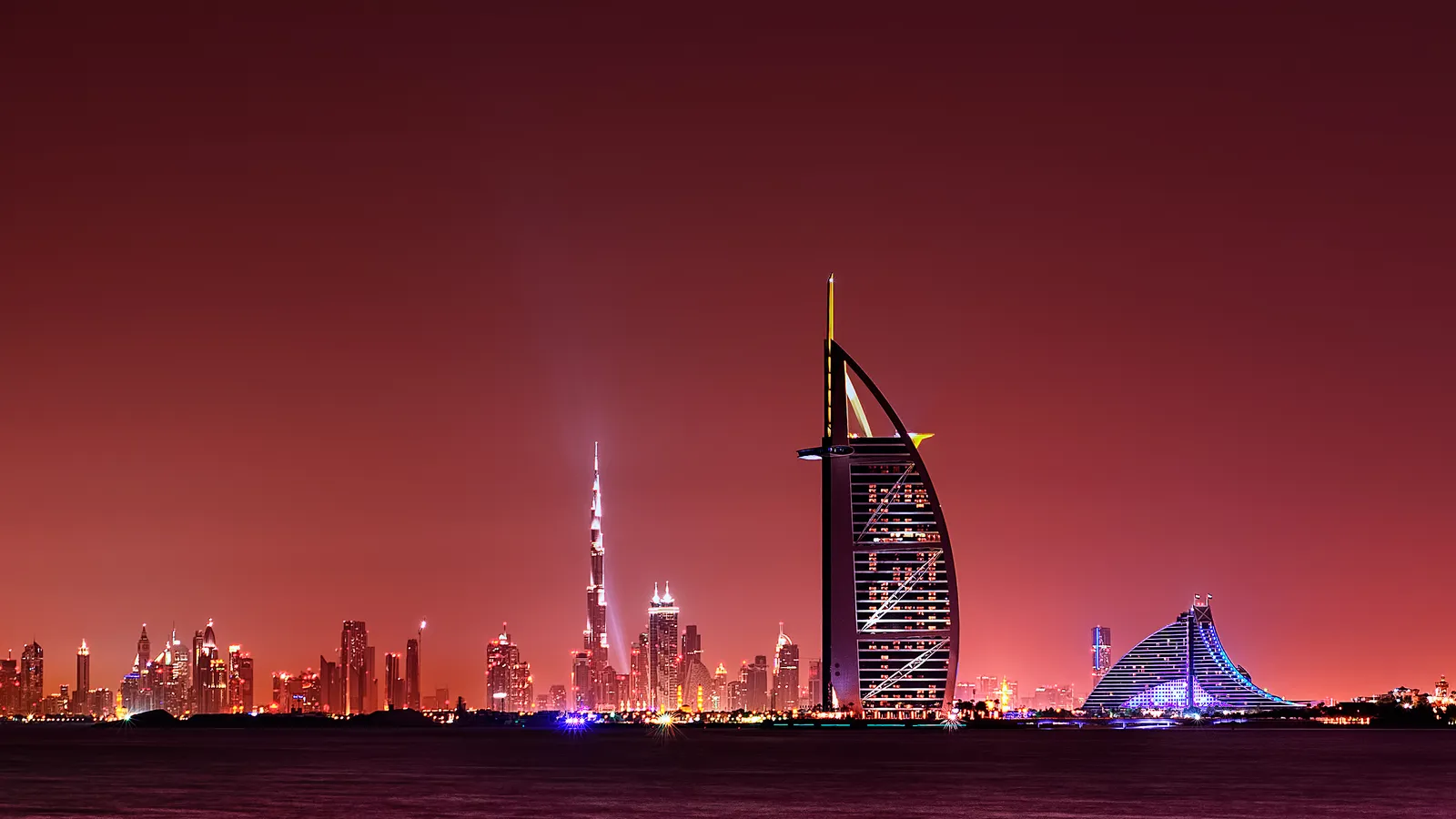
Dubai CommerCity is the first free zone in the Middle East built exclusively for e-commerce businesses. Located in Umm Ramool, just five minutes from Dubai International Airport, this AED 3.2 billion project covers 2.1 million square feet of purpose-built space for online sellers, logistics companies, and digital service providers [1].
If you sell products online and want to reach customers across the Middle East, Africa, and South Asia, CommerCity puts you within a two-hour flight of over 2 billion potential buyers. That kind of access matters when you are trying to build a regional brand from a single base.
At BusinessDubai.ae, we have helped entrepreneurs set up in CommerCity since the free zone opened its doors. This guide covers everything from license types and real costs to the tax rules and logistics setup that most other guides skip over. No fluff, just what you actually need to know before you commit your money.
How Is Dubai CommerCity Structured?
CommerCity is split into three clusters, each serving a different part of the e-commerce value chain [2].
Business Cluster: This is where your company is officially based. It has office spaces starting from 25 square metres, co-working desks, meeting rooms, and admin support. If you are running the business side (marketing, customer service, finance), this is your home.
Logistics Cluster: The real selling point for product-based businesses. It houses 145,000 square feet of warehouse and fulfillment space, managed by operators like Hellmann Worldwide Logistics and DHL Express. You get climate-controlled storage, pick-and-pack services, and last-mile delivery all within the same zone [3].
Social Cluster: Restaurants, event spaces, and networking areas. Not essential for setup, but useful once your business is running and you want to connect with other tenants. WORLDEF Dubai 2026 was held here in February, attracting 18,000+ participants from 80 countries [4].
Real Talk: The logistics cluster is what separates CommerCity from general-purpose free zones like IFZA or Meydan. If you are running a pure online store without physical products, you might save money elsewhere. But if you need warehouse space and shipping infrastructure under one roof, CommerCity is hard to beat.
What Licenses Does CommerCity Offer?
CommerCity issues six license types, each tied to a different business model [5]:
| License Type | Best For | Key Activities |
|---|---|---|
| E-Commerce License | Online retailers, dropshippers | Selling goods/services via websites, apps, social media |
| Trade License | Wholesalers, distributors | Import, export, re-export, storage of products |
| Service License | Digital agencies, consultants | Consulting, marketing, IT services, training |
| Industrial License | Manufacturers, packagers | Manufacturing, assembling, light production |
| General Trading License | Multi-category traders | Trading across various product lines |
| Freelance License | Solo professionals | Single-service freelance work |
Each base license covers three activities from the same industry group. You can add up to 20 activities from four different industry groups under a single license, which gives you room to grow without applying for a new one. CommerCity follows the ISIC 4 classification system, which means over 1,500 business activities are available [5].
Pro Tip: If you plan to sell products AND offer consulting services (a common combo for brands that also do training or content), get both activities on the same license from the start. Adding activities later costs from AED 500 each.
How Much Does It Cost to Set Up in Dubai CommerCity?
Setup costs in CommerCity depend on the package you choose and the number of visas you need. Here is what the numbers actually look like in 2026 [6]:
| Package | Visas Included | Office Space | Starting Cost (AED) |
|---|---|---|---|
| Basic Company Formation | 2 | Smart desk | 27,545 |
| Standard Office Package | 3 | 25 sq.m office | 61,870 |
| Custom/Enterprise | 5+ | Warehouse + Office | 80,000+ |
What Is Included in the Setup Cost?
The base package of AED 27,545 typically covers your trade license fee, company registration, two visa allocations, office or desk space for one year, P.O. Box, establishment card, and government processing fees.
What it usually does not cover: additional visas beyond the quota (from AED 1,200 per visa), interior fit-out or furniture, accounting services, marketing, and website development.
Ongoing Annual Costs
After Year 1, expect these recurring expenses:
| Item | Annual Cost (AED) |
|---|---|
| License renewal | 2,000 - 5,000 |
| Office/desk renewal | 1,500 - 20,000+ |
| Visa renewal (per person) | 700 - 1,500 |
| PRO/admin services | 1,000 - 3,000 |
| Insurance | Varies |
Quick Math: A solo e-commerce entrepreneur with the basic 2-visa package pays roughly AED 27,545 in Year 1 and from AED 5,200 per year after that for renewals. Compare that to the industry average of from AED 35,000 for an equivalent setup in a non-specialized free zone with separate warehouse arrangements.

How Does CommerCity Compare to Other Free Zones?
CommerCity sits at the premium end of Dubai's free zone market, but it includes infrastructure that you would pay separately for elsewhere. Here is a side-by-side comparison based on our experience helping clients choose between zones [7]:
| Factor | CommerCity | JAFZA | DMCC | IFZA | Meydan |
|---|---|---|---|---|---|
| E-commerce focus | 100% dedicated | General | Trade/gold | General | General |
| Starting cost (AED) | 27,500+ | 20,000+ | 25,000+ | 12,750+ | 15,000+ |
| Warehouse on-site | Yes (145K sq ft) | Limited | No | No | No |
| Fulfillment services | DHL + Hellmann | Separate | Separate | Separate | Separate |
| Airport proximity | 5 min to DXB | Near Jebel Ali | JLT area | Fujairah | Al Quoz |
| Min. share capital | AED 1,000 | AED 10,000 | AED 50,000 | AED 1,000 | AED 1,000 |
| 100% foreign ownership | Yes | Yes | Yes | Yes | Yes |
Real Talk: If your business is purely digital (SaaS, consulting, content creation) and you do not need warehouse space, a general-purpose free zone like IFZA or Meydan will save you from AED 10,000 on setup costs. CommerCity is designed for businesses that move physical products and need logistics built into their setup. If you are unsure which zone fits your business model, our professional advisory services can guide you through the comparison.
What Are the Tax Benefits of Operating in CommerCity?
CommerCity businesses that qualify as a Qualifying Free Zone Person (QFZP) pay 0% corporate tax on qualifying income. This is one of the biggest draws for international sellers [8].
To maintain QFZP status, your business must meet these conditions:
- Your core income-generating activities happen inside the free zone
- You maintain adequate physical presence (staff, office, expenditures) in CommerCity
- Non-qualifying income stays below 5% of total revenue or AED 5 million, whichever is lower
- You keep proper books and get audited financial statements
If you sell to other free zone entities, export internationally, or run logistics and manufacturing operations, your income qualifies for the 0% rate. Selling directly to UAE mainland customers counts as non-qualifying income and gets taxed at the standard 9% corporate tax rate [8].
There is no personal income tax in the UAE, and CommerCity allows 100% profit repatriation. You can transfer all your earnings out of the country without restrictions.
For VAT, the rules are straightforward: if your annual turnover exceeds AED 375,000, VAT registration is mandatory. Free zone to free zone transactions are generally exempt, but sales to mainland customers attract the standard 5% VAT [9].
Ready to set up this business in Dubai the right way? Our licensed business-setup advisors handle your trade licence, visas, and corporate bank account end to end — with transparent, fixed fees.
Get started free→What Is the Step-by-Step Setup Process?
Setting up in CommerCity takes about one week with professional support. Here is the process from our experience handling these registrations since 2013 [7]:
Step 1: Choose your license type and activities. Decide whether you need an e-commerce license, trade license, or another type. List the specific activities you want on your license (you can include up to 20).
Step 2: Reserve your trade name. Submit your preferred company name to the CommerCity authority. Names must follow DET guidelines (no offensive terms, no existing trademarks, must end in FZ-LLC or FZCO).
Step 3: Prepare your documents. You will need valid passport copies for all shareholders, passport-size photos, proof of residential address, a business plan (1 to 2 pages is fine), and your Memorandum and Articles of Association.
Step 4: Submit your application and get initial approval. This typically takes 2 to 3 working days. CommerCity reviews your business plan and documents.
Step 5: Sign your lease. Choose your office or warehouse space. Even the basic package includes a smart desk or small office.
Step 6: Pay fees and receive your license. Once payment clears, your trade license is issued. This is the point where you can start operating.
Step 7: Process visas. Visa applications take 7 to 14 days after license issuance. Medical fitness tests can run in parallel. Fast-track options are available for from AED 500 extra. For detailed guidance on visa types and sponsorship rules, see our visa services overview.
Step 8: Open a bank account. With your license, visa, and Emirates ID, you can apply for a corporate bank account. Most banks take 2 to 4 weeks to process this [7].
Common Mistake: Many entrepreneurs skip the business plan thinking it is just a formality. It is not. CommerCity uses your business plan to match you with the right license type and visa quota. A weak plan can slow down approvals or result in the wrong license being issued.
What E-Commerce Regulations Should You Know About?
The UAE passed Federal Decree-Law No. 14 of 2023, which replaced the older 2006 e-commerce law and now governs all online selling in the country. Even as a free zone business, you need to comply [10].
Key requirements for your online store:
- Transparent pricing on all products and services
- Clear delivery timelines and shipping costs
- A published refund and return policy
- Customer data protection measures (consent required for data collection)
- Insurance coverage for your digital commerce operations
- Accurate product descriptions and warranty terms
If you sell to customers outside the free zone (which most e-commerce businesses do), you are also subject to UAE consumer protection rules. This includes honouring return requests and providing direct communication channels for complaints.
For customs and imports, CommerCity businesses benefit from the new Digital MAKASA initiative launched in January 2026, which lets you handle customs procedures entirely online through the Dubai Trade Portal [11]. Standard customs duty is 5% of CIF value on imported goods, and free zone businesses using 8-digit HS codes (instead of the new 12-digit requirement for mainland importers) have less paperwork to deal with.
What Logistics and Fulfillment Options Are Available?
This is where CommerCity really pulls ahead of other free zones. The logistics cluster includes integrated fulfillment services that most e-commerce sellers would otherwise need to arrange separately [3].
Hellmann Worldwide Logistics operates the primary multi-client warehouse facility. They handle warehouse management, order picking and packing, customs clearance, and temperature-controlled storage. Their pricing runs on a pay-as-you-go model, so you are not locked into fixed warehouse fees before you have the sales volume to justify them.
DHL Express handles last-mile delivery from the warehouse directly to your customers. The integration between Hellmann's warehouse operations and DHL's delivery network means your order goes from shelf to doorstep without changing hands between unrelated companies.
Arvato also operates a 3,300 square metre warehouse in CommerCity, offering inbound/outbound logistics, service bundling, and seasonal ramp-up for peak periods like Black Friday and Ramadan sales.
Pro Tip: If you are starting with low order volumes (under 100 orders per month), the pay-as-you-go model with Hellmann is much cheaper than leasing your own warehouse space. As your volume grows past 500+ orders monthly, it starts making sense to consider a dedicated unit.
Not sure which licence or free zone fits your plan? Get a free, no-obligation consultation and a clear cost breakdown tailored to your business.
Get a free consultation→What Do Real CommerCity Clients Say?
These are real examples from businesses we have helped set up. Names have been changed for privacy.
Priya's Fashion Marketplace (CommerCity FZCO)
Priya, an Indian entrepreneur based in Mumbai, wanted to launch an online fashion brand targeting GCC consumers. She chose CommerCity over IFZA because she needed warehouse space for her inventory. Her setup cost AED 31,000 for a 2-visa package with a small storage unit. The full process, from application to first shipment, took 12 days. Within six months, she was processing 200+ orders per month through Hellmann's fulfillment service.
Her advice: "Get your product samples into the warehouse before your website goes live. Having stock ready on day one made all the difference."
James's Electronics Dropshipping Business (CommerCity FZCO)
James, a British national, relocated from the UK to Dubai to run a consumer electronics dropshipping operation. He picked CommerCity because the DHL integration meant faster delivery times to GCC customers compared to shipping from the UK. His total setup cost was AED 28,500 (basic 2-visa package). He broke even in month four and was clearing AED 15,000 per month in profit by month eight.
His advice: "The 0% corporate tax alone saves me more each year than what I paid to set up. Do the maths before you decide on a jurisdiction."
Ahmed's Health Supplements Brand (CommerCity FZCO)
Ahmed, a UAE national, moved his existing mainland company to CommerCity after struggling with logistics costs. His supplements required temperature-controlled storage, which CommerCity's climate-controlled warehouse provided without needing a separate cold storage contract. Setup cost AED 65,000 for a 3-visa package with warehouse access. His shipping costs dropped by 30% in the first quarter after the move.
His advice: "If you sell anything temperature-sensitive, CommerCity is the only free zone that makes sense. I was paying AED 8,000 per month for third-party cold storage before."
Who Is CommerCity Best Suited For?
Based on the setups we have handled, CommerCity works best for:
- Product-based e-commerce sellers who need warehousing and fulfillment under one roof
- Cross-border traders importing from Asia or Europe for regional distribution
- Amazon/Noon sellers who want a UAE legal entity and local inventory
- Fashion, electronics, and FMCG brands targeting GCC consumers
- Established online businesses looking to set up a regional hub in Dubai
It is probably not the best fit for pure service businesses (consultants, agencies, freelancers), crypto or fintech startups, or businesses that do not need physical logistics. For those, a general-purpose free zone setup will serve you better at a lower cost. If you are a non-resident looking for flexibility without a UAE physical presence, offshore company structures may also be worth exploring.
Ready to Set Up in Dubai CommerCity?
At BusinessDubai.ae, we have been helping businesses set up across every free zone and mainland jurisdiction in the UAE since 2013, including 900+ company registrations. Whether CommerCity is the right fit or another zone makes more sense for your business model, our team can walk you through the options and handle the full setup process.
Get in touch for a free consultation: Talk to our team or reach out via WhatsApp for a quick answer.
Want to skip the paperwork and approvals? Our team manages the whole setup for you, so you can focus on launching.
Talk to a setup expert→Related reading: What Is the DMCC E-Commerce Ecosystem and Why Does It Matter in 2026?, Dubai Online Store License Requirements 2026, How to Start an E-Commerce Business in Dubai (License, Cost, Setup)
Frequently Asked Questions
What is Dubai CommerCity?
Dubai CommerCity is the first free zone in the Middle East, Africa, and South Asia region dedicated exclusively to e-commerce. Located in Umm Ramool near Dubai International Airport, it covers 2.1 million square feet and includes office spaces, warehouses, and fulfillment centres designed for online businesses.
How much does it cost to set up a company in Dubai CommerCity?
Setup costs start from AED 27,545 for a basic 2-visa package including office space and company registration. A standard 3-visa package with a 25 sq.m office costs around AED 61,870. Custom packages with warehouse access can exceed AED 80,000 depending on your requirements.
Can foreigners own 100% of a company in CommerCity?
Yes. Dubai CommerCity allows 100% foreign ownership with no requirement for a local sponsor or partner. This applies to all company structures available in the free zone, including FZCOs and branch offices.
How long does it take to set up a business in CommerCity?
With professional support, the full setup process takes about one week for the trade license. Visa processing adds another 7 to 14 days. The total from application to fully operational (including bank account) is typically 3 to 5 weeks.
What types of licenses are available in Dubai CommerCity?
CommerCity offers six license types: e-commerce, trade, service, industrial, general trading, and freelance licenses. Each license can include up to 20 business activities from four different industry groups.
What is the minimum share capital to set up in CommerCity?
The minimum share capital for a Freezone Company (FZCO) in CommerCity is AED 1,000 (approximately USD 273). This is among the lowest requirements of any UAE free zone.
Do I pay corporate tax in Dubai CommerCity?
Qualifying Free Zone Persons pay 0% corporate tax on qualifying income. Non-qualifying income (such as mainland sales) is taxed at 9%. To maintain the 0% rate, your non-qualifying income must stay below 5% of total revenue or AED 5 million.
Is VAT registration required for CommerCity businesses?
VAT registration is mandatory if your annual turnover exceeds AED 375,000. Free zone to free zone transactions are generally VAT-exempt, while sales to mainland customers attract the standard 5% VAT rate.
How many employee visas can I get in CommerCity?
The basic package includes 2 visas, and the standard package includes 3 visas. Additional visas can be added for from AED 1,200 each, depending on your company's activity type and office size.
Can I sponsor family visas through my CommerCity business?
Yes. As an investor or manager visa holder, you can sponsor dependent visas for your spouse and children. Spouse sponsorship costs approximately from AED 1,500 annually, and child dependents cost from AED 1,000 per child per year.
What documents do I need to set up in CommerCity?
You need valid passport copies for all shareholders, passport-size photos, proof of residential address, a 1 to 2 page business plan, Memorandum of Association, and Articles of Association. If you are currently sponsored in the UAE, you will also need a No Objection Certificate.
Can I operate both online and offline sales from CommerCity?
Yes, but with conditions. Your CommerCity license covers free zone operations. If you want to sell directly to UAE mainland customers (offline retail), you may need a dual license arrangement with the Department of Economy and Tourism.
What warehouse and fulfillment options are available?
CommerCity's logistics cluster offers dedicated and multi-client warehouse units, climate-controlled storage, pick-and-pack services, and last-mile delivery through DHL Express. Pricing is pay-as-you-go, so you scale costs with your order volume.
How does CommerCity compare to JAFZA for e-commerce?
CommerCity is purpose-built for e-commerce with integrated fulfillment and DHL logistics, while JAFZA is a general industrial zone better suited for manufacturing and heavy trade. CommerCity's starting cost is higher (AED 27,500 vs AED 20,000), but includes logistics infrastructure you would pay separately for in JAFZA.
Can I run a dropshipping business from CommerCity?
Yes. Dropshipping is a permitted activity under the e-commerce license. CommerCity's logistics integration makes it particularly suitable if you want to hold some inventory locally for faster GCC delivery times while dropshipping other items internationally.
Is a physical office required in Dubai CommerCity?
Yes. CommerCity does not offer virtual office options. The minimum requirement is a smart desk or flexi-desk, which starts from around AED 1,500 per month. This is included in the setup packages.
Can I sell on Amazon.ae with a CommerCity license?
Yes. A CommerCity trade license or e-commerce license qualifies you to register as a seller on Amazon.ae. You will need your trade license, Emirates ID, and a UAE bank account to complete the Amazon seller registration.
What happens if I lose my Qualifying Free Zone Person status?
If your non-qualifying income exceeds the threshold, you lose the 0% tax rate for the current year and the next four years, paying 9% corporate tax on all income instead. You can reapply for QFZP status in year six.
Can I lease multiple spaces under one CommerCity license?
Yes. CommerCity allows you to lease multiple premises (for example, an office and a separate warehouse) under the same license. This is useful for e-commerce businesses that need distinct operational and storage spaces.
What are the license renewal costs in CommerCity?
Annual license renewal costs range from AED 2,000 depending on your license type and number of activities. Office or desk renewal, visa renewals, and PRO services are additional, typically totalling from AED 5,200 per year for a basic setup.
Does CommerCity offer any logistics partnerships?
Yes. CommerCity has partnerships with Hellmann Worldwide Logistics for warehouse management and order fulfillment, DHL Express for last-mile delivery, and Arvato for specialized logistics services. These operators are based on-site within the logistics cluster.
What are the customs duties for importing goods into CommerCity?
Standard customs duty is 5% of CIF value for most goods. Free zone businesses benefit from duty and tax deferral until goods are shipped to the UAE mainland. CommerCity businesses also use simplified 8-digit HS codes instead of the 12-digit codes required for mainland importers.
Can I transfer my existing free zone company to CommerCity?
Yes, company transfers between UAE free zones are possible, though the process involves cancelling your current license and registering a new entity in CommerCity. A business setup consultant can manage the transition to minimise downtime.
How many business activities can I have on one license?
A single CommerCity license can include up to 20 business activities from four different industry groups. The base license includes 3 activities from the same group, and additional activities cost from AED 500 each.
Is CommerCity suitable for a small startup with limited budget?
CommerCity works for startups, but it is not the cheapest option. The basic 2-visa package at AED 27,545 is reasonable, though budget-conscious entrepreneurs who do not need logistics infrastructure may find better value in zones like IFZA (starting from AED 12,750) or Meydan (from AED 15,000).
Where Did This Information Come From?
[1] Dubai Airport Freezone Authority (DAFZ) — Dubai CommerCity overview, investment details, and cluster structure. dafz.ae
[2] Ministry of Economy and Tourism (MOET), UAE — Dubai CommerCity free zone classification and e-commerce zone designation. moet.gov.ae
[3] Hellmann Worldwide Logistics — E-commerce delivery and fulfillment services at Dubai CommerCity, including warehouse operations and DHL partnership details. hellmann.com
[4] WORLDEF Dubai 2026 — Cross-border e-commerce conference hosted at Dubai CommerCity, February 12-14, 2026. dafz.ae
[5] Dubai CommerCity Official FAQ — License types, business activities (ISIC 4), company structures, and setup requirements. dubaicommercity.ae
[6] Dubai CommerCity Official — Setup packages and pricing for business, logistics, and social cluster facilities. dubaicommercity.ae
[7] BusinessDubai.ae — Internal data from e-commerce and free zone company registrations since 2013, including client setup costs, timelines, and case studies. businessdubai.ae
[8] Federal Tax Authority (FTA), UAE — Corporate tax guide for Qualifying Free Zone Persons, including 0% rate conditions and de minimis thresholds. tax.gov.ae
[9] Federal Tax Authority (FTA), UAE — VAT registration thresholds and free zone transaction rules. tax.gov.ae
[10] UAE Legislation — Federal Decree-Law No. 14 of 2023 Concerning Modern Technology-Based Trade (E-Commerce Law). uaelegislation.gov.ae
[11] Dubai Customs — Digital MAKASA Initiative for online customs processing, launched January 2026. dubaitrade.ae