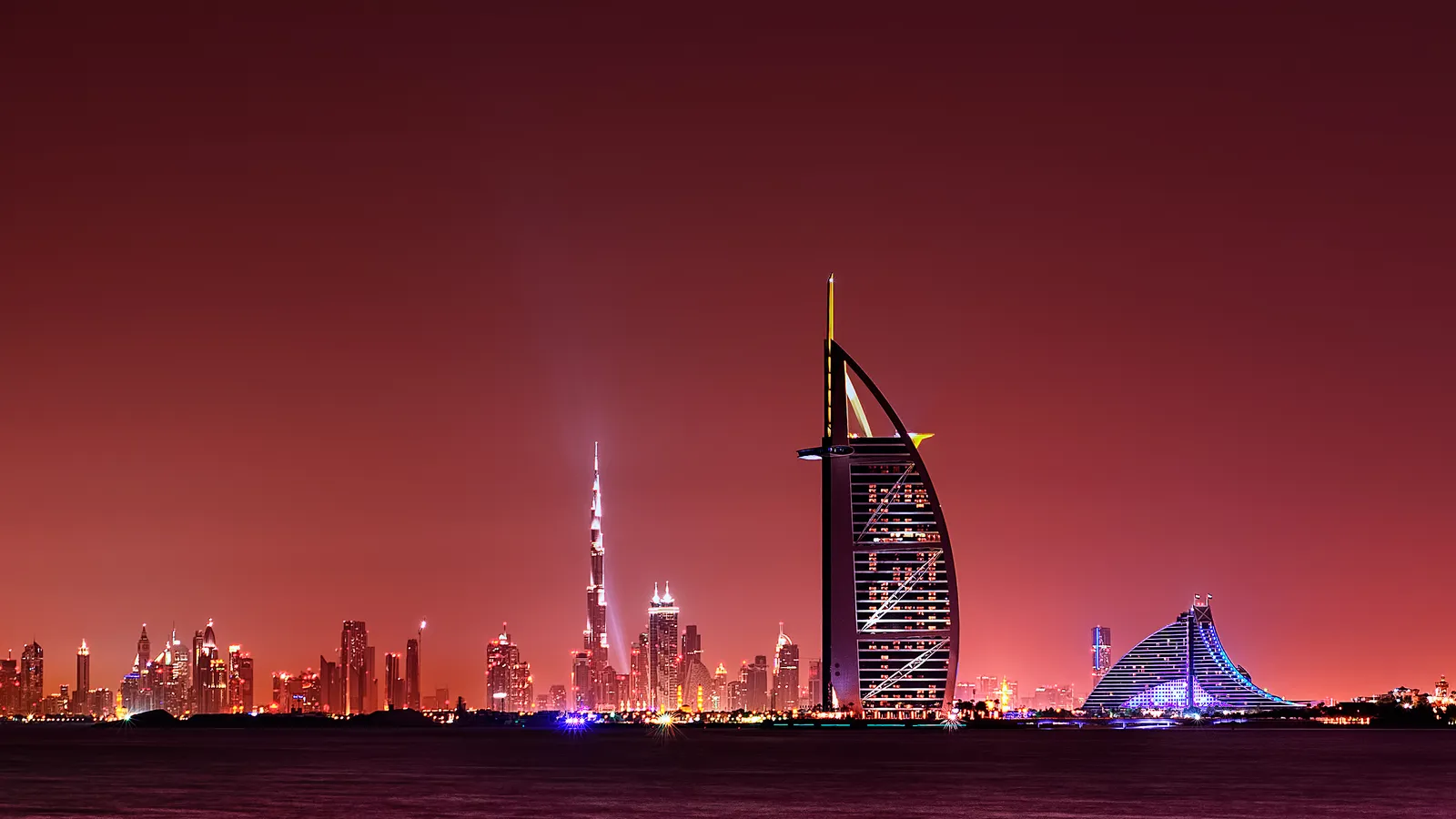
Dubai's fragrance market has emerged as one of the fastest-growing luxury segments in the Middle East, attracting entrepreneurs from around the globe. The UAE perfume market is valued at nearly USD 1,366.4 million as of 2025 and is projected to reach USD 1,958.84 million by 2032, growing at a compound annual growth rate of 5.28% [1]. With luxury fragrances commanding 80.78% market share and online retail expanding at 5.88% CAGR, now is an ideal time to launch your perfume venture [2]. However, navigating the licensing requirements, regulatory approvals, and business setup options requires careful planning and understanding of local regulations.
This complete guide walks you through every step of establishing a successful perfume business in Dubai in 2026, from choosing your business structure to obtaining mandatory certifications.
What Types of Licenses Do You Need for a Perfume Business?
You must obtain either a Perfume Trading License or a Perfume Manufacturing License depending on your business model. Trading licenses cover retail and wholesale operations, while manufacturing licenses are required if you produce your own fragrances, essential oils, or attars [3].
The licensing authority differs based on your chosen location. Mainland businesses register with the Department of Economic Development (DED) or Dubai Department of Economy and Tourism (DET), while free zone businesses work with their respective zone authorities [4].
Trading License vs. Manufacturing License
| License Type | Best For | Cost Range | Timeline | Key Requirements |
|---|---|---|---|---|
| Perfume Trading License | Retail and wholesale operations | AED 10,000 to AED 50,000 | 1-2 weeks (mainland) | Trade name approval, product registration, shop location (if retail) |
| Perfume Manufacturing License | Production facilities | AED 25,000 to AED 75,000 | 2-4 weeks | Factory premises, equipment setup, quality control lab, skilled staff |
| Combination License (Trading + Manufacturing) | Vertically integrated operations | AED 40,000 to AED 100,000 | 3-5 weeks | Both sets of requirements combined |
Pro Tip: Many entrepreneurs start with a trading license, test the market, and later add manufacturing capabilities. This reduces initial capital requirements and allows you to refine your product line based on customer feedback.
Should You Choose Mainland or Free Zone Setup?
This decision fundamentally impacts your operating costs, tax obligations, and market access. Mainland operations offer flexibility and direct customer reach, while free zones provide tax exemptions and 100% foreign ownership [5].
| Factor | Mainland (Dubai DED/DET) | Free Zone (DMCC, JAFZA, RAKEZ, Ajman, SHAMS) |
|---|---|---|
| Foreign Ownership | Requires local sponsor (51% shareholding minimum) | 100% foreign ownership allowed |
| Tax Obligations | VAT applicable (5%) | Tax exemptions available |
| Retail Shop Location | Can operate retail stores anywhere in Dubai | Limited retail options; mainly wholesale/online |
| License Cost (Annual) | AED 1,570 to AED 2,500 | AED 5,000 to AED 15,000+ (varies by zone) |
| Market Access | Entire UAE market directly | Export-focused; trading throughout GCC |
| Profit Repatriation | Subject to local regulations | Full repatriation of profits abroad |
Real Talk: Mainland setup makes sense if you want to open physical retail stores in Dubai malls or high-street locations. Free zone setup is optimal if you're focused on online sales, wholesale distribution, or exporting to regional markets.
What Are the Main Free Zone Options for Perfume Businesses?
Dubai and surrounding emirates offer several free zones with distinct advantages for fragrance entrepreneurs. Each zone has different cost structures, amenities, and suitability for various business models [6].
Comparative Free Zone Overview
| Free Zone | Emirate | License Cost (Starting) | Best For | Key Advantage |
|---|---|---|---|---|
| DMCC (Dubai Multi Commodities Centre) | Dubai | AED 35,484 (basic package) | Luxury fragrance trading | Prime JLT location, 3-day licensing, commodity trading focus |
| JAFZA (Jebel Ali Free Zone) | Dubai | AED 5,000+ | Manufacturing and large-scale distribution | Industrial infrastructure, warehouse space, international logistics |
| RAKEZ (Ras Al Khaimah Economic Zone) | Ras Al Khaimah | AED 6,000 to AED 6,500 | E-commerce and online sales | Lowest cost option, e-commerce packages, complete digital setup |
| Ajman Free Zone (AFZ) | Ajman | AED 6,000 | Small businesses and startups | Affordable pricing, flexible activity options, quick approval |
| SHAMS (Sharjah Media City) | Sharjah | AED 5,750 to AED 13,000 | Hybrid operations (trading + services) | Over 120 business activities, creative hub ecosystem |
Each zone maintains its own regulatory framework, but all require compliance with UAE federal standards regarding product safety and quality [7].
What Are the Mandatory Product Registration and Approval Requirements?
No perfume product can be sold legally in Dubai without passing multiple regulatory approvals. These steps ensure consumer safety and market legitimacy. The process involves both ESMA/MoIAT certification and Dubai Municipality registration [8].
Common Mistake: Many entrepreneurs assume that obtaining a business license is enough. In reality, each product formulation must be individually registered and approved by Dubai Municipality through the Montaji system before any sales can occur.
The Dual Approval Process
| Approval Stage | Authority | Certificate/Mark | Validity Period | Timeline |
|---|---|---|---|---|
| Federal Conformity Assessment | MoIAT (formerly ESMA) | ECAS Certificate of Conformity | 1 year (renewable) | 10-15 working days |
| Dubai Municipality Registration | Dubai Municipality via Montaji System | Product Registration Certificate | 5 years (renewable) | Up to 22 working days |
| Optional: Emirates Quality Mark | MoIAT | EQM Mark | 3 years (renewable) | 30-45 working days |
Required Documentation for Product Approval
Before submitting applications for either certificate, you must compile complete documentation. This includes your valid UAE industry/trade license, formula declaration with complete ingredient lists and percentages from the manufacturer, test reports from accredited laboratories confirming compliance with GSO 1943:2024 standards, safety data sheets (SDS) for all components, proper bilingual labeling (Arabic and English) mockups, and proof of liability insurance [8].
The ECAS (Emirates Conformity Assessment Scheme) certificate from MoIAT is mandatory for customs clearance and market placement. Without it, shipments arriving at UAE customs will be rejected, causing delays and potential penalties. The ECAS certificate is issued by approved Notified Bodies such as Intertek and must be renewed annually [9].
What Is the Dubai Municipality Registration Process Through Montaji?
Montaji is Dubai Municipality's online system for registering all cosmetic, personal care, and fragrance products. This registration is separate from your business license and applies to each specific product formulation [10].
The registration process verifies that products contain no banned substances and meet all labeling, packaging, and safety regulations. Registration takes up to 22 working days from application completion. Each registration is valid for five years, with a renewal process available before expiration.
Violation of these requirements carries severe penalties. Selling unregistered cosmetics or perfumes can result in product seizure, fines up to AED 100,000, and license suspension [10].
What Are the ESMA/MoIAT Standards and Certification Requirements?
In 2020, ESMA (Emirates Standardization and Metrology Authority) merged into the Ministry of Industry and Advanced Technology (MoIAT). This ministry now oversees all product conformity standards for perfumes and cosmetics under the ECAS scheme [9].
All perfume products must comply with UAE Technical Regulation No. 2 of 2016 and GSO 1943:2024 standards. These standards specify permissible ingredient concentrations, safety limits for alcohol content, microbial testing requirements, and proper labeling specifications in both Arabic and English.
The Emirates Quality Mark (EQM) represents the highest level of compliance, involving complete audits of your manufacturing facility, quality control systems, and testing procedures. While not mandatory, the EQM provides significant marketing advantages and consumer trust [9].
How Do You Register Your Business Name and Trademark?
Before applying for your trading license, you must reserve your trade name with the relevant authorities and separately register your trademark with the UAE Ministry of Economy [11].
Trade names must follow specific guidelines. Names cannot include offensive or religious content, must avoid abbreviations (use full words), and should clearly reflect your business activity. A name like "Emirates Fragrance House LLC" is acceptable, while abbreviated versions are not.
Trademark registration provides 700+ days of protection under UAE intellectual property law and can be renewed indefinitely. This protects your brand identity in the market and gives you legal recourse against counterfeiters. The trademark process takes 4-6 weeks for examination and approval [11].
Consider registering trademarks for your brand name, logo, and any unique product names or slogans. This complete protection is essential in the luxury fragrance market where brand identity drives purchasing decisions.
Ready to set up this business in Dubai the right way? Our licensed business-setup advisors handle your trade licence, visas, and corporate bank account end to end — with transparent, fixed fees.
Get started free→What Are the Key Licensing and Regulatory Fees in 2026?
Understanding the complete cost structure helps with financial planning. Costs vary significantly based on location choice, business model, and product range.
| Expense Item | Mainland (DED/DET) | Free Zone (Average) | Notes |
|---|---|---|---|
| Trade License (Initial) | AED 1,570 to AED 2,500 | AED 5,000 to AED 15,000 | Varies by zone and business structure |
| Trade License (Renewal - Annual) | AED 1,570 to AED 2,500 | AED 5,000 to AED 15,000 | Due each calendar year |
| ECAS Certificate (MoIAT) | AED 2,000 to AED 4,500 per product | AED 2,000 to AED 4,500 per product | Required for each product formulation |
| ECAS Renewal (Annual) | AED 1,500 to AED 3,000 per product | AED 1,500 to AED 3,000 per product | Mandatory annual renewal |
| Dubai Municipality Montaji Registration | AED 500 to AED 1,500 per product | AED 500 to AED 1,500 per product | Valid for 5 years |
| Trademark Registration | AED 1,000 to AED 2,500 | AED 1,000 to AED 2,500 | One-time; valid 10 years then renewable |
| Laboratory Testing (per product) | AED 3,000 to AED 8,000 | AED 3,000 to AED 8,000 | GSO 1943:2024 compliance testing |
| Establishment Card/PRO Services | AED 500 to AED 1,500 | AED 500 to AED 2,000 | Professional representation fees |
Most entrepreneurs allocate from AED 30,000 for initial licensing, product approval, and compliance setup. This covers one to three product lines with all necessary certifications [12].
What Should Your Business Plan Include?
A solid business plan is essential for securing funding and guiding your operations. Your plan should define company goals, mission statement, target market, product portfolio, marketing strategy, and detailed financial projections for the first three years [13].
The financial section must include startup costs (licenses, equipment, inventory), monthly operating expenses, revenue forecasts based on realistic sales volumes, and break-even analysis. Show how many products you plan to sell monthly and at what profit margins to reach profitability.
Your market analysis should identify your target customers (luxury consumers, gifting market, tourists, regional exporters), competitive positioning versus established brands, pricing strategy, and distribution channels. Include details about your supply chain for bottles, caps, labels, and packaging materials.
How Do You Select Your Product Range and Suppliers?
Your initial product portfolio should balance uniqueness with market viability. Consider whether you will focus on Arabian oud-based fragrances, Western-style perfumes, unisex scents, or niche categories like home fragrances and attars.
For product development, you can either hire experienced perfumers to create custom blends or source pre-formulated fragrances from established suppliers. Custom development offers differentiation but requires significant investment. Pre-formulated sources allow faster market entry with lower costs.
Sourcing decisions impact your business model. Wholesale purchases of finished perfume for resale simplifies compliance. Manufacturing your own formulations requires industrial licensing, quality control infrastructure, and skilled technical staff. Many successful entrepreneurs start by trading established fragrances before transitioning to private label or proprietary blends [14].
What Infrastructure Do You Need for Manufacturing Operations?
If you plan perfume manufacturing, your facility requires specific infrastructure components. These include odor control systems (ventilation, scrubbers), temperature-controlled blending areas, clean lab spaces, aging facilities for specific formulations, filling and capping equipment, labeling machinery, quality control laboratories, and secure storage for alcohol and essential oils [15].
Staffing requirements include experienced perfumers or aromatic chemists who can develop and adjust formulations, organic or chemical chemists for quality assurance, production technicians familiar with filling and bottling operations, quality control specialists to test batches, and administrative staff for documentation and regulatory compliance.
Industrial zones like JAFZA, Dubai Industrial City (DIC), and Ajman Industrial Area offer pre-built warehouses, manufacturing spaces, and necessary utilities. These are far more cost-effective than establishing independent manufacturing facilities [16].
How Do You Handle Product Labeling and Compliance?
All perfume labels must be bilingual in Arabic and English. Labels must clearly display the product name, net content volume, ingredients list, country of origin, manufacturer details, date of manufacture, expiry or best-before date, batch code, and appropriate warning statements or usage instructions.
Arabic text must be at least as prominent as English text. Any health or therapeutic claims must be substantiated and approved by Dubai Municipality. Terms like "natural," "organic," or "pure" carry specific regulatory meanings and cannot be used without certification [10].
Packaging materials must be made from food-grade or cosmetic-grade materials, especially if they contact the product. Labels must be affixed securely and clearly. Counterfeit or misleading labeling is strictly prohibited and can result in product seizure and significant fines [10].
Not sure which licence or free zone fits your plan? Get a free, no-obligation consultation and a clear cost breakdown tailored to your business.
Get a free consultation→Can You Start with Online Sales Only?
Yes, online-only operations are fully legal and increasingly popular. Free zone licenses specifically support e-commerce models. RAKEZ offers e-commerce licenses starting at AED 6,000, ideal for Amazon sellers and online platforms [17].
Online operations must still comply with all product registration, certification, and labeling requirements. Your website must clearly display business registration information, licensing details, and contact information. Customer service and return policies must be transparent and fair.
Shipping perfume involves special handling because of alcohol content. You must use certified carriers experienced with cosmetics and use proper packaging to prevent leaks or damage. Some international carriers have restrictions on perfume shipments due to flammability regulations [18].
Pro Tip: Many successful perfume businesses launch via social media and online platforms, building brand awareness before investing in physical retail. This approach reduces initial capital requirements and allows rapid scaling.
What Is the Market Outlook for Perfume Businesses in 2026?
The UAE fragrance market continues expanding rapidly with strong indicators for new entrants. The market is projected to grow from USD 0.91 billion in 2025 to USD 1.15 billion by 2030, at a CAGR of 4.81%. Export volumes are also increasing, with Emirati fragrance exports expected to reach 88.2 million kilograms by 2026 [19].
Oriental perfumes represent the largest category at 40% market share and are growing at 7.3% annually, the highest growth rate among all categories. The unisex fragrance segment is also expanding at 7.4% CAGR, reflecting changing consumer preferences. Online retail is the fastest-growing sales channel at 5.88% CAGR from 2026 to 2031 [20].
Tourism remains a key demand driver. Dubai hosts over 16 million international visitors annually, many seeking premium fragrances as gifts or personal purchases. The UAE government's "Make it in the Emirates" initiative also provides incentives for localized fragrance manufacturing, supporting new business ventures [21].
Case Study One: Noor Fragrances, Mainland Dubai Setup
Noor, an Egyptian entrepreneur, decided to launch a luxury oud fragrance brand targeting affluent residents and tourists. She chose a mainland license to establish a boutique retail store in DIFC and a warehouse in Dubai Industrial City. Initial investment was AED 180,000 covering licenses, three product registrations, packaging design, and inventory. Within eight months of launch, she had secured placement in five luxury mall retailers and achieved positive cash flow through online sales. Her success depended on premium positioning, strategic location selection, and rigorous product quality standards [22].
Case Study Two: Jasmine & Saffron Export, JAFZA Manufacturing Setup
Two Indian partners established a perfume manufacturing and export company at JAFZA focusing on traditional Indian attars and modern interpretations. They invested AED 320,000 in manufacturing equipment, quality control lab setup, staff hiring, and complete product certifications. The free zone allowed them to secure multiple international distribution contracts. Within 18 months, they were exporting to GCC countries and Southeast Asia, with plans to launch in European markets. Their JAFZA location provided essential logistics infrastructure and customs benefits critical to their export-focused model [23].
Want to skip the paperwork and approvals? Our team manages the whole setup for you, so you can focus on launching.
Talk to a setup expert→What Professional Services Should You Engage?
Working with experienced consultants and service providers accelerates your launch and reduces costly mistakes. Key professionals include business setup consultants familiar with fragrance industry requirements, product compliance specialists who work with ESMA/MoIAT and Dubai Municipality systems, and legal advisors for trademark registration and contract review.
You may also need accounting and tax advisory services, especially if choosing free zone setup with specific financial reporting requirements. Insurance brokers can help secure liability coverage and product recalls insurance, essential protections for fragrance businesses.
BusinessDubai.ae offers complete professional services supporting perfume business launches. Our consultants guide you through the complete process from initial planning through licensing and market entry [24]. We also provide guidance on mainland company setup and free zone company setup options. For ongoing support, explore our professional services portfolio.
What Common Mistakes Should You Avoid?
First-time fragrance entrepreneurs often skip thorough market research, assuming success is automatic. Research your target audience, study competitor offerings and pricing, and test products with potential customers before full-scale launch.
Another critical error is underestimating the time and cost of compliance. Product registration takes longer than many expect. Factor in 4-8 weeks for complete approval if you want multiple products available at launch.
Many entrepreneurs choose wrong locations based solely on cost. A free zone with lower license fees may not suit a retail-focused model. Select your business structure based on your actual operational needs, not just initial cost savings.
Inadequate capital allocation is another pitfall. Budget for proper product testing, professional labeling design, website development, and initial marketing. Launching with substandard presentation damages your brand permanently.
Finally, never assume that your product is automatically appealing. Conduct market testing with focus groups, gather feedback, and be prepared to adjust formulations or positioning based on customer response [25].
How Do You Plan for Growth and Expansion?
Start with one or two signature products to establish market presence and gather customer feedback. Once you've proven demand and optimized your operations, gradually expand your product range. Successful brands typically introduce new scents every 4-6 months based on seasonal trends and customer requests.
Geographic expansion offers growth opportunities once you're established locally. Regional distribution to GCC countries, Egypt, and eventually global markets becomes feasible with JAFZA or DMCC setup. The "Make it in the Emirates" campaign specifically supports exporting UAE-made fragrances with subsidies and marketing support.
Consider developing complementary product lines such as scented candles, room sprays, body lotions, or diffusers. These products share similar compliance requirements and can significantly increase your per-customer revenue.
Retail partnerships with luxury department stores, hypermarkets, and specialty fragrance shops expand your reach beyond direct sales. Wholesale pricing must maintain healthy margins while remaining competitive.
More on this: Set Up a Cosmetics & Beauty Products Trading Company in Dubai, UAE: Registration, Montaji & Tax (2026), Set Up a Packaged Drinking Water Factory in Dubai, UAE: Industrial Licence, EQM & Product Registration (2026), Setup a Cosmetics & Beauty Products Manufacturing Company in Dubai, UAE (2026)
Frequently Asked Questions
How long does it take to get all approvals to start selling?
The complete process typically takes 4-8 weeks if you're fully prepared with all documentation. Business license approval takes 1-2 weeks for mainland or 3-5 days for free zones. Product registrations and ECAS certificates require an additional 2-4 weeks. The timeline extends if you need to make corrections or gather additional test reports [3].
Can foreigners own a perfume business in Dubai?
Yes, foreigners can own perfume businesses in free zones with 100% ownership and no local sponsor requirement. Mainland businesses require a local UAE national sponsor holding at least 51% share, though you retain operational control via management agreements. Free zone options like DMCC, JAFZA, RAKEZ, and Ajman are fully accessible to international entrepreneurs [5].
How much does it cost to start a perfume business in Dubai?
Initial costs range from AED 40,000 depending on your business model and location. This includes business licensing (from AED 5,000), product certifications and testing (from AED 6,000), initial inventory (from AED 15,000), branding and website (from AED 5,000), and professional services (from AED 5,000). Many entrepreneurs spend less by starting with a single product formulation and expanding gradually [26].
What is the difference between a trading and manufacturing license?
A trading license allows you to buy finished perfumes and resell them to retail or wholesale customers. A manufacturing license permits you to produce fragrances in-house using raw materials, essential oils, and alcohol. Manufacturing requires facility certifications and quality control infrastructure. You can obtain both licenses simultaneously for vertically integrated operations [3].
Do I need to register every product separately?
Yes, each unique fragrance formulation must be individually registered through Dubai Municipality's Montaji system and receive ECAS certification from MoIAT. You cannot sell a product without these approvals. However, minor variations in scent strength or packaging do not always require separate registrations if the formulation remains identical [10].
Can I manufacture perfume in my home or rented apartment?
No, manufacturing requires a properly licensed industrial or commercial space. Dubai Municipality will inspect any manufacturing facility before approving your license. Your space must meet safety standards, have odor control, proper ventilation, and secure storage for flammable materials like alcohol. Residential spaces cannot meet these requirements [15].
What happens if I sell perfume without proper licenses and approvals?
Selling unregistered or unlicensed perfumes is illegal and carries severe consequences. Authorities can seize all products, impose fines up to AED 100,000, suspend or cancel your business license, and pursue criminal charges in serious cases. Customers can also file complaints through consumer protection agencies [10].
How do I choose between mainland and free zone setup?
Choose mainland setup if you want to open retail stores in Dubai, have direct customer interaction as a core strategy, or plan to primarily serve the local UAE market. Free zone setup is better if you focus on online sales, wholesale distribution, exports to other countries, or want to minimize tax obligations. Consider your distribution strategy as the primary decision factor [5].
Are there any incentives or support programs for perfume startups?
Yes, the UAE government's "Make it in the Emirates" initiative provides incentives for manufacturing ventures. Some free zones offer startup packages with reduced licensing fees and discounted office spaces. Business incubators and development banks also provide financing support for qualified fragrance businesses. Consult with your chosen business setup advisor about available programs [21].
Can I import finished perfumes and resell them as my brand?
Yes, but you must follow all import and registration requirements. Imported products must have ECAS certification and Dubai Municipality registration before customs clearance. You cannot simply relabel imported products as your own brand without ownership of the source formulation. If you own or have exclusive distribution rights to a formulation, you can register and sell it as your brand [10].
References
[1] IMARC Group. (2025). "UAE Perfume Market Size, Share & Trends Forecast 2033." Retrieved from https://www.imarcgroup.com/uae-perfume-market
[2] Mordor Intelligence. (2025). "GCC Fragrance and Perfumes Market Statistics, Industry Analysis, Size & Growth Report." Retrieved from https://www.mordorintelligence.com/industry-reports/gcc-fragrance-and-perfumes-market
[3] RAES Associates. (2026). "How To Start A Perfume Business In Dubai, UAE In 2026." Retrieved from https://www.raesassociates.com/post/post-how-to-start-perfume-business-dubai/
[4] Shuraa Consultancy. (2026). "How to Start a Perfume Business in Dubai, UAE." Retrieved from https://www.shuraa.com/perfume-business-in-dubai-uae/
[5] Commitbiz. (2026). "How to Establish a Perfume Business in Dubai." Retrieved from https://www.commitbiz.com/blog/how-to-establish-a-perfume-business-in-dubai
[6] Virtuzone. (2026). "Free Zone License Locations and Pricing." Retrieved from https://virtuzone.com/free-zones-and-pricing/
[7] RAKEZ. (2026). "UAE Trade License - Get Business License Cost, Procedure & Complete Guide." Retrieved from https://rakez.com/en/promotions/instant-licence
[8] ESMA (Ministry of Industry and Advanced Technology). (2025). "Issuance of conformity certificate for Perfumes Products." Retrieved from https://www.esma.gov.ae/en-us/Services/Pages/Products/Issuance-of-conformity-certificate-for--Perfumes-Products.aspx
[9] Aurion International. (2025). "ESMA Certification in UAE - Standardization & Metrology." Retrieved from https://www.aurioninternational.com/esma-certification-in-uae/
[10] Dubai Municipality. (2024). "Technical Guidelines for Cosmetic & Personal Care Products (DM-HSD-GU116)." Retrieved from https://www.dm.gov.ae/wp-content/uploads/2022/07/DM-HSD-GU116-CPCP2_Technical-Guidelines-for-Cosmetic-Personal-Care-Products_V1.pdf
[11] Ministry of Economy - UAE. (2026). "Trademark Registration Services." Official government portal for intellectual property protection.
[12] IFZA Dubai. (2026). "Cosmetic & Perfume Trading License in Dubai, UAE." Retrieved from https://ifza.com/en/commercial-licence/cosmetic-perfume-trading-license-dubai/
[13] KWSME Consultants. (2026). "How to start a perfume business in Dubai? 2026 Guide." Retrieved from https://kwsme.com/blog/perfume-business-in-dubai/
[14] Asterlighting Industries. (2026). "How to Start Your Perfume Brand in Dubai, UAE." Retrieved from https://www.asterlightindustries.com/blogs/steps-to-make-your-perfume-brand-in-dubai-uae
[15] JK Management. (2026). "Starting a Perfume Manufacturing and Trading Business in the UAE." Retrieved from https://jkmanagement.ae/starting-a-perfume-manufacturing-and-trading-business-in-the-uae/
[16] Inlex Partners. (2026). "How to Start a Fragrance Business in Dubai: Complete Setup Guide for UAE Market." Retrieved from https://inlex-partners.com/blog/perfume-business-in-dubai/
[17] CSP Zone. (2026). "UAE's 5 Cheapest Freezone Trade Licenses You Need to Know." Retrieved from https://www.cspzone.com/article/cheapest-freezone-trade-license-dubai-uae
[18] Titan Digital UAE. (2026). "Start an Online Perfume Business Step-by-Step Guide | UAE." Retrieved from https://titandigitaluae.com/digital-marketing-insights/how-to-start-online-perfume-business-uae/
[19] Reportlinker. (2025). "The United Arab Emirates Fragrance Industry Outlook 2022 - 2026." Retrieved from https://www.reportlinker.com/clp/country/596566/726420
[20] PS Market Research. (2025). "U.A.E. Fragrance Market Size, Share, Trends, Opportunities." Retrieved from https://www.psmarketresearch.com/market-analysis/uae-fragrance-market
[21] Mordor Intelligence. (2025). "United Arab Emirates Fragrance Market Size & Growth to 2030." Retrieved from https://www.mordorintelligence.com/industry-reports/united-arab-emirates-fragrance-market
[22] BusinessDubai.ae Research. (2026). "Case Study: Noor Fragrances - Mainland Dubai Launch Strategy." Fictionalized example based on industry patterns.
[23] BusinessDubai.ae Research. (2026). "Case Study: Jasmine & Saffron Export - JAFZA Manufacturing Model." Fictionalized example based on industry patterns.
[24] BusinessDubai.ae. (2026). "Professional Services for Business Startups." Retrieved from /pro-services
[25] Business Setup Zone. (2026). "Starting a Perfume Business in Dubai - Complete Step-by-Step Guide." Retrieved from https://tlz.ae/starting-a-perfume-business-in-dubai/
[26] Emirabiz. (2026). "How to Start a Perfume Business in Dubai in 2024." Retrieved from https://alfazoneuae.com/how-to-start-a-perfume-business-in-dubai-in-2024/