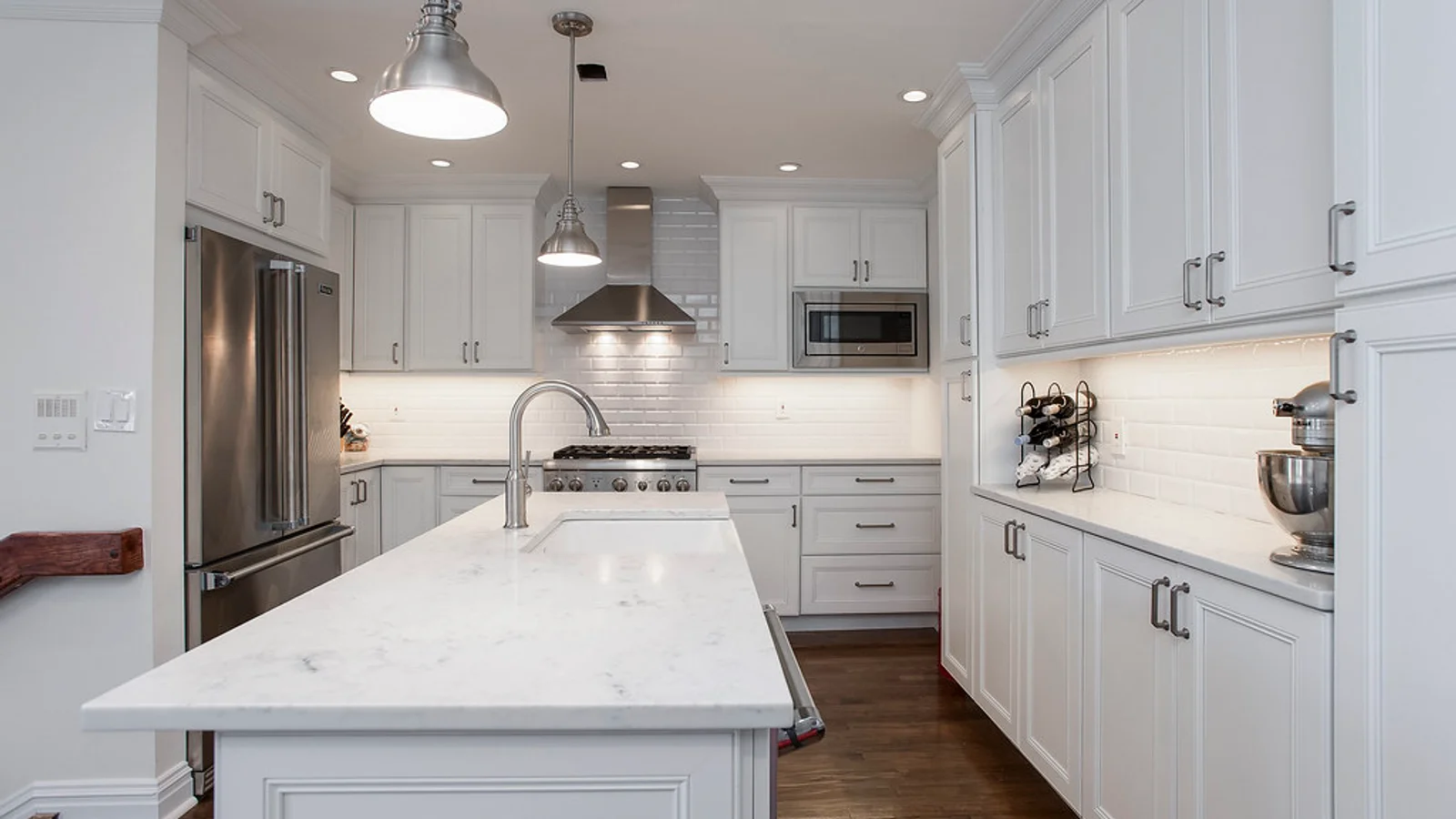
An interior fit-out company in Dubai physically builds out shops, offices, restaurants and villas, and it is a contractor, not a design studio. That distinction is the first trap, because a fit-out contractor executing partitions, ceilings, joinery, flooring and MEP connections is a regulated contracting activity, legally separate from an interior-design studio that only produces drawings [1]. Building on a design licence invalidates contracts and blocks the site permits.
The moat sits in three overlapping gates. The contractor licence with Dubai Municipality external approval, the new Contractor Register and grading under Dubai Law No. 7 of 2025 that classifies every contractor from January 2026, and a per-project fit-out permit whose approving authority depends on where the premises sits, Dubai Municipality on the mainland, Trakhees in ports and special zones, the Dubai Development Authority in TECOM clusters, DIFC in DIFC, and mall management's own approval and approved-contractor panels on top [1][2][3][5][6]. Knowing which authority approves which job is a core competence, not a detail.
This guide covers the contracting licence and the 2026 register, the per-project fit-out permit, the Civil Defence rule, ownership, and why the free-zone 0% pitch fails for on-site work. Since 2013, our team has set up contracting and regulated companies across the UAE, so the traps here come from real files. This is a guide, not legal or tax advice on your specific licence.
Why is fit-out contracting, not interior design?
Because execution and design are different regulated activities. Fit-out contracting is the physical execution of work on site, and it requires a mainland DET contracting licence for interior decoration or fit-out contracting, with Dubai Municipality external approval on the activity, whereas interior design is a professional consultancy activity permitting drawings and visualisation only, under a different activity code and with no on-site execution rights [1]. They are not interchangeable.
The consequence is concrete. If you license as a design consultancy and then build, your contracts are invalid and the authority site permits are blocked, because a design licence does not authorise on-site works [1]. So the first decision is honest: are you designing, or building? If you are building, you need the fit-out contracting licence and, from 2026, a classification in the Contractor Register. Our interior design guide covers the design-only route, and our construction guide covers the wider contracting framework fit-out sits within.
Common Mistake: Licensing as an interior-design consultancy and then doing the fit-out works. A design licence permits drawings only; on-site execution requires a fit-out contracting licence with Dubai Municipality external approval and, from 2026, Contractor Register classification. Building on a design licence invalidates contracts and blocks site permits.
How does the 2026 Contractor Register apply?
It classifies every fit-out contractor and caps the work they can win. Dubai Law No. 7 of 2025 on contracting activities came into force on 8 January 2026, with a grace period to January 2027, creating a unified Contractor Register managed by Dubai Municipality, integrated with the Invest in Dubai platform, under which a contractor may not perform or market contracting activities without both a valid licence and registration in the register [2][3].
The grading is what reshapes a fit-out business. Contractors are classified by technical, financial and administrative capacity, new firms enter at the lowest tier, and they must operate strictly within their classification and cannot bid work above it, with promotion on meeting higher-tier criteria [2][3]. Technical staff must hold professional competency certificates, and the register covers contracting across the emirate including free zones. Fit-out and finishing works fall within this regime, so confirm the exact classification category and the competency-certificate scheme with Dubai Municipality once the implementing rules publish. The licence gets you registered; the grade decides the scale of jobs you can take.
Why does the fit-out permit depend on where the premises sits?
Because different authorities govern different plots, and each job needs its own permit before work starts. Every individual fit-out needs a building-modification or fit-out permit before work begins, and the approving authority depends on the plot's jurisdiction [1][5][6]:
- Dubai Municipality, via the Building Permit System, for mainland plots.
- Trakhees, for Nakheel, ports and special zones such as JAFZA, Palm Jumeirah, JLT, JVC and Discovery Gardens, where both the consultant and the contractor must be Trakhees-accredited, and on the Palm a Nakheel master-developer NOC is needed before the permit.
- The Dubai Development Authority, for its TECOM clusters such as Internet City, Media City and Design District, where a DDA-registered consultant and contractor are mandatory.
- DIFC, for DIFC, with its own regime, and mall management on top, which runs its own fit-out approval and typically restricts work to a panel of approved contractors.
The practical takeaway is that a fit-out contractor must route each job to the right authority, hold the right accreditations, and, from 2026, be classified in the register [1]. Submitting to the wrong authority is an instant rejection, and getting onto mall and Trakhees approved-contractor panels is itself a commercial moat. Confirm the current per-permit fees on each authority's portal.
Pro Tip: Before you take a job, check the plot's jurisdiction and confirm you hold the accreditation that authority requires, because the permit route is decided by where the premises sits, not by you. A contractor accredited with Dubai Municipality but not Trakhees cannot lawfully fit out a JAFZA or Palm unit. Match your accreditations to the jurisdictions you want to work in. Get your fit-out setup scoped properly→
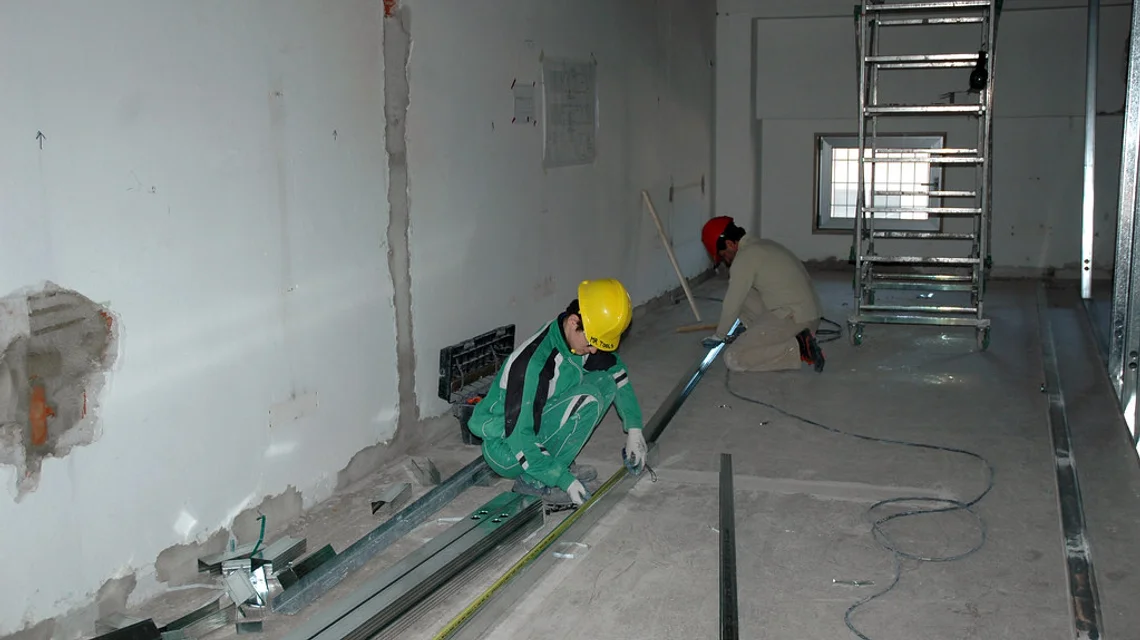
What about Civil Defence and consultant sign-off?
Civil Defence approval for anything touching fire and life safety, and consultant-stamped drawings before work. Fit-out work that affects fire and life safety must get Dubai Civil Defence approval or NOC on drawings before execution, triggered by partitions, which alter compartmentation and means of escape, changes to fire exits, sprinkler and fire-alarm modifications, and MEP alterations, with each unit's fit-out needing its own sign-off confirming the new layout is compatible with the building's fire coverage [4]. Even in a building with existing fire systems, the individual fit-out is reviewed.
On drawings, the architectural layout, partitions, MEP and fire layouts and finishes must be prepared or stamped by a licensed engineering consultant registered with the relevant authority, and the authority approval must be obtained before work begins, with a completion inspection afterwards and a Civil Defence sign-off where fire systems are involved [1]. Starting without a permit risks fines and a stop-work order. So a fit-out is not just carpentry; the partitions and the MEP pull in Civil Defence and a consultant, which is exactly what separates a compliant contractor from an informal one. Our fire and safety systems guide covers the Civil Defence side, and our HVAC guide covers the MEP works that dovetail with fit-out.
Can a foreigner own it, and how is it taxed?
You can own it fully on the mainland, and the free-zone 0% does not rescue on-site work. On ownership, 100% foreign ownership is available for mainland fit-out contracting under the post-2021 reforms, though it is activity-code specific, so confirm the exact code's eligibility with DET [7]. Ownership is not the obstacle; mainland status effectively is, because on-site works fall under municipal and authority jurisdiction.
On tax, the company pays 0% on taxable income up to AED 375,000 and 9% above, with Small Business Relief for revenue up to AED 3 million for tax periods ending on or before 31 December 2029, and VAT on fit-out is standard-rated at 5% as a service related to immovable property whose place of supply is where the property is located [7][8]. Our corporate tax filing guide covers the mechanics. Crucially, the free-zone 0% does not apply: under the qualifying-income rules, income attributable to a mainland permanent establishment and income from immovable property are excluded, so on-site fit-out on mainland real estate is non-qualifying and taxed at 9%, and a free-zone fit-out contractor cannot shelter on-site execution revenue at 0% [8]. Full ownership is available on the mainland anyway, which is the correct structure: our mainland company setup page walks through the DET contracting route the build side needs, while the free zone company setup page explains why a free-zone licence, which suits a design studio or a materials-trading arm, cannot authorise on-site execution or tax the immovable-property revenue at 0%. Our free zone versus mainland guide covers why on-site work stays mainland.

What does it cost, and is it worth it?
The licence is affordable; the classification, accreditations and per-project permits are the real spend. Here is a realistic 2026 picture in AED, all figures approximate and worth confirming with the authorities.
| Item | Typical range (AED) |
|---|---|
| DET mainland licence with fit-out contracting activity | 15,000 to 30,000 first year |
| Contractor Register classification (Law No. 7) | Confirm current schedule with DM |
| Office or warehouse (Ejari, mandatory) | 15,000 to 40,000+ per year |
| Fit-out permit, Dubai Municipality | ~AED 1 per sq ft, minimum 200 |
| Fit-out permit, Trakhees | ~2,000 simple to ~15,000 complex |
| Consultant drawings and Civil Defence approval, per project | Project-dependent |
A realistic all-in first year for a small mainland fit-out contractor, excluding the new register fees, is roughly AED 40,000 to 75,000 before per-project permit costs. The demand case is strong and steady.
Quick Math: Every new retail, office and restaurant tenancy triggers a fit-out, and Dubai's high commercial-leasing turnover means constant new-fit-out volume, while restaurants and retail typically refit every few years and offices on lease renewal, so refurbishment is a recurring pipeline on top of new fit-outs. The regulatory tailwind is real too: the 2026 register and the mall and Trakhees approved-contractor panels raise the barrier, concentrating work with properly licensed, classified and accredited contractors, which favours a firm that gets compliant early.
Is a fit-out business a good business in Dubai?
It can be a steady, cash-generative business, because the demand does not depend on new towers going up, it depends on tenancies changing hands, and in Dubai they change hands constantly. Every time a shop, office or restaurant unit is leased, sub-let or handed back, the incoming tenant fits it out, and the outgoing one often strips it back to shell-and-core first, so a single unit can generate two jobs in one leasing cycle [1]. That churn is the engine, and it keeps running whether the wider property market is booming or flat.
The refurbishment cycle sits on top of new fit-outs. Restaurants and cafes typically refit every three to five years to stay current, retail brands refresh stores on a similar cadence, and offices re-plan on lease renewal or when headcount changes, so the same premises comes back around as repeat work [1]. Add the steady growth of retail floor space, the office take-up from new companies licensing every month, and the F&B expansion that follows Dubai's tourism and population numbers, and the pipeline is broad rather than tied to one segment. A fit-out contractor with a handful of repeat commercial clients and a landlord or two on the books rarely runs dry.
The honest counterweight is that it is a competitive, execution-heavy business with thin tolerance for error. Margins live and die on how tightly you run procurement, labour and the permit timeline, a delayed Civil Defence or authority approval can push a handover past a tenant's rent-free period and sour the relationship, and the 2026 Contractor Register now sorts firms by grade, so a new entrant starts at the bottom tier and builds up. The table below frames where a fit-out contractor sits against the two activities founders most often confuse it with.
| Activity | Licence and register | What it may legally do | On-site execution |
|---|---|---|---|
| Fit-out contractor | Mainland DET fit-out / interior-decoration contracting, DM external approval, Contractor Register grade | Build out interiors: partitions, ceilings, joinery, flooring, MEP connections | Yes, on a per-job permit |
| Interior designer | Design consultancy activity (professional) | Produce drawings, concepts, visualisations and specifications | No |
| General construction contractor | Mainland building contracting, Contractor Register grade | Structural and civil building of the property itself | Yes, structural scope |
The workable position for most founders is the fit-out contracting licence, because it is the one that lets you sign and deliver the build. If drawings are all you intend to sell, that is a different, lighter business with a different code. Our mainland company setup page covers the DET contracting route the build side needs.
Real Talk: The barrier that makes this business harder is also what protects it. The register, the per-job permits and the mall and Trakhees approved-contractor panels weed out informal operators, so a firm that gets properly licensed, classified and accredited early is competing against a smaller field than the raw number of "fit-out companies" online suggests. The compliance load is the moat, not just a cost.
What documents and steps does it take to start a fit-out company?
A mainland company, Dubai Municipality external approval on the activity, a Contractor Register classification, and the accreditations for the zones you want to work in. The paperwork is heavier than a plain trade licence because the register and the authorities vet the firm, its finances and its staff, not just the name. A realistic document checklist looks like this.
- Company documents: passport copies and photos of the shareholders, the reserved trade name, DET initial approval, the Memorandum of Association, and an Ejari tenancy for the office and, where you hold materials or run joinery, a workshop or warehouse.
- Activity and external approval: the interior-decoration or fit-out contracting activity on the DET licence, with Dubai Municipality external approval signed off on the contracting activity.
- Contractor Register: the classification application to the Dubai Municipality Contractor Register under Law No. 7 of 2025, with the technical, financial and administrative documents that support the grade, submitted through the Invest in Dubai platform.
- Staff: professional competency certificates for the technical staff the register requires, plus the engineer or supervisor the classification expects on the books.
- Accreditations: registration with Trakhees, the Dubai Development Authority or DIFC for the jurisdictions you intend to work in, since each governs its own plots and vets the contractor separately.
The sequence matters more than the volume, because the classification and the accreditations, not the licence, decide what you can actually bid. A realistic order and timeline looks like this.
| Step | Typical timeline |
|---|---|
| Trade name, DET initial approval and Memorandum | About 1 week |
| DET licence with fit-out contracting activity and DM external approval | 1 to 3 weeks |
| Office or warehouse Ejari and establishment card | Alongside the licence |
| Contractor Register classification (Law No. 7 of 2025) | Weeks, document-dependent |
| Trakhees, DDA or DIFC accreditation for target zones | Weeks each, jurisdiction-dependent |
| Staff visas and competency certificates | Alongside the above |
Plan the classification and the accreditations from day one, because a licensed firm with no grade and no zone accreditation can market very little. Get your fit-out company setup and timeline mapped→
What are the ongoing costs and compliance for a fit-out company?
The licence renewal is the small part; the register, the per-project permits and the tax filings are the running load, and they never stop. The DET licence and the office Ejari renew annually, and on top of that the Contractor Register classification carries its own renewal and periodic review, so the grade you hold has to be maintained with up-to-date financial and staffing evidence rather than earned once [2][3]. Let the register lapse and you cannot lawfully market or perform contracting, whatever the trade licence says.
The costs that scale with the business are per project, not annual. Every fit-out needs its own permit from the authority that governs the plot, Dubai Municipality on the mainland, Trakhees in the ports and special zones, the Dubai Development Authority in the TECOM clusters, or DIFC, plus mall management's own fit-out charge where the unit sits inside a mall, so a busy contractor pays permit fees continuously across jobs [1][5][6]. Anything touching fire and life safety pulls in a Dubai Civil Defence approval on the drawings before work and a sign-off after, and each unit is reviewed on its own [4]. Consultant-stamped drawings are a per-project cost too.
On people and tax, the technical staff the register recognises must keep their competency certificates current, and staff visas, the establishment card and payroll under the Wages Protection System renew on their own cycles. The company registers for corporate tax and files annually at 0% up to AED 375,000 of taxable income and 9% above, and registers for VAT once taxable turnover passes AED 375,000, charging 5% on fit-out work as a service related to immovable property in the UAE [7][8]. These renewals, register reviews, permit filings and tax returns are exactly the recurring work our post-setup services handle, so the firm stays compliant while you run projects. Budget the register review and the per-project permits from year one, not as an afterthought.
Can you open a corporate bank account for a fit-out company?
Yes, and a mainland contracting licence is a familiar profile to UAE banks, but expect the standard onboarding rather than an instant or fully remote account. A fit-out company opens a corporate account with a local bank once the DET licence, the Ejari and, ideally, the Contractor Register classification are in place, and the bank runs full know-your-customer checks on the shareholders, the contracting activity and the expected turnover, usually with an in-person meeting and the licence and tenancy in hand [7]. There is no fully remote account opening for a physical, contracting operation like this.
A few things smooth the process for a contractor specifically. Fit-out is a payments-heavy activity, with client advances, staged progress payments, retention held back for months and supplier and subcontractor settlements to make, so a clear picture of your project pipeline, your main clients and your expected monthly flows helps the bank size the account correctly. A maintained minimum balance is normal, and if you want a project-finance line or the bank guarantees that landlords and mall operators sometimes ask fit-out contractors to post, the bank will look harder at your accounts and track record before extending them. Getting the banking set up early, before the first large contract lands, avoids cash-flow friction once retentions and progress claims start moving through the business.
Real Client Stories
The design licence that could not build. A client licensed as an interior-design consultancy and won a fit-out contract, then found the design licence permits drawings only and could not authorise the on-site works, so the contract was invalid and the permit blocked. We added the fit-out contracting licence. Design and execution are different activities.
The JAFZA job submitted to the wrong authority. A contractor accredited with Dubai Municipality took a JAFZA fit-out and submitted the permit to the Municipality, which rejected it because the plot is a Trakhees jurisdiction needing Trakhees accreditation. We got the Trakhees accreditation. Where the premises sits decides who approves.
The 0% that never applied. A client set up in a free zone expecting 0% corporate tax on his fit-out jobs. On-site fit-out is a mainland, immovable-property service, excluded from qualifying income and taxed at 9%, and a free-zone licence does not authorise mainland on-site execution anyway. We put the business on a mainland footing. The free-zone tax break does not reach fit-out.
Set up your Dubai interior fit-out company the right way
Interior fit-out rewards contractors who treat the register, the per-project permits and the Civil Defence rules as the real business, and it traps those who license as designers or stop at the trade licence. Since 2013, BusinessDubai.ae has completed 700+ company registrations across the UAE, including contracting and regulated companies. We will help you license the fit-out contracting activity, register and classify in the Contractor Register, secure the accreditations for the jurisdictions you want to work in, plan the per-project permits and Civil Defence approvals, and set up the corporate tax and VAT position correctly, all with clear itemised pricing. Talk to a setup expert→ for a plan built around your firm. Our free zone versus mainland guide covers the structure choice, and post-setup services covers ongoing approvals and renewals.
Frequently Asked Questions
How do I start an interior fit-out company in Dubai?
Register a mainland DET licence with the interior decoration or fit-out contracting activity and Dubai Municipality external approval, register and classify in the Contractor Register under Law No. 7 of 2025, and for each job obtain a fit-out permit from the authority that governs the premises. A design licence does not authorise on-site works [1][2].
Is interior fit-out the same as interior design in Dubai?
No. Interior design is a consultancy activity permitting drawings only, while fit-out contracting is the physical execution of work on site, a different activity with Dubai Municipality external approval and, from 2026, Contractor Register classification. Building on a design licence invalidates contracts and blocks permits [1].
Does the 2026 contractor law apply to fit-out companies?
Yes. Dubai Law No. 7 of 2025, in force 8 January 2026, pulls fit-out contracting into the Dubai Municipality Contractor Register with mandatory classification. New firms enter at the lowest tier, which caps the value of work they can take, and must operate within their grade. The grace period runs to January 2027 [2][3].
Why does the fit-out permit depend on the location?
Because different authorities govern different plots. Dubai Municipality approves mainland fit-outs, Trakhees approves Nakheel, ports and special zones, the Dubai Development Authority approves TECOM clusters, DIFC approves DIFC, and mall management runs its own approval on top. Each job needs a permit from the authority that governs the premises [1][5][6].
Do I need Civil Defence approval for a fit-out in Dubai?
Yes, for anything touching fire and life safety. Partitions, changes to means of escape, and sprinkler, fire-alarm or MEP modifications need Dubai Civil Defence approval on drawings before execution, with each unit's fit-out reviewed for compatibility with the building's fire coverage, and a completion sign-off after [4].
What is the Contractor Register for fit-out contractors?
A unified register managed by Dubai Municipality under Law No. 7 of 2025, in which every contractor must register and hold a classification grade based on technical, financial and administrative capacity. Fit-out and finishing works fall within it, and a contractor cannot work outside its grade [2][3].
Can a foreigner own an interior fit-out company in Dubai?
Yes, for mainland fit-out contracting under the post-2021 reforms, though ownership is activity-code specific, so confirm the exact code's eligibility with DET. Mainland status is effectively required because on-site works fall under municipal and authority jurisdiction [7].
Does a free-zone fit-out company get the 0% corporate tax rate?
No on its core work. On-site fit-out is a mainland, immovable-property service, excluded from qualifying income and taxed at 9%, and a free-zone licence does not authorise mainland on-site execution anyway. Full ownership is available on the mainland, which is the correct structure [8].
What is a fit-out permit in Dubai?
The building-modification permit each fit-out job needs before work starts, approving the layout, partitions, MEP and fire drawings. It is issued by the authority governing the plot, Dubai Municipality, Trakhees, the DDA or DIFC, with mall management approval on top in malls. Starting without it risks fines and stop-work [1][5].
Do I need to be Trakhees-accredited for fit-out work?
For fit-outs in Trakhees jurisdictions, such as JAFZA, Palm Jumeirah and JLT, yes, both the consultant and the contractor must be Trakhees-accredited, and on the Palm a Nakheel NOC is needed before the permit. A contractor not accredited there cannot lawfully fit out those units [5].
How much does it cost to start a fit-out company in Dubai?
A realistic all-in first year for a small mainland contractor is roughly AED 40,000 to 75,000, excluding the new register fees, before per-project permit costs. The DET licence, office and visas are the main setup items, with permits and consultant fees per project on top. Figures are approximate.
How is a fit-out company taxed in Dubai?
Corporate tax is 0% up to AED 375,000 of taxable income and 9% above, with Small Business Relief for revenue up to AED 3 million for tax periods ending on or before 31 December 2029. VAT on fit-out is 5% as a service related to immovable property in the UAE [7][8].
What is the difference between fit-out and construction in Dubai?
Fit-out is the interior build-out of a space, partitions, ceilings, joinery, flooring and MEP connections, within an existing building, while construction is the structural and civil building itself. Both are contracting under the register, but fit-out is finishing works and construction is structural. Match the activity to the work [1].
Do fit-out drawings need a consultant in Dubai?
Yes. The architectural layout, partitions, MEP and fire drawings must be prepared or stamped by a licensed engineering consultant registered with the relevant authority, and the authority approval must be obtained before work begins, with a completion inspection after [1].
Can I do fit-out work in a mall in Dubai?
Yes, but mall management runs its own fit-out approval on top of the authority permit and typically restricts work to a panel of approved contractors. Getting onto mall approved-contractor panels is itself a commercial requirement, alongside the authority permit and the register classification [1].
Why is demand for fit-out steady in Dubai?
Because it is tied to churn. Every new retail, office and restaurant tenancy triggers a fit-out, Dubai's commercial-leasing turnover is high, and retail and F&B refit every few years, so refurbishment is a recurring pipeline on top of new fit-outs. The 2026 register also concentrates work with compliant contractors [2].
What happens if I start fit-out work without a permit?
It risks fines, reported from a minimum, plus a stop-work order, because every fit-out needs its permit from the governing authority before work starts. Starting without it, or on the wrong authority's approval, exposes the contractor and the client to penalties [1].
Do I need a warehouse for a fit-out company in Dubai?
A contracting licence requires physical premises, typically an office and often a workshop or warehouse for joinery and materials, which is mandatory and a recurring cost. It is one of the main setup expenses alongside the licence and the register classification [7].
How long does it take to set up a fit-out company in Dubai?
The DET trade licence with Dubai Municipality external approval can take a few weeks, and the Contractor Register classification and the accreditations for specific jurisdictions add time. Plan the classification and the accreditations alongside the licence, since the grade and accreditations govern what you can bid.
What is the difference between a fit-out contractor and an interior designer?
A fit-out contractor executes the physical works on site under a contracting licence and the register, while an interior designer produces drawings and concepts under a consultancy licence. Many projects need both, but they are separate licences, and a designer cannot lawfully execute the fit-out [1].
What happens if I submit a fit-out permit to the wrong authority?
It is rejected outright, because the approving authority is determined by the plot's jurisdiction, and Trakhees and DDA additionally require the consultant and contractor to be accredited with them. Routing each job to the correct authority is a core competence for a fit-out contractor [1][5][6].
What documents do I need to start a fit-out company in Dubai?
Shareholder passports and photos, the reserved trade name and DET initial approval, the Memorandum of Association, an Ejari for the office and often a workshop, the fit-out contracting activity with Dubai Municipality external approval, the Contractor Register classification application under Law No. 7 of 2025, and competency certificates for the technical staff, plus Trakhees, DDA or DIFC accreditation for the zones you target. The classification and accreditations are the gating items [1][2].
What are the ongoing costs of running a fit-out company in Dubai?
Annual DET licence and Ejari renewals, the Contractor Register classification renewal and periodic review, per-project fit-out permits from Dubai Municipality, Trakhees, the DDA or a mall, Civil Defence approvals where fire and life safety are affected, consultant-stamped drawings per job, staff visas and competency-certificate upkeep, and corporate tax and VAT filings. The per-project permits and the register review recur for the life of the business [1][2][4].
Can I open a corporate bank account for a fit-out company in Dubai?
Yes, with a local bank once the DET licence, Ejari and ideally the Contractor Register classification are in place. Expect full know-your-customer checks on the shareholders and the contracting activity, an in-person meeting, and a maintained minimum balance. A clear project pipeline and client list help, and any bank-guarantee or project-finance line gets closer scrutiny. There is no fully remote account opening for a contracting operation [7].
Is a fit-out business profitable in Dubai?
It can be a steady earner, because demand tracks tenancy churn and refurbishment rather than new construction, and shops, offices and restaurants refit every few years. It is competitive and execution-heavy, though, so margins depend on tight procurement, labour and permit timelines, and the 2026 Contractor Register starts new firms at the lowest grade. Repeat commercial clients and landlord relationships are what make it reliable [1][2].
What grade does a new fit-out contractor get in the Contractor Register?
New firms enter the Dubai Municipality Contractor Register at the lowest classification tier, because the grade is set by technical, financial and administrative capacity and a new entrant has the least track record. You must work strictly within that grade and cannot bid jobs above it, with promotion available on meeting the higher-tier criteria. Confirm the exact categories and thresholds with Dubai Municipality once the implementing rules publish [2][3].
Do I need Trakhees or DDA accreditation for a fit-out company in Dubai?
Only for the jurisdictions you work in. Fit-outs in Trakhees zones such as JAFZA, Palm Jumeirah and JLT require the contractor, and the consultant, to be Trakhees-accredited, and fit-outs in the DDA's TECOM clusters such as Media City and Design District require DDA registration. A firm accredited only with Dubai Municipality cannot lawfully fit out those units, so match your accreditations to the plots you target [5][6].
How do I get onto a mall's approved-contractor panel in Dubai?
Malls run their own fit-out approval on top of the authority permit and usually restrict work to a panel of pre-approved contractors, so you apply to the mall operator, who vets your licence, register classification, insurance, track record and often a completed reference fit-out. Getting onto a panel is a commercial gate in its own right and a real moat, because it is what lets you bid the retail units inside that mall [1].
Should a fit-out company be mainland or free zone in Dubai?
Mainland, for the build side. On-site fit-out falls under municipal and authority jurisdiction and is a mainland, immovable-property service, and the free-zone 0% corporate tax does not reach it, so a free-zone licence cannot authorise or tax-shelter on-site execution. A free zone can suit a pure design or materials-trading arm, but the contractor that signs and delivers the build is mainland [7][8].
References
[1] Dubai Municipality Building Permit System and building and fit-out permits: the mainland fit-out permit, plot jurisdiction check and the interior-decoration contracting activity. Dubai Municipality
[2] Dubai Law No. 7 of 2025 regulating contracting activities, legal analysis: the unified Contractor Register and classification, in force 8 January 2026. Law No. 7 of 2025 analysis
[3] Dubai Law No. 7 of 2025, contractor register and classification analysis. Contractor register analysis
[4] Dubai Civil Defence e-Services and fire-safety drawing approvals: the UAE Fire and Life Safety Code, partitions, means of escape and MEP approvals. Dubai Civil Defence
[5] Trakhees, PCFC, building and fit-out permits and the accredited consultant and contractor register for Nakheel, ports and special zones. Trakhees
[6] Dubai Development Authority, fit-out and building permits for TECOM free-zone clusters, with a DDA-registered consultant and contractor mandatory. Dubai Development Authority
[7] Federal Tax Authority, corporate tax and free-zone rules, and 100% foreign ownership context: 0% to AED 375,000 then 9%, and Small Business Relief through 31 December 2029. Federal Tax Authority corporate tax
[8] Ministry of Finance, Cabinet Decision No. 100 of 2023 on qualifying income for the Qualifying Free Zone Person: immovable-property income excluded from the 0% rate. Cabinet Decision 100 of 2023