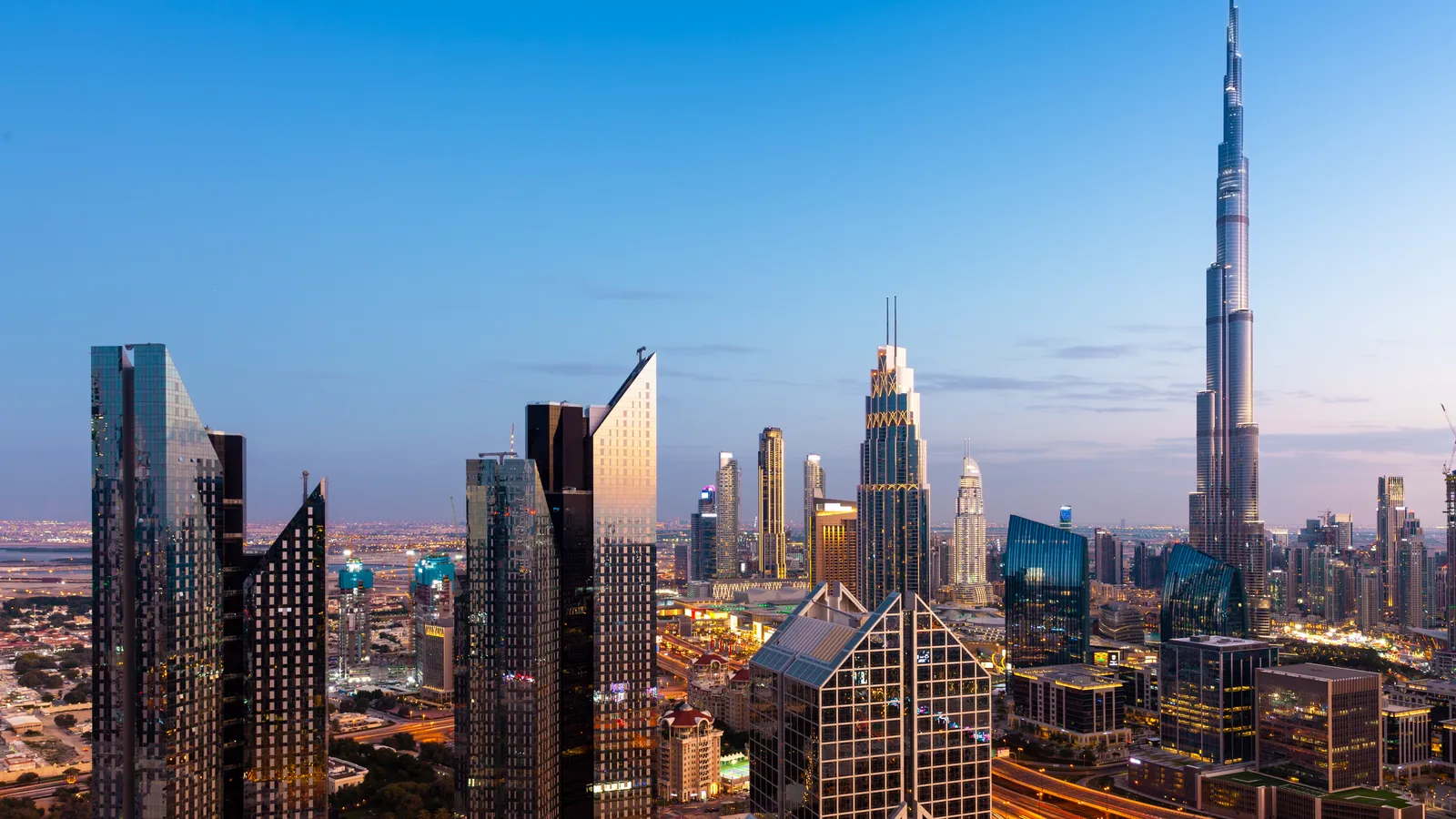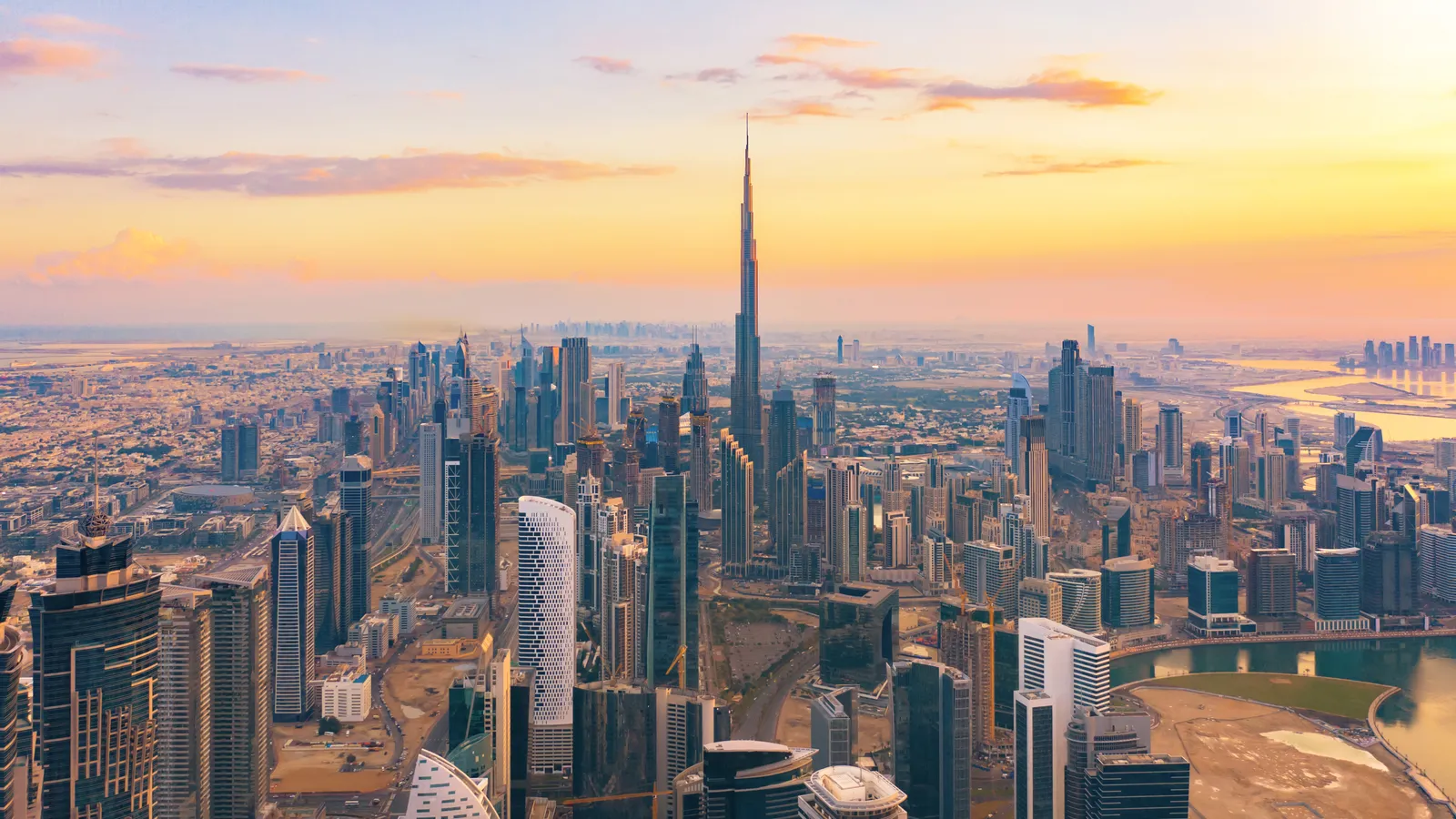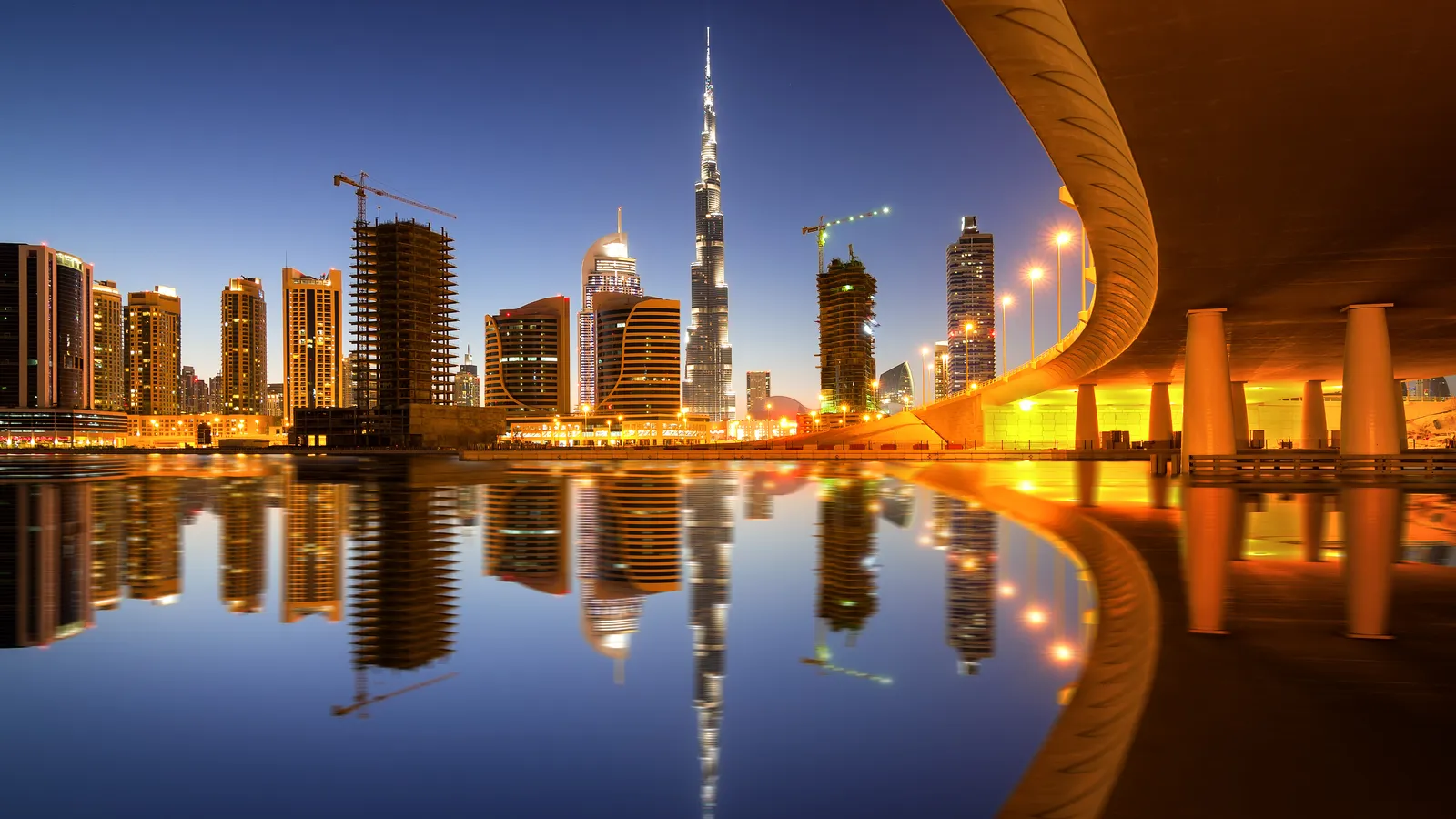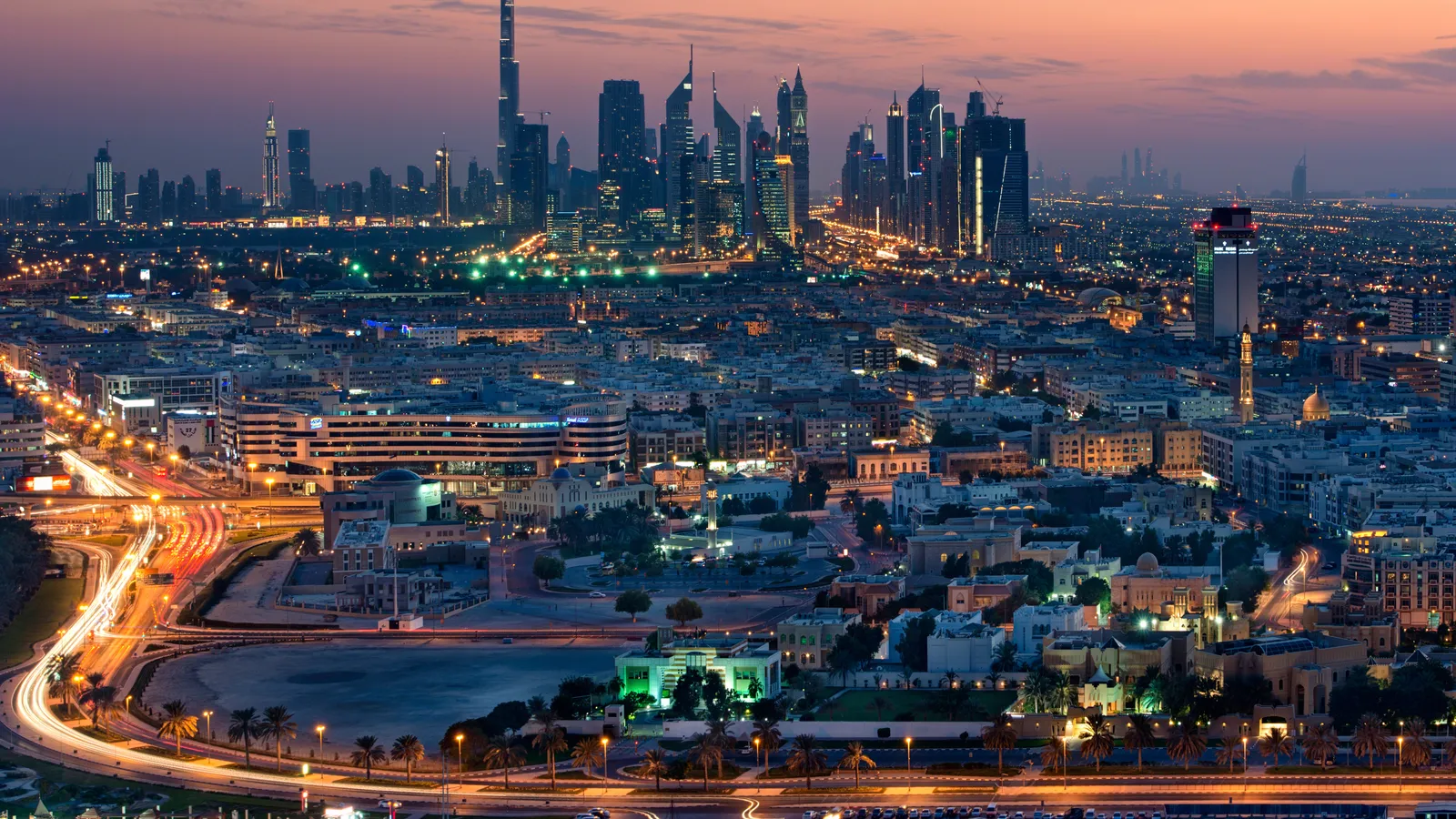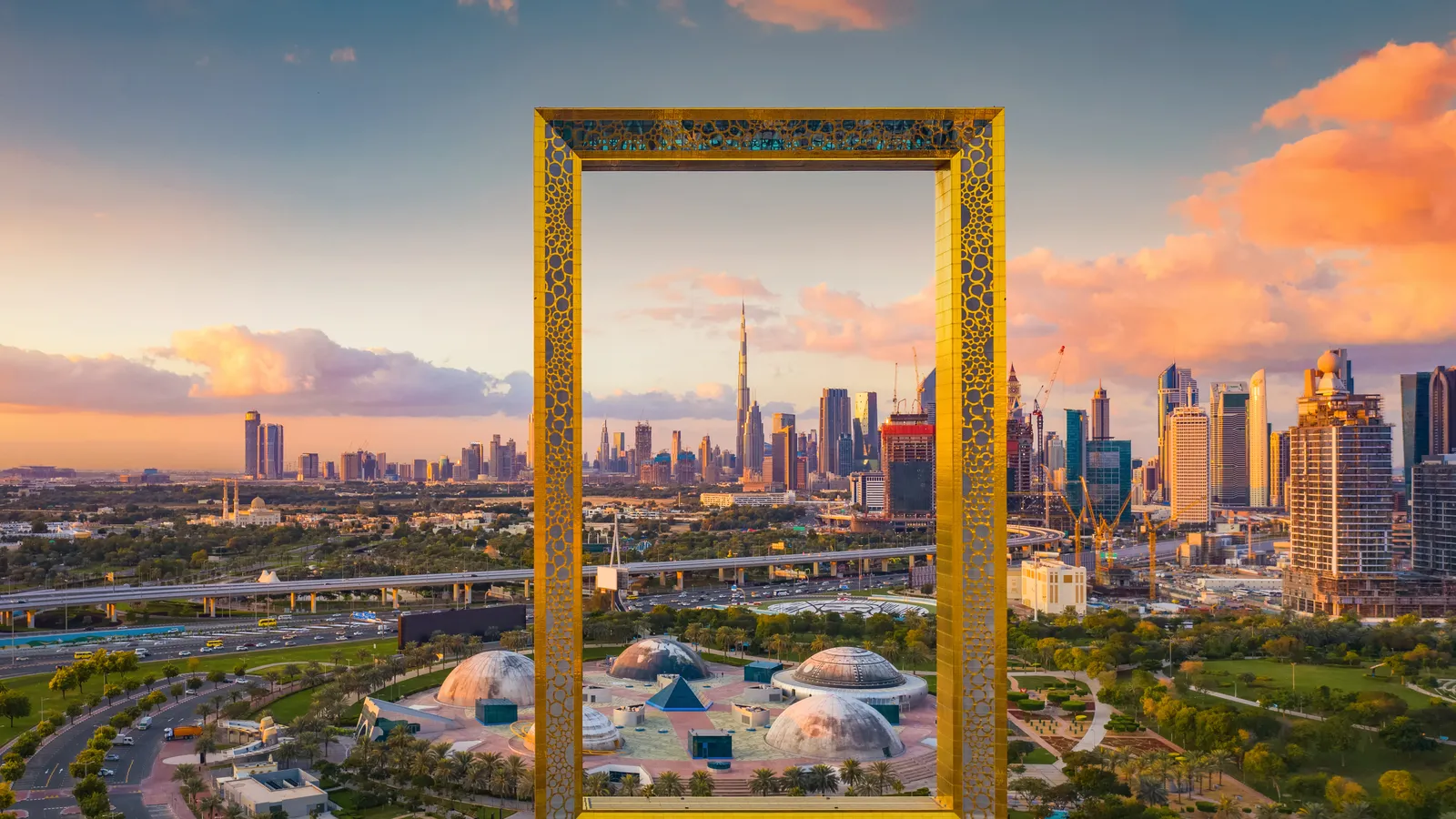
The UAE economy is on track for one of its strongest years. A 5.6% growth forecast for 2026 isn't just a number on a spreadsheet. It translates to real opportunities: new companies launching, foreign investors pouring in capital, entire sectors expanding, and thousands of jobs being created across the emirate. If you're thinking about starting a business in Dubai or Abu Dhabi right now, you're entering the market at exactly the right moment.
What's Driving the 5.6% Growth Forecast for UAE in 2026?
The International Monetary Fund, World Bank, and Central Bank of the UAE all project the economy growing between 5% and 5.6% in 2026, making it one of the world's fastest-growing economies [1][2]. But why such confident projections? The answer isn't oil. It's diversification.
Non-Oil Sectors Are the Real Growth Engine
Non-oil sectors are expected to account for 78% of the UAE's GDP in 2026, growing at 5.3% annually [3]. This shift from oil-dependent growth to broad-based diversification is the biggest structural change in the UAE economy over the past two decades. Manufacturing, tourism, financial services, logistics, and technology now drive the economy forward. When one sector slows, others pick up the slack. That's economic stability.
Real Talk: Oil made up 50% of the UAE economy in 2000. Today it's 22%. This diversification is why the UAE weathered global recessions. That's your foundation.
Foreign Direct Investment is Accelerating
In the first half of 2025 alone, the UAE attracted USD 5.42 billion in foreign direct investment across 613 greenfield projects [4]. Dubai led the charge with 526 projects (USD 3.03 billion), while Sharjah captured USD 1.47 billion. The UK, India, and the US are the top source countries, but investors from across the Middle East, Europe, and Asia are setting up operations here.
Real estate attracted the highest capital investment at USD 1.05 billion, followed by transportation and warehousing at USD 770.4 million. Business services (183 projects) and software/IT services (108 projects) show where international companies are betting their money right now [4].
New Company Registrations Hit Record Levels
The UAE registered 250,000 new companies in 2025, pushing the total to over 1.4 million active businesses [5]. Dubai alone issued nearly 19,000 commercial licenses in Q1 2025, representing 59% of all business licenses issued across the UAE in that quarter. The government's target is 2 million companies by 2030, and at current growth rates, that's achievable.
Nearly 760,000 new companies were registered since the Commercial Companies Law took effect in September 2021, representing 119% growth. That's not just a statistical quirk. It means entrepreneurs and investors are moving fast. The infrastructure, regulations, and business-friendly environment are all signaling the same message: now is the time to launch.
Common Mistake: Entrepreneurs often delay waiting for the "perfect" idea. In an economy registering 250,000 new companies annually, delay is the real risk.

Which Sectors Are Actually Growing in 2026?
Not all sectors grow at the same pace. Understanding where the real momentum is helps you pick the right business to start or the right industry to join.
Tourism and Hospitality Lead the Pack
Dubai is targeting 22 million visitors in 2026 (20 million in 2025) [6]. Abu Dhabi and Ras Al Khaimah are expanding tourism infrastructure. Tourism generates hundreds of billions of dirhams annually.
Growth drivers: Dubai Creek Tower, increased airline capacity, 50+ new hotel openings, and a stable regional environment. Western Europe accounts for 22% of Dubai's visitors, the highest share of any region [6].
For entrepreneurs, this means opportunities in hospitality services, tour operations, and event management. Tourism is your tailwind. Check out top business ideas for Dubai to see what's working in this sector right now.
Financial Services and Fintech Are Exploding
The UAE fintech market is estimated at USD 52.07 billion in 2026 and is projected to reach USD 90.06 billion by 2031 at 11.58% annual growth [7]. Digital payments now account for over 53% of all online transactions. Digital wallets are standard. Social commerce through Instagram, TikTok, and WhatsApp is reshaping how people shop.
Fintech investment reached USD 2.2 billion by mid-2026, with sovereign wealth funds actively funding early-stage companies. The DIFC and ADGM have regulatory sandboxes attracting fintech entrepreneurs globally. If you're building in fintech, the UAE offers capital, customers, and regulatory support. Setup guidance for mainland locations and free zones is available to help you get started.
Technology and Artificial Intelligence Are Strategic Priorities
Around 21% of newly launched digital startups are AI-focused, and UAE IT spending is projected to approach USD 24 billion in 2026 [7]. Cloud spending is growing at double-digit rates. Banks are deploying AI for fraud prevention and credit scoring. Fintechs are using AI to personalize customer experiences. Manufacturing is automating with AI-driven systems.
The D33 agenda (Dubai Economic Agenda) specifically targets supporting 30 companies to become global unicorns, with a focus on new sectors like AI, advanced manufacturing, and green technology. If you're a tech founder, the support ecosystem is unprecedented. Venture capital is flowing. Regulatory sandboxes exist. Customer demand is insatiable. This is the moment to launch.
Real Estate and Construction Continue to Surge
More than 215,000 residential transactions were recorded in Dubai in 2025, with a total value of AED 686 billion, setting a new record [8]. Rental yields are up to 5.45% on average, with Dubai properties yielding 6.66% gross annually [8]. Properties are selling faster: 35-50 days on average, down from 46 days a year ago.
Abu Dhabi's real estate market is equally strong, with limited new supply relative to rising demand. Expo City Dubai is attracting major development with 25,000+ planned residents and AED 25 billion in total investment. Off-plan projects are appealing to investors seeking capital appreciation and flexible payment plans, while ready properties attract those seeking immediate rental returns.
Pro Tip: Real estate boom creates opportunities for interior designers, project managers, architects, and property managers. The market is actively hiring.
Manufacturing and Logistics Are Reshaping Dubai
Operation 300bn aims to increase the manufacturing sector's contribution to GDP from 9% to 25% by 2031, with industrial zones in Abu Dhabi, Dubai, and Sharjah hosting companies producing aluminum, steel, cement, pharmaceuticals, and food products [3]. The real catalyst? Etihad Rail and Expo City Dubai's Dubai Exhibition Centre.
Etihad Rail's 900-km freight network is operational and adds passenger service in 2026 [9]. By 2030, it will handle 60 million tonnes of freight. Lower logistics costs mean manufacturers can expand and hire more.
The Dubai Exhibition Centre is relocating to Expo City in 2026, with GITEX Global (the world's largest tech and AI show) and Gulfood (the world's largest food sourcing event) moving to the new 140,000 square-meter venue [10]. This is expected to triple the events sector's economic contribution from AED 18 billion to AED 54 billion by 2033.
Renewable Energy Is Attracting Major Capital
A 5.2 GW solar-plus-storage project broke ground in October 2025 [11]. The UAE targets 22 gigawatts of renewable capacity and 50% clean energy by 2050. Solar generation is projected to rise from 15.8 TWh to 75.4 TWh by 2035 [11].
This creates opportunities for solar installation companies, renewable energy consultants, energy efficiency auditors, and green building specialists. Sustainability is no longer optional. Companies bidding for contracts now list ESG compliance as a requirement. If you have skills in renewable energy or sustainability, you have premium market demand and premium pricing power.
What's the Real Business Opportunity for Entrepreneurs Right Now?
700+ new businesses are being registered in the UAE every single day. That doesn't mean every opportunity is equally attractive. Here's what separates smart entries from mediocre ones.
Free Zones Are Offering Unbeatable Entry Points
If you're starting a business in 2026, a free zone license is almost certainly your best move. Why? 100% foreign ownership, full profit repatriation, zero corporate tax, and cost structures that won't bankrupt you before you launch.
The free zone market is competitive, which is good for entrepreneurs. Pricing has stabilized, and several zones are now offering genuine value:
Budget-Friendly Options: Ajman NuVenture Free Zone offers zero-visa licenses at AED 4,888. SHAMS (Sharjah Media City) starts at AED 6,885 with 12,000+ registered companies [12]. RAKEZ charges from AED 6,010 and houses over 30,000 companies. If cash runway is your constraint, these zones let you preserve capital.
Professional Growth Zones: IFZA offers from AED 12,900 licenses with 100% digital setup and established international recognition [12]. Meydan sits just below it at AED 12,500, with instant 60-minute licensing and partnerships with 26+ banks [12]. These zones are ideal if you're targeting international customers or planning to scale quickly.
Premium and Specialized Zones: DMCC charges AED 30,000+ but is the leader in commodity trading and attracts major international companies. Dubai CommerCity is the dedicated e-commerce free zone with custom pricing and full logistics infrastructure. Choose your zone based on your business model, not just price.
Mainland Licensing: When to Consider It
A mainland license costs from AED 12,000 and lets you sell across all of the UAE. Choose mainland if you need unrestricted trading or plan government contracts. For most startups, a free zone is faster and better economically.
The D33 Agenda Is Real Support, Not Just Talk
Dubai's D33 (Double Dubai by 2033) agenda isn't aspirational marketing. It's backed by concrete capital allocation. The government is committing to tripling FDI from AED 32 billion annually to AED 60 billion annually by 2033, representing AED 650 billion in total investment [13]. Private sector investment is being ramped up from AED 790 billion in the past decade to AED 1 trillion in the next decade.
What does that mean for you? If you're building in fintech, AI, advanced manufacturing, or clean energy, government support mechanisms exist. Regulatory sandboxes accelerate approval. Venture capital funds have capital ready to deploy. Customer pilots can be negotiated with government entities. This isn't speculation. It's structural.
Tourism-Adjacent Businesses Have Proven Economics
With 22 million visitors projected for Dubai in 2026 and tourism generating AED 180 billion+ in economic activity, businesses serving tourists have predictable demand. Tour operators, restaurant franchises, accommodation management, and event planning are all recession-resistant in the UAE because tourism is a strategic government priority.
If you're considering a service business, tourism is one of the few sectors where you can project customer demand with high confidence.

Not sure how these changes affect your business? Our advisors keep you compliant and ahead of every new UAE regulation, tax, and reporting rule.
Talk to an expert→How Much Does It Actually Cost to Start a Business in Dubai in 2026?
License fees are just the entry point. Here's what real entrepreneurs are spending to get operational:
Startup Budget (AED 20,000-40,000 total)
For service-based businesses or digital products:
- Free zone license (RAKEZ/SHAMS): from AED 6,010
- Visa (typically 1 included): from AED 0
- Website and branding: from AED 3,000
- Business bank account setup: AED 0 (minimum balance 5,000-10,000)
- Initial marketing: from AED 5,000
- Legal and documentation: from AED 2,000
- Miscellaneous (accountant, insurance, workspace): from AED 3,000
Growth Budget (AED 40,000-100,000 total)
For e-commerce, retail, or service businesses needing inventory or staffing:
- Free zone license (Meydan/IFZA): from AED 12,500
- Visas (2-3): from AED 6,000
- Professional website/platform: from AED 7,000
- Initial inventory or product development: from AED 15,000
- Warehouse or retail space (6 months): from AED 10,000
- Marketing budget (first 6 months): from AED 10,000
- Legal, accounting, insurance: from AED 5,000
- Equipment and furniture: from AED 5,000
Quick Math: If you're launching a service business, plan for from AED 25,000 total. If you're launching a product business, plan for from AED 60,000 These budgets cover legal compliance, operational setup, and 3-6 months of runway. They're not luxurious, but they're realistic. Entrepreneurs who underfund by 50% typically run out of capital and shut down before finding product-market fit. Don't be that person.
Want to stay fully compliant without the headache? Get a free consultation and we will review your obligations for you.
Get a free consultation→What Competitive Advantages Does the UAE Offer in 2026?
Hundreds of thousands of entrepreneurs have chosen the UAE. Why? Because the structural advantages are unmatched in the region.
Tax Environment Is Transparent and Competitive
Zero corporate income tax in free zones. Zero personal income tax for residents. Value-added tax at 5% is competitive globally. If you're profitable, you keep your profits. This isn't a tax loophole. It's policy. It's been in place for decades. It's not going away.
Geopolitical Position Is Strategic
The UAE sits between Europe, Asia, and Africa. Jebel Ali Port is the world's ninth-largest container port. Dubai International Airport has the world's busiest international route network. Etihad Rail is connecting the UAE to Saudi Arabia. This geography is why FDI keeps flowing in. Logistics costs are lower. Shipping times are faster. Market access is easier.
Population Is Growing and Spending
The UAE's population is expanding, and per-capita income is among the world's highest. Consumer spending is strong. Government salaries are competitive. Tourism is bringing in 700,000+ visitors monthly. This creates consistent, predictable demand for goods and services.
Regulatory Environment Is Improving
The Commercial Companies Law (2021) simplified setup. Digital-first processes mean licenses are issued in days. Bank accounts open faster. The trend is toward more entrepreneur-friendly policies.

What Are the Real Risks and Headwinds for 2026? No economy is without challenges. The UAE is no exception, and smart entrepreneurs account for these headwinds: Regional Tensions Can Create Volatility Regional events can impact tourism and FDI. Build contingency plans for tourism-dependent businesses and diversify customer sources globally. Real Estate Affordability Is Increasing Rent in Dubai is rising alongside property prices. Office space, retail locations, and residential housing are becoming more expensive. If you need a physical location, factor this into your unit economics. Many successful startups are now operating remotely or hot-desking to manage costs. Labor Costs Are Rising Skilled labor in the UAE commands premium salaries. As unemployment stays low and competition for talent increases, salary inflation is outpacing general inflation. If you're planning to hire, lock in salaries early or invest in automation and outsourcing. Market Consolidation Is Accelerating Large companies are entering traditional sectors. Competition is intensifying. Differentiation and niche focus matter more than competing on price. Frequently Asked Questions What's the difference between IMF, World Bank, and Central Bank forecasts for UAE growth? The IMF projects 5% growth in 2026, the World Bank projects 5%, and the Central Bank of the UAE is slightly more optimistic at 5.3% [1][2]. All three agree the economy is growing strongly. The minor variations reflect different methodologies and leading indicators, but the directional trend is the same: strong, double-digit growth in non-oil sectors. Why are non-oil sectors growing faster than the overall economy? Non-oil sectors are expected to grow at 5.3% while oil is projected at 6.5%. This is because the government is actively diversifying the economy away from oil dependency. Tourism, fintech, manufacturing, and logistics are strategic sectors with long-term growth potential. Oil is volatile. Diversified sectors are stable. Can I get a business license if I don't have a physical office in Dubai? Yes. Free zone licenses can be obtained entirely remotely with digital documentation. Some free zones like SHAMS and Meydan allow remote registration. For mainland licenses, you'll need a registered address, but virtual office arrangements are available and accepted by the Department of Economy and Tourism. Which free zone is best for an e-commerce business in 2026? For pure e-commerce, RAKEZ or SHAMS offer the lowest costs (AED 6,010-6,885). For scale-focused e-commerce with inventory, Meydan or IFZA are better choices (AED 12,500-24,850). Dubai CommerCity is specifically built for e-commerce but charges custom pricing. Your choice depends on your capital availability and growth timeline. How long does it take to get a business license in the UAE? Meydan offers instant 60-minute licensing for straightforward activities. Most free zones complete registration in 3-7 business days. Mainland licensing takes 1-2 weeks. Bank account opening is often the bottleneck: 2-4 weeks depending on the bank. Do I need to hire a local sponsor for a free zone business? No. Free zones allow 100% foreign ownership without requiring a local sponsor or partner. This is a significant structural advantage compared to mainland businesses, which traditionally required a local sponsor (though rules are evolving). What's the minimum capital required to register a business in a free zone? There's no mandatory minimum capital to register, but banks require a minimum deposit (typically AED 5,000-10,000) to open a business account. If you plan to issue checks or conduct significant transactions, a larger balance is prudent. Can I operate a business from home if I have a free zone license? Yes. Free zone licenses allow remote operations for service-based businesses, consultants, and digital product companies. You don't need a physical office unless your business model requires it (retail, manufacturing, events). How much do business visas cost in the UAE? Sponsorship visas through most free zones cost AED 1,500-2,500 per visa annually. This includes immigration processing, health insurance screening, and residence card issuance. Most free zone license packages include at least one visa. What's the difference between a trade license and a commercial license? In the UAE, "trade license" and "commercial license" are often used interchangeably. Both refer to the business permit issued by the relevant authority (free zone or DET). The specific name varies by emirate and free zone. What matters is what activities are listed on your license, not the label. Can I change my business activity after I get a license? Yes, but it requires a license amendment. Most free zones allow 2-5 activities under a single license. If you need to add an activity outside your current scope, you'll file an amendment request with the free zone authority. Processing time is typically 1-3 weeks. Do I need separate licenses for different emirates? No. A free zone license is valid across the entire UAE. A mainland Dubai license is valid only in Dubai (and some shared mainland services). If you need to operate in multiple emirates with mainland licenses, you'll need separate registrations in each emirate. What's the annual cost of maintaining a business license after registration? License renewal costs typically run 50-70% of the initial setup fee. Annual bank account maintenance fees are AED 500-2,000. Professional accounting and bookkeeping cost AED 3,000-10,000 annually depending on transaction volume. Visa renewal costs AED 1,500-2,500 per visa annually. Are there any sectors that are restricted in the UAE? Yes. Restricted sectors include alcohol distribution, gambling, adult entertainment, and weapons manufacturing. Some sectors require specific approvals (pharmaceuticals, healthcare, food manufacturing). Check with your free zone before finalizing your business idea if it falls into a sensitive category. What's the best timing to register a business in 2026? Now. 250,000 companies registered in 2025. That trend is accelerating. The longer you wait, the more competition you face. Existing players will claim market share. Regulatory changes might introduce new requirements. The cost of infrastructure will rise. Early movers in growth markets always have structural advantages. First-mover disadvantage is real, but window-closing risk is equally real. Can I sponsor my family members on a business visa? Yes. Once your business is established and generating revenue, you can sponsor family members' visas through your company. Most free zones allow you to sponsor spouse and dependent children visas after 6-12 months of operation. Key Takeaways: Why 2026 Is Your Moment The UAE economy is growing at 5.6% with non-oil sectors driving expansion. Tourism is hitting record numbers. FDI is flowing in at record rates. 250,000+ new companies registered in 2025 alone. Free zones are removing barriers to entry. Capital is abundant. Infrastructure is world-class. Customers are spending. Regulatory environment is improving. These factors don't occur together very often. When they do, entrepreneurs who move fast win. When they don't act, they regret it. If you've been thinking about starting a business in the UAE, this is the moment. The structural tailwinds are aligned. The market is absorbing new entrants. The timing is right. What's holding you back? Start now. For free zone company setup, explore our free zone setup guides and mainland company setup options. Discover top 10 business ideas for Dubai and AI and technology business setup guidance. Sources [1] World Bank, "Quarterly Economic Review, September 2025," Central Bank of the UAE. https://www.centralbank.ae/media/3ekdwl2f/qer-sep-2025.pdf [2] IMF, "United Arab Emirates and the IMF," 2025. https://www.imf.org/en/countries/are [3] The Business & Financial Times, "Inside the UAE's non-oil engine: The sectors powering diversified growth in 2025 and 2026," October 2025. https://thebftonline.com/2025/10/14/inside-the-uaes-non-oil-engine-the-sectors-powering-diversified-growth-in-2025-and-2026/ [4] Emirates NBD Research, "UAE FDI H1 2025." https://www.emiratesnbdresearch.com/en/articles/uae-fdi-h1-2025 [5] Arab News, "UAE adds 250k companies in 2025, says minister," February 2026. https://www.arabnews.com/node/2628531/business-economy [6] Dubai Department of Tourism and Commerce Marketing, "Tourism Performance Report January 2026." https://www.dubaidet.gov.ae/en/research-and-insights/tourism-performance-report-january-2026 [7] Mordor Intelligence, "UAE Fintech Market Report," 2026. https://www.mordorintelligence.com/industry-reports/uae-fintech-market [8] Global Property Guide, "United Arab Emirates Residential Property Market Analysis 2026." https://www.globalpropertyguide.com/middle-east/united-arab-emirates/price-history [9] Etihad Rail, "Passenger Railway Network Details 2026," January 2026. https://www.etihadrail.ae/en [10] Arabian Business, "Dubai Exhibition Centre: GITEX and Gulfood to relocate to Expo City in 2026." https://www.arabianbusiness.com/abnews/dubai-exhibition-centre-gitex-gulfood-expo-city-2026 [11] Power Technology, "UAE solar capacity to reach 32.3GW by 2035, forecasts GlobalData," January 2026. https://www.power-technology.com/analyst-comment/uae-solar-capacity-2035-forecasts/ [12] Shuraa, "Cheapest Free Zones in the UAE 2026." https://www.shuraa.com/cheapest-free-zone-uae/ [13] InvestDubai, "Dubai Economic Agenda D33 | Visionary Plan for Sustainable Growth." https://www.investindubai.gov.ae/en/why-dubai/d33-agenda
Next step: Talk it through with our team→
Frequently Asked Questions
How strong is the UAE economy expected to be in 2026?
The UAE is forecast to grow by around 5.6% in 2026, placing it among the world's fastest-growing economies. Major institutions including the IMF, World Bank, and Central Bank of the UAE all project growth in the 5% to 5.6% range. Non-oil sectors such as tourism, fintech, manufacturing, and logistics are driving this expansion, which signals strong, broad-based demand for new businesses.
Why is 2026 considered a good time to start a business in Dubai?
The UAE registered roughly 250,000 new companies in 2025, foreign direct investment is accelerating, and government agendas like D33 are channelling significant capital into priority sectors. Strong consumer spending, record tourism numbers, and world-class infrastructure all support new entrants. With the market actively absorbing new businesses, early movers in growth sectors gain a structural advantage.
How much does it cost to start a business in Dubai in 2026?
Free zone licences are available from AED 4,888 for budget-friendly options, while professional growth zones such as Meydan and IFZA start from AED 12,500 and AED 12,900 respectively. A realistic full setup for a service business often starts from around AED 25,000 once you factor in branding, banking, and a few months of runway. Product businesses with inventory typically need more. Costs vary widely by free zone and activity, so it is best to get a tailored quote.
Do I need a local sponsor or partner to set up in a UAE free zone?
No. Free zones allow 100% foreign ownership without requiring a local sponsor or partner. This is one of the biggest structural advantages of free zone setup, and it comes alongside full profit repatriation and zero corporate tax within the zone. It is a key reason hundreds of thousands of entrepreneurs choose the UAE.
Which sectors offer the best business opportunities in the UAE in 2026?
Tourism and hospitality, financial services and fintech, technology and AI, real estate and construction, manufacturing and logistics, and renewable energy are all expanding strongly. Non-oil sectors are expected to account for the large majority of GDP and continue growing year on year. Tourism-adjacent businesses in particular benefit from predictable, government-backed demand. The right choice depends on your skills, capital, and growth timeline.