The UAE's excise tax system just changed fundamentally on January 1, 2026. If you run a food and beverage business, this matters. The government shifted from a flat 50% tax rate on sweetened drinks to a tiered model that charges between zero and AED 1.10 per liter, depending on sugar content. Meanwhile, tobacco products still carry a 100% tax, energy drinks face the same burden, and carbonated beverages remain at 50%. Since 2013, we've helped F&B businesses across the UAE work through complex compliance systems, and this latest change is one of the most important shifts we've seen.
Here's what's happening: If you import, produce, or stock excisable goods, you must register with the Federal Tax Authority within 30 days. You'll file monthly returns through a digital platform called EmaraTax. You'll calculate taxes based on product type and sugar content. You'll pay by the 15th of each month. Miss a deadline? Penalties start at AED 10,000 for late registration and compound from there.
This guide covers everything you need to know about excise tax as an F&B operator. We'll walk through rates, registration, compliance, tax calculations, and the real financial impact on your business. We'll also show you strategies to reduce your tax burden and what happens if you don't comply. If you're setting up a new food and beverage business in the UAE, understanding excise tax is part of the broader business setup process, and we can help guide you through the entire setup.
What Products Does Excise Tax Cover?
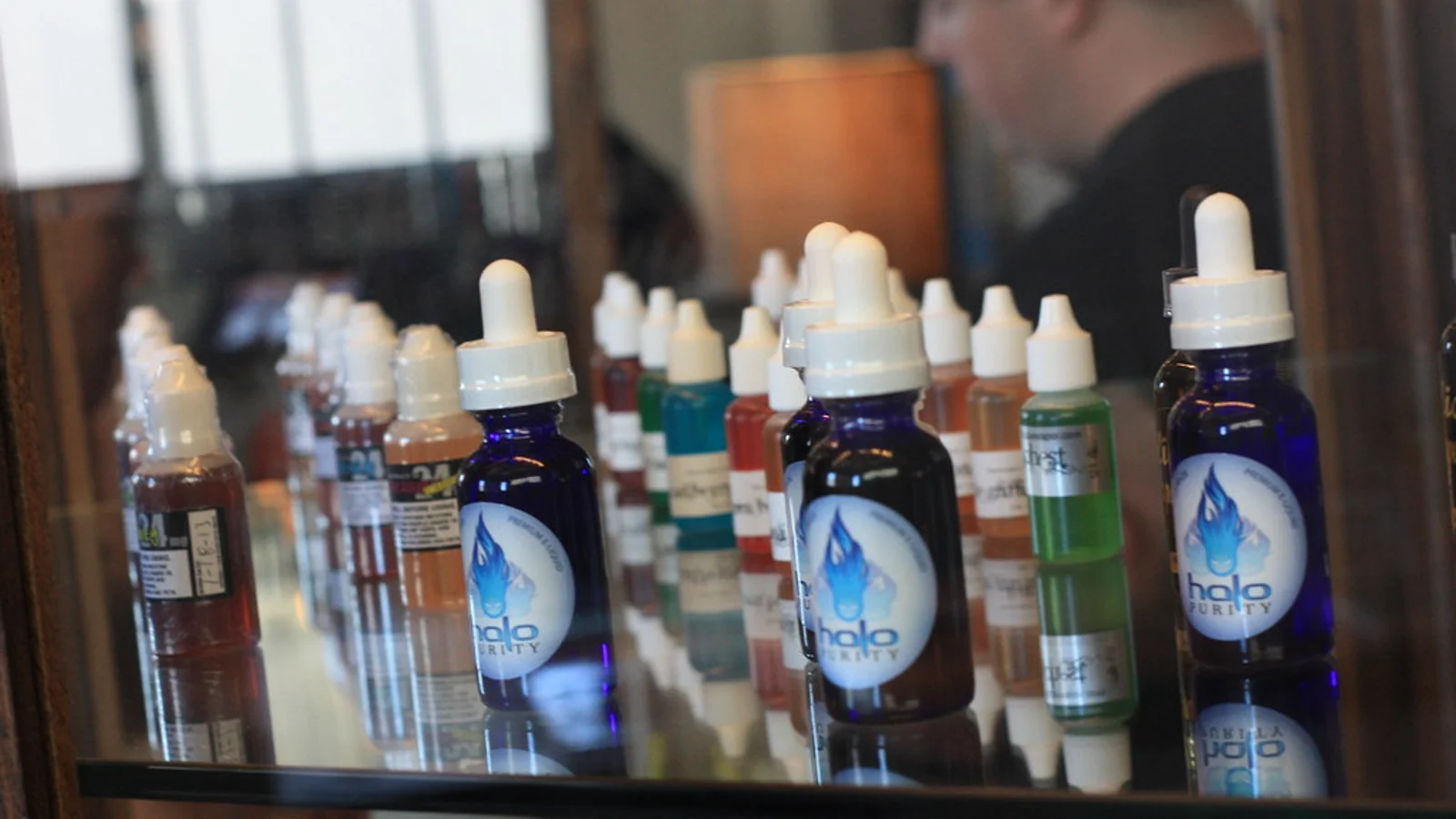
Excise tax applies to specific goods the government wants to discourage or control. For F&B businesses, these products matter most: tobacco products, energy drinks, carbonated beverages, and sweetened drinks (using the new tiered model). A few other categories exist (electronic smoking devices, e-cigarette liquids), but they're less common in typical F&B operations. As part of your overall tax compliance in the UAE, excise tax works alongside VAT registration and compliance.
Let's break down each category and current tax rates.
Tobacco Products: 100% Tax
All tobacco products face a flat 100% excise tax. This includes cigarettes, water pipe tobacco (moasel), and electrically-heated cigarettes. The tax is applied as a percentage of the product's retail price, not as a per-unit charge. If a cigarette pack retails for AED 25, the excise tax is AED 25, making the post-tax total AED 50 before VAT is added.
For shisha lounges specifically, this is a major cost driver. You cannot avoid this tax, and you must use digital tax stamps on all tobacco products before they enter the market. More on stamps later.
Energy Drinks: 100% Tax
Energy drinks (beverages with high caffeine designed to boost physical or mental performance) face a 100% excise tax. Unlike sweetened beverages, energy drinks are not subject to the new tiered model. The tax applies to the full retail price, same as tobacco.
For a café or restaurant selling energy drinks at AED 15 each, the excise tax component adds AED 15 to your cost before you mark it up to customers. That's a significant margin squeeze if you're hoping to keep retail prices competitive.
Carbonated Beverages: 50% Tax
Carbonated drinks (excluding plain sparkling water) face a 50% excise tax. This applies to regular and diet sodas, cola, and other fizzy drinks that don't qualify as sweetened beverages under the new tiered model.
As of 2026, some carbonated drinks may now fall under the sweetened beverage tiered model if they contain added sugars. However, non-sweetened carbonated products still use the 50% rate.
Sweetened Beverages: The New Tiered Model (2026)
This is the big change. Starting January 1, 2026, sweetened beverages are taxed per liter based on sugar content, not as a percentage of retail price. The government introduced four tiers to incentivize lower-sugar products.
| Tier | Sugar Content | Tax Rate | Examples |
|---|---|---|---|
| High-Sugar | ≥8 grams per 100ml | AED 1.10 per liter | Regular soft drinks, sweetened iced teas, flavored drinks |
| Moderate-Sugar | 5-7.99 grams per 100ml | AED 0.80 per liter | Reduced-sugar sodas, moderately sweet beverages |
| Low-Sugar | Less than 5 grams per 100ml | AED 0 per liter | Diet sodas, sugar-free drinks |
| Natural Sugar Only | Only naturally occurring sugars, no added sweeteners | AED 0 per liter (exempt) | 100% natural juices, fresh-squeezed products |
The tiered model creates an incentive for reformulation. A business that can reduce sugar from 10g to 4g per 100ml pays zero excise tax instead of AED 1.10 per liter. That's a real cost advantage.
Excisable Beverages That Are Exempt
Not all beverages are taxed. The government exempts these categories from the sweetened beverage excise tax [1]:
- 100% natural fruit or vegetable juices (no added sugar or sweeteners)
- Dairy-based beverages (milk, yogurt drinks, protein milk)
- Medical nutrition beverages (prescribed products)
- Freshly prepared beverages (made on-site in-house, not pre-packaged)
- Sparkling water (carbonation only, no sweeteners)
- Beverages with less than 5 grams of total sugar per 100ml
This matters for your F&B menu strategy. If you serve or sell these products, you have a tax-free advantage over competitors offering high-sugar alternatives.
Do You Need to Register for Excise Tax?
You must register for excise tax if you engage in any of these activities: importing excisable goods, producing or manufacturing them in the UAE, stockpiling them in excess quantities, or releasing them from designated zones like warehouses or free zones [2]. There is no minimum revenue or volume threshold. A business importing even one shipment of energy drinks must register. For more on importing and business types, see our guides on import and export business requirements and business license types in Dubai.
The Stockpiler Definition
For restaurants, cafés, and retailers, the key trigger is often stockpiling. You're considered a stockpiler if you hold excisable goods in excess of your normal inventory level. Specifically: holding quantities exceeding your average monthly stock level OR exceeding twice your average monthly selling stock (calculated over 12 months).
This is assessed per product. You might be a stockpiler for energy drinks but not for carbonated beverages. If you're uncertain, calculate your 12-month average inventory for each excisable product. If current stock exceeds that average, you may need to register.
Hotel mini-bars, supermarket beverage sections, and restaurant storage areas sometimes trigger stockpiler status without the business realizing it.
Registration Timeline and Process
You have 30 days from the end of the month in which you first conduct an excisable activity. If you import beverages in March, you must register by April 30th. If you miss this deadline, you face a penalty of AED 10,000 for each month of delay [1].
Registration happens online through EmaraTax, the Federal Tax Authority's digital platform. Here's the process:
- Create an account on the FTA e-services section at tax.gov.ae
- Access EmaraTax and complete the online registration application (roughly 45 minutes)
- Submit required documents (import declarations, business registration, product details)
- Wait for approval, typically 20 business days
- Receive access to your EmaraTax portal for ongoing compliance
The system is online-only. Manual applications and email submissions are not accepted.

The New Conformity Certificate Requirement (2026)
Starting January 1, 2026, all producers and importers of sweetened beverages must obtain an Emirates Conformity Certificate for Sugar and Sweeteners Content in Beverages [1]. Without this certificate, your product is automatically classified as high-sugar (≥8 grams per 100ml) and taxed at the highest tier: AED 1.10 per liter. This applies even if your actual sugar content is lower.
How to Get the Certificate
The process requires you to work with an accredited laboratory and the Ministry of Industry and Advanced Technology:
- Send beverage samples to an accredited laboratory (choose one accredited by the National Accreditation Department or Emirates International Accreditation Centre)
- Request testing for total sugar and sweeteners per 100ml
- Receive laboratory test results with exact measurements
- Submit the test report to the Ministry of Industry website
- Receive the conformity certificate from the Ministry
- Submit the certificate to the FTA via EmaraTax during registration or updates
Laboratory testing costs approximately from AED 500 per product. The government certificate itself carries minimal cost.
What Happens Without a Certificate
This is critical. If you import a product that actually contains 6 grams of sugar per 100ml but you don't have a conformity certificate, the FTA classifies it as high-sugar and taxes it at AED 1.10 per liter. Your tax bill is higher than it should be. The certificate is your only way to claim the lower tier rate.
If you later reformulate the product and reduce sugar content, you need to retest and obtain an updated certificate. This incentivizes health-conscious reformulation early.
Monthly Compliance: Filing and Payment Requirements
Once registered, you file monthly excise tax returns and pay tax by the 15th of each month (following the month in which the tax period occurred).
What You Report Each Month
Your return must include [2]:
- Quantity of excisable goods produced (if you manufacture)
- Details of imports (quantities, product types, suppliers)
- Quantity sold to customers
- Tax calculation per product category
- Total tax amount due
- Payment information
The EmaraTax system auto-populates import information from declarations you submitted during the month, but you still verify accuracy before submission.
Filing Method: EmaraTax Only
You must file electronically through the EmaraTax portal. Manual returns, email submissions, and paper forms are not accepted. If you're technically challenged or your team lacks EmaraTax experience, this is a good reason to hire a tax advisor or bookkeeper familiar with the system.
The system issues an automated filing confirmation, which you should keep for your records.
Payment Deadline: The 15th
Payment is due by the same 15th deadline. You pay online through EmaraTax, and the system generates a payment confirmation automatically. Excise tax is non-recoverable, unlike VAT. For VAT-registered businesses, you can claim input VAT back, but excise tax is a final cost that stays on your books [1].
Not sure how these changes affect your business? Our advisors keep you compliant and ahead of every new UAE regulation, tax, and reporting rule.
Talk to an expert→How Is Excise Tax Calculated?
Tax calculation depends on the product type. Tobacco and energy drinks use a percentage-based method. Sweetened beverages use the new volumetric (per-liter) method.
Percentage-Based Calculation (Tobacco, Energy Drinks)
For products taxed as a percentage, the formula is:
Excise Tax = Excise Price × Tax Rate %
The excise price is the higher of (1) the retail price without VAT or (2) a standard retail price set by the FTA. If the FTA sets a minimum price, you must use that even if your actual retail price is lower.
Example: A tobacco product retails for AED 30. The excise tax rate is 100%. The excise price is AED 30. Excise tax = AED 30 × 100% = AED 30. Add VAT (5% on the AED 60 total) = AED 3. Final price to consumer: AED 63.
Volumetric Calculation (Sweetened Beverages)
For sweetened beverages under the tiered model, you multiply the rate per liter by total liters sold:
Excise Tax = Rate per Liter × Number of Liters
Example: You sell 1,000 liters of soft drink with 10g sugar per 100ml. The sugar tier is ≥8g, so the rate is AED 1.10 per liter. Excise tax = 1,000 liters × AED 1.10 = AED 1,100. VAT (5% on AED 1,100) = AED 55. Total tax impact: AED 1,155.
How Excise and VAT Interact
This is crucial. VAT is calculated on top of the excise-inclusive price, creating a cascading tax effect. The order matters [1]:
- Start with product cost (wholesale or CIF value)
- Add excise tax
- Create excise-inclusive price
- Apply VAT (5%) on top of excise-inclusive price
- Final retail price = cost + excise + VAT
This is different from VAT, which VAT-registered businesses can recover. Excise tax is non-recoverable and is a true final cost.
Real Client Stories
These are real examples from businesses we've helped manage excise tax compliance. Names have been changed for privacy.
Ahmed's Quick Service Restaurant (Dubai Mainland)
Ahmed runs a QSR in downtown Dubai, serving 200 customers daily. His beverage mix is 40% energy drinks, 30% carbonated sodas, 20% sweetened iced teas, 10% water. Before the 2026 changes, his monthly beverage cost was roughly AED 8,000 with the old 50% excise rate. After January 1, 2026, his high-sugar iced tea moved from 50% tax to AED 1.10/L, and his energy drinks remained at 100%. His new excise cost jumped to AED 10,500 per month. Ahmed reformulated his house-brand iced tea to 4.5g sugar per 100ml (low-sugar tier), reducing tax on that product to zero. His revised monthly cost: AED 9,200. He also increased beverage prices by 12% across the board. Result: customers noticed the price jump on energy drinks but accepted the higher cost. His profit margins compressed slightly, but not catastrophically.
Ahmed's tip: "Reformulate where you can. The difference between high-sugar and low-sugar pricing is worth the lab testing cost."
Fatima's Specialty Café (Dubai Free Zone)
Fatima imports premium coffee and specialty syrups into a Dubai free zone. Her syrups contain sweeteners. Each month, she imports 2,000 liters of vanilla syrup concentrate with 25g sugar per 100ml. Under the old system, all 2,000 liters faced a 50% tax on wholesale cost (roughly AED 40/L). At AED 40/L × 2,000L = AED 80,000 monthly cost. January 1, 2026: Same 2,000L, now at AED 1.10/L for high-sugar tier (≥8g) = AED 2,200 monthly. However, Fatima's supplier reformulated to a 6g sugar concentrate in Q4 2025. Now at AED 0.80/L = AED 1,600 monthly. Fatima obtained the conformity certificate in December 2025. Result: Her cost per liter of syrup dropped from AED 40 excise to AED 0.80, a huge savings that she partially passed to retail customers.
Fatima's tip: "Get ahead of conformity certificate requirements. Work with your suppliers in Q4 2025 to be ready on January 1."
Hassan's Shisha Lounge (Abu Dhabi Mainland)
Hassan operates a shisha lounge with average monthly tobacco inventory of 1,000 packs. This triggered stockpiler status, so he registered for excise tax. His monthly tobacco cost (all at 100% tax) runs AED 15,000. He must order digital tax stamps in minimum batches of 5,000 units from De La Rue at a cost of roughly AED 0.50 per stamp. With the 100% excise tax on tobacco, his tax burden is AED 15,000 monthly plus stamp costs. Hassan budgeted for the cost increase and raised shisha prices by 25%. Customer volume dipped by 8%, but revenue stayed roughly stable. His compliance overhead includes EmaraTax filing, stamp ordering coordination, and record-keeping. He hired a part-time bookkeeper (AED 1,500/month) to manage the system.
Hassan's tip: "Budget for both the excise tax and the compliance overhead. The stamps and filing systems cost money beyond just the tax itself."

Penalties for Non-Compliance
The FTA has a clear penalty structure, and enforcement is active. A new penalty framework (Cabinet Decision 129/2025) takes effect April 14, 2026, so penalties after that date may change [3].
Registration Penalties
Late registration: AED 10,000 per month of delay. If you register 2 months late, you owe AED 20,000 in penalties on top of the back-tax owed.
Filing Penalties
Non-filing: AED 1,000 for the first missed return, AED 2,000 for each repeat offense. These apply per month, so missing three months of returns costs AED 1,000 + AED 2,000 + AED 2,000 = AED 5,000 in penalties.
Payment Penalties
Late payment penalties compound [1]:
- 2% of unpaid tax, immediately after deadline
- Additional 4% if unpaid after one week
- Additional 1% per month if unpaid beyond one month
- Maximum cap: 300% of the original tax due
Example: You owe AED 10,000 in excise tax. You miss the deadline. Two percent penalty = AED 200. After one week, you now owe AED 200 + (4% × AED 10,000) = AED 600 total in penalties. After one month, you owe AED 600 + (1% × AED 10,000) = AED 700, and this continues monthly.
Specific Compliance Violations
No price list provided: AED 50,000 (first offense). You must supply the FTA with a price list for all excisable goods you produce, import, or sell.
Unmarked tobacco goods: AED 50,000 + 50% of the excise tax due. This is one of the highest penalties. All tobacco must have digital tax stamps before sale.
Designated zone violations: AED 50,000 or 50% of tax due, whichever is higher. If you move goods in or out of a free zone or warehouse without proper FTA procedures, you face this penalty.
Want to stay fully compliant without the headache? Get a free consultation and we will review your obligations for you.
Get a free consultation→Digital Tax Stamps for Tobacco Products
If you import, produce, or sell tobacco, you must use digital tax stamps. These are secure stamps applied by De La Rue on behalf of the FTA. Every cigarette pack, every container of water pipe tobacco, and every e-cigarette unit requires one stamp [2].
Minimum Orders and Costs
Stamp orders come with minimum quantities:
- Cigarettes: 70,000 stamps per order (very high commitment)
- Water pipe tobacco and e-cigarettes: 5,000 stamps per order
- Cost: Approximately from AED 0.30 per stamp (varies by product)
For a shisha lounge ordering 5,000 stamps at AED 0.50 each, that's AED 2,500 upfront for stamps alone, plus the cost of the tobacco itself.
F&B Impact: Shisha Lounges
Shisha lounges face significant compliance burden. You must register with the FTA (within 30 days), order stamps in bulk, track stamp usage, maintain records, and file monthly returns. The 100% excise tax on tobacco costs means a product that cost you AED 10 now costs AED 20 with tax before you mark it up further. Combined with the stamp cost and compliance overhead, shisha lounges have seen significant margin compression. Most have raised prices 15-25% to compensate, leading to some customer churn.
F&B Business Impact by Type
The excise tax impact varies greatly depending on your business model. Let's look at different F&B formats.
Full-Service Restaurants
Full-service restaurants typically stockpile beverages, so many must register. Your main costs come from energy drinks (100% tax), carbonated beverages (50% or tiered), and any sweetened beverages. The tiered model creates an opportunity: offer low-sugar options at competitive prices since they face zero excise tax [1].
Quick Service Restaurants (QSR)
QSRs rely heavily on beverage sales, often targeting 50%+ margins. Excise tax compresses those margins significantly. Energy drinks and high-sugar carbonated beverages take the biggest hit. Consider whether reformulating house-brand beverages or switching to tax-free alternatives (fresh juice, water) makes sense.
Coffee Shops and Cafés
Carbonated beverages (50% tax), energy drinks (100% tax), and sweetened iced teas (tiered) all face excise tax. Coffee itself doesn't. If you sell mostly premium coffee, the excise tax on side beverages may be acceptable. If you sell high volumes of energy drinks, budget accordingly.
Shisha Lounges
Tobacco (100% excise + stamp costs) is your primary driver. Combined impact: 100% tax plus stamp costs plus compliance overhead. Most shisha lounges have raised prices 15-25%. Customer volume may decline, but existing customers often accept the cost increase [1].
Hotels and Hospitality
Mini-bar inventory can trigger stockpiler status. Room service beverage offerings face the same excise tax as standalone bars. Guest expectations about pricing may be an issue. Transparent communication about excise tax costs helps justify price increases.
Supermarkets and Retailers
If you hold large beverage inventory, you're likely a stockpiler and must register. Excise tax becomes a significant carrying cost. Inventory turnover matters more than ever. Consider whether lower-tax alternatives (water, natural juices) can be featured to maintain margins.
Importers and Wholesalers
You must register immediately upon first import. Conformity certificates are mandatory for sweetened beverages. You'll file monthly returns and maintain detailed import records. The digital tax stamp system applies if you import tobacco.
Beverage Producers
If you manufacture beverages, obtain conformity certificates before production. The tiered model incentivizes sugar reduction since lower-sugar products face lower tax. Reformulation is a competitive advantage.
Pro Tip: Menu Optimization Strategy
Use the new tiered model to your advantage. Featured beverage menu items with zero or minimal excise tax (fresh juices, water, sugar-free drinks) become more profitable. High-tax items (energy drinks, high-sugar sodas) should command premium prices or be positioned as occasional indulgences. The tax difference is your margin opportunity [1].

Have questions about what this means for your company? Our team translates the rules into clear, practical next steps.
Speak to an advisor→Real Talk: Is Compliance Worth the Cost?
Excise tax compliance requires effort and expense: registration (one-time from AED 2,000 if hiring an advisor), monthly filing (from AED 500/month if outsourced), product testing for conformity certificates (from AED 500 per product), and ongoing record-keeping. For small operators, this overhead can be from AED 8,000 annually.
What happens if you don't comply? Penalties start immediately: AED 10,000 for late registration, AED 1,000+ per month for non-filing, and compounding payment penalties that cap at 300% of tax owed. An FTA audit can assess back-taxes plus penalties for 5 years. The cost of non-compliance far exceeds the cost of doing it right.
Our recommendation: Register on time, file monthly, and either manage compliance in-house if you're comfortable with digital systems, or hire a bookkeeper or tax advisor. The peace of mind is worth the cost. For a clear picture of all costs involved in running an F&B business in the UAE, check our Dubai business setup cost breakdown guide.
Transition Planning: What You Should Do Now
If you're reading this after January 1, 2026, you're behind. But here's what to do immediately [1]:
- Assess whether you're a stockpiler or if your business imports/produces excisable goods. If yes, register immediately.
- For sweetened beverages you sell or produce, arrange laboratory testing and obtain conformity certificates from the Ministry of Industry.
- Set up EmaraTax account access and familiarize yourself or your team with the filing process.
- Calculate the actual excise tax cost on your existing products using the tiered rates.
- Update your pricing, product mix, or supplier relationships to reflect the new tax structure.
- Set calendar reminders for the 15th of each month (return and payment deadline).
- Decide whether to hire a bookkeeper or tax advisor for ongoing compliance.
Next step: Talk to a setup expert→
More on this: Set Up a Vape & Tobacco Products Trading Company in Dubai, UAE: 100% Excise, Product Registration & Tax (2026)
Frequently Asked Questions
Do I need to register for excise tax if I only serve beverages at my restaurant?
Only if you stockpile beverages beyond your normal inventory level. If you order just-in-time and don't hold excess stock, you likely don't need to register. Consult a tax advisor to confirm your stockpiling status.
What is the difference between excise tax and VAT?
Excise tax is a final, non-recoverable tax on specific goods. VAT is a value-added tax that VAT-registered businesses can claim back on inputs. Both apply to excisable goods, but excise sits on top of the product cost, and VAT sits on top of the excise-inclusive price. Excise cannot be recovered like VAT input.
Can I claim excise tax as input VAT?
No. Excise tax is not VAT input. It's a separate final tax that stays on your books as a cost.
What happens if I don't obtain a conformity certificate for my sweetened beverage?
Your product is automatically classified as high-sugar (≥8g per 100ml) and taxed at AED 1.10 per liter, even if it actually contains less sugar. The only way to claim a lower tier is with a valid conformity certificate.
How long does the registration process take?
Approximately 20 business days from the date you submit a complete application through EmaraTax.
Can I file my excise tax return manually or by email?
No. You must file through EmaraTax online. Manual and email submissions are not accepted.
What is the penalty for late registration?
AED 10,000 per month of delay beyond the 30-day registration deadline.
What is the penalty for not filing my monthly return?
AED 1,000 for the first non-filing, AED 2,000 for each repeat offense, applied per tax period (monthly).
How much does a conformity certificate cost?
Laboratory testing ranges from AED 500 per product. The government certificate itself carries minimal cost.
Can I reformulate my beverage to lower sugar content to reduce excise tax?
Yes, and this is exactly what the tiered model incentivizes. Reducing sugar from 10g to 4g per 100ml drops your tax from AED 1.10 per liter to zero. The reformulation cost (R&D, testing, retesting) may be justified by the tax savings.
What products are exempt from excise tax?
100% natural juices (no added sugar), dairy-based beverages, medical nutrition drinks, freshly prepared beverages made on-site, sparkling water (no sweeteners), and any beverage with less than 5g sugar per 100ml.
Do hotel mini-bars need to register for excise tax?
Only if the mini-bar inventory exceeds stockpiler thresholds (average monthly stock level). Many hotels trigger this status without realizing it and should review their inventory levels.
What is a digital tax stamp, and why is it required?
A digital tax stamp is a secure identifier affixed by De La Rue to cigarettes, water pipe tobacco, and e-cigarettes before they can be sold in the UAE. It's part of the government's control system for tobacco. All tobacco must have stamps or face severe penalties.
What is the minimum order for digital tax stamps?
70,000 stamps for cigarettes, 5,000 stamps for water pipe tobacco or e-cigarettes. These minimums create a significant inventory and cash commitment.
Can I import tobacco products without stamps?
No. Customs will confiscate unmarked tobacco. Stamps must be applied before import or domestic sale.
What is the penalty for selling tobacco without digital tax stamps?
AED 50,000 fixed penalty plus 50% of the excise tax due. This is one of the highest penalties in the system.
How do I calculate my monthly excise tax liability?
For percentage-based taxes (tobacco, energy drinks): Excise Price × Tax Rate %. For volumetric (sweetened beverages): Rate per Liter × Total Liters Sold. Include all products sold in the month.
Can I request an extension for filing my monthly return?
No. The 15th deadline is fixed with no extensions. If it falls on a weekend or holiday, it shifts to the next business day. Plan ahead to avoid missing the deadline.
How long must I keep excise tax records?
At least 5 years. The FTA typically audits for 5 years, so maintain complete records for that period at minimum.
What happens if the FTA audits my excise tax compliance?
The FTA may request records, conduct facility inspections, review calculation accuracy, and assess back-taxes and penalties if discrepancies are found. Having organized, complete records makes audits smoother and provides defensibility.
Are there any grace periods or penalty relief for 2026 compliance?
Before April 14, 2026, the FTA may exercise penalty discretion. After April 14, the new full penalty framework (Cabinet Decision 129/2025) applies. Achieving compliance by mid-April provides some protection.
Can I integrate EmaraTax with my accounting software?
Integration depends on your accounting software's API capabilities. Some larger systems support EmaraTax integration. Consult your software vendor or tax advisor about integration options.
Should I hire a tax professional for excise tax compliance?
If you're importing excisable goods regularly, operating multiple locations, or managing high-volume beverage sales, professional help is worth the cost. For small operations comfortable with digital systems, in-house management is possible.
Where is the FTA website and how do I get support?
FTA website: tax.gov.ae. EmaraTax portal: emaratax.gov.ae. You can submit queries through the website or visit FTA offices in major emirates for in-person support.
What does "excise price" mean for tax calculation?
Excise price is the higher of (1) the retail price without VAT or (2) a standard retail price set by the FTA. The FTA may set minimum prices to prevent tax avoidance through underpricing. You must use the higher amount.
Is there an advantage to reformulating beverages to lower sugar?
Yes. A product at 4g sugar per 100ml pays zero excise tax instead of AED 1.10 per liter at 10g. Over 10,000 liters annually, this is AED 11,000 in tax savings (without calculating the 5% VAT on top). The reformulation investment often pays for itself.
Related: Once your licence is issued, our post-setup services team handles the accounting, tax and compliance covered here.
References
[1] Federal Tax Authority (FTA), UAE. Excise tax rates, registration requirements, compliance obligations, penalties, and the new tiered volumetric model for sweetened beverages effective January 1, 2026. tax.gov.ae
[2] Cabinet Decision No. 52 of 2019 and amendments through 2026. Specifies excisable goods, tax rates, registration procedures, filing requirements, and designated zone rules. Ministry of Finance, UAE.
[3] Cabinet Decision No. 129 of 2025. Revised administrative penalty framework for excise tax law violations, effective April 14, 2026. Federal Tax Authority, UAE.
[4] Ministry of Industry and Advanced Technology, UAE. Emirates Conformity Certificate process for sugar and sweeteners content in beverages, accredited laboratory requirements, and certificate submission procedures. www.moiat.gov.ae
[5] De La Rue. Digital Tax Stamp system for tobacco products in the UAE, stamp ordering procedures, minimum quantities, and compliance requirements on behalf of the Federal Tax Authority.
[6] BusinessDubai.ae. Internal data from excise tax compliance support provided to F&B clients since 2013, including registration timelines, conformity certificate costs, compliance expenses, and real-world penalty assessments. businessdubai.ae