
A vape and tobacco trading company in Dubai is not ordinary trading, and treating it as if a general trading licence will do is the fastest way to a stalled shipment. The real gate is a stack of three federal layers on top of the DET licence: FTA excise tax at 100% with mandatory registration, the digital tax stamp scheme for tobacco products, and MoIAT product registration for vapes against a mandatory UAE standard [1][2][7]. Miss any one and the goods are illegal to import or to sell.
The number that defines this business is the excise rate. Tobacco products, electronic smoking devices and the liquids used in them are all taxed at 100%, and excise is due at import or release, before you sell a single unit [1][3]. That is not a compliance line item. It is a working-capital and financing problem that dwarfs the licence cost and reshapes the whole model.
This guide covers the excise and its registration, the digital tax stamps, the vape product registration, the labelling and advertising rules, ownership, and the working-capital reality. Since 2013, our team has set up trading and regulated-goods companies across the UAE, so the traps here come from real files. This is a guide, not legal or tax advice on your specific licence.
Why is this not ordinary trading?
Because a general trading licence does not cover excise goods, and three federal regimes sit between you and a legal sale. The DET trade licence lets the company exist and lists the activity, but importing or selling vapes and tobacco triggers obligations a normal trader never touches [1][2][7]:
- Excise tax registration and 100% excise. You must register with the FTA as an excise taxpayer before importing, producing, stockpiling or releasing excise goods, and account for excise at 100%.
- Digital tax stamps for tobacco. Cigarettes, waterpipe tobacco and heated tobacco cannot be imported into the UAE without a digital tax stamp under the marking scheme.
- Product registration for vapes. Electronic smoking devices and e-liquids must meet the mandatory UAE standard and be registered with MoIAT before they can be imported or sold.
So the licence is the smallest part of the setup. A general trading licence does not authorise any of this, and the specific activity, the excise registration, the stamps and the product registration are what actually let you trade. Our general trading guide covers ordinary trading, which is a genuinely lighter world.
Common Mistake: Setting up a general trading company and assuming vapes and tobacco are just more stock. They are excise goods. You need the specific DET tobacco or e-cigarette activity, FTA excise registration, 100% excise accounting, digital tax stamps for tobacco and MoIAT registration for vapes. A general licence covers none of it.
What is the 100% excise, and how does it work?
A 100% tax on the goods, registered with the FTA, with no threshold, and it is the financial core of the business. Under the excise regime, tobacco products, electronic smoking devices and their liquids are all rated at 100%, and electronic devices and liquids were brought into scope from 1 December 2019 [1][3]. Anyone who imports, produces, stockpiles or releases excise goods from a designated zone must register with the FTA as an excise taxpayer before doing so, and unlike VAT there is no registration threshold, so registration comes first [3][5].
The mechanics matter for pricing. The excise price is the higher of the FTA's published standard price for the item or the declared retail sales price minus VAT, and for a 100%-rated good the tax effectively equals half of the declared retail sales price [3][5]. Excise is triggered at import, local production, stockpiling, or release from a designated zone for consumption, and designated zones are treated as outside the UAE for excise, so tax is deferred until goods are released to the local market. You then file periodic excise returns and keep records. Our excise tax on food and drinks guide covers the excise framework, and our EmaraTax portal guide covers registration and filing.
Quick Math: On AED 1,000,000 of goods valued on the retail-price basis, you can face roughly AED 1,000,000 of excise, plus 5% VAT on top of the excise-inclusive value, before you sell a single unit. Excise is paid at import or release, not when the customer pays you. That is a financing and cash-flow challenge, not a percentage on a spreadsheet, and it is the single biggest constraint on the business. Plan the working capital first.
What are the digital tax stamps?
A mandatory marking on tobacco products, without which they cannot be imported. Under the marking of tobacco and tobacco products scheme, implemented under FTA Decision No. 3 of 2021, digital tax stamps must be applied so that no cigarettes, and no waterpipe or electrically heated tobacco products, may be imported into the UAE without a stamp [2]. Stamps are ordered by registered producers and suppliers through the FTA's stamp-request service and physically applied to packs, with red stamps for the domestic market and green for departing duty-free [4].
The scope point is important and often misunderstood. The digital tax stamp scheme covers combustible and heated tobacco products, cigarettes, waterpipe tobacco and heated tobacco. Vapes and e-liquids are excise-taxed at 100% but are not part of the tobacco marking scheme [2]. So a tobacco importer must order and account for stamps as a hard prerequisite to import, while a pure vape importer deals with excise and MoIAT registration but not the stamps. Confirm the exact current stamping point, phase deadlines and any change in scope with the FTA before importing.
What are the product registration and labelling rules?
Vapes must meet a mandatory standard and be registered, and tobacco carries strict labelling. Electronic smoking devices were legalised for sale in the UAE from mid-April 2019, subject to conformity with the UAE standard and registration, and the standard, UAE.S GSO 5030 for electronic nicotine delivery devices, sets requirements for composition, safety, nicotine limits, capacity and labelling [7][8]. Electronic devices and e-liquids must be registered or certified with MoIAT, which took over the standards role from ESMA, before they can be imported or sold, and the sale of non-registered or non-conforming products is illegal. Confirm the currently enforced revision of the standard with MoIAT.
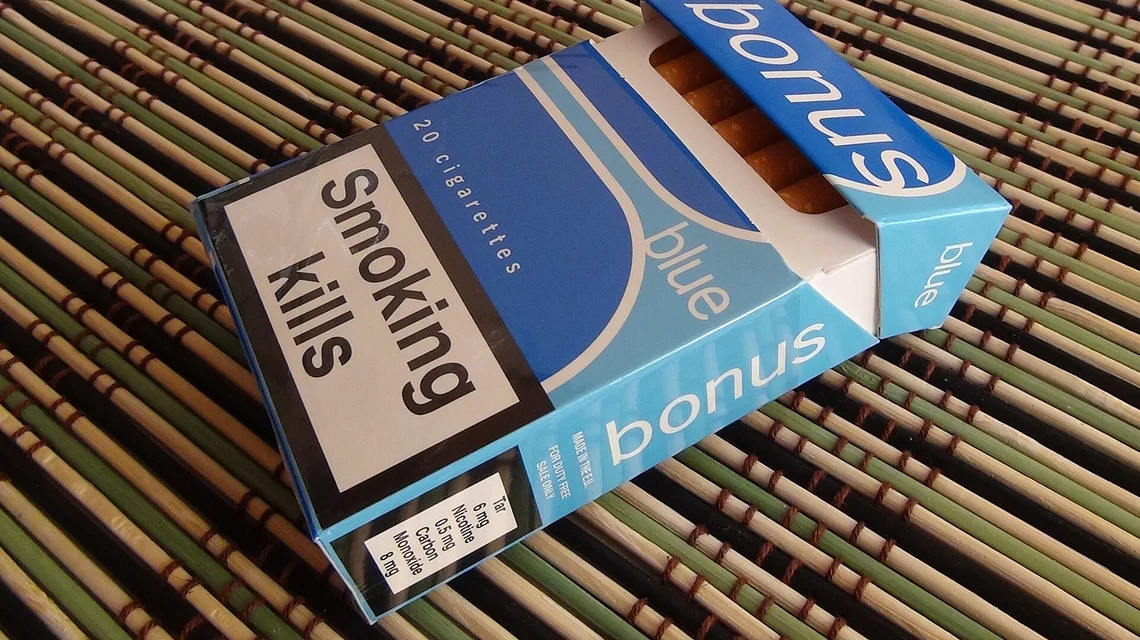
On the tobacco side, the framework is Federal Law No. 15 of 2009 on tobacco control and its executive regulation. Tobacco packaging must carry mandatory graphic and text health warnings covering no less than half of the principal display areas, in Arabic on the front and English on the back, and sale to persons under eighteen is prohibited [1]. Critically, all advertising and promotion of tobacco and e-cigarettes is banned, across print, electronic and social media and at point of sale, and free or discounted product is prohibited. That advertising ban shapes the whole go-to-market, because the usual growth levers are simply not available. Our import and export guide covers the customs mechanics that apply on top.
Can a foreigner own a vape and tobacco company?
Yes, in the standard case, though this is a sensitive category worth confirming. Since June 2021, 100% foreign ownership is permitted for most mainland commercial activities on DET's positive list, with no Emirati partner required, and 100% ownership is standard in free zones [6]. Tobacco and e-cigarette trading is generally available for full foreign ownership as a trading activity.
The caveat is that this is a regulated and sensitive category, so confirm with DET that your specific tobacco or e-cigarette activity code is eligible for full foreign ownership and whether any additional security approval applies [6]. On structure, a free-zone entity can hold stock in a designated zone with excise deferred, but it cannot sell directly into the UAE mainland without a mainland distributor or importer of record who accounts for the excise on release. So the operating import-and-distribution business usually needs a mainland footing, which our mainland company setup page walks through, while the freezone company setup page explains how a designated-zone entity holds excise-deferred stock. A trade-focused free zone such as DMCC is a common base for the holding-and-warehousing side, covered in our DMCC free zone setup guide, and some groups place an offshore company as a holding vehicle above the trading company to keep ownership and assets separate from the operating importer of record. Our free zone versus mainland guide covers the structure choice.
Pro Tip: List every activity you will actually conduct on the licence, trading e-cigarettes, vape accessories, e-liquids, and tobacco wholesale are distinct activities. Missing an activity you are actually doing is a penalty risk, and import triggers the excise, stamp and registration obligations that a retail-only shop might not. Get the activity mix right before you order stock. Get your vape and tobacco setup scoped properly→
How is the business taxed beyond excise?
VAT on top of excise, plus standard corporate tax. On VAT, the standard 5% applies on top of the excise-inclusive value, because excise is part of the VAT base, so a 100%-excised product carries VAT on the doubled value [3]. That compounds the working-capital burden. On corporate tax, the company pays 0% on taxable income up to AED 375,000 and 9% above, with Small Business Relief for revenue up to AED 3 million for tax periods ending on or before 31 December 2029, though a real import business usually exceeds that [6]. Our corporate tax filing guide covers the mechanics, and our VAT registration and compliance guide covers the VAT detail.
The practical picture is that this is a heavily taxed, heavily regulated, capital-intensive trade. The market is large, with residents, tourism and duty-free demand, and vaping has been legal and mainstream since 2019, but margins are compressed by the 100% excise and the 5% VAT on top, entry is capital-heavy because of the up-front excise, and the advertising ban limits growth levers. It is a high-revenue, low-tolerance business.
What does it cost, and is it worth it?
The licence is minor; the excise working capital is the real cost. Here is a realistic 2026 picture in AED, all figures approximate and worth confirming with the authorities and providers.
| Item | Typical range (AED) |
|---|---|
| DET mainland trade licence (tobacco or e-cigarette activity) | 15,000 to 30,000 per year |
| Free-zone licence | 12,000 to 25,000 per year |
| MoIAT product registration, per SKU | Budget several thousand, confirm with MoIAT |
| Excise registration with the FTA | No government fee; advisory setup 5,000 to 15,000 |
| Digital tax stamps (tobacco) | Per-stamp cost per pack, confirm current tariff |
| Excise and VAT paid up front on import | The dominant cost, potentially the value of the goods again |
The killer is the 100% excise plus 5% VAT paid at import or release, which can equal the value of the goods again before a single sale. Treat the licensing figures as the smallest line and the excise financing as the real budget.
Common Mistake: Budgeting for the licence and stock and forgetting the excise is paid before you sell. On a container of product you may need the value of the goods again in excise, plus VAT, at the point of import. Companies that model this as a normal trading margin run out of cash on the first shipment. The excise is the business model, not a tax footnote.
Is a vape and tobacco business profitable in Dubai?
The demand is real, but the margin does not sit where a new founder expects it. The UAE is one of the largest tobacco and vaping markets in the region, fed by a young resident population, heavy year-round tourism and duty-free volume through two of the busiest airports in the world. Vaping has been legal and mainstream since 2019, and the retail shelf for e-cigarettes, pods and e-liquids has grown quickly. On the top line, the opportunity is genuine.
The problem is what the 100% excise does to the middle of the model. Every unit carries excise roughly equal to the value of the goods, and 5% VAT then sits on top of the excise-inclusive value, so the tax base is close to double the pre-tax price before you add any margin of your own. That does not simply tax the profit, it inflates the shelf price, which caps how far you can mark up without pricing yourself off the shelf. Vapes and tobacco also behave differently on the compliance side, and that split changes both your cost base and your speed to market.
| Factor | Vapes and electronic devices | Tobacco products |
|---|---|---|
| Excise rate | 100% | 100% |
| Digital tax stamps (DTS) | Not required | Required on cigarettes, waterpipe and heated tobacco |
| Product registration | MoIAT registration against UAE.S GSO 5030 | Health-warning labelling under FL 15/2009 |
| VAT | 5% on the excise-inclusive value | 5% on the excise-inclusive value |
| Advertising | Banned | Banned |
| Main go-to-market drag | MoIAT registration per SKU | Ordering and applying stamps before import |
The honest read: this is a high-revenue, low-tolerance trade. You can build real volume because the demand is deep and recurring, but the 100% excise plus 5% VAT is paid up front at import, long before a customer pays you, so the business is financed around the tax rather than around the trading margin. The operators who make money here run tight stock, price for the excise-inflated shelf and treat working capital as the first constraint, not the last. If you want to pressure-test the numbers against a real cost base, our freezone company setup and mainland company setup pages set out the licence side, and the deciding question is always whether you can fund the excise on shipment one.
What documents and steps does it take to start?
More than a normal trading company, because three federal layers sit on top of the DET licence and each has its own paperwork. The document set breaks into the company, the tax registrations and the product approvals.
- Company documents: shareholder passports and photos, the reserved trade name, DET initial approval with the specific tobacco or e-cigarette activity, the Memorandum of Association, and an Ejari tenancy for the office or warehouse.
- Tax registrations: the FTA excise taxpayer registration completed through EmaraTax before any import, and VAT registration, with the corporate tax registration alongside.
- Product approvals: MoIAT registration or certification for every vape device and e-liquid SKU against UAE.S GSO 5030, and, for tobacco lines, the digital tax stamp account and stamp orders plus compliant health-warning artwork.
- Import documents: a Dubai Customs importer code linked to the licence, commercial invoices, packing lists and certificates of origin for each shipment.
The order matters, because the tax and product approvals gate the first import, not the licence. A realistic sequence and timeline looks like this.
| Step | What it covers | Typical timeline |
|---|---|---|
| DET licence with tobacco or e-cigarette activity | The trading entity and correct activity codes | 1 to 3 weeks |
| FTA excise registration via EmaraTax | Registering as an excise taxpayer before any import | Allow a few weeks, no threshold applies |
| MoIAT product registration (vapes) | Certifying each device and e-liquid SKU against UAE.S GSO 5030 | Per SKU, plan ahead of ordering stock |
| Digital tax stamps (tobacco) | Stamp account and stamp orders before the goods can be imported | Order before the shipment leaves origin |
| Dubai Customs importer code | Linking the licence to customs for clearance | Alongside the licence |
| First excise-paid import | Excise and VAT settled at import or release | After all of the above are live |
Sequence the excise registration and the product approvals first, because a licence with no excise account and no registered SKUs cannot clear a single box. Get your vape and tobacco setup and timeline mapped→
What are the ongoing costs and compliance?
The setup is a moment; the excise, the stamps and the filings run for the life of the business. Once you are trading, the recurring obligations stack up in a way an ordinary trader never sees.
- Excise returns: registered excise taxpayers file periodic excise returns and keep records of imports, stock, releases and tax paid, on top of the standard VAT returns.
- Excise and VAT at import: the 100% excise plus 5% VAT is settled at import or release on every shipment, so each restock ties up the value of the goods again in tax before you sell it. This is the working-capital cost that never goes away.
- Digital tax stamps: for tobacco, stamps are ordered and paid per pack for each consignment through the FTA stamp-request service, a per-stamp cost that recurs with every import rather than a one-off.
- Product-registration upkeep: MoIAT registrations for vape SKUs carry renewal and re-certification cycles, and any new device or e-liquid means a fresh registration before it can be sold.
- Corporate tax filing: the company registers for corporate tax and files annually at 0% up to AED 375,000 and 9% above.
- The advertising ban as a running rule: the ban on promoting tobacco and e-cigarettes is a continuous compliance obligation, not a launch-day check, so marketing, point-of-sale display and any discounting stay inside the rule for the life of the business.
These recurring returns, stamp orders, registrations and renewals are exactly the kind of ongoing work our post-setup services handle, so the excise account and the filings stay clean while you focus on stock and distribution. Budget the excise financing and the compliance load from month one, because on excise goods the tax is the operating plan.
Can you open a corporate bank account for a vape/tobacco company?
Yes, but expect close scrutiny and a slower onboarding than a plain trading company. A mainland or free-zone vape and tobacco company opens a corporate account with a local bank once the licence is issued, and the bank runs full know-your-customer checks on the shareholders, the activity and the expected turnover, usually with an in-person meeting and the licence and tenancy in hand. There is no instant or fully-remote account for a regulated, excise-goods importer.
The honest point is that banks treat regulated and excise-taxed goods, tobacco especially, as a higher-scrutiny category, so compliance teams look harder at source of funds, supplier and customer profiles and the excise registration itself. A clean, complete file helps: the DET licence with the correct activity, the FTA excise registration, the MoIAT registrations for vape SKUs, and a clear plan showing suppliers, expected volumes and the working capital behind the up-front excise. Because the excise and VAT are paid at import before customers pay you, a proper facility and a maintained balance matter more here than in a normal trade, so getting the banking right early avoids a cash-flow squeeze on the first shipment.
Real Client Stories
The general trading licence that could not import. A client set up a general trading company and ordered vape stock, then found the licence did not cover excise goods, the products were not MoIAT-registered, and he was not registered for excise. The shipment could not clear. We rebuilt the setup with the right activity, excise registration and product registration. General trading does not cover this.
The tobacco shipment without stamps. An importer arranged a tobacco consignment without ordering digital tax stamps, and it could not be imported, because cigarettes and waterpipe and heated tobacco cannot enter the UAE unmarked. We put the stamp process in place before the next order. The stamps are a hard prerequisite to import, not an afterthought.
The cash that ran out on shipment one. A client modelled the business on a normal trading margin and did not budget for the 100% excise and VAT payable at import. The first container consumed far more cash than planned, before any sales. We rebuilt the model around the excise financing. On excise goods, the tax is the working-capital plan.
Set up your Dubai vape and tobacco company the right way
Vape and tobacco trading rewards founders who plan the excise, the stamps and the product registration as the real business, and it traps those who treat it as general trading. Since 2013, BusinessDubai.ae has completed 700+ company registrations across the UAE, including trading and regulated-goods companies. We will help you pick the correct DET activities, register for excise with the FTA, arrange the digital tax stamps for tobacco and MoIAT registration for vapes, structure the mainland import-and-distribution business, and set up the excise, VAT and corporate tax position correctly, all with clear itemised pricing. Talk to a setup expert→ for a plan built around your product mix. Our general trading guide covers ordinary trading, and post-setup services covers ongoing compliance and renewals.
Frequently Asked Questions
How do I start a vape and tobacco trading company in Dubai?
Set up a DET licence with the specific tobacco or e-cigarette activity, register with the FTA as an excise taxpayer, arrange digital tax stamps for any tobacco products and MoIAT registration for vapes, and account for 100% excise plus 5% VAT at import. A general trading licence does not cover it [1][2][7].
Are vapes legal in Dubai?
Yes, since April 2019, if they conform to the UAE standard UAE.S GSO 5030 and are registered with MoIAT. Non-compliant or unregistered electronic smoking devices and e-liquids remain illegal to import or sell, so registration and conformity are prerequisites [7][8].
What is the excise tax on vapes and tobacco in Dubai?
100%. Tobacco products, electronic smoking devices and their liquids are all taxed at 100%, with electronic devices and liquids in scope since 1 December 2019. Excise is due at import or release, before any sale, and there is no registration threshold [1][3].
Do I need to register for excise tax in Dubai?
Yes, before you trade. Anyone who imports, produces, stockpiles or releases excise goods must register with the FTA as an excise taxpayer first, via EmaraTax, then file periodic excise returns. Unlike VAT there is no threshold; registration comes before the first import [3][5].
What are digital tax stamps in Dubai?
They are mandatory markings under the marking of tobacco and tobacco products scheme, implemented under FTA Decision No. 3 of 2021. Cigarettes, waterpipe tobacco and heated tobacco cannot be imported into the UAE without a stamp. Stamps are ordered by registered suppliers and applied to packs [2].
Do vapes need digital tax stamps in Dubai?
No. The digital tax stamp scheme covers combustible and heated tobacco products, cigarettes, waterpipe tobacco and heated tobacco. Vapes and e-liquids are excise-taxed at 100% but are not part of the tobacco marking scheme. Confirm current scope with the FTA before importing [2].
Do vapes need product registration in Dubai?
Yes. Electronic smoking devices and e-liquids must meet the mandatory UAE standard UAE.S GSO 5030 and be registered or certified with MoIAT before import or sale. Selling non-registered or non-conforming products is illegal, so registration is a prerequisite [7][8].
Can I advertise a vape or tobacco business in Dubai?
No. All advertising and promotion of tobacco and e-cigarettes is banned, across print, electronic and social media and at point of sale, and free or discounted product is prohibited. The advertising ban shapes the entire go-to-market for the sector [1].
How much VAT is charged on vapes and tobacco in Dubai?
The standard 5% VAT applies on top of the excise-inclusive value, because excise is part of the VAT base. So a 100%-excised product carries VAT on the doubled value, compounding the up-front tax paid at import before any sale [3].
Can a foreigner own a vape and tobacco company in Dubai?
Generally yes. 100% foreign ownership is available for most mainland trading activities, and standard in free zones. Because this is a sensitive category, confirm with DET that your specific tobacco or e-cigarette activity is eligible and whether any additional security approval applies [6].
How much does it cost to start a vape and tobacco business in Dubai?
The licence is around AED 15,000 to 30,000 mainland, but the real cost is the excise and VAT paid up front at import, which can equal the value of the goods again, plus MoIAT registration per SKU and stamp costs for tobacco. The excise financing is the dominant budget item.
Why is excise a working-capital problem?
Because 100% excise plus 5% VAT is paid at import or release, before you sell. On a container of goods you may need the value of the stock again in excise and VAT before any revenue, so the business is financed around the tax, not around the trading margin [3][5].
What labelling is required on tobacco in Dubai?
Under Federal Law No. 15 of 2009, tobacco packaging must carry graphic and text health warnings covering no less than half of the principal display areas, in Arabic on the front and English on the back, with sale to under-eighteens prohibited [1].
Can I sell vapes and tobacco from a free zone in Dubai?
A free-zone entity can hold stock in a designated zone with excise deferred, but it cannot sell directly into the UAE mainland without a mainland distributor or importer of record who accounts for excise on release. The operating import-and-distribution business usually needs a mainland footing [6].
What is the difference between retail and wholesale in this trade?
They are distinct DET activities. A retail vape shop selling to consumers differs from wholesale and import distributing to retailers, duty-free and hospitality. Import triggers the excise, stamp and product-registration obligations, so match the activity to what you actually do [1].
Is there corporate tax on a vape and tobacco business in Dubai?
Yes, at 0% on taxable income up to AED 375,000 and 9% above, with Small Business Relief treating revenue up to AED 3 million as no taxable income for tax periods ending on or before 31 December 2029, though a real import business usually exceeds that [6].
What standard do vapes have to meet in Dubai?
UAE.S GSO 5030 for electronic nicotine delivery devices, which sets requirements for composition, safety, nicotine limits, capacity and labelling. Devices and e-liquids must meet it and be registered with MoIAT before import or sale. Confirm the enforced revision with MoIAT [7][8].
How is the excise price calculated in Dubai?
The excise price is the higher of the FTA's published standard price for the item or the declared retail sales price minus VAT. For a 100%-rated good, the excise due effectively equals half of the declared retail sales price, applied at import or release [3][5].
Do I need to keep excise records in Dubai?
Yes. Registered excise taxpayers must file periodic excise returns and maintain records of imports, stock, releases and tax paid. Excise applies at import, production, stockpiling and release from a designated zone, so accurate stock and movement records are essential to compliance [3][5].
Is a vape and tobacco business profitable in Dubai?
The market is large, with residents, tourism and duty-free demand, and vaping is legal and mainstream since 2019. But margins are compressed by the 100% excise and 5% VAT, entry is capital-heavy because of the up-front tax, and the advertising ban limits growth. It is a high-revenue, low-tolerance business.
What documents do I need to start a vape and tobacco company in Dubai?
Shareholder passports and photos, the reserved trade name and DET initial approval with the specific tobacco or e-cigarette activity, the Memorandum of Association and an Ejari tenancy, plus the FTA excise registration via EmaraTax, MoIAT registration for each vape SKU against UAE.S GSO 5030, digital tax stamp orders for tobacco, and a Dubai Customs importer code. The tax and product approvals gate the first import, not the licence.
What are the ongoing costs and compliance for a vape and tobacco company in Dubai?
Periodic excise and VAT returns, the 100% excise plus 5% VAT settled at import on every shipment, per-pack digital tax stamp costs for tobacco, MoIAT registration renewals for vape SKUs, annual corporate tax filing, and the standing advertising ban. These recur for the life of the business, so the excise financing and filings are an operating cost, not a setup item.
Can I open a corporate bank account for a vape and tobacco company in Dubai?
Yes, once the licence is issued, but expect a slower, higher-scrutiny onboarding than a plain trader. Banks treat regulated and excise-taxed goods, tobacco especially, as a sensitive category and look hard at source of funds, suppliers and the excise registration. A complete file with the licence, excise and MoIAT registrations and a clear volume plan helps, and there is no fully-remote account.
How much working capital do I need for a vape and tobacco business in Dubai?
Enough to fund the 100% excise plus 5% VAT at import on every shipment, which can equal the value of the goods again before you sell a single unit. Because the tax is paid at import or release and customers pay you later, the working capital, not the licence, is the number that decides whether the business is viable on shipment one.
Do digital tax stamps need to be renewed for a vape and tobacco company in Dubai?
The stamps are not renewed like a licence. They are ordered and paid per pack for each tobacco consignment through the FTA stamp-request service, so it is a recurring per-stamp cost tied to every import rather than a periodic renewal. Vapes and e-liquids are not part of the stamp scheme at all. Confirm current scope and tariffs with the FTA.
Is mainland or free zone better for a vape and tobacco company in Dubai?
It depends on your role. A free-zone or designated-zone entity can hold excise-deferred stock and suits a holding-and-warehousing base, but it cannot sell into the UAE mainland without a mainland distributor or importer of record who accounts for the excise on release. An operating import-and-distribution business usually needs a mainland footing, sometimes with a free-zone or offshore holding layer above it.
How do I market a vape and tobacco business under the advertising ban in Dubai?
Carefully and within the law. All advertising and promotion of tobacco and e-cigarettes is banned across print, electronic and social media and at point of sale, and free or discounted product is prohibited. Growth comes from distribution, retail placement, product range and pricing rather than promotion, which is why the sector rewards supply relationships and volume over marketing spend.
Which is more profitable in Dubai, vapes or tobacco?
Both carry 100% excise and 5% VAT, so neither escapes the working-capital hit. The practical difference is compliance: tobacco needs digital tax stamps ordered and applied before import, while vapes need MoIAT registration per SKU against UAE.S GSO 5030. Tobacco has deeper duty-free volume, vapes a faster-growing retail shelf, so the better margin depends on your channel and how well you manage the up-front tax.
References
[1] Federal Tax Authority: excise scope extended to electronic smoking devices and liquids from 1 December 2019, alongside Federal Law No. 15 of 2009 on tobacco control, health warnings and the advertising ban. FTA excise on e-smoking devices
[2] Federal Tax Authority, Digital Tax Stamps: the marking of tobacco and tobacco products scheme under FTA Decision No. 3 of 2021, with the import ban on unstamped cigarettes, waterpipe and heated tobacco. FTA digital tax stamps
[3] Federal Tax Authority, Cabinet Decision No. 52 of 2019 on excise goods, tax rates and the method of calculating the excise price: 100% on tobacco, electronic smoking devices and liquids. FTA excise goods decision
[4] Federal Tax Authority, digital tax stamp request and excise registration services. FTA digital tax stamp request
[5] Federal Tax Authority, mechanism for registering excise goods and calculating excise tax: the excise price basis, designated zones and import, production and stockpiling triggers. FTA excise mechanism
[6] UAE Government portal, full foreign ownership of commercial companies under Federal Decree-Law No. 26 of 2020, and corporate tax and Small Business Relief context. u.ae full foreign ownership
[7] Ministry of Industry and Advanced Technology, UAE mandatory regulation for electronic nicotine products: UAE.S 5030, the ESMA-to-MoIAT transfer, and Federal Law No. 15 of 2009. MoIAT electronic nicotine regulation
[8] Emirates standard UAE.S 5030 for electronic nicotine delivery devices, in force 14 April 2019. UAE.S 5030 standard