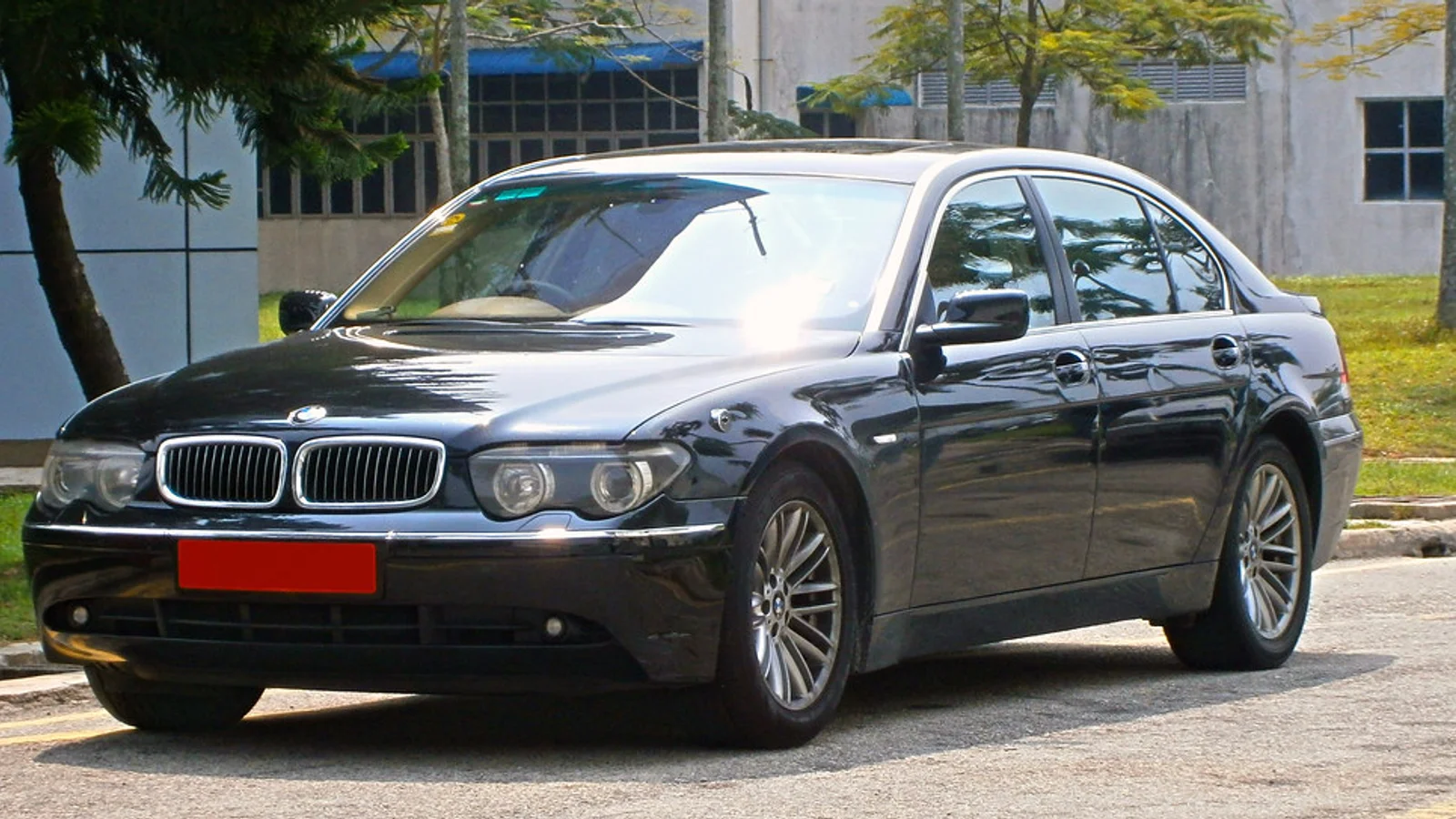
A driving school in Dubai is one of the most tightly controlled businesses a founder can pick, and the trade licence is the least of it. The real gate is RTA accreditation to operate a licensed driving institute, and the Roads and Transport Authority controls almost everything that matters: the institute permit, the zones where an institute may operate, the instructor permits, the training fleet, the yard, and the curriculum itself [1][2]. A normal commercial licence does not let you teach a single learner to drive.
For years this looked like a closed club of a handful of large operators, and most guides still describe it that way. That framing is now out of date. On 18 June 2026, RTA formally opened new licensing zones and invited new investors to apply for institutes and branches, naming growth areas such as Wadi Al Safa, Jebel Ali, Mushrif, Al Maktoum City and Madinat Hind, with its Licensing Agency promising a flexible approach to new applications [2]. So the accurate picture is a high-barrier, RTA-gated sector that has just begun opening, not a permanently sealed one.
This guide covers the RTA accreditation that is the real gate, the 2026 opening, the instructor and fleet requirements, why this is RTA and not KHDA, ownership, and why driving courses carry 5% VAT. Since 2013, our team has set up regulated and training companies across the UAE, so the traps here come from real files. This is a guide, not legal or tax advice on your specific licence.
Why is RTA accreditation the real gate?
Because teaching people to drive in Dubai is an RTA-regulated activity, and only an RTA-accredited institute may do it. To legally deliver driver training and prepare candidates for a Dubai licence, an institute must be accredited by RTA's Licensing Agency, and that sits on top of, and entirely separate from, the DET trade licence [1]. Without the accreditation, the licence is an empty shell.
RTA accredits, and controls, each piece independently. It approves the institute as a corporate operator, approves the premises and the off-road training yard, approves the location by zone, approves the dual-control training vehicles, issues the instructor permits, and sets the curriculum, the training hours and the testing standard, and has confirmed there is no cap on the number of licence tests a candidate may take [1][2][3]. Institutes deliver RTA's syllabus; they do not design their own. That is why setup here is measured in yards and fleets and RTA approvals, not in a quick licence application.
Common Mistake: Treating a driving school like any other training business you can start on a trade licence. It is an RTA-accredited institute with an approved zone, yard, fleet and permitted instructors. Budgeting for the licence alone leaves you unable to teach anyone, because the accreditation, not the licence, is what authorises instruction.
Has the sector really opened to new investors?
Yes, and this is the single most important 2026 development. For years Dubai's driver-training market was dominated by a small set of large, established institutes, and RTA did not publish an open pathway for new independents, so the sector felt closed. That changed in mid-2026 [2].
On 18 June 2026, RTA approved an expansion of the areas eligible for licensing new institutes and branches, opening zones including Wadi Al Safa, Jebel Ali, Mushrif, Al Maktoum City and Madinat Hind, and its Licensing Agency publicly invited accredited institutes and prospective investors to apply, citing rapid population and urban growth [2]. The honest framing is important: this is not a free-for-all. Entry is still gated by RTA approval of the zone, premises, fleet, instructors and curriculum, and it remains capital-heavy and incumbent-influenced. But it is no longer categorically closed, and a new entrant in a designated growth zone now has a real, if demanding, route in. Confirm the current accreditation criteria and available zones directly with RTA, because this is a live, moving policy.
Real Talk: The barrier that makes this business hard to enter is exactly what makes it attractive once you are in. Every new driver in Dubai must train through an accredited institute, there is no independent-instructor route to a first licence, and RTA controls how many institutes exist. That regulatory wall channels the entire learner population through a small number of operators. The 2026 opening is a genuine window, but the wall is still the moat.
What are the instructor, fleet and yard requirements?
Certified instructors, approved dual-control vehicles, and an RTA-approved yard, and each is its own gate. These are the physical requirements behind the accreditation [1]:
- Instructors must hold an RTA-approved driving-instructor permit, hold a valid Dubai-issued UAE licence for the relevant category, and typically have a minimum period of licensed experience plus RTA screening and training. Confirm the exact age, experience and training criteria with RTA.
- Training vehicles must be dual-control, RTA-registered and RTA-approved to specification for each category, whether light vehicle, motorcycle, or heavy vehicle and bus, and marked as training vehicles. The fleet must be maintained to RTA standards and inspected.
- The training yard is an RTA-approved off-road practice and test area, part of the premises requirement, and a core reason capital costs are high and the location is constrained to RTA-eligible zones.
The yard and fleet are why this is not a small-office business. Securing land in an eligible zone that meets RTA's yard specification is the dominant cost and the real constraint, far more than the licence.
Is a driving school regulated by KHDA or RTA?
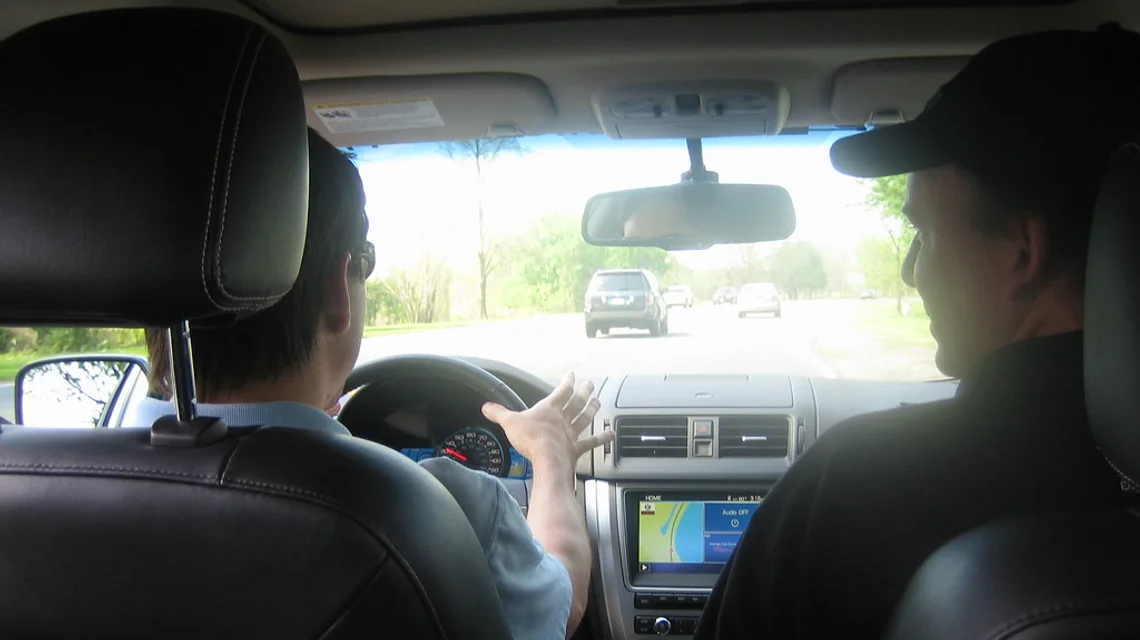
RTA, not KHDA, and getting this wrong sends founders to the wrong authority and the wrong tax answer. Driving instruction is regulated by the Roads and Transport Authority, not by KHDA or the Ministry of Education, which regulate schools and general training institutes [1]. A driving institute is not a KHDA training centre with a driving add-on; it is an RTA vocational operation with its own accreditation regime.
That distinction also decides the VAT position, as covered below, because a driving school is not a KHDA or Ministry-recognised qualifying educational institution delivering a government-approved curriculum. It delivers an RTA skills programme. Founders who assume they can license this as a normal training institute, or that it sits under the education regulators, start on the wrong footing entirely. Our training institute guide covers the KHDA route for actual education businesses, which is a different world.
Can a foreigner own a driving school, and can you use a free zone?
You can very likely own the company fully, but you cannot run it from a free zone. On the trade-licence layer, most mainland activities allow 100% foreign ownership under the post-2021 reforms, and a driving institute is likely eligible, so no Emirati partner is required for the company itself [1]. Confirm the specific activity's ownership status with DET, and confirm with RTA whether a wholly foreign-owned newcomer can secure accreditation independently.
The free-zone question has a firm answer: no. This is a physical, RTA-regulated, public-facing operation tied to an approved Dubai zone, an on-ground yard and RTA premises approval, so it must be a mainland DET licence, and a free-zone licence cannot deliver RTA-regulated Dubai driving instruction [1]. The binding constraint is RTA, not the ownership percentage. Because the mainland-versus-free-zone choice decides your ownership, cost and where you can legally operate, it is worth understanding both routes before you commit: our mainland company setup page walks through the DET route a driving institute needs, while the free zone company setup page explains why a free-zone licence, and even a low-cost zone like IFZA, cannot authorise on-ground driving instruction. Our free zone versus mainland guide covers why on-ground regulated activities stay mainland.
Pro Tip: Secure your RTA-eligible zone and yard before anything else, because the location and the accreditation are the whole game. A founder with a licence and capital but no approved zone or yard has nothing to sell. With the 2026 opening, the eligible growth zones are the scarce asset, so lock the site and the RTA route first. Get your driving institute setup scoped properly→
How is a driving school taxed?
Standard rates, and the VAT answer is 5%, not the education exemption founders hope for. On corporate tax, a driving institute pays 0% on taxable income up to AED 375,000 and 9% above, with Small Business Relief available for revenue up to AED 3 million for tax periods ending on or before 31 December 2029 [6][7]. Our corporate tax filing guide covers the mechanics.
On VAT, driving instruction is standard-rated at 5%. Zero-rating for education requires both a qualifying educational institution recognised by the relevant education authority and a qualifying government-approved curriculum, and the FTA's education-sector VAT guidance confirms that skills courses, vocational and standalone training are standard-rated [4][5]. A driving school is not a KHDA or Ministry-recognised qualifying institution, so its fees carry 5% VAT, with registration mandatory once taxable supplies pass the AED 375,000 threshold [8]. Our VAT registration and compliance guide covers the detail. Treat the 5% as the working assumption and confirm borderline cases with a VAT adviser.

What does it cost, and is it worth it?
The licence is minor; the yard, fleet and accreditation are the real budget. Here is a realistic 2026 picture in AED, all figures approximate and worth confirming with RTA and DET.
| Item | Typical range (AED) |
|---|---|
| DET mainland trade licence (driving institute) | 15,000 to 30,000 per year |
| RTA-approved yard and premises (eligible zone) | Hundreds of thousands to millions |
| Dual-control training fleet | From 100,000, scaling by category |
| RTA accreditation, instructor permits, vehicle approvals | Per RTA schedule, confirm current fees |
| Office, Ejari, visas and staff | Standard mainland rates |
The dominant costs are the RTA-approved yard and the fleet, which is why this is a capital-heavy venture, not a light training startup. The demand case, though, is unusually strong.
Quick Math: Every new driver in Dubai must train and test through an accredited institute, there is no self-study route to a first licence, and a learner course for a light vehicle typically runs from a few thousand dirhams per student. With continuous population growth feeding new residents who need to qualify, plus motorcycle, heavy-vehicle and bus categories, the throughput is enormous and recurring. RTA itself cited rapid population growth as the reason for the 2026 zone expansion. The volume economics are the reason operators run multiple large campuses.
Is a driving school a profitable business in Dubai?
It can be genuinely lucrative, because the demand is captive and recurring, but the economics reward scale, not a single yard. Every person who wants to drive in Dubai must train and test through an accredited institute, there is no independent-instructor route to a first licence, and the population keeps growing, so the learner pipeline refills continuously across light-vehicle, motorcycle and heavy-vehicle categories [2]. A light-vehicle course commonly costs a learner several thousand dirhams, and a busy institute runs thousands of students a year, which is why the incumbents operate multiple large campuses.
The honest picture is that this is a high-throughput, capital-heavy business, not a lifestyle venture, and the returns come from utilisation of the yard and fleet rather than premium pricing. The table below frames the opportunity against two adjacent training routes so you can see where a driving institute actually sits.
| Training business | Regulator | Capital intensity | Demand driver | VAT |
|---|---|---|---|---|
| Driving institute | RTA | Very high (yard, fleet, zone) | Mandatory first-licence training | 5% standard-rated |
| KHDA training institute | KHDA | Low to moderate | Elective skills and vocational courses | 5% standard-rated |
| Private K-12 school | KHDA | Very high (land, building) | Mandatory schooling for expats | Zero-rated |
Because a driving institute is a mainland, on-ground operation, it is worth reading our mainland company setup page alongside the RTA route, and comparing it with the lighter training institute model if driving is not fixed in your plans. Based on our experience, the operators who make this work treat the RTA-eligible zone as the scarce asset and build volume around it, rather than expecting to charge more than the established institutes.
What documents and steps does it take to open a driving school?
A DET company, an RTA-eligible site, and a staged accreditation, in that order. The paperwork is heavier than a normal licence because RTA approves the premises, the fleet and the people, not just the entity. A realistic document and step checklist looks like this.
- Company documents: passport copies and photos of the shareholders, the reserved trade name, DET initial approval, the Memorandum of Association, and an Ejari tenancy for the office and, critically, the RTA-approved training yard.
- Premises and zone: proof that the plot sits in an RTA-eligible zone and meets the yard specification, with site drawings for RTA review.
- Fleet: ownership or lease documents for the dual-control training vehicles, registered and approved to RTA specification per category.
- People: RTA-approved driving-instructor permits, valid Dubai-issued UAE licences for the relevant categories, and the supervisor and administrative staffing plan.
- Approvals: RTA institute accreditation, vehicle approvals, instructor permits, and a Civil Defence approval for the premises.
The timeline is where founders underestimate the project, because the trade licence is quick and the accreditation is not.
| Step | Typical timeline |
|---|---|
| DET trade licence and initial approval | 1 to 3 weeks |
| Securing and fitting an RTA-eligible zone and yard | Months, location-dependent |
| RTA institute accreditation and premises approval | The main gating step, weeks to months |
| Fleet approval and instructor permits | Alongside accreditation |
| Civil Defence and final go-live | Before opening |
Plan the RTA-eligible site and the accreditation first, because a licence with no approved zone is a dead end. Get your driving institute setup and timeline mapped→
What are the ongoing costs and compliance for a driving school?
Annual renewals, RTA compliance, and the standard tax filings, all of which continue for the life of the business. The DET trade licence and the Ejari renew annually, the RTA accreditation and instructor permits carry their own renewal cycle, and the fleet must be maintained and periodically inspected to RTA standards [1]. Instructors who leave must be replaced with RTA-permitted staff before they teach, so the permitted-headcount is a running obligation, not a one-time hire.
On tax, the institute must register for corporate tax and file annually, paying 0% up to AED 375,000 of taxable income and 9% above, and register for VAT once taxable course fees pass AED 375,000, charging 5% on lessons [6]. It also needs the usual establishment-card and visa renewals and payroll under the Wages Protection System. These recurring filings, renewals and approvals are exactly the kind of ongoing work our post-setup services handle, so the institute stays compliant while you focus on throughput. Budget for the renewals from year one rather than treating them as an afterthought.
Can you open a corporate bank account for a driving school?
Yes, but expect the standard UAE onboarding, not an instant or fully remote account. A mainland driving institute opens a corporate account with a local bank once the licence and, ideally, the RTA accreditation are in place, and the bank runs full know-your-customer checks on the shareholders, the activity and the expected turnover, usually requiring an in-person meeting and a tenancy and licence in hand [1]. There is no fully-remote account opening for a physical, regulated operation like this.
Practically, a clear business plan showing the RTA route, the fleet and the projected student volumes helps the account move faster, and a maintained minimum balance is normal. Because the institute handles high volumes of small learner payments, a proper merchant and payment setup matters, and getting the banking right early avoids cash-flow friction once students start enrolling.
Real Client Stories
The training centre that was not a driving school. A client tried to license a driving school as a KHDA training institute, assuming it sat under the education regulators. Driving instruction is regulated by RTA, with its own accreditation, and the plan had to be rebuilt around the right authority. We now start every driving-school enquiry at RTA, not KHDA, so the route is right from day one.
The licence with nowhere to teach. A founder secured a trade licence and bought vehicles, then discovered he had no RTA-approved zone or yard and could not run a single lesson. The accreditation and the eligible location, not the licence, were the real requirements. With the 2026 zone opening, we now help clients target an eligible growth zone and the yard first.
The VAT that was not exempt. A client priced courses assuming education is VAT-free and under-collected VAT. Driving instruction is standard-rated at 5% because a driving school is not a qualifying educational institution. We corrected the pricing and registration. The education exemption simply does not apply to an RTA skills programme.
Set up your Dubai driving school the right way
A driving school rewards founders who treat RTA accreditation, the eligible zone and the yard as the real business, and it frustrates those who stop at the trade licence or go to the wrong regulator. Since 2013, BusinessDubai.ae has completed 700+ company registrations across the UAE, including regulated and training companies. We will help you target an RTA-eligible growth zone under the 2026 opening, structure the mainland company, plan the accreditation, instructor permits, fleet and yard requirements, and set up the corporate tax and VAT position correctly, all with clear itemised pricing. Talk to a setup expert→ for a plan built around your institute. Our free zone versus mainland guide covers the structure choice, and post-setup services covers ongoing approvals and renewals.
Frequently Asked Questions
How do I start a driving school in Dubai?
Secure a mainland DET trade licence with the driving-institute activity, then obtain RTA accreditation to operate a licensed institute, which requires an RTA-approved zone and yard, dual-control fleet, RTA-permitted instructors and delivery of RTA's curriculum. The accreditation, not the licence, is the real gate [1][2].
Is RTA accreditation required to open a driving school in Dubai?
Yes. Teaching people to drive is an RTA-regulated activity, and only an RTA-accredited institute may do it. RTA controls the institute permit, the zones, the instructor permits, the fleet, the yard and the curriculum, all on top of the DET trade licence [1].
Can new investors open a driving school in Dubai in 2026?
Yes. On 18 June 2026 RTA opened new licensing zones, including Wadi Al Safa, Jebel Ali, Mushrif, Al Maktoum City and Madinat Hind, and invited new investors to apply. It remains high-barrier and RTA-gated, but it is no longer categorically closed to new entrants [2].
Is a driving school regulated by KHDA or RTA in Dubai?
By RTA, the Roads and Transport Authority, not KHDA or the Ministry of Education. A driving institute is an RTA vocational operation with its own accreditation, distinct from a KHDA training centre, which also decides its VAT position [1].
Do driving instructors need a permit in Dubai?
Yes. Every instructor must hold an RTA-approved driving-instructor permit, a valid Dubai-issued UAE licence for the relevant category, and meet RTA's experience and training criteria. Instructors are individually approved by RTA, not merely employed [1].
Do I need a training yard for a driving school in Dubai?
Yes. An RTA-approved off-road training and test yard is part of the premises requirement and must sit in an RTA-eligible zone. Securing land that meets the yard specification is the dominant cost and the main constraint on setup [1].
Can a foreigner own 100% of a driving school in Dubai?
Very likely yes on the trade-licence layer, since most mainland activities allow 100% foreign ownership and a driving institute is likely eligible. Confirm the activity with DET, and confirm with RTA whether a wholly foreign-owned newcomer can hold the accreditation independently [1].
Can you run a driving school from a free zone in Dubai?
No. It is a physical, RTA-regulated, public-facing operation tied to an approved Dubai zone and yard, so it must be a mainland DET licence. A free-zone licence cannot deliver RTA-regulated Dubai driving instruction [1].
Is there VAT on driving lessons in Dubai?
Yes, at the standard 5% rate. Driving instruction is standard-rated because a driving school is not a qualifying educational institution delivering a government-approved curriculum, per the FTA's education-sector VAT guidance. It is not zero-rated education [4][5].
How much does it cost to open a driving school in Dubai?
The licence is a small part. The RTA-approved yard and premises run into the hundreds of thousands to millions, the dual-control fleet from around AED 100,000 and scaling by category, plus RTA accreditation and permit fees. It is a capital-heavy venture; all figures are approximate.
How is a driving school taxed for corporate tax?
At 0% on taxable income up to AED 375,000 and 9% above, with Small Business Relief treating revenue up to AED 3 million as no taxable income for tax periods ending on or before 31 December 2029. It is a mainland business, so the standard regime applies [6][7].
What vehicles do I need for a driving school in Dubai?
Dual-control training vehicles, RTA-registered and approved to specification for each category you teach, whether light vehicle, motorcycle, heavy vehicle or bus, marked as training vehicles and maintained and inspected to RTA standards [1].
Why did RTA open new driving-school zones in 2026?
RTA cited rapid population and urban growth and new residential communities as the reason for expanding the areas eligible for new institutes and branches, opening designated growth zones and inviting new investors in June 2026 [2].
Is the driving-school market in Dubai closed to new entrants?
It was largely closed in practice for years, dominated by a few large institutes, but the June 2026 zone opening changed that. It is now high-barrier and RTA-gated but open to new investors in designated zones, so the accurate description is opening, not closed [2].
Do I set my own curriculum for a driving school in Dubai?
No. RTA sets the theory and practical curriculum, the mandated training hours and the testing standard. Institutes deliver RTA's syllabus rather than designing their own, which is part of what makes accreditation the real operating requirement [1].
What is the difference between a driving school and a training institute in Dubai?
A driving school is RTA-accredited and delivers driving instruction under RTA's regime. A training institute is licensed under KHDA or the education authorities and delivers education or skills courses. They are different regulators, different approvals and different VAT treatment [1][4].
How long does it take to set up a driving school in Dubai?
The trade licence can be issued in weeks, but the full path, securing an eligible zone and yard, building the premises, RTA accreditation, fleet approval and instructor permits, takes considerably longer and depends on the location and RTA's process. Plan the accreditation and site first.
Do driving-school fees count toward the VAT registration threshold?
Yes. Because driving instruction is standard-rated at 5%, course fees are taxable supplies that count toward the AED 375,000 mandatory VAT-registration threshold, so a busy institute will need to register for VAT and charge it on lessons [4][5].
Can I run motorcycle or heavy-vehicle training as well?
Yes, if RTA accredits you for those categories, which require category-specific approved vehicles and instructors. Each category is a separate approval within the accreditation, and adding categories broadens both the fleet requirement and the addressable learner base [1].
Why is demand for driving schools in Dubai so strong?
Every new driver must train through an accredited institute, there is no independent-instructor route to a first licence, and Dubai's population keeps growing, channelling a large, continuous learner base through a limited number of institutes, across light-vehicle, motorcycle and heavy-vehicle categories [2].
What documents do I need to open a driving school in Dubai?
Shareholder passports and photos, the reserved trade name and DET initial approval, the Memorandum of Association, an Ejari for the office and the RTA-approved yard, fleet ownership or lease documents, RTA instructor permits, and the RTA accreditation, vehicle and Civil Defence approvals. The RTA-eligible site and accreditation are the gating items.
What are the ongoing costs of running a driving school in Dubai?
Annual DET licence and Ejari renewals, RTA accreditation and instructor-permit renewals, fleet maintenance and inspection, staff visas and payroll under the Wages Protection System, corporate tax filing and VAT filing once registered. These renewals and filings run for the life of the business and are best planned from year one.
Can I open a corporate bank account for a driving school in Dubai?
Yes, with a local bank once the licence and ideally the RTA accreditation are in place. Expect full know-your-customer checks on the shareholders and activity, an in-person meeting, a tenancy and licence in hand, and a maintained minimum balance. There is no fully-remote account opening for a physical, regulated operation.
Is a driving school a profitable business in Dubai?
It can be, because demand is captive and recurring, with every new driver required to train through an accredited institute and the population growing. But it is capital-heavy, and returns come from utilisation of the yard and fleet across categories rather than from premium pricing, which is why incumbents run multiple large campuses.
Do I need to renew the RTA accreditation for a driving school?
Yes. The RTA accreditation and instructor permits carry their own renewal cycle alongside the annual DET licence and Ejari, and the fleet must be maintained and periodically inspected to RTA standards. Instructors who leave must be replaced with RTA-permitted staff before they can teach.
Can I run a driving school from a free zone or an offshore company in Dubai?
No. Driving instruction is a physical, RTA-regulated, on-ground activity tied to an approved Dubai zone and yard, so it needs a mainland DET licence. Neither a free-zone licence nor an offshore company can deliver RTA-regulated Dubai driving instruction, so the operating entity is mainland.
What does it cost to hire driving instructors in Dubai?
Instructors are a recurring salary and permit cost, and they must hold an RTA-approved instructor permit and a valid Dubai-issued UAE licence for the category they teach. Because the permitted, carded instructors are the gate on delivering lessons, staffing and retaining them is a core ongoing cost, not a one-off.
What insurance does a driving school need in Dubai?
Motor insurance on the dual-control training fleet, and typically public-liability and staff cover, alongside the RTA maintenance and inspection requirements. Insurance is part of the ongoing compliance stack that keeps the fleet and the institute lawful, so budget for it annually rather than as a setup cost.
References
[1] Roads and Transport Authority, Dubai: driving licence and accredited-institute training requirements, instructor permits, approved vehicles and yards. RTA driving licence service
[2] RTA, June 2026: Dubai RTA expands driver-training zones and opens the sector to new investors, naming new zones including Wadi Al Safa, Jebel Ali, Mushrif, Al Maktoum City and Madinat Hind. RTA driver-training zone expansion
[3] Khaleej Times: RTA confirms no cap on the number of driving-licence tests a candidate may take. No cap on licence tests
[4] Federal Tax Authority, Cabinet Decision No. 52 of 2017, the VAT executive regulations including the education provisions. FTA VAT executive regulations
[5] Federal Tax Authority, Education Sector VAT Guide (VATGED1, 2026): skills and vocational training and private tutoring are standard-rated at 5%. FTA education VAT guide summary
[6] Federal Tax Authority, corporate tax: 0% up to AED 375,000 and 9% above. FTA corporate tax
[7] Federal Tax Authority, Small Business Relief (Ministerial Decision No. 73 of 2023, as amended by Ministerial Decision 131 of 2026): revenue up to AED 3 million treated as no taxable income for tax periods ending on or before 31 December 2029. FTA Small Business Relief
[8] UAE Government portal, value-added tax: 5% standard rate and registration thresholds. u.ae VAT