A bottled water company in Dubai sounds like a simple trading idea, and that impression is the single biggest mistake founders make. Packaged drinking water is not a trading business. It is at once an industrial activity, a regulated food product, and a product that cannot legally reach a shelf without a mandatory quality mark. Three separate regulators gate it: MoIAT for the industrial licence and the quality mark, Dubai Municipality for food safety and product registration, and the water-source and laboratory-testing regime behind both [1][3][4]. Miss any one layer and your bottles stay in the warehouse.
That is a different world from buying and reselling. You need a real factory, a treatment line, a food-safety system, per-product registration, and an audit before the first legal sale. The founders who struggle here are the ones who budgeted for a trade licence and a delivery van and discovered they were building a food plant.
This guide covers the industrial licence, the Dubai Municipality food approvals, the GSO 1025 standard and the mandatory Emirates Quality Mark, the source and testing rules, ownership, and why plain water carries no excise but still carries VAT. Since 2013, our team has set up industrial and regulated-goods companies across the UAE, so the traps here come from real files. This is a guide, not legal or tax advice on your specific plant.
Why is bottled water a factory, not a trading business?
Because bottling is manufacturing, and manufacturing needs an industrial licence, not a commercial one. A trade licence lets you buy and sell finished goods. It does not let you produce them. Bottling drinking water is a production activity, so you need an industrial licence, from DET for the mainland or from a free-zone authority, and on top of that a real, approved factory [1]. Virtual offices are not accepted.
Beyond the licence, a bottling plant should hold the MoIAT Industrial Production Licence, the federal industrial registration through the Ministry of Industry and Advanced Technology [8]. MoIAT expects a genuine factory, and its baseline industrial criteria commonly cited are at least ten employees and capital of no less than AED 250,000, with the certificate also unlocking the 5% customs-duty waiver on imported machinery and raw materials [1]. The point is simple: this is a plant, and it is licensed and registered as one.
Common Mistake: Treating a bottled water brand as a distribution play you can start on a commercial trade licence. It is a regulated food factory. You need an industrial licence, MoIAT industrial registration, and an approved production premises before you can make a single bottle, let alone sell it.
What are the three regulators that gate bottled water?
MoIAT, Dubai Municipality, and the quality-mark regime, and all three must be satisfied before the first sale. They stack on top of each other [1][3][4]:
- MoIAT, for the industrial side and the quality mark. The industrial production licence plus, critically, the Emirates Quality Mark described below.
- Dubai Municipality Food Safety, because water is legally a food. Before any handling begins you need a permit for food-related activities from the Dubai Municipality Food Safety Department, issued after a facility inspection covering layout, hygiene, ventilation and waste.
- Product registration, per SKU. The specific bottled-water product and its label must be registered with Dubai Municipality before it can be sold, with samples tested by the Dubai Central Laboratory for quality and conformity.
So the licence is the start, not the finish. The food permit, the per-product registration, the source approval, the lab testing and the quality mark all sit between you and the first legal sale. Our food trading guide covers the wider food-registration mechanics that apply across the sector.
What is the Emirates Quality Mark, and why is it the real moat?
It is a mandatory certification for bottled water, and without it your product is pulled from the market. Bottled drinking water must conform to the UAE standard GSO 1025 for bottled drinking water, and conformity is enforced through the Emirates Conformity Assessment Scheme, with the Emirates Quality Mark (EQM) mandatory for bottled drinking water for both local producers and importers [2][3]. The mandate flows from Cabinet Resolution No. 26 of 2013, and the mark is now administered by MoIAT.
The reason it is the real barrier is what earning it takes. EQM certification requires the plant to be audited for an implemented HACCP food-safety system and Good Manufacturing Practices, plus microbiological and chemical testing of the product, and it involves recurring audits and retesting, not a one-time pass [2][3]. Products without the mark are removed from shelves or denied entry. So the quality mark is not a sticker you buy; it is a running commitment to a documented food-safety system that the authority audits.
Pro Tip: Design the plant around HACCP and the Emirates Quality Mark from day one, not as a later add-on. Because the mark requires an audited food-safety system and ongoing testing, retrofitting hygiene, traceability and quality control into a plant built without them is slow and expensive. Build to the standard first. Get your bottled water setup scoped properly→
What are the water source, treatment and testing rules?
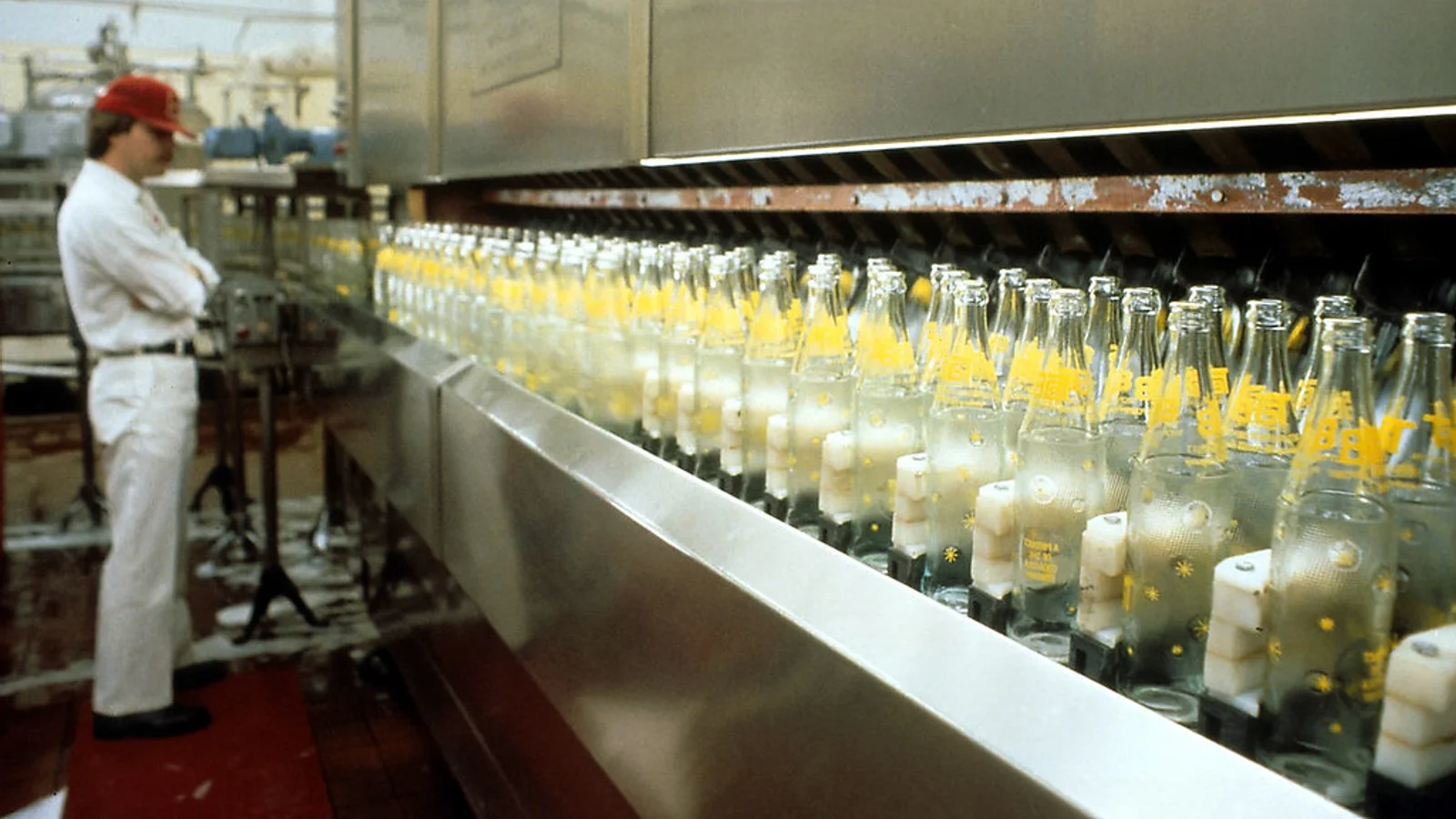
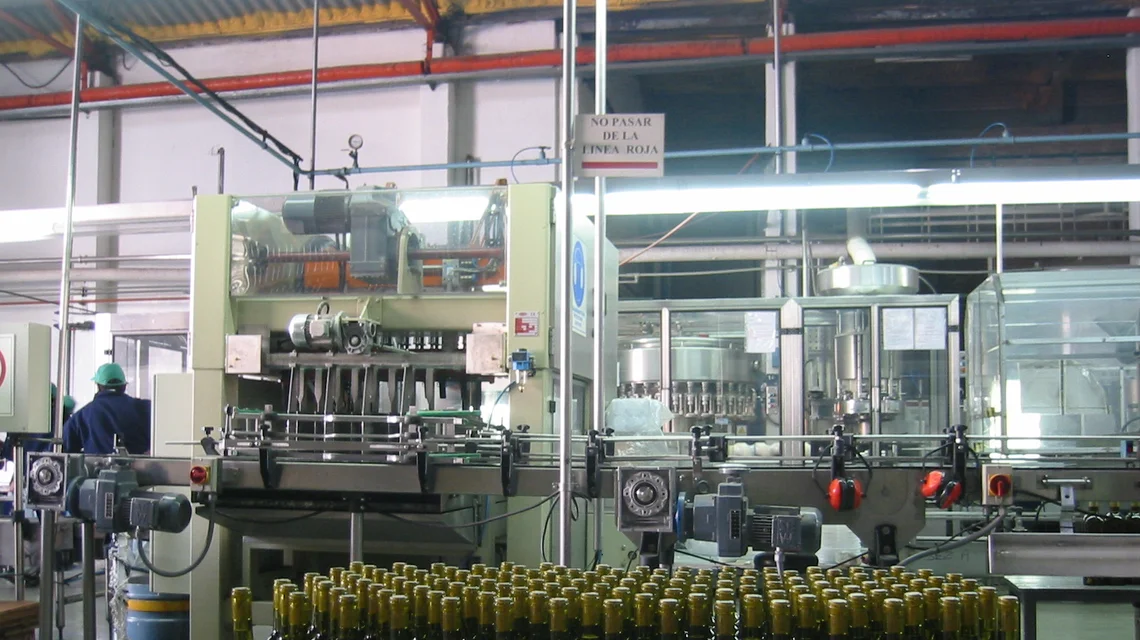
Documented source, hygienic treatment, and ongoing lab testing. The water source, whether municipal supply, borehole or otherwise, and its treatment train must be documented and approved as part of both the food permit and the quality-mark audit, and groundwater abstraction would need additional environmental approval [4]. A typical process is multi-stage filtration and reverse osmosis, remineralisation, ozonation or UV disinfection, and hygienic, often automated, bottling to prevent contamination after treatment.
The finished water must meet the GSO 1025 microbiological and chemical limits, and the Dubai Central Laboratory tests water for trace elements, pH, conductivity, dissolved solids, phosphates, ammonia, pesticides and more [4]. This is not a one-time check. Expect periodic testing and surveillance under both the food permit and the quality mark, because the whole regime is built around ongoing conformity rather than a single approval at launch.
What are the labelling and packaging rules?
Approved labels, honest categories, and food-contact packaging. Labels must comply with the UAE and GSO food-labelling standards and are approved during product registration, covering production and expiry dates, the type of water, treatment description, volume and producer details, with no misleading health claims [4]. This is where many first-time producers trip.
The categories are regulated and distinct. "Bottled drinking water", "natural mineral water" and "spring water" are different regulated things under GSO, and calling treated municipal water "natural mineral water", or adding health claims, is a common rejection trigger. Packaging materials, the bottles and caps, must be food-contact compliant and are assessed alongside the water. And factor in the UAE's move against single-use plastics, because packaging fees and recyclability now matter to the plan. Confirm the current single-use plastic rules with Dubai Municipality.
Where should the factory be, and can a foreigner own it?
An industrial zone, and yes, you can own it fully. A commercial trade licence does not authorise manufacturing, so an industrial licence and a physical, approved factory with warehousing are mandatory [1]. A mainland industrial licence lets you sell freely into the UAE market and supply hotels, restaurants and retail directly, which usually suits a domestic bottled-water brand, and our mainland company setup page walks through the DET route a water factory takes. Free-zone industrial estates such as JAFZA, Dubai Industrial City or Dubai South give purpose-built land and utilities, though a free-zone producer selling into the mainland typically distributes through a mainland distributor or pays customs duty, and our free zone company setup page covers how a free-zone industrial licence works. If you are weighing a purpose-built industrial estate outside Dubai, our KEZAD industrial free zone guide shows what a large manufacturing zone offers a plant on land, power and logistics. Our free zone versus mainland guide covers the trade-off.
On ownership, industrial and manufacturing activities generally allow 100% foreign ownership on the mainland under the Commercial Companies Law, and full ownership in free zones, with no local partner required in the standard case [7]. Confirm the specific activity code is on DET's positive list for full foreign ownership. Either route still requires the MoIAT industrial licence, the Dubai Municipality food permit, the per-product registration and the mandatory quality mark.
How is a bottled water company taxed?
Standard rates, and the excise question has a clean answer for plain water. On corporate tax, the company pays 0% on taxable income up to AED 375,000 and 9% above, with Small Business Relief available for revenue up to AED 3 million for tax periods ending on or before 31 December 2029 [6]. Our corporate tax filing guide covers the mechanics.
On VAT, bottled water sales are standard-rated at 5%, not zero-rated or exempt, with registration mandatory once turnover passes AED 375,000. Our VAT registration and compliance guide covers the detail.
Excise is where founders get confused, and the answer is favourable for plain water. Under the excise regime effective from 1 January 2026, plain water, still or unflavoured sparkling, is excluded from excise [5]. Excise now applies to sweetened drinks on a tiered model scaled by sugar content. So a pure bottled-water business carries no excise, only VAT. But the moment you extend into flavoured, sweetened or vitamin water, excise registration and the tiered tax apply. Our excise tax on food and drinks guide covers where that line falls.
What does it cost, and is it worth it?
The licence is a small fraction; the plant and premises are the real budget. Here is a realistic 2026 picture in AED, all figures approximate and worth confirming with vendors and the authorities.
| Item | Typical range (AED) |
|---|---|
| Trade or industrial licence (free zone) | 28,000 to 50,000 |
| Mainland industrial licence | 15,000 to 30,000+ |
| MoIAT minimum capital benchmark | 250,000 |
| Factory or warehouse lease (industrial zone) | Major recurring cost, size-dependent |
| RO treatment and automated bottling line | Hundreds of thousands to a few million |
| EQM certification, HACCP setup and testing | Audit, lab and consultancy fees |
| Product registration and lab testing, per SKU | Per-SKU fees plus DCL testing |
The dominant costs are the treatment and bottling line and the premises, with a real plant running into the millions, while the licence is minor. The market case is genuinely strong, which is why the sector keeps attracting entrants.
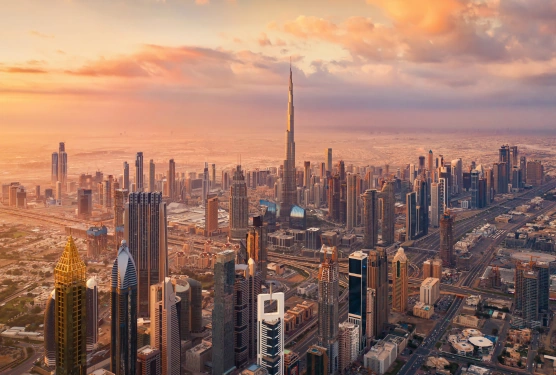
Quick Math: Dubai's hot, arid climate drives some of the highest per-capita bottled-water consumption in the world, with year-round baseline demand and summer peaks. Structural buyers, hotels, restaurants, catering, offices, events, gyms and government supply, plus the high-volume five-gallon home-and-office delivery channel, give a bottling plant multiple recurring outlets. The economics reward scale, private-label contract bottling and delivery logistics, which is where a well-run plant makes its margin.
Is a bottled water business profitable in Dubai?
It can be strongly profitable, but the margin comes from volume and channel mix, not from a premium price on a single bottle. Dubai's hot, dry climate keeps per-capita bottled-water consumption among the highest anywhere, with a year-round baseline and a heavy summer peak, so the demand is structural rather than seasonal froth. A plant that lands the right buyers has several recurring income lines feeding the same production floor, which is what turns a capital-heavy factory into a business that pays for itself.
The buyers split into a few clear channels. HORECA, meaning hotels, restaurants and catering, takes branded 330ml and 500ml bottles by the pallet and reorders every week. Offices, gyms, events and government contracts add more of the same. Then there is the five-gallon home-and-office delivery channel, the large returnable bottles on coolers in homes and offices across the city, which is the highest-volume outlet and often the backbone of a domestic brand because the bottles come back and get refilled rather than sold once and gone. On top of retail-brand sales, the quietest money is frequently private-label contract bottling, where you run water under a supermarket's or a hotel group's own label and fill your line during hours you would otherwise waste.
Real Talk: The bottle you sell for AED 1 is mostly logistics and packaging, not water. A pure retail brand fighting for shelf space against established names is the hardest way in. The operators who make real money anchor the plant with a five-gallon delivery round and a private-label contract or two, which fill the line predictably, then layer the branded retail range on top. Plan the channels before you plan the label.
The bigger structural choice sits underneath all of that: whether to build on the mainland or in an industrial free zone, because it changes who you can sell to directly and how you reach the domestic market.
| Factor | Mainland industrial licence | Industrial free-zone licence |
|---|---|---|
| Sell direct to UAE hotels, retail and homes | Yes, freely | Usually through a mainland distributor or with customs duty |
| Foreign ownership | 100% for listed industrial activities | 100% |
| Best fit | Domestic water brand and delivery rounds | Export-led or contract bottling with a distributor |
| Land and utilities | Standard industrial plots | Purpose-built estates, power and logistics |
| Customs-duty position | Standard | Duty on goods entering the mainland |
For most founders whose plan is to supply Dubai itself, the mainland route is the cleaner fit because it removes the distributor layer between the plant and the buyer. If your plan leans toward export or contract filling, an industrial free zone can make more sense. Either way the food-factory obligations are identical, so weigh the routes on market access, and our mainland company setup page covers the DET side in detail.
What documents and steps does it take to start a bottling plant?
More paperwork than a trade licence, because three regulators each approve a different layer, and the plant itself has to be built and audited before a single legal sale. The document set is heavier than founders expect, and the sequence matters, because you cannot register a product before you have a factory to make it in. A realistic checklist looks like this.
- Company documents: shareholder passports and photos, the reserved trade name, DET or free-zone initial approval, the Memorandum of Association, and an Ejari or free-zone lease for the industrial premises, not a virtual office.
- Industrial licence and MoIAT registration: the industrial licence from DET or the free-zone authority, plus the MoIAT industrial production licence, whose baseline criteria commonly cited are at least ten employees and capital of no less than AED 250,000, which also unlocks the 5% customs-duty waiver on imported machinery and raw materials.
- Dubai Municipality food-safety permit: granted after a facility inspection of layout, hygiene, ventilation and waste, because packaged water is legally a food.
- Water source and treatment approval: documentation of the source and the treatment train, with groundwater abstraction needing additional environmental approval.
- Per-product registration: each SKU and its label registered with Dubai Municipality, with samples tested by the Dubai Central Laboratory against GSO 1025.
- Emirates Quality Mark: the mandatory EQM certification, which requires an audited HACCP and Good Manufacturing Practices system before the product is cleared for sale.
The timeline is where the real project hides, because the licence is quick and the plant, the registrations and the quality mark are not. Plan the approvals to run alongside the plant build rather than after it.
| Step | Typical timeline |
|---|---|
| Industrial licence and initial approval | 1 to 3 weeks |
| MoIAT industrial production licence | Weeks, after the plant plan is set |
| Factory fit-out, treatment line and bottling line | Months, the dominant build item |
| Dubai Municipality food-safety permit and inspection | Weeks, after fit-out |
| Per-SKU product registration and DCL testing | Weeks per product |
| EQM certification with HACCP audit | The final gate before legal sale |
The single most common misjudgement is treating the Emirates Quality Mark as a formality at the end. It is the last gate and it audits a food-safety system that has to be designed into the plant from day one, so building to the standard first is what keeps the timeline honest. Get your bottling plant setup and approvals mapped→
What are the ongoing costs and compliance for a bottling plant?
The costs that never stop are the ones tied to staying certified, and they are heavier than for an ordinary company because the plant lives under continuous food-safety and quality surveillance. This is not a business you set up once and leave alone. The Emirates Quality Mark carries recurring audits and product retesting rather than a one-time pass, so the HACCP system, the traceability records and the lab results have to hold up every cycle. Alongside it, the per-product registrations renew, the Dubai Municipality food permit renews, and the Dubai Central Laboratory runs periodic testing on the water under both the food permit and the quality mark.
Then there is the plant itself. Reverse-osmosis membranes, filters and ozonation or UV systems need maintenance and replacement, the line consumes real energy running cooling and filling around the clock, and preventive maintenance on the bottling machinery is a running line item, not an occasional one. On tax, the company files corporate tax at 0% on taxable income up to AED 375,000 and 9% above, and charges VAT at the standard 5% on sales once turnover passes AED 375,000. Plain water carries no excise, but the packaging side now costs money too, because the UAE's move against single-use plastics brings packaging and recyclability fees into the plan, so confirm the current single-use plastic charges with Dubai Municipality.
Based on our experience, the plants that stay clean through their audits are the ones that budget for compliance from year one and treat the EQM surveillance, the retesting and the permit renewals as fixed operating cost, not surprises. The renewals, filings and periodic approvals are exactly the recurring work our post-setup services handle, so the certification holds while you run the line.
Can you open a corporate bank account for a bottling company?
Yes, and an industrial company with a real factory and staff is a stronger banking case than a paper trading firm, though you should still expect the standard UAE onboarding rather than an instant or fully remote account. A mainland bottling company opens a corporate account with a local bank once the industrial licence and, ideally, the MoIAT registration and food permit are in place, and the bank runs full know-your-customer checks on the shareholders, the activity and the expected turnover, usually with an in-person meeting and the licence and tenancy in hand. There is no fully-remote account opening for a physical, regulated food plant.
Practically, a clear plan that shows the industrial premises, the treatment and bottling line, the target channels and the supply contracts helps the account move faster, because banks read a funded factory with real off-take as lower risk than a bare licence. A maintained minimum balance is normal, and because the business handles a high volume of small trade payments from delivery rounds and retail, getting the merchant and payment setup right early avoids cash-flow friction once the line is running. If you plan to import machinery or raw materials, mention the trade-finance need at onboarding so the facilities are lined up alongside the account.
Real Client Stories
The trading licence that could not make a bottle. A client set up a commercial trade licence expecting to start a water brand, then learned bottling is manufacturing and needs an industrial licence, a MoIAT registration and an approved factory. He had budgeted for none of it. We restructured onto an industrial footing. The difference between trading and manufacturing was the difference between a plan and a dead end.
The product pulled from the shelf. A producer began selling before securing the Emirates Quality Mark, and the product was removed from the market because bottled water without the mandatory mark cannot be sold. We built the HACCP system and took the plant through certification. The mark is not optional, and discovering that after launch is expensive.
The label that was rejected. A client labelled treated municipal water as "natural mineral water" and the registration was rejected, because the categories are regulated and the claim was misleading. We corrected the labelling to the right category and the registration cleared. The rules on what you can call your water are as real as the rules on the water itself.
Set up your Dubai bottled water company the right way
Bottled water rewards founders who treat it as the regulated food factory it is, and it traps those who plan it as a trading business. Since 2013, BusinessDubai.ae has completed 700+ company registrations across the UAE, including industrial and regulated-goods companies. We will help you secure the industrial licence and MoIAT registration, choose the right industrial zone, plan the Dubai Municipality food permit and per-product registration, build the plant to HACCP and the Emirates Quality Mark, and set up the corporate tax, VAT and any excise position correctly, all with clear itemised pricing. Talk to a setup expert→ for a plan built around your plant. Our free zone versus mainland guide covers the structure choice, and post-setup services covers ongoing approvals and renewals.
Frequently Asked Questions
How do I start a bottled water company in Dubai?
Set up an industrial licence with DET or a free-zone authority, obtain the MoIAT industrial production licence, secure a Dubai Municipality food-safety permit, register each product with Dubai Municipality, and earn the mandatory Emirates Quality Mark against GSO 1025 before selling. It is a regulated food factory, not a trading business [1][3].
Is bottled water a trading or a manufacturing business in Dubai?
Manufacturing. Bottling is a production activity that needs an industrial licence and a real approved factory, not a commercial trade licence, plus MoIAT industrial registration. A trading licence does not authorise making the product [1].
What is the Emirates Quality Mark for bottled water?
It is a mandatory certification, required under Cabinet Resolution No. 26 of 2013 and administered by MoIAT, confirming the water meets GSO 1025 and the plant runs HACCP and Good Manufacturing Practices. Bottled water without the mark is pulled from the market or denied entry [2][3].
What standard does bottled water have to meet in Dubai?
The UAE standard GSO 1025 for bottled drinking water, covering microbiological and chemical limits, enforced through the Emirates Conformity Assessment Scheme and the mandatory Emirates Quality Mark, with product testing by the Dubai Central Laboratory [3][4].
Do I need Dubai Municipality approval to bottle water?
Yes. Packaged drinking water is legally a food, so you need a Dubai Municipality Food Safety permit for the facility, issued after inspection, plus registration of each product before it can be sold. Samples are tested by the Dubai Central Laboratory [4].
Do I have to register each bottled water product separately?
Yes. Each product and its label must be registered with Dubai Municipality before sale, with product specifications and label artwork submitted and samples tested. Misleading category names or health claims are common rejection triggers [4].
Is bottled water subject to excise tax in Dubai?
No. Under the excise regime effective 1 January 2026, plain water, still or unflavoured sparkling, is excluded from excise. Excise applies to sweetened drinks on a tiered model, so flavoured or sweetened water would carry it, but plain water does not [5].
Is there VAT on bottled water in Dubai?
Yes, at the standard 5% rate. Bottled water is standard-rated, not zero-rated or exempt, and registration is mandatory once turnover passes AED 375,000, separate from the excise position [5][6].
Can a foreigner own 100% of a water bottling company in Dubai?
Yes. Industrial and manufacturing activities generally allow 100% foreign ownership on the mainland under the Commercial Companies Law, and full ownership in free zones, with no local partner required in the standard case. Confirm the activity code on DET's positive list [7].
Where should a water bottling factory be located in Dubai?
In an industrial zone. A mainland industrial licence lets you sell freely into the UAE market, while free-zone estates such as JAFZA, Dubai Industrial City or Dubai South offer purpose-built land and utilities, with mainland sales routed through a distributor or customs duty [1].
How much does it cost to start a water bottling plant in Dubai?
The licence is a small fraction of the budget. A real plant runs into the millions once you include the reverse-osmosis treatment and automated bottling line and the industrial premises, with EQM certification, product registration and testing on top. All figures are approximate; the plant and premises dominate.
Do I need the MoIAT industrial licence as well as a trade licence?
Yes, for a factory. On top of the trade or industrial licence, a bottling plant should hold the MoIAT industrial production licence, the federal industrial registration, which also unlocks the 5% customs-duty waiver on imported machinery and raw materials [1].
What water treatment is used in a bottling plant?
Typically multi-stage filtration and reverse osmosis, remineralisation, ozonation or UV disinfection, and hygienic, often automated, bottling. The source and treatment train must be documented and approved as part of the food permit and the quality-mark audit [4].
Can I bottle any water and sell it in Dubai?
No. The water must meet GSO 1025, the plant must run HACCP and Good Manufacturing Practices, each product must be registered with Dubai Municipality, and the mandatory Emirates Quality Mark is required. Unmarked or non-conforming product cannot be sold [3][4].
What can I not call my bottled water?
You cannot use a regulated category name that does not fit the product. Drinking water, natural mineral water and spring water are distinct categories under GSO, so calling treated municipal water "natural mineral water", or adding health claims, is rejected at registration [4].
Does a free-zone water bottling plant get the 0% corporate tax rate?
Only on qualifying income under the free-zone rules, and selling into the UAE mainland is generally taxable. Corporate tax is 0% up to AED 375,000 and 9% above, with Small Business Relief for revenue up to AED 3 million through 31 December 2029, so plan on the standard position for domestic sales [6].
How long does it take to set up a water bottling company in Dubai?
The licence can be issued in weeks, but the full path, industrial registration, food permit, plant fit-out, product registration, lab testing and Emirates Quality Mark certification, takes months and depends on how quickly the plant is built to standard. Plan the approvals alongside the plant.
Do I need a HACCP system for a water bottling plant?
Yes. The Emirates Quality Mark requires an implemented HACCP food-safety system and Good Manufacturing Practices, audited by a certification body, plus microbiological and chemical testing. It should be designed into the plant from the start, not added later [2][3].
What is the five-gallon water delivery business?
It is the home-and-office refill channel, supplying large returnable bottles to households and offices, a distinct high-volume outlet alongside retail. It is a major demand driver for bottling plants in Dubai and often the backbone of a domestic water brand's volume.
Are there packaging rules for water bottles in Dubai?
Yes. Bottles and caps must be food-contact compliant and are assessed at registration, and the UAE's move against single-use plastics means packaging fees and recyclability matter. Confirm the current single-use plastic and packaging rules with Dubai Municipality [4].
Why is bottled water demand so high in Dubai?
The hot, arid climate drives among the highest per-capita bottled-water consumption globally, with year-round baseline demand and summer peaks, plus large structural buyers in hospitality, offices, events and government, and the high-volume home-and-office delivery channel.
What documents do I need to start a water bottling plant in Dubai?
Shareholder passports and photos, the reserved trade name and DET or free-zone initial approval, the Memorandum of Association, an Ejari or free-zone lease for the industrial premises, the industrial licence and MoIAT industrial production licence, the Dubai Municipality food-safety permit, source and treatment documentation, per-SKU product registration with Dubai Central Laboratory testing, and the Emirates Quality Mark certification. The plant, the registrations and the quality mark are the gating items, not the licence [1][3][4].
What are the ongoing costs of running a water bottling plant in Dubai?
Recurring Emirates Quality Mark audits and product retesting, per-product registration renewals, the Dubai Municipality food-permit renewal, periodic Dubai Central Laboratory testing, plant maintenance on membranes, filters and the bottling line, energy, corporate tax filing and 5% VAT, plus single-use-plastic and packaging fees. These run for the life of the business and are best budgeted from year one rather than treated as surprises [2][4].
Can I open a corporate bank account for a water bottling company in Dubai?
Yes, and a funded factory with real staff and off-take contracts is a stronger case than a bare trading licence. Expect standard UAE onboarding with full know-your-customer checks on the shareholders and activity, an in-person meeting, the licence and tenancy in hand, and a maintained minimum balance. There is no fully-remote account opening for a physical, regulated food plant.
Is a bottled water business profitable in Dubai?
It can be, because the hot climate keeps consumption among the highest anywhere with year-round baseline demand and summer peaks. The margin comes from volume and channel mix rather than premium pricing, so the operators who succeed anchor the plant with a five-gallon delivery round and private-label contract bottling, then add branded retail on top. It rewards scale and utilisation, not a lean start.
Do I have to renew the Emirates Quality Mark for bottled water?
Yes. The Emirates Quality Mark is not a one-time pass. It carries recurring audits of the HACCP and Good Manufacturing Practices system and periodic microbiological and chemical retesting of the product, so certification is a running commitment. Letting the surveillance or retesting lapse risks the product being pulled from the market [2][3].
Should a water bottling plant be on the mainland or in an industrial free zone in Dubai?
It depends on your market. A mainland industrial licence lets you sell freely to UAE hotels, retail and homes, which suits a domestic brand and delivery rounds. An industrial free-zone plant selling into the mainland usually goes through a mainland distributor or pays customs duty, which fits export-led or contract bottling. The food-factory obligations are identical either way; the difference is market access [1][7].
Will my bottled water pay excise tax from 2026 in the UAE?
Not if it is plain water. Under the excise regime effective 1 January 2026, plain water, still or unflavoured sparkling, is excluded, and the tiered-volumetric model applies only to sweetened drinks scaled by sugar content. So a pure bottled-water line carries VAT but no excise. Add flavour, sugar or vitamins and excise registration and the tiered tax then apply [5].
Do single-use plastic rules affect a water bottling business in Dubai?
Yes. The UAE's move against single-use plastics means packaging fees and recyclability now factor into the plan, on top of the rule that bottles and caps must be food-contact compliant and are assessed at product registration. Build the packaging choice around the current single-use plastic charges, and confirm the latest rules with Dubai Municipality [4].
References
[1] MoIAT, Issue Industrial Production License: federal industrial registration, factory requirements and the customs-duty waiver on machinery and raw materials. MoIAT industrial licence
[2] MoIAT, Emirates Quality Mark: the mandatory quality-mark scheme requiring HACCP and Good Manufacturing Practices with product testing. MoIAT Emirates Quality Mark
[3] ESMA / MoIAT, Emirates Quality Mark licence for drinking water: GSO 1025, Cabinet Resolution 26 of 2013, and the mandatory mark for local producers and importers. Drinking water quality mark
[4] Dubai Municipality, Food-Related Permits and Approvals Services: the food-safety permit, product registration and Dubai Central Laboratory testing. Dubai Municipality food permits
[5] Federal Tax Authority, excise tax under the tiered-volumetric model for sweetened drinks: plain water excluded from excise from 1 January 2026. FTA excise tax
[6] Federal Tax Authority, corporate tax and Small Business Relief: 0% to AED 375,000 then 9%, and revenue up to AED 3 million treated as no taxable income for periods ending on or before 31 December 2029. FTA Small Business Relief
[7] UAE Government portal, industrial activities and 100% foreign ownership: getting an industrial licence and full foreign ownership of industrial activities. u.ae starting a business
[8] MoIAT, Ministry of Industry and Advanced Technology main portal: industrial services and the national industrial programme. MoIAT portal