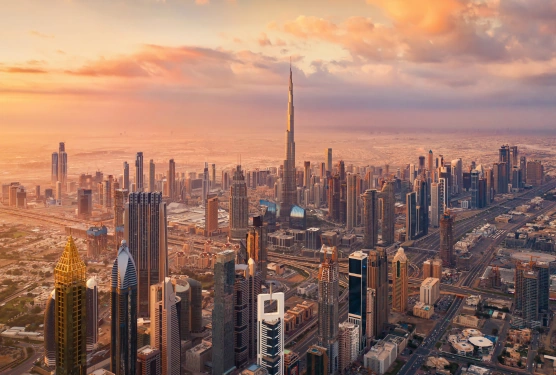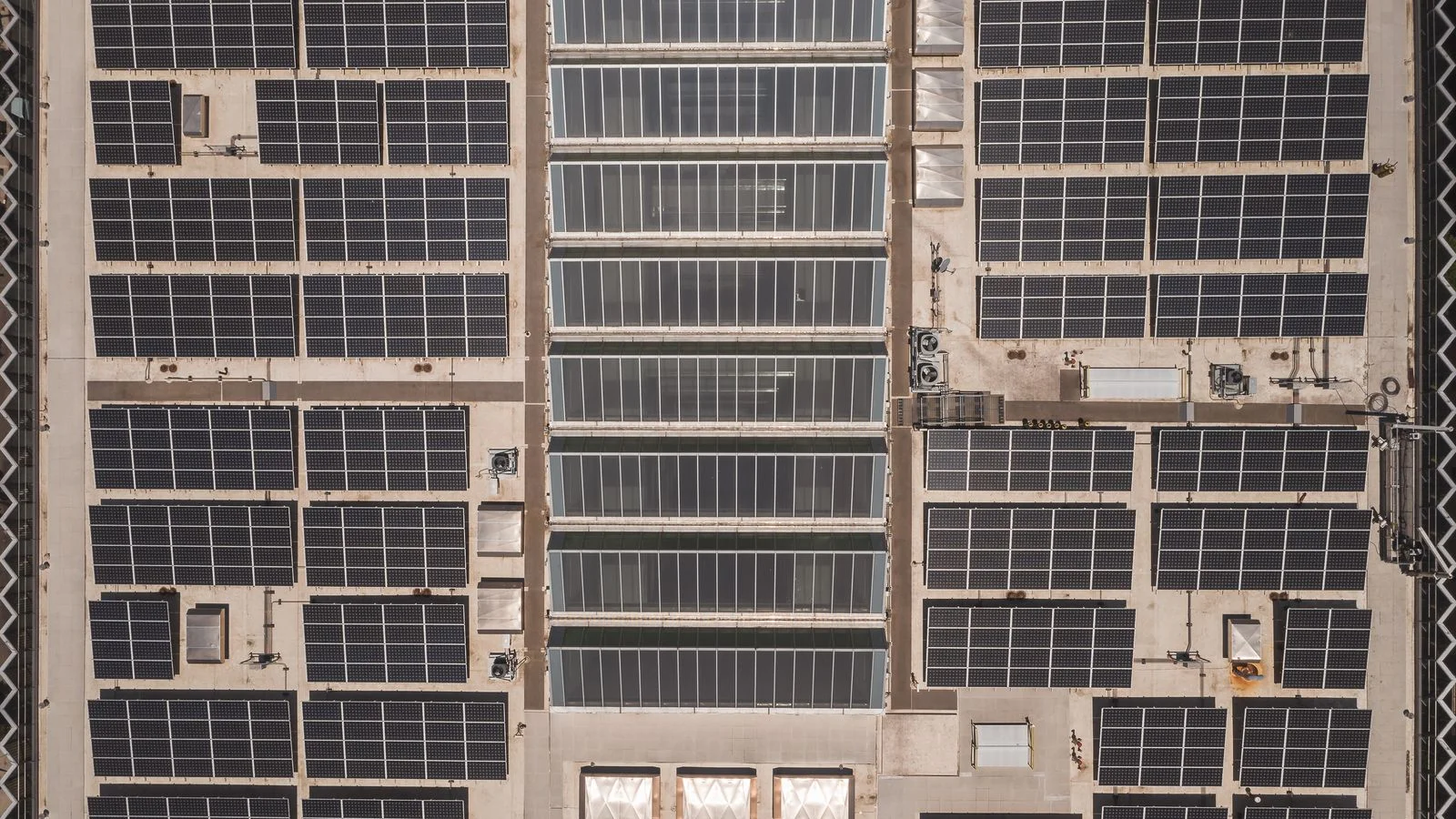
If you plan to install rooftop solar in Dubai, understand this before anything else: a trade licence does not let you connect a single panel to the grid. Only a company enrolled with DEWA as a solar PV contractor, with its own DEWA-certified staff on the payroll, may design, install and grid-connect solar under the Shams Dubai program. The licence creates the company. The DEWA enrolment is what lets you work, and it is a two-step gate that most guides skip past.
There is also a myth worth killing early, because it costs money. Plenty of setup blogs claim solar equipment and installation are VAT-free in the UAE. They are not. That is a UK and European rule copied across without checking. In the UAE there is no solar-specific zero-rating, so panels, inverters and installation are all standard-rated at 5%. A guide that tells you solar is VAT-free has not read the UAE VAT law, and following it will leave your pricing and your returns wrong.
This guide covers the DEWA Shams Dubai enrolment ladder, the certified engineer you must employ, how net metering actually pays, the equipment approvals, why free zones cannot do onshore installation, and the two tax points that catch solar firms. Since 2013, our team has set up technical and contracting companies across the UAE, so the traps here come from real files. This is a guide, not legal or tax advice on your specific licence.
Why does a trade licence not let you install solar?
Because grid-connected solar in Dubai runs through DEWA, and DEWA only lets enrolled contractors touch the grid. The Shams Dubai program is DEWA's framework that lets a building put PV on its roof, use the power on site, and export the surplus to the grid through a bi-directional smart meter. To do that work, your company must be a DEWA-enrolled solar PV contractor or consultant [1].
The step guides miss is that enrolment is two layers, not one:
- First, your company must already be enrolled with DEWA as a Contractor-Electrical or Consultant-Electrical. You cannot jump straight to solar.
- Then you apply to add the DRRG Solar PV contractor or consultant category on top of that electrical enrolment [1].
On top of the company enrolment, individual staff must personally pass DEWA's Solar PV Expert training and hold DEWA-issued certificates, and you need a graduate electrical engineer on your own visa to supervise the electrical works. DEWA reported certifying over 1,100 solar specialists in 2024, which tells you both that the scheme is active and that the certified-people requirement is real [1]. Without the enrolment and the certified team, your trade licence is a company that cannot legally connect anything.
Common Mistake: Assuming "get a solar trade licence, then use a DEWA-approved contractor" applies to you. That is advice for a building owner, not for a solar company. If you are the one installing, you must be the enrolled, certified contractor. The licence alone is not the business.
What is the difference between a solar consultant and a contractor?
They are two different DEWA enrolments for two different roles, and knowing which you are shapes your whole setup. A solar consultant designs the system and handles the DEWA design approval. A solar contractor installs the system and applies for the physical grid connection. A firm can enrol as one or both, but each sits on its own electrical enrolment and needs its own certified people [1].
The typical project sequence shows how they fit together:
- The building owner engages a DEWA-registered consultant to design and a contractor to install.
- Building permits are obtained from Dubai Municipality.
- The contractor applies for the solar PV connection through DEWA's builder portal.
- DEWA reviews and approves the design, and the system is installed using only DEWA-eligible equipment.
- DEWA inspects, fits the bi-directional smart meter, and energises the grid connection.
Decide upfront whether you are a designer, an installer, or both, because it changes which enrolments and which certified staff you need.
How does net metering actually pay?
In bill credits, never in cash, and this is worth being honest with your customers about. Under Shams Dubai net metering, the smart meter measures what the building imports and what it exports separately. If exports exceed imports in a billing period, the energy bill is zero and the surplus becomes a credit carried forward to the next period [1].
The point that marketing often blurs: those credits only offset future consumption. There is no feed-in tariff, no cheque from DEWA, and you cannot cash the credits out. So the customer pitch is a lower electricity bill and a payback period, not "sell power back to the grid for income." Getting this right in your sales conversations builds trust, and it stops you promising a revenue stream that does not exist.
Pro Tip: Sell the payback, not a fantasy income. In Dubai a residential system commonly pays back in roughly four to eight years and a commercial system faster, through bill reduction of anywhere from 30% upward, and recurring cleaning and maintenance in a dusty climate is a healthy, repeatable revenue line. Build your business on installation plus operations and maintenance contracts, not on imaginary grid income. Get a scoped plan for a solar business→
What equipment approvals do solar products need?
Two separate gates, and equipment must clear both before it can be installed. This trips up importers who assume one certificate covers everything.
- MoIAT conformity (ECAS or EQM). Solar panels and inverters are regulated products that must hold Emirates Conformity Assessment Scheme or Emirates Quality Mark certification, based on IEC standards, before they can be legally imported or sold [2]. This is the import gate.
- DEWA equipment eligibility. Separately, DEWA maintains its own list of eligible PV equipment. Panels and inverters that are not on DEWA's accepted list cannot be connected to the grid, even if they hold ECAS certification [1]. This is the connection gate.
So a product needs MoIAT conformity to enter the country and DEWA eligibility to go on a roof. Sourcing equipment that clears one but not the other leaves you with stock you cannot install.
Can I run a solar company from a free zone?
You can license it, but a free-zone solar company generally cannot install grid-connected solar on onshore Dubai buildings. This is the decision that shapes your structure.
DEWA contractor enrolment, and therefore the right to install and grid-connect rooftop solar for onshore Dubai buildings and to bid for DEWA-connected work, runs through a mainland DET licence. Because solar installation is a DEWA-enrolled contracting activity performed on local rooftops, the mainland company is the default vehicle rather than one option among several, and our mainland company setup page walks through the DET route a solar contractor needs, including the engineering and technical activity codes it shares with a construction company.
A free-zone entity suits equipment trading, manufacturing, research and development, or consultancy, but it is generally not the vehicle for self-performing onshore installation [1]. If your plan includes importing panels and inverters, distributing to other installers, or running a regional EPC arm that sells design and project management outside Dubai, a free-zone licence is the right home for that layer, and our free zone company setup page covers the zone options and the substance conditions attached to them. Energy-focused zones such as Masdar City free zone are a common base for the trading and R&D side. Many operators run exactly this pair: a mainland company for the licensed installation and EPC business, and a free-zone entity for importing or manufacturing equipment. Our free zone versus mainland guide covers the general trade-off, and our import and export guide covers the equipment side.
Is there any VAT break for solar in the UAE?
No, and this is worth stating plainly because so many pages get it wrong. There is no solar-specific or clean-energy VAT zero-rating in the UAE VAT law. Solar panels, inverters and installation and EPC services are all standard-rated at 5% [3].
The confusion comes from two places. First, the UK and parts of Europe zero-rate residential solar, and that rule gets copied into UAE content without checking. Second, the UAE does zero-rate the first supply of a new residential building, but that benefits the developer delivering new homes, not a company retrofitting solar onto an existing roof. Treat any claim that "solar is VAT-free in the UAE" as a signal the source has not checked the law. You charge 5% and recover input VAT on your costs. Our VAT registration and compliance guide covers the mechanics.
Does a solar company get the free-zone 0% corporate tax rate?
It depends on which part of the solar business you are in, and for most solar firms the answer is no. A free zone company only gets 0% on income from a Qualifying Activity under Ministerial Decision No. 229 of 2025, and the line runs right through the solar value chain [4]:
- Manufacturing solar equipment is a Qualifying Activity, so a free-zone solar-equipment manufacturer can potentially get the 0% rate on qualifying income, if it meets all the conditions.
- Installation, EPC contracting and consultancy are not Qualifying Activities, so a free-zone solar installer or consultancy is taxed at the standard 9% on that income.
So the common "set up in a free zone for 0% tax" pitch is backwards for an installer. Manufacturing can qualify; the installation and design business that most solar companies actually run does not. For everyone the standard regime applies: 0% on the first AED 375,000 of profit and 9% above, with Small Business Relief while revenue stays at or below AED 3 million, for periods up to the end of December 2029. Our corporate tax filing guide covers the conditions.
What does it cost, and is the market worth it?
Split the modest licence from the real requirements: the certified engineer and the equipment. Here is a realistic 2026 picture in AED.
| Item | Typical range (AED) |
|---|---|
| Mainland DET trade licence (solar install or consultancy) | 12,000 to 20,000 |
| Trade name and initial approval | 1,500 to 3,000 |
| DEWA electrical and DRRG solar enrolment | Budget for enrolment and document processing |
| DEWA Solar PV Expert certification | Currently free (DEWA may charge later) |
| Graduate electrical engineer (salary, on visa) | The key recurring hire |
| Office or small warehouse | 15,000 to 60,000+ |
| Tools, vehicle, and starter equipment | Scales with the model |
A lean consultancy or contractor might reach operation for roughly AED 60,000 to 150,000 in the first year, and a firm with a warehouse, install fleet and team more like AED 200,000 to 400,000. The market rewards the effort: Dubai has connected over 725 MW of rooftop solar across more than 8,400 buildings under Shams Dubai, and the UAE solar market is on a steep growth curve driven by the Clean Energy Strategy 2050 and the Mohammed bin Rashid Al Maktoum Solar Park [5]. The moat is the enrolment: being on DEWA's list of certified contractors is the differentiator, and the barrier to entry is the engineer and the certification, not heavy capital.
Is a solar energy company a profitable business in Dubai?
It can be, for operators who clear the DEWA enrolment and build recurring maintenance income on top of installation. Dubai gives you very high solar irradiance, cooling loads that dominate every electricity bill, and a government programme that actively wants rooftops filled. The limits are long sales cycles and commodity pricing on hardware.
Start with the demand side, because it is genuinely strong. The Dubai Clean Energy Strategy 2050 sets the direction, and the Shams Dubai rooftop programme is the mechanism that turns it into projects: DEWA has connected over 725 MW of rooftop solar across more than 8,400 buildings, and the pipeline keeps widening as the Mohammed bin Rashid Al Maktoum Solar Park anchors the utility-scale side [5]. Dubai sits in one of the highest-irradiance bands on the planet, so a panel here produces meaningfully more per year than the same panel in Europe. Air conditioning is the single largest driver of consumption in most Dubai buildings, and cooling peaks in the middle of the day when a rooftop array is producing hardest, which is the best possible match between generation and load. Commercial and industrial rooftops are where the volume sits: warehouse and logistics sheds in Jebel Ali, Dubai Investments Park and Al Quoz have thousands of square metres of flat, unshaded roof and a daytime load profile, which is a far better economic fit than a villa. The UAE's net-zero 2050 commitment also pushes large corporates and their landlords toward on-site generation for reporting reasons, not only for the bill saving. The same electrification push behind the EV charging station business is what makes solar a structural sector rather than a fashion.
Now the honest counterweight, because these are the three things that kill under-capitalised solar firms. First, sales cycles are long. A commercial rooftop deal typically involves the tenant, the landlord, a facilities manager and a finance approver, and six to twelve months from first meeting to signed contract is normal. Second, financing and payback objections stall deals: a landlord who does not pay the electricity bill has little reason to fund an array, and a tenant with three years left on a lease will not fund a system that pays back in five. Third, price competition on panel supply is brutal. Modules and inverters are globally traded commodities, so if you sell hardware you are competing against every importer in the market, and the margin is thin. The money is in the work around the panel, not the panel.
Quick Math: A commercial rooftop system priced per kilowatt-peak carries a design and install margin once, then a cleaning and monitoring contract that renews every year for the life of the array. In a dusty climate where soiling measurably cuts output, quarterly cleaning is not an upsell, it is a performance requirement the customer already accepts. Ten installed sites on annual O&M contracts produce predictable revenue that carries you through a quiet quarter of installation sales. Model your business on installed base under contract, not on jobs won this month.
The three routes into the sector carry very different requirements, and choosing between them decides your licence, your enrolment burden and your cash cycle.
| Solar business model | DEWA enrolment requirement | Capital intensity | Revenue model | Recurring revenue |
|---|---|---|---|---|
| Solar EPC and installation | Full ladder: Contractor-Electrical enrolment, then DRRG solar PV contractor, plus certified Solar PV Experts and a graduate electrical engineer | High: crew, tools, vehicles, and working capital tied up in panels between payment milestones | Project fee per kilowatt-peak, covering design, supply and installation | Only if you attach a maintenance contract at handover |
| Solar equipment trading and distribution | None for the trade itself, but stock must hold MoIAT conformity and sit on DEWA's eligible-equipment list to be usable by your installer customers | Moderate to high: inventory and warehousing, with cash sitting in stock | Margin on panels, inverters, mounting systems and cable | Repeat orders from installer accounts, but nothing contracted |
| Solar O&M and consultancy | Consultancy needs Consultant-Electrical plus the DRRG solar consultant category; cleaning and monitoring alone does not touch the grid | Low: people, access equipment and a vehicle | Annual contract per site or per kilowatt-peak, or design and approval fees per project | Yes, this is the recurring line |
The trading and distribution row is the one route that genuinely fits a free-zone base, because it is import, stock and resale rather than on-roof grid work, and our free zone company setup page covers the zones, the warehousing options and the substance conditions that come with a trading licence. The installation row stays mainland, for the reasons above.
Real Talk: The profitable solar companies in Dubai are not the ones with the cheapest panels. They are the ones with DEWA enrolment, a certified engineer who can get a design approved without three rounds of comments, and a book of maintenance contracts. Anyone can import modules. Very few can sign off a grid-connected design and keep an array producing at spec in year five.
What documents and steps does it take to start a solar company?
A DET licence, premises, then the DEWA ladder, in that order. The company paperwork is ordinary and quick. The DEWA electrical enrolment, the DRRG solar category on top of it, and the certified engineer are the long pole, and nothing about a fast licence shortens them. Plan the enrolment from day one.
Here is the document set to assemble, and it is worth gathering the DEWA-facing items before you need them rather than after you have won a job.
- Shareholder documents: passport copies and photographs for every shareholder and manager, plus Emirates ID and residence visa copies where the shareholder is already resident.
- Trade name reservation and DET initial approval: the reserved name and the initial approval covering the specific solar installation, maintenance or renewable energy consultancy activity you intend to run.
- Memorandum of Association: notarised, setting out the shareholding and the manager's authority.
- Ejari tenancy: an attested lease for the office, and a warehouse tenancy as well if you intend to hold panels, inverters and mounting stock rather than order per project.
- DEWA Shams Dubai enrolment file: the Contractor-Electrical or Consultant-Electrical enrolment application first, then the DRRG solar PV contractor or consultant application layered on top of it [1].
- Qualified electrical engineer: a graduate electrical engineer on your own company visa to supervise the electrical works, with degree attestation and experience certificates ready [1].
- Certified staff: technicians holding DEWA-issued Solar PV Expert certificates, obtained through DEWA's training [1].
- Approved equipment evidence: datasheets and certificates showing your panels and inverters carry MoIAT conformity and appear on DEWA's eligible PV equipment list [1][2].
- Civil Defence and Dubai Municipality approvals: building permits for the rooftop works and fire-safety sign-off where the design and the building type require it.
- Insurance: contractor all-risks and public liability cover, plus workmen's cover for crews working at height, which serious clients will ask to see before they let you on a roof.
The sequence matters more than the paperwork, because two of these steps cannot run in parallel.
| Step | Realistic timeline |
|---|---|
| Trade name, DET initial approval and mainland licence issue | 1 to 3 weeks |
| Ejari office lease, plus warehouse if you are holding stock | 1 to 3 weeks, in parallel with the licence |
| DEWA Contractor-Electrical or Consultant-Electrical enrolment | The long pole, plan in months rather than weeks |
| DRRG solar PV category added on top of the electrical enrolment | Only after the electrical enrolment clears, not alongside it |
| Graduate electrical engineer hired, technicians certified as Solar PV Experts | Runs in parallel, gated by hiring and DEWA training availability |
| First Shams Dubai project: design submission and DEWA approval | Weeks per project, and faster once your team knows the builder portal |
| Installation, DEWA inspection, smart meter fitting and energisation | Weeks after approval, subject to passing inspection |
Based on our experience, founders budget three weeks for the whole thing because that is how long a trade licence takes, then lose a season to the DEWA enrolment ladder while a signed customer waits. The realistic planning assumption is that the licence is the quick part and the enrolment is the project. Start the electrical enrolment file while the licence is still being issued, and hire the engineer before you need him rather than after a client asks who is signing the design. Talk to a setup expert→ to get the licence, the activity codes and the DEWA enrolment sequence mapped in the right order.
What are the ongoing costs and compliance for a solar company?
Annual renewals, DEWA enrolment upkeep, certification currency and the standard tax filings, all running for the life of the business. None of it is large individually. Together it is a real annual cost line, and a lapse in the DEWA enrolment stops you working in a way a lapsed office lease does not.
The recurring items to budget for from year one:
- Trade licence and Ejari renewal. The DET licence and the tenancy both renew annually, and the licence renewal is conditional on a valid lease, so a gap in one blocks the other.
- DEWA enrolment renewal. The electrical enrolment and the DRRG solar category carry their own renewal and compliance cycle, separate from the trade licence. Confirm the current renewal period and documentation with DEWA, because this is the registration your ability to work depends on.
- Engineer and technician certification. The graduate electrical engineer sits on your visa as a recurring salary, and your Solar PV Expert certified technicians have to stay certified. If a certified technician resigns, you replace the certificate as well as the headcount, so retention is a compliance issue and not only an HR one.
- Equipment approval updates. DEWA's eligible PV equipment list is not static. Models are added and superseded, so the panel and inverter you specified two years ago may not be the one you can connect today. Re-check the list before every procurement round rather than reusing an old bill of materials.
- Insurance renewals. Contractor all-risks, public liability and staff cover renew annually, and premiums track your crew size and project values.
- VAT filing. You charge 5% on equipment and on installation, recover input VAT on your costs, and file on your assigned cycle once registered [3].
- Corporate tax and the annual return. Registration and filing are required regardless of whether tax is payable, with 0% on the first AED 375,000 of taxable income and 9% above [4].
- UBO filings. The ultimate beneficial owner register must be kept current and notified whenever shareholding changes. The Economic Substance notification that used to sit alongside it was cancelled for financial years ending after 31 December 2022.
That is a lot of dates to track alongside running crews and chasing approvals, which is precisely where solar firms slip. Our post-setup services cover exactly this stack, the licence and Ejari renewals, the visa and establishment-card cycle, VAT and corporate tax filing and the UBO obligations, so your team keeps its attention on DEWA approvals and installed capacity rather than on renewal calendars.
Can you open a corporate bank account for a solar energy company?
Yes, and a solar company is a straightforward file for a UAE bank, but not remotely and not instantly. UAE banks do not open fully remote corporate accounts. Expect in-person know-your-customer meetings with the shareholders and the authorised signatory, full source-of-funds questions, and a wait measured in weeks rather than days once the file is submitted.
What moves a solar file faster is evidence that the business is real and operating. Bring the trade licence with the correct solar activity, the Ejari, the Memorandum of Association, shareholder passports and Emirates IDs, and a short business plan with projected turnover. Then bring the two things specific to this sector: your DEWA enrolment status, which shows a compliance officer that the company is authorised to perform the work it says it performs, and signed project contracts or purchase orders, which show where the money will actually come from. A solar company that can show a DRRG enrolment and two signed rooftop contracts is a far easier approval than one presenting a licence and an intention.
Pro Tip: Open the account before you need it to receive a client's first milestone payment. Solar projects run on staged payments against installation milestones, so a delayed account holds up cash you have already spent on panels. Plan for a maintained minimum balance, and expect the bank to ask about equipment imports and overseas supplier payments if you are buying modules directly, because those transfers will show up on the account from month one.
Real Client Stories
The installer who could not connect his first job. A founder set up a solar trade licence and won a villa rooftop job, then discovered he could not apply for the DEWA connection because the company was not enrolled as an electrical contractor, let alone a DRRG solar contractor, and had no DEWA-certified staff. The job stalled. We built the enrolment ladder and got the engineer certified. The licence was never the thing that let him work.
The VAT that was quoted at zero. A client had been quoting customers with no VAT on solar installations, having read that solar is VAT-free in the UAE. It is not; installation is standard-rated at 5%. He had under-collected on several jobs and had to absorb the difference. Once corrected, his pricing was right and he still recovered input VAT. The UK rule he had copied did not apply here.
The free-zone tax assumption. A client set up a free-zone solar installation company expecting 0% corporate tax. Installation is not a Qualifying Activity, so the income was taxable at 9%, and the free-zone base could not perform the onshore DEWA-connected work he wanted anyway. He moved the installation business to a mainland structure. The activity, not the address, decided both the tax and the ability to work.
Set up your Dubai solar company with the DEWA path mapped
Solar rewards operators who plan for the DEWA enrolment and the certified team, and it frustrates those who treat it as a simple trade licence. Since 2013, BusinessDubai.ae has completed 700+ company registrations across the UAE, including technical and contracting companies. We will help you choose the mainland structure that supports DEWA enrolment, license the right solar activity for installation, consultancy or trading, plan the electrical and DRRG solar enrolment ladder and the certified engineer, get your equipment past both the MoIAT and DEWA gates, and get the VAT and corporate tax treatment right, all with clear itemised pricing. We work alongside your technical team and tax advisers. Talk to a setup expert→ for a plan built around your solar model. Our green business license guide covers the wider sustainability sector, our import and export guide covers the equipment supply chain, and post-setup services covers ongoing renewals and compliance.
Frequently Asked Questions
How do I start a solar energy company in Dubai?
Set up a mainland company with a solar activity, then enrol with DEWA, first as an electrical contractor or consultant, then in the DRRG solar PV category, with DEWA-certified staff and a graduate electrical engineer on your visa. The DEWA enrolment, not the licence, is what lets you install [1].
Do I need DEWA approval to install solar panels in Dubai?
Yes. Only a DEWA-enrolled solar PV contractor may design, install and grid-connect solar under Shams Dubai, using DEWA-certified staff. A trade licence alone does not authorise any grid connection [1].
How do I become a DEWA-approved solar contractor?
Your company must first be enrolled with DEWA as a Contractor-Electrical, then apply to add the DRRG Solar PV contractor category, and employ staff who have passed DEWA's Solar PV Expert certification plus a graduate electrical engineer [1].
What is the difference between a DEWA solar consultant and contractor?
A consultant designs the system and handles DEWA design approval; a contractor installs it and applies for the grid connection. Each is a separate DEWA enrolment on its own electrical enrolment, and a firm can hold one or both [1].
Do I need an electrical engineer for a solar company?
Yes. DEWA requires a graduate electrical engineer on the company's visa to supervise electrical works, alongside staff certified as Solar PV Experts. This qualified team is the real barrier to entry, not capital [1].
Is the DEWA Solar PV certification free?
The Solar PV Expert training is currently provided free of charge by DEWA, though DEWA reserves the right to introduce a fee. Your staff must pass it to be certified before you can complete grid connections [1].
How does Shams Dubai net metering work?
A bi-directional smart meter measures import and export separately. Surplus exported energy becomes a bill credit carried to the next period. It offsets future consumption only; there is no cash payout or feed-in tariff [1].
Can a free zone company install rooftop solar in Dubai?
Generally no. Grid-connected onshore installation and DEWA contractor enrolment run through a mainland DET licence. Free zones suit equipment trading, manufacturing or consultancy, not self-performed onshore installation [1].
Is solar equipment VAT-free in the UAE?
No. There is no solar-specific VAT zero-rating in the UAE. Panels, inverters and installation are standard-rated at 5%. The "solar is VAT-free" claim is a UK and European rule wrongly copied into UAE content [3].
Does a solar company pay corporate tax?
Yes, at the standard 9% above AED 375,000. Manufacturing solar equipment can be a Qualifying Activity eligible for 0% in a free zone, but installation, EPC and consultancy are not, so most solar firms pay 9% [4].
What equipment approvals do solar panels need?
Two gates: MoIAT conformity (ECAS or EQM) to be legally imported, and inclusion on DEWA's PV equipment eligibility list to be connected to the grid. Equipment must clear both [1][2].
How much does it cost to start a solar business in Dubai?
A lean consultancy or contractor might reach operation for roughly AED 60,000 to 150,000 in the first year, and a firm with a warehouse, fleet and team more like AED 200,000 to 400,000. The key recurring cost is the certified engineer [5].
Is a solar installation business profitable in Dubai?
It can be. Dubai has connected over 725 MW of rooftop solar across 8,400-plus buildings, and the market is growing fast. Margins are thin on hardware but healthier on installation and recurring cleaning and maintenance in a dusty climate [5].
What is the activity for a solar company in Dubai?
Solar work is licensed under technical and contracting activities such as solar energy systems installation and maintenance, or renewable energy consultancy for design. Confirm the exact activity and code on the DET list, as they map to your DEWA enrolment.
Can I sell electricity back to the grid in Dubai?
Not for cash. Shams Dubai net metering credits surplus exported energy against your future consumption on the DEWA bill. There is no feed-in tariff or cash payment for exported power [1].
Which equipment can I install?
Only equipment on DEWA's PV eligibility list that also holds MoIAT ECAS or EQM conformity. Kit that clears one gate but not the other cannot lawfully be installed and connected [1][2].
How long does DEWA solar enrolment take?
It varies with the completeness of your electrical enrolment, the DRRG solar application, and getting staff certified as Solar PV Experts. Plan the enrolment ladder and certification as distinct steps after the trade licence.
What is the payback period for solar in Dubai?
For customers, a residential system commonly pays back in roughly four to eight years and commercial systems faster, through electricity bill reduction. This payback, not any grid income, is the customer sales case [5].
Do I need a mainland licence for a solar business?
For grid-connected onshore installation and DEWA contractor enrolment, yes. A mainland DET licence is the route to enrol with DEWA and work on Dubai buildings. Free-zone entities are limited to trading, manufacturing or consultancy [1].
What is the UAE solar market size?
The UAE solar market was worth around USD 3.2 billion in 2025 and is projected to grow strongly through the next decade, supported by the Clean Energy Strategy 2050 and the Mohammed bin Rashid Al Maktoum Solar Park [5].
Does manufacturing solar equipment get better tax treatment?
Potentially. Manufacturing is a Qualifying Activity, so a free-zone solar-equipment manufacturer can be eligible for the 0% corporate tax rate on qualifying income if it meets the conditions, unlike an installer or consultancy [4].
What are the DEWA Shams Dubai enrolment categories?
Two, and they sit on separate electrical enrolments. A DRRG Solar PV Consultant designs systems and handles DEWA design approval, and a DRRG Solar PV Contractor installs and applies for the grid connection. Each is added on top of a Consultant-Electrical or Contractor-Electrical enrolment, and a firm may hold one or both [1].
How does DEWA credit excess solar generation in Dubai?
Through net metering on a bi-directional smart meter. Exported surplus is netted against imported energy in the billing period, and if exports exceed imports the bill is zero and the surplus carries forward as a credit against future consumption. Credits offset energy use only, with no cash payment and no feed-in tariff [1].
Where do I find DEWA's approved solar equipment list?
DEWA publishes its eligible PV equipment list through its Shams Dubai builder resources, and only panels and inverters on that list may be grid-connected. The list changes as models are added and superseded, so check it before each procurement round rather than reusing an older bill of materials [1].
Who can sign off a solar system design in Dubai?
A DEWA-enrolled solar PV consultant, supported by a graduate electrical engineer on the company's visa who supervises the electrical works. A designer without the DRRG consultant enrolment cannot submit a design for DEWA approval, however qualified the individual is [1].
What is the payback difference between residential and commercial solar in Dubai?
Commercial systems typically pay back faster. A villa runs its heaviest load in the evening, while a warehouse or office consumes most of its power during the day when the array is producing, so more of the generation is self-consumed at full value. Residential systems commonly pay back in roughly four to eight years, with commercial faster [5].
Can I install off-grid or battery solar systems in Dubai?
Shams Dubai is specifically a grid-connected net metering programme, so a battery or off-grid design sits outside it and its treatment must be confirmed with DEWA before you quote it. In a city with reliable grid supply and no cash export payment, most Dubai customers are better served by a grid-tied system than by storage [1].
Is solar better on villas or on warehouses in Dubai?
Warehouses, on the economics. Industrial and logistics roofs offer large unshaded flat areas, one decision-maker per site, a daytime load profile and repeat work across a portfolio, while villas are small jobs with long individual sales cycles. Villas are viable volume work, but commercial and industrial rooftops are where the capacity sits.
Should a solar company sell maintenance contracts?
Yes, and they are what makes the business durable. Dust soiling measurably reduces output in this climate, so cleaning, monitoring and inverter servicing are performance requirements customers accept rather than upsells. An annual contract per site turns one-off installation revenue into a recurring line that carries you through slow quarters.
References
[1] DEWA Shams Dubai program, DRRG Solar PV Consultant and Contractor enrolment (two-step electrical then solar enrolment), Solar PV Expert certification, net metering, and PV equipment eligibility. DEWA and DEWA DRRG enrolment
[2] MoIAT product conformity for solar equipment: ECAS and EQM certification based on IEC standards required to import or sell panels and inverters. SGS ECAS and EQM guidance
[3] VAT treatment under Federal Decree-Law No. 8 of 2017: no solar-specific zero-rating; solar equipment and installation are standard-rated at 5%. UAE VAT legislation
[4] Ministerial Decision No. 229 of 2025 on Qualifying and Excluded Activities: manufacturing is a Qualifying Activity, but installation, contracting and professional consultancy are not. Ministry of Finance and PwC analysis
[5] Dubai rooftop solar connected under Shams Dubai (over 725 MW across 8,400-plus buildings), UAE solar market size and growth, and the Clean Energy Strategy 2050 and Mohammed bin Rashid Al Maktoum Solar Park. DEWA news and MBR Solar Park