A physiotherapy and rehabilitation centre in Dubai is a health facility, not a gym or a spa, and that classification decides everything about how you set it up. It sits under the Dubai Health Authority's health-facility regime, licensed through Sheryan, not under a fitness or wellness trade licence [1][5]. You cannot open by renting a unit and buying treatment tables; you need a DHA facility licence, individually DHA-licensed physiotherapists, a medical director, a compliant fit-out, connection to the health-information network and a physical inspection before you treat a single patient.
There is also a scope line that founders and clients both misread. A physiotherapist cannot diagnose medical conditions or prescribe medication, which is a physician's role, and much physiotherapy access and insurance reimbursement runs off a physician referral [2][3]. Understanding what a physiotherapist may and may not do, and how that interacts with insurance, is central to both the licence and the revenue model.
This guide covers the DHA facility licensing, the scope and modalities, the DHCC alternative, ownership, and why medically necessary physiotherapy is zero-rated while wellness services are not. Since 2013, our team has set up healthcare and regulated companies across the UAE, so the traps here come from real files. This is a guide, not medical, legal or tax advice on your specific centre.
Why is a physiotherapy centre a health facility, not a gym?
Because physiotherapy is a clinical health activity, and DHA regulates it as one. The moat is the DHA health facility licence through Sheryan, categorised specifically as a rehabilitation or physiotherapy centre, a named DHA facility category separate from a general clinic [1][5][8]. A fitness, wellness or spa licence does not authorise physiotherapy, and the two-track requirement, a facility licence plus individually licensed clinicians, must both clear before you see a patient.
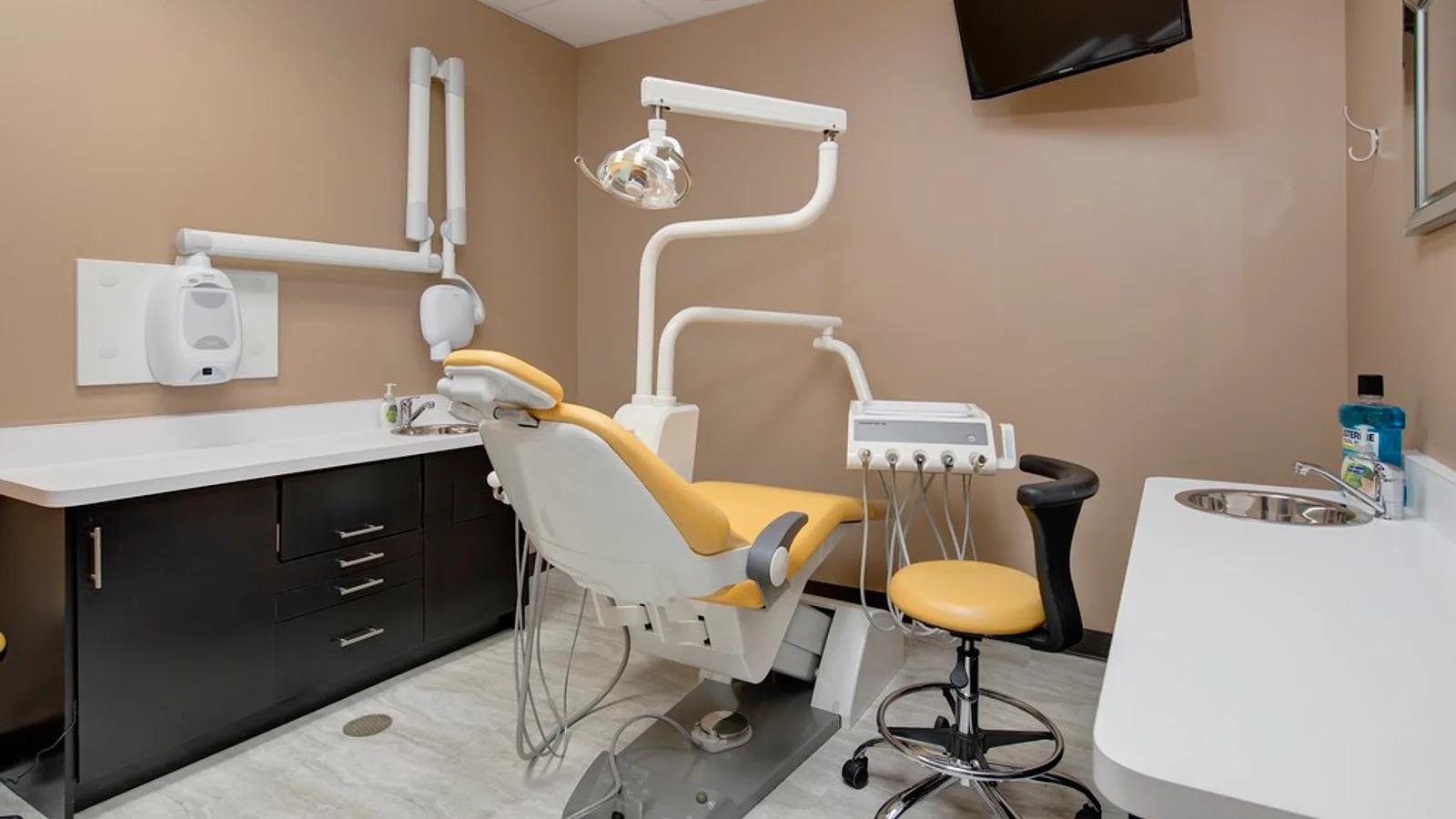
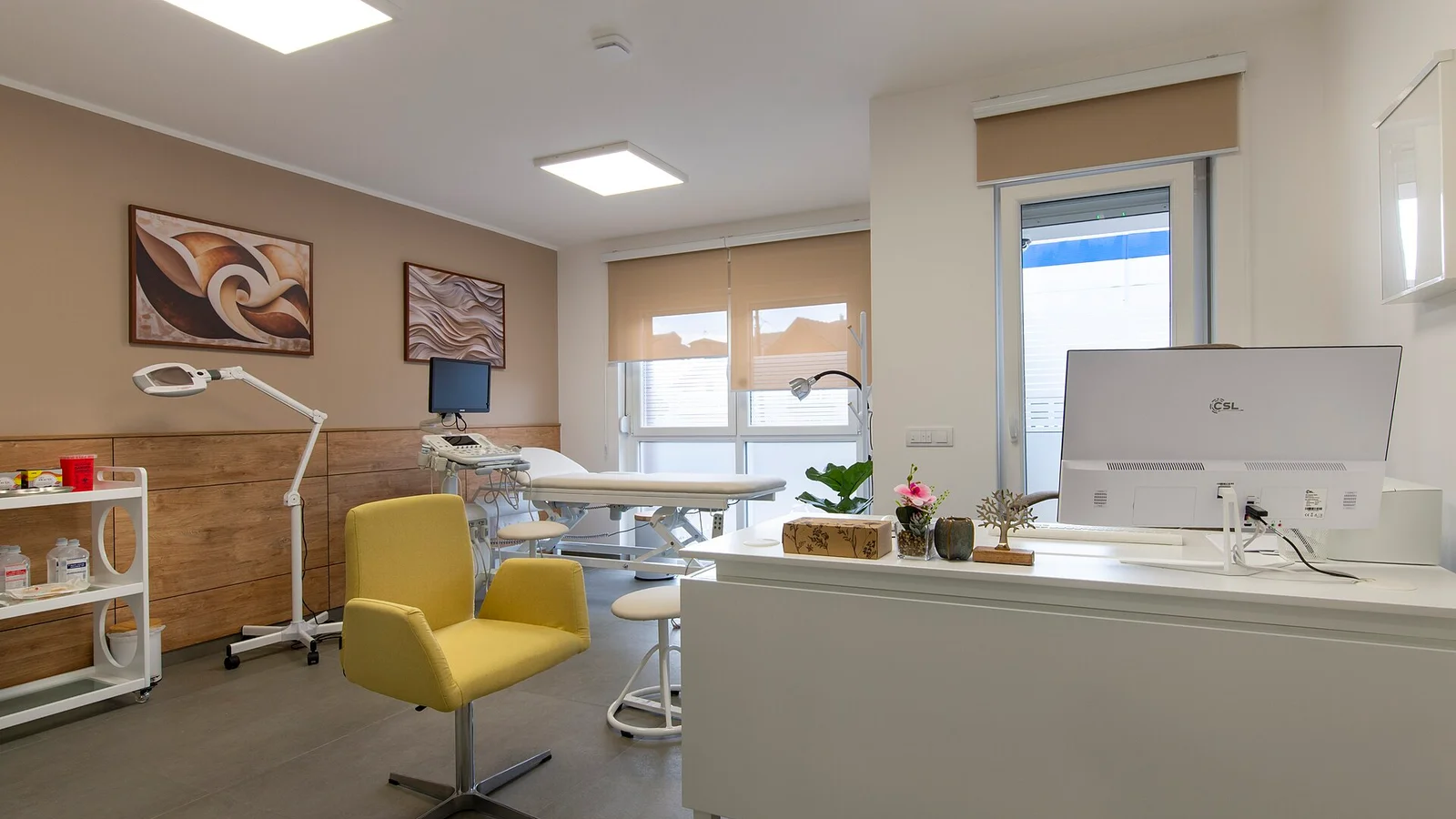
On the facility side, the process is staged: an initial approval valid for around six months, then a fit-out to the DHA Health Facility Guidelines with treatment cubicles, an exercise or rehabilitation gym area, reception, storage and clinical-waste handling, then a DHA inspection alongside a Civil Defence check, then activation [1][4]. The centre must also connect a NABIDH-compliant electronic record to Dubai's health-information exchange before the licence activates and to keep it valid [5]. And it must appoint a person-in-charge or medical director, a DHA-licensed senior physiotherapist or physician, who carries clinical responsibility distinct from the owner. Our general medical clinic guide covers the wider facility mechanics; this one focuses on what makes physiotherapy its own case, and our gym and fitness guide covers the fitness side, which is a genuinely different licence.
Common Mistake: Planning a physiotherapy centre as a gym or wellness studio with a therapist. It is a DHA health facility needing a facility licence, HFG-compliant fit-out, NABIDH connectivity, a medical director and individually licensed physiotherapists. A fitness or spa trade licence does not authorise physiotherapy, and treating patients without the DHA licence is unlawful.
What can a physiotherapist do, and not do?
Assess, plan and treat, but not diagnose or prescribe, and this scope line is the spine of the business. Physiotherapist scope in Dubai is assessment, treatment planning, rehabilitation interventions and patient education; physiotherapists cannot diagnose medical conditions or prescribe medication, which is a physician's role [2][3]. On referral, physiotherapy is typically accessed via physician referral, and whether a patient strictly needs one is heavily driven by the insurance plan, since most insurers require a documented referral and medical necessity to reimburse.
Scope also separates the disciplines. Physiotherapy, sports medicine, chiropractic and osteopathy are each a separate DHA scope and licence, and a physiotherapy licence does not authorise the others, so a multidisciplinary centre must hold the correct facility scope and employ separately licensed practitioners for each [2]. Modalities such as electrotherapy, ultrasound and shockwave fall within physiotherapy scope when the practitioner is competent, but dry needling requires specific documented additional certification, not automatically covered by the base licence [2]. Confirm the current DHA direct-access position and any dry-needling credentialing with DHA. The scope discipline is not bureaucracy; it is what keeps the centre and its clinicians compliant.
Real Talk: The referral and medical-necessity workflow is commercially essential, not just clinical. Most physiotherapy revenue is insurance-funded, and insurers reimburse medically necessary physiotherapy, typically a capped number of sessions a year, only with a documented referral and treatment plan. A centre that treats without that documentation risks non-payment and a VAT problem. Build the referral and medical-necessity documentation into the workflow from day one. Get your physiotherapy centre setup scoped properly→

How are the physiotherapists licensed?
Individually, through DataFlow and a Prometric exam, and each must be DHA-licensed before practising. Every physiotherapist, including the medical director, needs a valid DHA professional licence, reached through DataFlow primary-source verification of the degree, experience and good standing, then a Prometric computer-based exam, then licensing linked to the facility [3][5]. The full practitioner journey commonly takes a few months.
On qualifications, physiotherapists need a recognised physiotherapy degree with internship, and under the current professional-qualification framework fresh graduates can now qualify without prior experience in some cases, so confirm the live requirements on Sheryan [3]. The facility licence does not cover the clinicians; each is licensed separately and linked to the centre. So recruiting and licensing the physiotherapists, and the medical director in particular, is part of the critical path to opening, not a step you take after the fit-out. The people are as gated as the premises.
DHA or Dubai Healthcare City, and can a foreigner own it?
Two regulators, and yes, you can own it fully. A mainland centre is regulated by DHA through Sheryan and registered with DET. A centre inside the Dubai Healthcare City (DHCC) free zone is regulated instead by DHCC's own authority, whose independence was reaffirmed by Dubai Law No. 16 of 2024, with its own licences, scopes and fees, and a licence from one regulator is not automatically recognised by the other [6]. You pick the jurisdiction where you physically operate. Because that single choice fixes your regulator, your ownership route and your fee schedule, it is worth reading both structures before you commit: our mainland company setup page covers the DET route a mainland DHA centre needs, while the free zone company setup page explains the DHCC alternative, since DHCC is a healthcare free zone with its own regulator rather than a DHA jurisdiction. Our free zone versus mainland guide covers the trade-offs.
On ownership, healthcare facilities allow 100% foreign ownership on the mainland following the 2021 reforms, with no Emirati partner required for most healthcare activities, and DHCC offers full ownership in the free zone [5]. A non-medical investor can own the centre, but clinical authority is ring-fenced: the business must appoint a DHA-licensed medical director or person-in-charge who is clinically accountable [1][5]. The owner need not be a licensed physiotherapist, but the licensed clinical team, and the medical director, are the real constraint, not the shareholding.
How is a physiotherapy centre taxed?
Standard corporate tax, and a VAT line that favours medically necessary care. On corporate tax, the centre pays 0% on taxable income up to AED 375,000 and 9% above, with Small Business Relief for revenue up to AED 3 million for tax periods ending on or before 31 December 2029 [7]. Our corporate tax filing guide covers the mechanics.
VAT turns on medical necessity. Physiotherapy and rehabilitation that is medically necessary and supplied by a licensed facility is zero-rated at 0% under Article 41 of the VAT executive regulations, on the condition that the recipient of the supply is the patient being treated; if billed to a third party who is not the patient, it becomes standard-rated at 5% [7]. Purely wellness, cosmetic or non-medically-necessary services, a general relaxation massage or fitness coaching with no clinical indication, are standard-rated at 5%. So a centre offering both must split its billing, medically necessary physiotherapy at 0% and wellness at 5%, and document the medical necessity, the assessment notes, treatment plan and referral, to defend the zero-rating. Our VAT registration and compliance guide covers the mechanics, and confirm borderline items with a tax adviser.
What does it cost, and is it worth it?
The trade licence is modest; the fit-out, equipment and clinical team dominate. Here is a realistic 2026 picture in AED, all figures approximate and worth confirming against current schedules.
| Item | Typical range (AED) |
|---|---|
| DET trade licence (healthcare professional activity) | 10,000 to 15,000 |
| DHA facility licence (staged) | 5,000 to 40,000 |
| Medical fit-out to HFG spec | 200,000 to 500,000 |
| Equipment (tables, electrotherapy, shockwave, rehab gym, hydrotherapy if offered) | 100,000 to 1,000,000+ |
| NABIDH-compliant record integration | 8,000 to 25,000 |
| Per-physiotherapist licensing (DataFlow, Prometric, DHA) | 5,000 to 10,000 each |
An indicative total initial investment commonly lands around AED 250,000 to 500,000 or more, higher if you add hydrotherapy or a large rehabilitation gym. The demand case is unusually structural.
Quick Math: The demand drivers are durable: a rising sports-injury load in Dubai's active, expat demographic, post-surgical rehabilitation, chronic pain and musculoskeletal conditions, stroke and neurological rehab, and a rapidly ageing population, with the UAE's over-65 share projected to rise sharply toward 2050. Insurance is the commercial backbone: most plans cover physiotherapy with a referral, typically a capped number of sessions a year, with a modest co-pay, and self-pay sessions run higher. That insurance dependence is exactly why the referral and medical-necessity workflow is essential to both revenue and the zero-rating.
Is a physiotherapy centre a good business in Dubai?
The demand case is one of the more durable in Dubai healthcare, because it is driven by several structural trends at once rather than a single fashion. Dubai has a young, active, expat-heavy population that generates a steady sports-injury load from running, padel, football, cycling and gym training, and those patients need rehabilitation to get back to activity. On top of that sit post-surgical rehabilitation after orthopaedic and other procedures, chronic pain and musculoskeletal conditions from desk work, and stroke and neurological rehabilitation. The slower-moving driver is age: the UAE's over-65 share is projected to rise sharply toward 2050, and an older population needs far more physiotherapy for mobility, falls prevention and post-operative recovery. None of these drivers is seasonal, which is why physiotherapy is a recurring-revenue business rather than a one-off-treatment one.
The commercial backbone is insurance. Most health plans in Dubai cover physiotherapy when there is a physician referral and documented medical necessity, usually a capped number of sessions a year with a co-pay, and self-pay sessions sit above the insured rate. That means a centre with strong referral relationships to orthopaedic surgeons, sports-medicine physicians and GPs has a repeatable pipeline of insured patients, which is worth far more than walk-in traffic. It also means the referral and medical-necessity paperwork is not just clinical hygiene; it is what gets the centre paid and what protects the VAT zero-rating.
The table below places a physiotherapy centre against the two businesses founders most often confuse it with, so you can see why the regulator and the tax line matter.
| Business | Regulator | Capital intensity | VAT on core service |
|---|---|---|---|
| Physiotherapy centre | DHA health facility (Sheryan) | High (HFG fit-out, equipment, licensed clinicians) | Zero-rated when medically necessary |
| Gym or fitness studio | DET, sports-and-fitness activity | Low to moderate | Standard-rated 5% |
| Home healthcare provider | DHA, separate facility category | Moderate (staff and logistics, no clinic premises) | Zero-rated when medically necessary |
Based on our experience, the operators who do well here treat the referral network and insurance approvals as the real asset and the clinical outcomes as the marketing, rather than competing on price against gyms and wellness studios that are not even regulated the same way. Because a physiotherapy centre is a mainland-or-DHCC decision before it is anything else, it is worth reading our mainland company setup page alongside the DHA route so the structure is right from the start.
What documents and steps does it take to open a physiotherapy centre?
A DET company, a DHA facility licence and a licensed clinical team, in roughly that order, though the licensing of the physiotherapists and the medical director runs in parallel because it is the slowest part. The paperwork is heavier than an ordinary trade licence because DHA approves the premises, the record system and the people, not just the entity. A realistic document checklist looks like this.
- Company documents: shareholder passport copies and photos, the reserved trade name, DET initial approval for the healthcare professional activity, the Memorandum of Association, and an Ejari tenancy for the clinic premises.
- Facility documents: the DHA facility application through Sheryan for a rehabilitation or physiotherapy centre, the floor plan and fit-out drawings for the DHA Health Facility Guidelines review, and the clinical-waste and infection-control arrangements.
- People: the DHA-licensed medical director or person-in-charge, a senior physiotherapist or physician who is clinically accountable, and each physiotherapist's DataFlow verification, Prometric result and DHA professional licence linked to the facility.
- Systems: the NABIDH-compliant electronic medical record and its connection to Dubai's health-information exchange.
- Approvals: the DHA facility inspection and the Civil Defence fire-safety inspection before activation.
The timeline is where founders underestimate the project, because the trade licence is quick and the clinical licensing is not.
| Step | Typical timeline |
|---|---|
| DET company and healthcare activity, DHA initial approval | 1 to 3 weeks |
| Fit-out to the DHA Health Facility Guidelines, treatment cubicles and rehab gym area | 1 to 3 months |
| Physiotherapist and medical director licensing (DataFlow, Prometric, DHA) | A few months, run in parallel |
| NABIDH connectivity and clinical-record integration | Alongside the fit-out |
| DHA facility inspection and Civil Defence check | Before activation |
| Facility licence activation and go-live | On passing inspection |
The clinical team and the fit-out are the two long poles, so start recruiting and running DataFlow on the medical director early, because a finished clinic with no licensed clinicians cannot open. Get your physiotherapy centre setup and timeline mapped→
What are the ongoing costs and compliance for a physiotherapy centre?
Annual renewals, DHA compliance, insurance paperwork and the standard tax filings, all of which run for the life of the centre. The DET licence and the Ejari renew annually, the DHA facility licence carries its own renewal cycle, and every physiotherapist and the medical director must keep an active DHA professional licence, so a clinician who lapses or leaves must be re-licensed or replaced before they treat. The NABIDH connection is not a one-time setup either; it must stay live and compliant to keep the facility licence valid, and it carries a recurring cost.
The compliance that separates a physiotherapy centre from most businesses is the documentation that ties clinical necessity, insurance reimbursement and VAT together. Each treated patient needs a referral where the plan requires one, an assessment, a treatment plan and session notes that establish medical necessity, because that same file is what the insurer relies on to pay the claim and what defends the zero-rating if the FTA ever asks. A centre that treats first and documents later risks non-payment and a VAT reclassification at once. Equipment adds its own running line: electrotherapy, ultrasound, shockwave and any hydrotherapy plant must be maintained, calibrated and safety-checked to the DHA Health Facility Guidelines, which is a scheduled cost, not an occasional one.
On tax, the centre registers for corporate tax and files annually at 0% up to AED 375,000 of taxable income and 9% above, and it must handle a mixed VAT position: medically necessary physiotherapy zero-rated at 0% with the patient as recipient, and wellness or non-clinical services standard-rated at 5%, which means split billing and partial-input-VAT thinking rather than a single rate. That combination of professional renewals, NABIDH, insurance documentation and mixed VAT is exactly the recurring work our post-setup services handle, so the centre stays licensed and correctly filed while you focus on patients. Budget for these renewals and the compliance workload from year one rather than treating them as an afterthought.
Can you open a corporate bank account for a physiotherapy centre?
Yes, and a licensed DHA health facility is a credible account for a UAE bank, but expect the standard onboarding rather than an instant or fully remote account. A mainland physiotherapy centre opens a corporate account with a local bank once the DET licence and, ideally, the DHA facility licence are in place, and the bank runs full know-your-customer checks on the shareholders, the activity and the expected turnover, usually with an in-person meeting and the licence and tenancy in hand. There is no fully-remote account opening for a physical, regulated clinic.
Practically, a clear picture of the business helps the account move faster: the DHA facility licence, the insurance-network approvals you are pursuing, and realistic patient-volume and revenue projections all reassure a compliance team. Because most of the centre's income arrives from insurers on payment terms rather than as cash on the day, getting the banking and payment setup right early matters, both to smooth the working-capital gap between treating a patient and being reimbursed, and to keep insured, self-pay and any wellness revenue cleanly separated for the mixed VAT position. A maintained minimum balance is normal, so factor it into the opening budget.
Real Client Stories
The wellness studio that needed a DHA licence. A client planned a physiotherapy centre on a wellness trade licence, as if it were a spa. Physiotherapy is a DHA health activity needing a facility licence, licensed physiotherapists, a medical director and NABIDH. We took him through the DHA route. A wellness licence does not authorise treating patients.
The therapist who could not diagnose. A centre expected its physiotherapists to assess, diagnose and manage patients end to end. Physiotherapists can assess, plan and treat but cannot diagnose or prescribe, and much access runs off a physician referral. We built the referral workflow in. The scope line protects the licence and the insurance claims.
The massages billed as zero-rated. A centre treated all its services as zero-rated healthcare, including relaxation massages with no clinical indication. Only medically necessary physiotherapy with the patient as recipient is zero-rated; wellness services are 5%. We split the billing and documented medical necessity. The VAT line turns on whether the care is medically necessary.
Set up your Dubai physiotherapy centre the right way
A physiotherapy centre rewards founders who plan the DHA licensing, the scope and the medical-necessity workflow properly, and it punishes those who treat it as a gym or spa. Since 2013, BusinessDubai.ae has completed 700+ company registrations across the UAE, including healthcare and clinic setups. We will help you choose between the DHA mainland route and DHCC, license the facility through Sheryan to the rehabilitation standard, recruit and license the physiotherapists and medical director, plan the NABIDH connectivity and the referral workflow, and set up the corporate tax and the medically-necessary VAT position correctly, all with clear itemised pricing. Talk to a setup expert→ for a plan built around your centre. Our medical clinic guide covers the wider clinic mechanics, and post-setup services covers ongoing licensing and renewals.
Frequently Asked Questions
How do I start a physiotherapy centre in Dubai?
Register a DET company with the healthcare activity, then license the premises as a rehabilitation or physiotherapy centre through DHA's Sheryan platform, appoint a DHA-licensed medical director, license each physiotherapist, build the fit-out to DHA spec, connect to NABIDH, and pass inspection before treating patients [1][5].
Is a physiotherapy centre a health facility in Dubai?
Yes. It is a DHA-licensed health facility, not a gym or spa, needing a facility licence through Sheryan, HFG-compliant fit-out, NABIDH connectivity, a medical director and individually licensed physiotherapists. A fitness or wellness trade licence does not authorise physiotherapy [1][5].
Can a physiotherapist diagnose or prescribe in Dubai?
No. Physiotherapist scope is assessment, treatment planning, rehabilitation and patient education. Physiotherapists cannot diagnose medical conditions or prescribe medication, which is a physician's role, and much physiotherapy access and insurance reimbursement runs off a physician referral [2][3].
Does physiotherapy need a referral in Dubai?
Physiotherapy is typically accessed via physician referral, and whether one is strictly required is heavily driven by the insurance plan, since most insurers require a documented referral and medical necessity to reimburse. Confirm the current DHA direct-access position with DHA [2].
Does a physiotherapy centre need a medical director?
Yes. The centre must appoint a person-in-charge or medical director, a DHA-licensed senior physiotherapist or physician, who carries clinical and regulatory responsibility distinct from the owner. The role is mandatory regardless of who owns the centre [1].
How are physiotherapists licensed in Dubai?
Individually, through DataFlow primary-source verification of the degree and experience, then a Prometric computer-based exam, then DHA licensing linked to the facility. The facility licence does not cover the clinicians; each physiotherapist is licensed separately [3][5].
Can a non-medical person own a physiotherapy centre in Dubai?
Yes. Healthcare facilities allow 100% foreign ownership on the mainland, and DHCC offers full ownership in the free zone, so a non-medical investor can own the centre. But it must appoint a DHA-licensed medical director and license the physiotherapists [5].
Is physiotherapy VAT-free in Dubai?
Medically necessary physiotherapy supplied by a licensed facility is zero-rated at 0% under Article 41, provided the recipient is the patient. Wellness, cosmetic or non-medically-necessary services such as a relaxation massage are standard-rated at 5%, so a mixed centre splits its billing [7].
What is the difference between physiotherapy and wellness for VAT?
Medically necessary physiotherapy with the patient as recipient is zero-rated; a general relaxation or sports massage with no clinical indication is standard-rated at 5%. Documenting medical necessity, the assessment, treatment plan and referral, is what defends the zero-rating [7].
Can a physiotherapy centre offer chiropractic or osteopathy?
Only with the right scope and separately licensed practitioners. Physiotherapy, sports medicine, chiropractic and osteopathy are each a separate DHA scope and licence, so a multidisciplinary centre must hold the correct facility scope and employ a separately licensed practitioner for each discipline [2].
Can physiotherapists do dry needling in Dubai?
Only with specific documented additional certification. Dry needling is not automatically covered by the base physiotherapy licence; it is a specialist add-on skill requiring evidence of competency. Confirm the current dry-needling credentialing requirement with DHA [2].
What is the difference between DHA and DHCC for a physiotherapy centre?
DHA regulates mainland centres, registered with DET. DHCC, the Dubai Healthcare City free zone, is regulated by its own authority, whose independence was reaffirmed by Dubai Law No. 16 of 2024, with its own licences and fees. You license under the jurisdiction where you operate [6].
How much does it cost to open a physiotherapy centre in Dubai?
An indicative total initial investment commonly lands around AED 250,000 to 500,000 or more, driven by the HFG-compliant fit-out, equipment and clinical team, and higher if you add hydrotherapy or a large rehabilitation gym. Figures are approximate.
Do I need NABIDH for a physiotherapy centre?
Yes. Every DHA-licensed facility must connect a NABIDH-compliant electronic record to Dubai's health-information exchange before the licence activates and to keep it valid, with failure to connect able to block activation or renewal. It is a recurring compliance cost [5].
How long does it take to open a physiotherapy centre in Dubai?
Roughly one to six months end to end, driven by the fit-out to DHA spec, the inspection cycle and licensing the physiotherapists and medical director through DataFlow and DHA, which itself takes a few months. Plan the clinical team and the fit-out in parallel.
Is physiotherapy covered by insurance in Dubai?
Most plans cover physiotherapy with a referral, typically a capped number of sessions a year with a modest co-pay, and self-pay sessions run higher. That insurance dependence makes the referral and documented-medical-necessity workflow essential to both revenue and the VAT zero-rating [7].
What equipment does a physiotherapy centre need?
Treatment tables, electrotherapy, ultrasound and shockwave, a rehabilitation gym, and hydrotherapy if offered, all appropriate and maintained per the DHA Health Facility Guidelines. Hydrotherapy adds water-treatment and safety requirements and pushes the equipment cost to the top of the range [2][4].
Is a physiotherapy centre a good business in Dubai?
The demand case is strong and durable: sports injuries, post-surgical rehab, chronic pain, neurological rehab and a rapidly ageing population, with insurance as the commercial backbone. The regulatory barrier is real, but so is the recurring, insurance-funded demand for medically necessary rehabilitation.
Do I need Civil Defence approval for a physiotherapy centre?
Yes. A Civil Defence fire-safety inspection runs alongside the DHA inspection before the facility licence activates, part of the standard health-facility approvals with the HFG fit-out, NABIDH connectivity and clinical-waste handling [1][4].
What is the difference between a physiotherapy centre and home healthcare?
A physiotherapy centre is a licensed premises where patients attend, while home healthcare delivers care at the patient's home under a different DHA facility category. Both are DHA-regulated, but the licences, standards and logistics differ. Our home-healthcare guide covers that route.
What happens if a centre treats without the DHA licence?
It is unlawful, exposing the business to penalties and closure, because physiotherapy is a health activity reserved to a DHA-licensed facility with licensed physiotherapists and a medical director. A gym, spa or wellness licence does not authorise treating patients [1][5].
What documents do I need to open a physiotherapy centre in Dubai?
Shareholder passports and photos, the reserved trade name and DET initial approval, the Memorandum of Association, an Ejari tenancy, the DHA facility application through Sheryan with fit-out drawings for the Health Facility Guidelines review, DataFlow and Prometric records and DHA licences for the medical director and each physiotherapist, the NABIDH connection, and the DHA and Civil Defence inspection approvals. The clinical licensing and the facility inspection are the gating items [1][5].
What are the ongoing costs of running a physiotherapy centre in Dubai?
Annual DET licence and Ejari renewals, the DHA facility licence renewal, individual DHA professional-licence renewals for the medical director and physiotherapists, the recurring NABIDH connection, equipment maintenance and calibration to DHA spec, staff visas and payroll, corporate tax filing and mixed-rate VAT filing. These renewals and the insurance and VAT documentation run for the life of the centre and are best budgeted from year one.
Can I open a corporate bank account for a physiotherapy centre in Dubai?
Yes, with a local bank once the DET licence and ideally the DHA facility licence are in place. Expect full know-your-customer checks on the shareholders and activity, an in-person meeting, and the licence and tenancy in hand, with a maintained minimum balance. Because insurers pay on terms rather than on the day, sorting the banking and payment setup early helps the working-capital gap. There is no fully-remote account opening for a regulated clinic.
How does insurance reimbursement work for a physiotherapy centre in Dubai?
Most insured physiotherapy is paid against a physician referral and a documented treatment plan, typically a capped number of sessions a year with a co-pay, and the centre bills the insurer directly under its network approvals. The same assessment and medical-necessity file that supports the claim also defends the VAT zero-rating, so the referral and documentation workflow is central to getting paid, not just to being clinically correct [3][7].
Is a physiotherapy centre profitable in Dubai?
It can be, because demand is recurring and insurance-funded across sports injuries, post-surgical rehab, chronic pain, neurological rehab and an ageing population. The returns come from clinician utilisation and a steady referral pipeline rather than premium pricing, and the main drags are the HFG fit-out, equipment and the licensed clinical payroll. It rewards a well-run, well-referred centre more than a lightly staffed one.
Should I set up my physiotherapy centre on the mainland or in DHCC?
It depends on where you want to operate and which regulator suits you. A mainland centre is DHA-regulated through Sheryan and registered with DET, while a centre inside Dubai Healthcare City is regulated by DHCC's own authority with its own licences, scopes and fees. A licence from one is not automatically recognised by the other, so choose the jurisdiction where the clinic physically sits and confirm the current fees and scopes for each [5][6].
How much does it cost to hire and license a physiotherapist in Dubai?
Beyond salary, each physiotherapist carries a DHA licensing cost through DataFlow primary-source verification and a Prometric exam, commonly around AED 5,000 to 10,000 each, and the process typically takes a few months before they can practise. Because the physiotherapists and the medical director must be individually DHA-licensed and linked to the facility, recruiting and licensing them is part of the critical path to opening and a continuing cost as staff change [3][5].
References
[1] Dubai Health Authority, licensing, regulations and scope of practice: the health-facility regime and the person-in-charge requirement. DHA licensing and scope
[2] Dubai Health Authority, Scope of Practice for Physiotherapist: assessment and treatment scope, the no-diagnosis and no-prescribing line, and separate disciplines. DHA physiotherapist scope
[3] Dubai Health Authority, Standards for Physiotherapy Services: professional standards and the referral and medical-necessity context. DHA physiotherapy standards
[4] Dubai Health Authority, Health Facility Guidelines: the facility fit-out and design requirements. DHA Health Facility Guidelines
[5] Dubai Health Authority, Sheryan portal: facility and professional licensing services and NABIDH connectivity. DHA Sheryan
[6] Dubai Healthcare City Authority, professional licensing services: the DHCC free-zone regulator, independence under Dubai Law No. 16 of 2024. DHCC professional licensing
[7] Federal Tax Authority, Cabinet Decision No. 52 of 2017, Article 41 on zero-rating of healthcare, and corporate tax and Small Business Relief: medically necessary physiotherapy zero-rated, wellness standard-rated. Federal Tax Authority
[8] Dubai Health Authority, physiotherapy and rehabilitation service catalogue: the facility category and service scope. DHA physiotherapy services