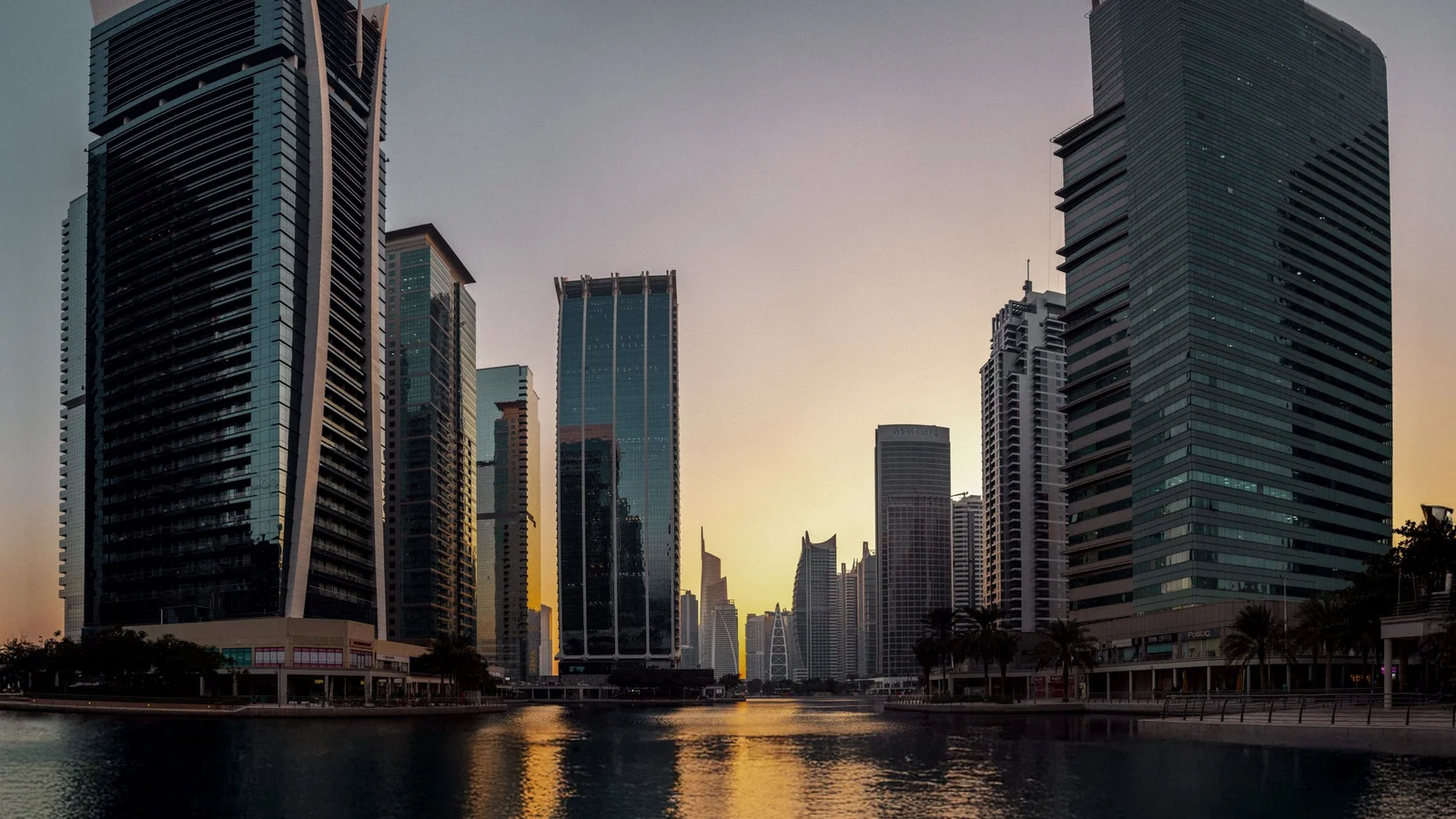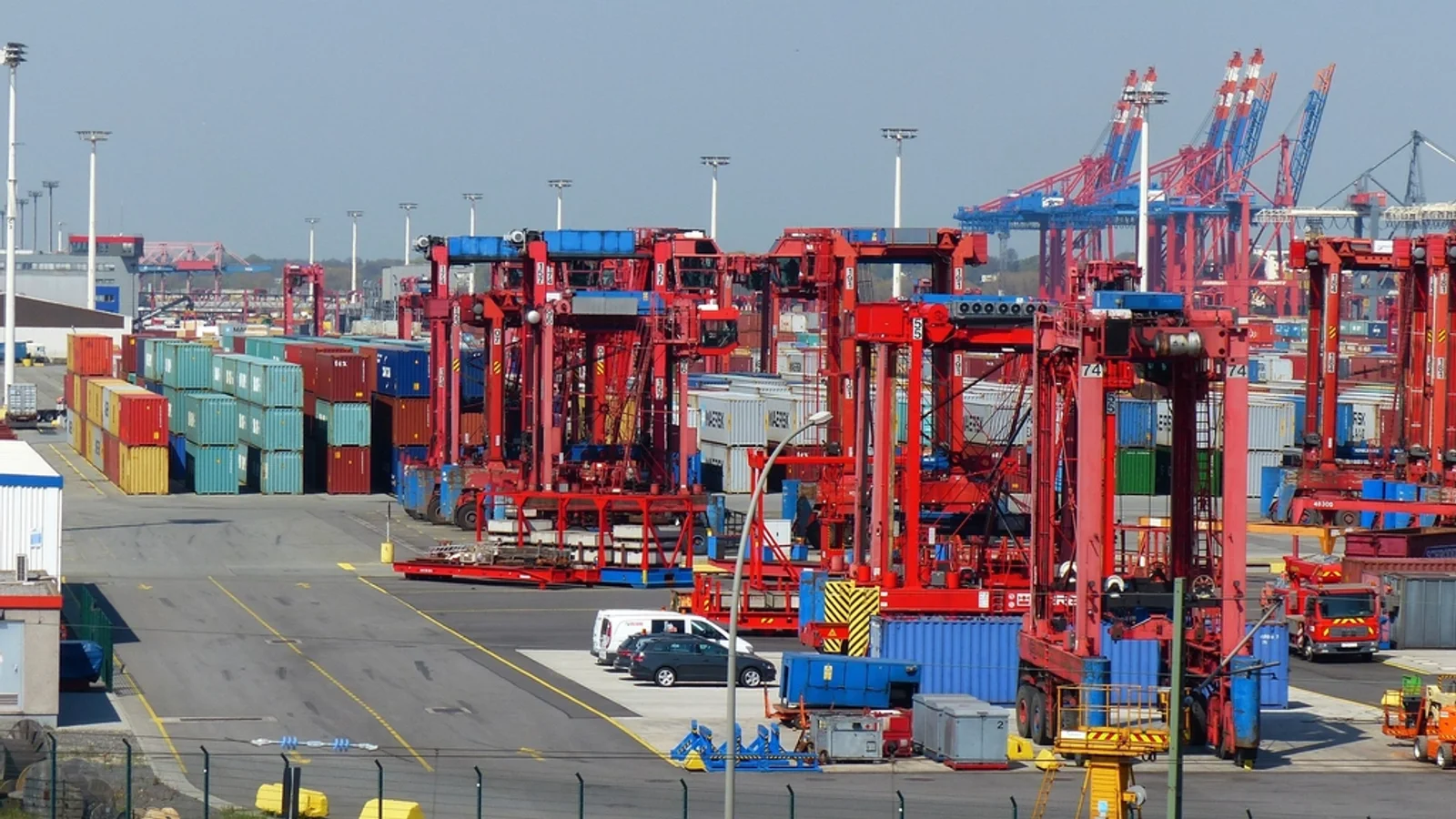
Jebel Ali handled 15.6 million TEU in 2025, DP World turned over USD 24.4 billion, and logistics contributed AED 136.7 billion to the UAE economy in 2024 [1][2]. Dubai is a genuine logistics superpower and you already knew that. Here is what you probably did not know, and what almost no guide will tell you.
Free-zone 0% corporate tax actually works for logistics. We have spent recent guides debunking that claim for travel agencies, holiday homes, event companies and accounting firms, because for those sectors it is simply false. For logistics it is true, it is written into the law by name, and it turns on a single test: you must never take title to the goods [3]. That one sentence decides whether you get 0% or 9%.
And here is the counterweight, because this business has a trap of equal size. In a VAT Designated Zone, goods can genuinely sit outside the scope of UAE VAT, which is why everyone says free zones are tax-free. But the FTA's own guide says services in a Designated Zone are treated exactly like services anywhere else in the UAE [4]. Your warehousing fee is 5% VAT, in JAFZA, full stop. This guide covers both properly, plus the four businesses Dubai licenses separately, the two customs registrations nobody explains, and the honest economics of a sector where 62% to 85% of your "revenue" is not yours. Since 2013, our team has set up trading and logistics companies in Dubai, so the traps here come from real files.
Why Dubai for logistics?
The infrastructure case does not need overselling:
- Jebel Ali handled 15.6 million TEU in 2025, 27.8% of DP World's 56.1 million consolidated volume. DP World Group posted USD 24.4 billion revenue (up 22%) and around USD 2 billion profit, with a USD 3 billion capex budget for 2026 [1].
- Logistics contributed AED 136.7 billion (about USD 37.2 billion) to the UAE economy in 2024. The national strategy targets AED 200 billion and a 5% GDP share [2].
- Dubai took 66.12% of the UAE 3PL market in 2025 [2].
- The UAE ranked 7th in the World Bank's 2023 Logistics Performance Index, up from 11th in 2018 [2]. Note we are citing 2023: the World Bank changed its methodology and we could not find a confirmed comparable 2025 or 2026 ranking, so anyone quoting you a fresher rank should be asked where it came from.
- Al Maktoum International has an approved AED 128 billion expansion. Be careful with the headline numbers here: the widely-quoted 260 million passengers and 12 million tonnes of cargo are full build-out figures targeted for 2032, not current capacity [2]. Guides that quote them as today's numbers are misleading you.
Real Talk: None of that infrastructure makes your company money. Freight forwarding nets 3% to 4%, and as the economics section shows, most of what you will call "revenue" is money you owe a carrier. Dubai is the best place in the region to run a logistics business. It is not a place where the business model is easy.
The four businesses Dubai licenses separately
Every competing guide gives you a flat menu: freight forwarding, warehousing, 3PL, transport, customs. That is not how it works. These are different activities with different regulators.
| Business | What it is | Extra regulator beyond your licence |
|---|---|---|
| Freight forwarding | You arrange transport through carriers. You own neither the goods nor the trucks | None to forward, but you need a Dubai Customs business code to file declarations |
| Customs clearance (clearing agent) | You file customs declarations on behalf of other people's shipments | Yes. Dubai Customs, as a separate Broker registration. See below |
| 3PL / warehousing | Physical storage, pick-pack, inventory | Facility proof required before licence issuance. Bonded storage needs a separate Customs warehouse licence |
| Land transport / trucking | You physically move goods by road | Yes. RTA, on top of your trade licence: vehicle registration per truck, permits for oversized or hazardous loads, and commercial driver licences |
Common Mistake: Assuming a freight forwarding licence lets you clear customs for your clients. It does not. Those are two different permissions from two different authorities, and the section below explains why. Equally, a free-zone logistics licence does not put your trucks on Dubai's roads legally; the RTA layer applies regardless. Decide which of the four you are actually building. Not sure which combination you need? Ask us→
On activity codes: the codes circulating for these activities (5229 for freight brokerage and agency, 4923.91 for heavy goods transport, and others) come from setup consultancies. DET's own activity portal blocks automated checks and we could not verify them at source, so confirm your exact code on the Invest in Dubai portal before you file [5].
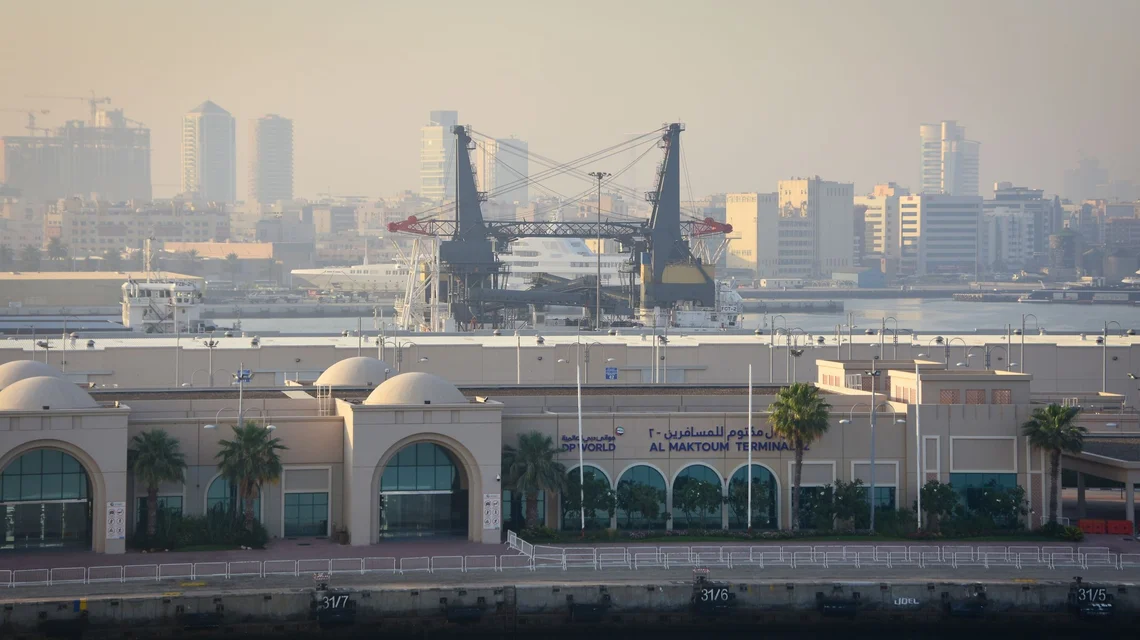
Customs: the two registrations nobody explains
This is the single biggest gap in the search results, and it is not subtle once you see it.
Registration one: the importer/exporter code, also called the Mirsal 2 business code. This is what any company needs to move its own goods. You apply through Dubai Trade with your licence and signatory documents. The fee is AED 100 per business type plus a AED 20 knowledge and innovation fee, and approval typically takes two to three business days [5].
Registration two: Broker registration, which is what you need to clear cargo for someone else. Dubai Customs states the position plainly [5]:
"Agents holding a Dubai Economic Department Clearing and Forwarding (C&F) license may clear cargo on behalf of consignees provided they have obtained Customs business code and have authorization from the owner of the goods to submit Customs declaration."
Read that carefully, because it contains three separate requirements: a licence carrying the clearing and forwarding activity, a customs business code, and written authorisation from the goods owner for each declaration. You register with Dubai Customs as business type "Broker", which is a different registration from a plain importer/exporter code.
There is also a related requirement worth knowing if you plan to act as a shipping agent. Dubai Trade states that all shipping agents and freight forwarders must obtain a shipping agent code from Dubai Customs before registering with DP World [5].
Common Mistake: Reading "freight forwarding" on your licence and assuming you are a clearing agent. You are not. Three steps, not one: the right activity on the licence, a customs business code, and Broker-type registration. Founders discover this when their first client asks them to clear a container.
Real Talk on the guarantee: You will see a figure of AED 50,000 quoted as a customs broker bank guarantee, along with a profession exam and language requirements. Those come from Dubai Customs' broker policy, and we are not going to state them as fact, because the official policy document exists but could not be read at source and at least one source suggests deposit requirements have changed. Budget for a guarantee, and confirm the current amount and exam requirements directly with Dubai Customs before you commit. Anyone quoting you a precise figure without a citation is guessing.
Mainland, free zone, or Designated Zone? That is three choices, not two
Almost every guide frames this as mainland versus free zone. For logistics that is wrong, because a VAT Designated Zone is a third, separate category, and it does different work from a free zone.
- A free zone is a licensing jurisdiction. It determines who issues your trade licence.
- A Designated Zone is an FTA classification for VAT purposes under Cabinet Decision No. 59 of 2017. It determines how goods are treated for VAT [4].
They overlap but they are not the same, and the tell is that DMCC, one of Dubai's largest free zones, is widely reported as not being a Designated Zone [4][5]. Free-zone status does not confer Designated Zone status.
The Dubai zones commonly cited as Designated Zones are Jebel Ali Free Zone (North and South), Dubai Airport Free Zone, Dubai Cars and Automotive Zone, Dubai Textile City, the free zone areas in Al Quoz and Al Qusais, Dubai Aviation City, and International Humanitarian City [4]. We are giving you that list with a caveat: Cabinet Decision 59/2017 has been amended repeatedly, our sources disagree at the margins, we could not pull the FTA's live list, and Dubai South's status in particular we could not confirm. Verify the current list against the FTA before you sign a warehouse lease on the strength of it. There is also a condition people forget: a zone only stays Designated while it actually meets the fenced, customs-controlled criteria in Article 51. If it stops, it reverts.
| Mainland (DET) | Free zone | Designated Zone | |
|---|---|---|---|
| Serve mainland clients directly | Yes | Restricted; see below | Restricted |
| Government tenders | Yes | Typically restricted | Typically restricted |
| Free-zone 0% corporate tax possible | No | Yes, if you qualify | Yes, if you qualify |
| Goods can be outside VAT scope | No | No | Yes, conditionally |
| Warehousing services VAT | 5% | 5% | Still 5% |
On serving the mainland: Executive Council Resolution No. 11 of 2025, effective 3 March 2025, lets Dubai free-zone companies operate on the mainland through a branch licence (reported around AED 10,000 a year) or a temporary permit (reported around AED 5,000, up to six months), without forming a second entity [6]. One honest caveat: DET is required to publish a list of which economic activities qualify for which route, and we could not locate that list. Whether logistics and warehousing specifically qualify is therefore something to confirm rather than assume. Compare the routes on our mainland company setup and free zone company setup pages.
Bonded warehouses: what they actually do
Only operator marketing pages mention bonded facilities, and never mechanically. Here is the point of one.
A private customs warehouse, licensed by Dubai Customs, lets you store imported goods under customs supervision with duty and import VAT suspended rather than paid [5]. The mechanics as reported:
- A guarantee of not less than AED 50,000, scaled to the value of the goods deposited and the duty applicable.
- A storage period of two years from the customs declaration date, extendable by one further year with approval.
- Duty and VAT become payable only if the goods are released into the local market. Re-export them and the duty may never become payable at all.
- Every movement in and out needs its own customs declaration, and you maintain full records.
Pro Tip: Bonded storage changes the economics of a business, not just the paperwork. If your clients import to re-export, a bonded facility means their capital is not tied up in duty for two years. That is a service you can charge for and a reason a client picks you over a plain warehouse. Note that we could not read the primary customs policy document directly, so confirm the guarantee and periods with Dubai Customs before you build a pricing model on them.
The 0% that actually works, and the one test it turns on
Now the good part. And it is worth being precise, because this is the first sector in a long time where the free zones' 0% pitch is genuinely true.
Ministerial Decision No. 229 of 2025 lists the Qualifying Activities for a Qualifying Free Zone Person. Two of them matter here [3]:
- (l) Distribution of goods or materials in or from a Designated Zone
- (m) Logistics services
And Article 2(3)(m) defines logistics services in terms that cover almost the whole value chain [3]:
"includes the storage and transportation of goods or materials on behalf of another Person without taking title to the good or material of that other Person, including cargo handling, warehousing, container storage, transport agency services, customs brokerage services, order and inventory management, freight forwarding and brokerage services, document preparation, packing and unpacking and other related services."
Read what is in that list: freight forwarding, warehousing, cargo handling, customs brokerage, container storage, inventory management. Nearly everything a 3PL does. And read the condition: without taking title.
Now compare it to the other activity. Article 2(3)(l) covers distribution, which is for businesses that do take title, and it is much harder [3]. It requires the activity to be conducted in or from a Designated Zone, the goods entering the UAE to be imported through that Designated Zone, and the goods to be supplied only to a customer who resells or processes them, or to a public benefit entity.
| Logistics services (m) | Distribution (l) | |
|---|---|---|
| Do you own the goods? | No, never | Yes |
| Designated Zone required? | No. Any qualifying free zone | Yes |
| Import through that zone? | Not applicable | Yes |
| Who can you sell to? | Not applicable, you sell a service | Resellers, processors, or public benefit entities only |
Real Talk: This is the cleanest strategic fork in the guide. If you are a 3PL, a forwarder, a warehouse operator or a customs broker earning fees and never owning the cargo, you can sit in any qualifying free zone and access 0% on that income. The moment you start buying and reselling goods, you are in the Distribution activity, and you need a Designated Zone, import through it, and B2B customers. Founders who blur "we do logistics and we also trade a bit" are the ones who get hurt. Our general trading company guide covers the trading side, and our UAE corporate tax filing guide the wider regime.
The B2C trap that kills consumer logistics
Before you celebrate, read this.
Article 2(2)(a) makes "any transactions with natural persons" an Excluded Activity, with exceptions only for ships, fund management, wealth and investment management, and aircraft financing [3]. Logistics services and Distribution are not on that exception list.
So consumer parcel delivery, household moving, or any freight service you bill to an individual rather than a business is Excluded Activity income. It does not get 0%, and worse, it counts against your de minimis threshold. See our delivery business guide if that is your model.
Common Mistake: Building a B2B 3PL and bolting on a consumer moving or parcel service because it looks like easy incremental revenue. That revenue is excluded, it eats your de minimis headroom, and if it pushes you over, you lose the 0% on the entire B2B business. Keep consumer work in a separate entity or keep it small deliberately.
The de minimis cliff
Non-qualifying revenue must not exceed the lower of 5% of total revenue or AED 5,000,000 in a tax period [3].
Breach it, or fail any other condition, and Article 5(2) is unforgiving: you cease to be a Qualifying Free Zone Person "from the beginning of the relevant Tax Period and for the subsequent (4) four Tax Periods" [3]. That is five tax periods at 9% on everything, not just on the excess.
Two more conditions worth knowing. All Qualifying Free Zone Persons must have audited financial statements regardless of revenue size under Ministerial Decision 84/2025, where the usual AED 50 million threshold simply does not apply to them [3][7]. And even though Economic Substance Regulations were discontinued for financial years from 1 January 2023, adequate substance is still required to qualify as a QFZP under the corporate tax law itself. The filing regime went away; the substance requirement did not [8].
For completeness: a mainland logistics company pays 9% above AED 375,000 and 0% below, and Small Business Relief can zero that out under AED 3 million of revenue, but the relief now runs to tax periods ending on or before 31 December 2029[9].
The Designated Zone trap: your goods are out of scope, your service is not
Here is the counterweight to the good news, and it is the most misunderstood rule in the sector.
The FTA's own Designated Zones VAT Guide says it directly [4]:
"...certain supplies of goods made within Designated Zones are not be subject to UAE VAT. In contrast, supplies of services made within Designated Zones are treated in the same way as supplies of services in the rest of the UAE."
And Article 51(6) of the Executive Regulations puts the mechanism in place: the place of supply of services is within the UAE if, under the normal rules, it would be the Designated Zone [4].
So your warehousing fee, your handling fee, your storage fee, invoiced from JAFZA, is standard-rated at 5%. Being inside a Designated Zone does nothing for services. It never did.
What the Designated Zone actually does is for goods, and even there it is conditional [4]:
- Default: goods within a Designated Zone are treated as outside the UAE, so out of scope.
- Override: back in scope at 5% if the goods are supplied to someone to be consumed. "Consumed" is read broadly, but it excludes resale, so reselling goods within the zone stays out of scope.
- Exception to the override: goods incorporated into, or used directly in producing, another good in the same zone that is not itself consumed. The FTA's example is that raw steel going into manufactured equipment is fine, but a design computer is not.
- Your own office supplies, food, company cars and fuel bought inside the zone are consumed by you, so they are 5%.
- Zone to zone transfers are out of scope only if the goods are not released into circulation or altered, and the movement follows customs suspension procedures. The FTA may require a financial guarantee.
- Zone to mainland is an import (import VAT due). Mainland to zone is a normal local supply at 5%, not an export.
Common Mistake: Reading "free zones are VAT-free" on a setup company's website. At least one page ranking for this topic claims free zones mean "zero corporate tax and VAT." The corporate tax half might be right for you. The VAT half is wrong for every service you sell.
International transport zero-rating, and the subcontracting trap
Transport has its own rules, and there is a 2024 change here that will catch forwarders.
International transport of goods is zero-rated under Article 45 of the VAT Decree-Law and Article 33 of the Executive Regulations, covering movements into, out of, or transiting the UAE, along with certain directly connected ancillary services [4]. Purely domestic transport standing alone is 5%.
Now the trap. Cabinet Decision No. 100 of 2024, effective 15 November 2024, amended Article 33(1)(d): the domestic leg of an international transport service can only be zero-rated if it is supplied by the same supplier providing the international leg. FTA Public Clarification VATP040 confirms it [4].
Read that as a freight forwarder. You arrange an international shipment and subcontract the last-mile haulage to a trucking company. That subcontractor's domestic leg does not zero-rate, because they are not the supplier of the international leg. Their invoice to you carries 5%.
Quick Math: Two forwarders move identical containers from Jebel Ali to a client in Al Quoz as part of an import. One contracts the whole movement including the domestic leg as a single supplier and zero-rates it. The other subcontracts the trucking to a partner, and that leg comes back at 5%. Same cargo, same route, different VAT, decided purely by who contracts what. If you subcontract haulage, this is on every invoice you receive.
Pro Tip: We could not pull the Executive Regulations' Article 33(2) ancillary-services wording verbatim, so treat the exact boundary of "directly connected ancillary services" as something to confirm with an adviser rather than a bright line. The subcontracting rule itself is confirmed across the professional analysis.
The VAT matrix nobody has built
| Supply | Treatment |
|---|---|
| International transport leg of goods (in, out, transiting) | 0% |
| Domestic leg supplied by the same supplier as the international leg | 0% |
| Domestic leg subcontracted to a different supplier | 5% |
| Purely domestic transport, standing alone | 5% |
| Warehousing or handling service in a Designated Zone | 5% |
| Goods within a Designated Zone, for resale, not consumed | Out of scope |
| Goods within a Designated Zone, to be consumed | 5% |
| Goods moved zone to zone under customs suspension | Out of scope |
| Goods moved zone to mainland | Import; import VAT due |
| Goods moved mainland to zone | 5% local supply, not an export |
VAT registration is mandatory above AED 375,000 of taxable supplies and voluntary above AED 187,500. Note that Designated Zone entities are onshore for registration and compliance purposes despite the special goods treatment [4]. See our VAT registration and compliance guide.
What does it cost?
Health warning: none of the government fee calculators were reachable, and published figures for this sector disagree wildly. One source puts a medium freight-forwarding operation's first year at AED 600,000 to 1 million and a full-service provider at AED 1.8 to 3.5 million, while another puts a combined mainland setup at AED 109,000 to 217,000 [10]. Those are not contradictions so much as different assumptions about fleet and working capital. Treat everything here as indicative.
| Route | Indicative Year 1 (AED) |
|---|---|
| Mainland (DET), forwarding + warehousing | ~109,000 – 217,000+, dominated by the lease |
| JAFZA, trading/service licence + warehouse | ~85,000 – 150,000 |
| DAFZA, service licence + smart desk + 1 visa | ~28,000 – 55,000 |
| Dubai South, courier/logistics licence | from ~12,500 (licence only) |
Components worth knowing: JAFZA licences run roughly AED 15,000 to 20,000 a year with warehouses from about AED 48,000 (200 to 300 sqm) and cold storage from AED 85,000 to 150,000-plus; establishment cards around AED 1,975; visas about AED 3,518 each; and a mandatory annual audit at AED 5,000 to 15,000 [10].
One cost nobody flags: Dubai Municipality's market fee is commonly cited at 5% of annual rent for commercial premises but reportedly 20% for warehouse premises [10]. On a AED 100,000 warehouse that is a AED 20,000 line you did not budget. We could not verify it against DET's own calculator, so check it, but check it before you sign.
Quick Math: The licence is never the number that matters in this business. Your lease is, your working capital is, and if you go asset-heavy your fleet is. A guide that leads with "logistics licence from AED 12,500" is quoting the cheapest door into a building that costs six figures a year to occupy. Get a free setup quote→
The warehouse crunch is real, and it is quantified
This is not market colour. Dubai industrial rents have moved hard.
| Area | Indicative 2026 rent | Reported YoY |
|---|---|---|
| Al Quoz | ~AED 65/sqft (55 – 85+) | +32.7% |
| Dubai Industrial City | ~AED 58/sqft | +32% |
| Jebel Ali Industrial / JAFZA Grade A | ~AED 40 – 55/sqft | +22% to +38.9% |
| Dubai Investment Park | ~AED 48/sqft (45 – 65) | +33.3% |
| Dubai South | ~AED 45 – 55/sqft | +25% |
Sources vary at the margins, so read the direction rather than any single figure. Market-wide analyses report rents up 37.8% year on year and more than doubled since the 2021 trough, with only about 6.6 million sqft of new industrial supply due in Dubai in 2026, which analysts describe as insufficient, especially for Grade A [1][10].
Real Talk: Read that alongside the tax section and a strategy falls out. Space is expensive and hard to get, which argues for going asset-light and subcontracting 3PL capacity rather than committing to a lease speculatively. It also means anyone who already holds good space has a real asset. And remember that industrial leases here are commonly paid a full year upfront plus deposit and commission, so the cash you need on day one is not one twelfth of the annual rent.
Visas, drivers, and a timeline nobody budgets for
Visa quota is tied to your premises. JAFZA's published rule of thumb is one visa per 9 sqm of private office, and two visas per flexi-desk workstation, with land plots starting at a 20-visa quota [10]. For warehouses the published ratios conflict badly between sources, from roughly 9 sqm per visa to 25 or 30 sqm per visa. We are not going to average two numbers that disagree by a factor of three. Get the ratio in writing from your zone before you sign, because it determines your headcount ceiling. Our free zone visa quotas guide covers the general mechanics.
Drivers are a timeline risk nobody mentions. A heavy commercial driving licence in the UAE takes a materially long time to obtain, involving theory, testing and medical clearance, and a driver you have sponsored cannot legally drive your trucks until it is done. Our sources disagree on the exact licence category number, so we are not going to state one. The point stands: if your model is asset-heavy, your trucks sit idle until your drivers are licensed, and that is weeks, not days.
Emiratisation applies to you. "Transportation and storage" is one of the 14 targeted sectors [11]. Mainland companies with 20 to 49 employees in those sectors must hire one Emirati in 2024 and another in 2025, and AED 108,000 non-compliance notices were issued in January 2026. Companies with 50 or more employees face a 10% skilled-role target by 31 December 2026, where "skilled" means a degree or diploma holder earning AED 4,000 or more. Unlike some sectors where this is ambiguous, here it is confirmed. See our Emiratisation 2026 guide.
The economics: most of your "revenue" is not yours
This is the honest centrepiece, and it reframes everything.
A freight forwarder books the full freight cost as revenue but keeps only the spread. You quote a client USD 10,000 for an ocean shipment and pay the carrier USD 8,500. Your revenue is USD 10,000. Your actual gross profit is USD 1,500. Across the industry, 62% to 85% of a forwarder's "revenue" is pass-through cost paid to carriers [12].
The consequences are not academic:
- A "USD 5 million revenue" forwarder may be running on USD 750,000 to USD 1.5 million of real gross profit. That is a completely different company from what the top line implies.
- "Revenue up 30%" can simply mean freight rates went up, not that you won more business.
- Any business plan or investor pitch quoting revenue without net revenue alongside it is misleading, including one you write yourself.
The margins underneath [12]:
| Measure | Freight forwarding |
|---|---|
| Gross margin per shipment | ~10% – 20% |
| Industry-average gross margin | ~10.2% |
| Net margin | ~3% – 4% |
Warehousing and 3PL is a different shape: asset-heavy, driven by occupancy. Dubai storage is commonly priced around AED 85 per CBM per month for ambient and AED 120 per CBM for temperature-controlled, so a standard pallet of roughly 0.96 CBM costs about AED 82 to 115 a month to store [12]. The margin lever is not raw storage, it is the value-added layer: pick-pack, returns, last-mile. Integrated operations have been shown to cut total cost per pallet from around AED 150 standalone to AED 120 integrated [12]. Bundling is where 3PL money lives.
Common Mistake: Modelling a forwarding business on revenue. At a 3% to 4% net margin, a handful of uncaptured costs per shipment or one bad debt erases the year. Model net revenue, then take your costs out of that, and see whether the business still works.
Working capital: the gap widens as you grow
The cruellest mechanic in this sector.
You pay carriers, airlines and shipping lines on short terms, often near-immediate to 30 days. Your clients pay you on net-30, net-45, net-60, sometimes net-90 or net-120. You fund the gap [12].
Now the part that catches people: the gap widens as volume grows. Win more business and you need more cash to float more shipments before anyone pays you. A forwarder can grow itself insolvent. The usual mitigations are freight factoring (selling unpaid invoices for immediate cash) and trade finance facilities.
We could not find a UAE-specific figure for the average gap in days, so we are describing the mechanism rather than inventing a number.
Asset-light or asset-heavy?
The strategic choice nobody frames, and the answer is fairly clear for a new entrant.
Nearly all successful Dubai forwarding startups begin asset-light: no owned trucks, no owned warehouse, subcontracted haulage, shared or rented 3PL space, with capital going into people, licensing, software and carrier relationships [12]. Fleet and facility ownership is a later-stage decision once volume justifies it.
Set that against the rent data above. In a market where industrial rents rose 22% to 38% in a year and Grade A supply is short, committing to a lease speculatively is the most expensive bet a new entrant can make. And you are not going to out-capitalise DP World or Aramex on assets; they had decades.
Why logistics companies fail
No verified UAE failure-rate statistic exists, so this is a reasoned synthesis rather than a cited finding:
- The working capital gap, which grows with success.
- 3% to 4% net margins leaving no buffer for bad debt or a few missed cost recoveries.
- Competing as a generalist in a market with 400-plus association-member forwarders and many more outside it.
- Committing to warehouse space at the top of a rent cycle before demand is proven.
- Assuming free-zone means VAT-free and under-charging clients by 5% on services.
- Losing QFZP status by letting B2C or trading revenue creep over the de minimis cap.
- Modelling on revenue instead of net revenue, which flatters everything until it does not.
Competition, and the niches that actually work
The market is fragmented at the forwarder level and consolidated at the infrastructure level [12]. DP World, Aramex, DHL, Agility, GAC, Kuehne+Nagel and DSV sit above you. NAFL, the national association, has 109 association members and over 400 individual company members, which tells you how many forwarders you are competing with [12].
At the generalist level it is saturated, which is exactly why net margins sit at 3% to 4%. The niches with genuine room [12]:
- Cold chain and pharma: temperature certifications and compliance credentials are a real moat a generalist cannot casually replicate.
- Project cargo and renewable-energy cargo: specialised, relationship-driven, less price-competitive.
- Trade-lane specialisation: a forwarder specialising in a specific lane and commodity consistently outperforms a generalist.
- E-commerce fulfilment: growing fast but capital-intensive and consolidating, so more viable as a subcontractor to platforms than head-on.
Pro Tip: Pick a lane and a commodity where you have an unfair advantage, usually a relationship or a language or an origin market you know personally. "We do all freight to everywhere" is a pricing race you will lose.
Getting clients
A finding worth taking seriously: most UAE freight forwarders report new business comes from referrals, personal relationships and repeat clients, almost never from organic search [12]. That is unusual, and it should shape your plan.
Two things do work. Agent networks such as WCA, which has 6,900-plus member offices in 190-plus countries, give a small forwarder reciprocal coverage abroad without foreign offices, and a referral from a network member arrives pre-trusted [12]. And speed and transparency on quotes: RFQ cycles have compressed from weeks to days, and pricing opacity now loses deals rather than winning them. Show the base rate and the surcharges.
Staffing
| Role | Indicative Dubai salary (AED/month) |
|---|---|
| Operations / documentation coordinator | ~6,500 starting; 8,000 – 15,000 mid-level |
| Customs clerk or broker | 8,000 – 14,000 |
| Warehouse supervisor | ~10,000 – 16,000 |
| Transportation manager | 10,000 – 18,000 |
These come from salary aggregators rather than payroll surveys, so treat them as directional [12]. Driver and sales salaries we could not source reliably and are not going to guess at.
On systems: CargoWise is the enterprise standard and is poorly suited to a small forwarder, with six to twelve month implementations and real costs reported at three to five times the headline. Smaller operators typically run lighter platforms at roughly USD 100 to 400 per user per month [12]. And IATA cargo agent accreditation is not legally required to handle air freight, but without it you book through an accredited intermediary rather than directly with airlines; note you must be accredited before you can join CASS [12].
What are the steps and timeline?
- Choose your model: forwarding, clearing, warehousing, trucking, or a combination.
- Choose jurisdiction, on market access and whether you need a Designated Zone.
- Reserve the trade name and get initial approval.
- Secure premises. Storage activities need facility proof before the licence issues.
- Licence issuance, with RTA approvals if you will run trucks.
- Dubai Customs: business code in two to three days, plus Broker registration if you clear for clients.
- VAT registration above the threshold.
- Visas, then the bank account, which is usually the long pole and which banks scrutinise harder for this sector.
Realistic timeline: the licence can be days to about two weeks once premises and documents are ready, but full operational readiness including customs, visas and a bank account is realistically 10 to 16 weeks [10]. Our post-setup services team runs these in parallel.
What documents do you need?
- Passport and Emirates ID or visa copies for shareholders and managers, or a No Objection Certificate if resident
- Trade name reservation and initial approval
- Notarised Memorandum of Association and Ejari-registered tenancy or free-zone facility lease
- Facility proof for any storage activity, before licence issuance
- Dubai Customs business code, plus Broker registration and the goods owner's written authorisation if clearing for clients
- RTA vehicle registration and driver licences if you operate trucks
- Audited financial statements if you intend to claim Qualifying Free Zone Person status
See our documents required for mainland business setup guide.
Real Client Stories
These are real examples from businesses we have helped set up. Names have been changed for privacy.
Vikram's title problem (Dubai free zone)
Vikram ran a 3PL earning fees for storage and forwarding, structured for the free-zone 0%, and then started buying stock from a supplier to resell to two of his clients because the margin looked good. That revenue was not "logistics services", because he had taken title, and it was not qualifying distribution either, because he was not in a Designated Zone. It pushed him over de minimis. We split the trading into a separate entity. His advice: "The test is whether you own the goods. I owned them for about six weeks and it nearly cost me the zero percent on the whole business for five years."
Layla's VAT on storage (JAFZA)
Layla priced her warehousing service without VAT because her adviser told her JAFZA was a Designated Zone and therefore outside UAE VAT. That is true of goods, not of services. She had been under-charging clients 5% on every storage invoice and had to fund the gap herself. Her tip: "Everyone told me the free zone was VAT-free. The FTA's own guide says services in a designated zone are treated like anywhere else in the UAE. Read that sentence before you set your rate card."
Ahmed's subcontracted mile (Dubai mainland)
Ahmed zero-rated an entire import movement including the domestic delivery, because it was all part of an international shipment. But he had subcontracted the trucking, and after the 2024 amendment a domestic leg only zero-rates if the same supplier provides the international leg. His subcontractor's invoice carried 5% and his client's did not. His takeaway: "I understood the international zero-rating. I did not know that who contracts the truck changes the rate."
Start your Dubai logistics company the right way
Dubai is the best logistics market in the region and, unusually, one where the free-zone 0% corporate tax rate is genuinely available to you. But it is available on one condition, and the rest of the sector's rules are less generous than the brochures suggest. Never take title if you want the 0%. Keep consumer revenue out or keep it small. Price your services with 5% VAT in them even inside a Designated Zone. Watch who contracts the domestic leg. Go asset-light while rents are where they are. And model net revenue, not revenue, because most of your top line belongs to a carrier.
Since 2013, BusinessDubai.ae has completed 700+ company registrations across the UAE, including freight forwarding, warehousing and trading companies, with transparent itemised pricing and no hidden fees. We will confirm which activities you need and which regulators they trigger, structure the entity so your qualifying income actually qualifies, handle the customs registrations, and get your visas and bank account open, with a clear all-in budget before you commit. Talk to a setup expert→ for a clear plan. For the trading side of the business, see our import and export business guide.
Ready to set up your logistics or warehousing company in Dubai the right way? Our licensed advisors handle the licence, activities, customs registrations, visas and bank account end to end, with transparent, fixed fees.
Get started free→Frequently Asked Questions
Can a logistics company really get 0% corporate tax in a Dubai free zone?
Yes, and unusually for a services business this is genuinely true. "Logistics services" is a named Qualifying Activity under Ministerial Decision No. 229 of 2025, covering freight forwarding, warehousing, cargo handling, container storage, customs brokerage, inventory management and more. The condition is that you provide these services on behalf of another person without taking title to the goods.
What is the "no title" test?
It is the single condition that decides whether your income qualifies. If you store, move or clear goods that belong to someone else and earn a fee, that is logistics services and it can qualify for 0%. The moment you buy and resell goods, you have taken title and you fall outside that activity into "Distribution", which has much harder conditions.
Do I need to be in a Designated Zone to get the 0%?
Not for logistics services. The definition contains no Designated Zone requirement, so any qualifying free zone works. Distribution is different: it requires the activity to be conducted in or from a Designated Zone, the goods to be imported through that zone, and the goods to be supplied only to resellers, processors or public benefit entities.
What is the difference between a free zone and a Designated Zone?
A free zone is a licensing jurisdiction that issues your trade licence. A Designated Zone is an FTA classification under Cabinet Decision No. 59 of 2017 that governs how goods are treated for VAT. They are not the same thing, and free-zone status does not confer Designated Zone status. DMCC, one of Dubai's largest free zones, is widely reported as not being a Designated Zone.
Which Dubai free zones are Designated Zones?
Commonly cited are JAFZA (North and South), DAFZA, Dubai Cars and Automotive Zone, Dubai Textile City, the free zone areas in Al Quoz and Al Qusais, Dubai Aviation City and International Humanitarian City. Cabinet Decision 59/2017 has been amended repeatedly and our sources disagree at the margins, so verify the current list against the FTA before relying on it. A zone also only stays Designated while it meets the fenced, customs-controlled criteria.
Is warehousing in a free zone VAT-free?
No, and this is the most misunderstood rule in the sector. The FTA's own Designated Zones guide states that supplies of services made within Designated Zones are treated the same as services in the rest of the UAE. Your warehousing, handling and storage fees are standard-rated at 5% even in JAFZA. Only certain supplies of goods can be out of scope.
When are goods in a Designated Zone out of scope for VAT?
By default a supply of goods within a Designated Zone is treated as outside the UAE. That is overridden, bringing it back to 5%, where the goods are supplied to someone to be consumed. "Consumed" is read broadly but excludes resale, so reselling within the zone stays out of scope. Goods incorporated into or used directly in producing another good in the same zone can also stay out of scope.
What happens when goods move from a Designated Zone to the mainland?
That is an import, and import VAT is due. The reverse is counterintuitive: moving goods from the mainland into a Designated Zone is a normal local supply at 5%, not an export. Zone-to-zone transfers are out of scope only if the goods are not released into circulation or altered and the movement follows customs suspension procedures, and the FTA may require a guarantee.
Is international transport zero-rated?
Yes. International transport of goods into, out of, or transiting the UAE is zero-rated under Article 45 of the VAT Decree-Law and Article 33 of the Executive Regulations, along with certain directly connected ancillary services. Purely domestic transport standing alone is 5%.
Can I zero-rate the domestic leg of an international shipment?
Only if you supply the international leg too. Cabinet Decision No. 100 of 2024, effective 15 November 2024, means a domestic leg zero-rates only when supplied by the same supplier as the international leg. If you subcontract the last-mile haulage to a trucking company, that subcontracted leg is standard-rated at 5%. FTA Public Clarification VATP040 confirms it.
Does B2C delivery qualify for the free-zone 0%?
No. Transactions with natural persons are an Excluded Activity under Ministerial Decision 229/2025, and the exceptions cover only ships, fund management, wealth and investment management, and aircraft financing. Logistics and distribution are not on that list. Consumer parcel or moving revenue does not get 0% and it counts against your de minimis threshold.
What is the de minimis threshold?
Non-qualifying revenue must not exceed the lower of 5% of total revenue or AED 5,000,000 in a tax period. Breach it and you cease to be a Qualifying Free Zone Person from the start of that tax period and for the following four, with 9% applying to your entire income, not just the excess.
Do I need audited accounts for the 0%?
Yes. All Qualifying Free Zone Persons must prepare audited financial statements regardless of revenue size under Ministerial Decision 84/2025. The usual AED 50 million threshold that applies to other taxable persons does not apply to QFZPs. Budget AED 5,000 to 15,000 a year for it.
Are Economic Substance Regulations still relevant?
The ESR filing and reporting regime was discontinued for financial years starting from 1 January 2023, with penalties for those periods abolished. But do not conclude that substance no longer matters: adequate substance is still required to qualify as a Qualifying Free Zone Person under the corporate tax law itself. The filing went away; the substance requirement did not.
Is a freight forwarding licence the same as a customs broker licence?
No, and this is the biggest gap in most guides. Dubai Customs states that agents holding a DED Clearing and Forwarding licence may clear cargo on behalf of consignees provided they have a customs business code and authorisation from the goods owner. That is three requirements: the right activity on your licence, a customs business code, and Broker-type registration, plus per-shipment authorisation.
Do I need a customs broker licence to clear my own goods?
No. To move your own goods you need an importer/exporter code, also called a Mirsal 2 business code, which costs AED 100 per business type plus a AED 20 knowledge and innovation fee and takes two to three business days. Broker registration is only needed if you clear cargo on behalf of other people.
Is there a bank guarantee for customs brokers?
A figure of AED 50,000 circulates, along with a profession exam and language requirements, sourced to Dubai Customs' broker policy. We could not read the official policy document at source and at least one source suggests deposit requirements have changed, so we will not state it as fact. Budget for a guarantee and confirm the current amount directly with Dubai Customs.
What is a bonded warehouse and do I need one?
A private customs warehouse licensed by Dubai Customs lets you store imported goods with duty and import VAT suspended rather than paid. Reported mechanics: a guarantee of not less than AED 50,000 scaled to the goods' value, a two-year storage period extendable by one year, and duty payable only if goods enter the local market. If your clients import to re-export, it is a service you can charge for.
Do I need RTA approval for trucks?
Yes, on top of your trade licence. The RTA layer covers vehicle registration for every truck, permits for oversized or hazardous loads, and commercial driver licences by category. This applies regardless of whether your licence is mainland or free zone, because it governs the use of Dubai's roads.
How long does it take to get truck drivers licensed?
Longer than founders expect, and this is a real timeline risk. A UAE heavy commercial driving licence involves theory, testing and medical clearance and takes weeks, not days. A driver you have sponsored cannot legally drive your trucks until it is complete. Our sources disagree on the exact licence category, so confirm it with the RTA.
Can a free zone logistics company serve mainland clients?
Executive Council Resolution No. 11 of 2025, effective 3 March 2025, lets Dubai free-zone companies operate on the mainland via a branch licence (reported around AED 10,000 a year) or a temporary permit (reported around AED 5,000, up to six months), without a second entity. But DET must publish a list of which activities qualify for which route, and we could not locate it, so confirm whether logistics specifically qualifies.
How much does it cost to set up a logistics company in Dubai?
Indicatively AED 109,000 to 217,000-plus for a mainland forwarding and warehousing setup, AED 85,000 to 150,000 in JAFZA with a warehouse, or AED 28,000 to 55,000 at DAFZA with a service licence and one visa. Published figures for this sector vary enormously because they make different assumptions about fleet and working capital. The lease, not the licence, dominates.
What are Dubai warehouse rents in 2026?
Roughly AED 40 to 55 per sqft in Jebel Ali Industrial and JAFZA Grade A, around AED 48 in Dubai Investment Park, AED 45 to 55 in Dubai South, and AED 58 to 65-plus in Dubai Industrial City and Al Quoz. Rents have risen roughly 22% to 38% year on year and analyses report the market more than doubled since the 2021 trough, with only about 6.6 million sqft of new supply due in 2026.
How many visas does a warehouse give me?
JAFZA's published rule of thumb is one visa per 9 sqm of private office and two per flexi-desk. For warehouses the published ratios conflict badly, from roughly 9 sqm per visa to 25 or 30, so get the ratio in writing from your zone rather than relying on any guide. It determines your headcount ceiling.
What margin does freight forwarding make?
Thin. Gross margins run roughly 10% to 20% per shipment with an industry average around 10.2%, and net margins are realistically 3% to 4%. That leaves no buffer for bad debt or missed cost recoveries, which is why forwarders fail on cash rather than on demand.
What is the difference between revenue and net revenue for a forwarder?
It is the most important number in the business. A forwarder books the full freight cost as revenue but keeps only the spread: quote a client USD 10,000, pay the carrier USD 8,500, and your real gross profit is USD 1,500. Across the industry 62% to 85% of "revenue" is pass-through to carriers, so a USD 5 million revenue forwarder may run on USD 750,000 to USD 1.5 million of actual gross profit.
Why do forwarders run out of cash as they grow?
Because you pay carriers on short terms while clients pay on net-30 to net-120, and you fund the gap. The gap widens as volume grows, so winning more business consumes more cash before anyone pays you. Freight factoring and trade finance are the usual mitigations. Model this before you chase volume.
What does warehousing cost per pallet in Dubai?
Storage is commonly priced around AED 85 per CBM per month for ambient and AED 120 for temperature-controlled, so a standard pallet of about 0.96 CBM costs roughly AED 82 to 115 a month. Margin comes from the value-added layer (pick-pack, returns, last-mile) rather than raw storage; integrated operations have cut total cost per pallet from about AED 150 to AED 120.
Should I start asset-light or asset-heavy?
Asset-light, almost certainly. Nearly all successful Dubai forwarding startups begin without owned trucks or warehouses, subcontracting haulage and using shared 3PL space, putting capital into people, licensing, software and carrier relationships. With industrial rents up 22% to 38% and Grade A supply short, committing to a lease speculatively is the most expensive bet a new entrant can make.
Does Emiratisation apply to a logistics company?
Yes, and unlike some sectors this is confirmed: "transportation and storage" is one of the 14 targeted sectors. Mainland companies with 20 to 49 employees must hire one Emirati in 2024 and another in 2025, with AED 108,000 non-compliance notices issued in January 2026. Companies with 50 or more face a 10% skilled-role target by 31 December 2026.
Do I need IATA accreditation for air freight?
Not legally. You can handle air freight without it, but you would book through an accredited intermediary rather than directly with airlines. If you do want it, note that accreditation comes first and CASS membership follows; you cannot join CASS without being accredited.
How do Dubai freight forwarders actually win clients?
Referrals, personal relationships and repeat business, almost never organic search. Agent networks like WCA, with 6,900-plus member offices in 190-plus countries, give small forwarders reciprocal global coverage and pre-trusted referrals. Speed and transparency on quotes matter too: RFQ cycles have compressed to days, and pricing opacity now loses deals.
Which niches can a small forwarder actually win?
Cold chain and pharma, where temperature and compliance certifications are a real moat. Project and renewable-energy cargo, which is relationship-driven and less price-competitive. And trade-lane specialisation, where a forwarder focused on a specific lane and commodity consistently outperforms a generalist. Competing as a generalist on price is a race you lose.
How long does the whole setup take?
The licence itself can be days to about two weeks once premises and documents are ready. Full operational readiness including customs registration, visas and a corporate bank account is realistically 10 to 16 weeks, with the bank account usually the long pole. Banks scrutinise logistics and trading more heavily than most sectors.
References
[1] DP World and port data. Jebel Ali throughput of 15.6 million TEU in 2025 (27.8% of DP World's 56.1 million consolidated TEU); DP World Group 2025 revenue of USD 24.4 billion (up 22%), approximately USD 2 billion profit, 93.4 million TEU gross throughput, and a USD 3 billion capex budget for 2026. Dubai industrial and logistics rent movement and the 2026 supply pipeline of approximately 6.6 million sqft. dpworld.com and industry property research
[2] UAE logistics market and infrastructure data. Logistics contributed AED 136.7 billion (about USD 37.2 billion) to the UAE economy in 2024, with a national target of AED 200 billion and a 5% GDP share; Dubai captured 66.12% of the UAE 3PL market in 2025; UAE ranked 7th in the World Bank Logistics Performance Index 2023 (up from 11th in 2018), with no confirmed comparable 2025 or 2026 ranking located following the methodology change; the AED 128 billion Al Maktoum International expansion, whose 260 million passenger and 12 million tonne figures are full build-out targets for 2032 rather than current capacity; and the D33 agenda. Market size estimates range roughly USD 23 billion to USD 33 billion depending on methodology.
[3] Ministry of Finance. Ministerial Decision No. 229 of 2025 regarding Qualifying Activities and Excluded Activities (issued 28 August 2025, repealing Ministerial Decision No. 265 of 2023, retroactive to 1 June 2023): Article 2(1)(l) Distribution of goods or materials in or from a Designated Zone and Article 2(1)(m) Logistics services; the Article 2(3)(m) definition of logistics services as "the storage and transportation of goods or materials on behalf of another Person without taking title to the good or material of that other Person, including cargo handling, warehousing, container storage, transport agency services, customs brokerage services, order and inventory management, freight forwarding and brokerage services, document preparation, packing and unpacking and other related services"; the Article 2(3)(l) definition of distribution requiring conduct in or from a Designated Zone, import through that zone, and supply to resellers, processors or public benefit entities; Article 2(2)(a) excluding transactions with natural persons; Article 3 de minimis (lower of 5% of revenue or AED 5,000,000); and Article 5(2) under which a person ceases to be a Qualifying Free Zone Person for the relevant tax period and the subsequent four. mof.gov.ae
[4] Federal Tax Authority. Designated Zones VAT Guide (VATGDZ1), stating that "supplies of services made within Designated Zones are treated in the same way as supplies of services in the rest of the UAE"; Article 51 of the Executive Regulations (Cabinet Decision No. 52 of 2017 as amended), including Article 51(6) on the place of supply of services and Articles 51(4) and 51(5) on the goods default, the consumption override and its exceptions; Cabinet Decision No. 59 of 2017 on Designated Zones as amended (the Dubai list should be verified live, as sources differ at the margins and Dubai South's status could not be confirmed; DMCC is widely reported as not being a Designated Zone); Article 45 of the VAT Decree-Law and Article 33 of the Executive Regulations on zero-rated international transport; Cabinet Decision No. 100 of 2024 (effective 15 November 2024) amending Article 33(1)(d) so that a domestic leg zero-rates only if supplied by the same supplier as the international leg; FTA Public Clarification VATP040 confirming that treatment; and registration thresholds of AED 375,000 and AED 187,500. The exact wording of Article 33(2) on ancillary services was not retrieved verbatim. tax.gov.ae
[5] Dubai Customs and Dubai Trade. The importer/exporter (Mirsal 2) business code at AED 100 per business type plus a AED 20 knowledge and innovation fee, approved in two to three business days; the Dubai Customs position that "Agents holding a Dubai Economic Department Clearing and Forwarding (C&F) license may clear cargo on behalf of consignees provided they have obtained Customs business code and have authorization from the owner of the goods to submit Customs declaration"; Broker-type registration via Dubai Trade; the requirement that shipping agents and freight forwarders obtain a shipping agent code from Dubai Customs before registering with DP World; and the private customs warehouse regime (guarantee of not less than AED 50,000 scaled to goods value, two-year storage extendable by one year, duty payable only on release into the local market). Dubai Customs' broker policy document, which is the source of the reported AED 50,000 broker guarantee, profession exam and language requirements, could not be read at source; confirm directly. DET activity codes cited by setup sources could not be verified against the Invest in Dubai portal, which blocks automated access. dubaicustoms.gov.ae, dubaitrade.ae and dubaidet.gov.ae
[6] Government of Dubai. Executive Council Resolution No. 11 of 2025 regulating the conduct of free zone establishments' activities within the Emirate of Dubai, effective 3 March 2025: branch licence (reported at around AED 10,000 per year) and temporary permit (reported at around AED 5,000, up to six months), with existing free-zone companies operating on the mainland required to regularise. DET is required to publish a list of eligible economic activities specifying which route applies; that list was not located, so whether logistics and warehousing specifically qualify should be confirmed. Fee figures are from secondary legal commentary rather than the primary legislation text.
[7] Ministry of Finance. Ministerial Decision No. 84 of 2025 on Audited Financial Statements: all Qualifying Free Zone Persons must prepare audited financial statements regardless of revenue, with the general AED 50 million threshold not applying to them. mof.gov.ae
[8] Cabinet Decision No. 98 of 2024. Economic Substance Regulations discontinued for financial years starting on or after 1 January 2023, with penalties for those periods abolished and refunded. This does not remove the adequate substance requirement that applies for Qualifying Free Zone Person status under the corporate tax law.
[9] Federal Tax Authority and Ministry of Finance. UAE Corporate Tax (Federal Decree-Law No. 47 of 2022): 0% up to AED 375,000 of taxable income and 9% above. Small Business Relief (Ministerial Decision No. 73 of 2023, as amended by Ministerial Decision 131 of 2026): AED 3,000,000 revenue threshold, must be elected, not available to Qualifying Free Zone Persons, and applicable only to tax periods ending on or before 31 December 2029. tax.gov.ae and mof.gov.ae
[10] Indicative setup costs, warehouse rents and visa quotas for Dubai logistics, drawn from setup consultancies and property aggregators rather than official fee schedules, which were not reachable. Includes mainland combined setup at roughly AED 109,000 to 217,000; JAFZA at roughly AED 85,000 to 150,000 with warehouse; DAFZA at roughly AED 28,000 to 55,000; Dubai South courier and logistics licences from about AED 12,500; JAFZA licence fees of AED 15,000 to 20,000, warehouses from about AED 48,000 for 200 to 300 sqm, cold storage from AED 85,000 to 150,000, establishment card around AED 1,975, visas around AED 3,518 and a mandatory annual audit at AED 5,000 to 15,000; the reported Dubai Municipality market fee of 5% of annual rent for commercial premises against 20% for warehouse premises; warehouse rents by area with reported year-on-year increases of roughly 22% to 38.9%; JAFZA visa quotas of one per 9 sqm of private office and two per flexi-desk, with warehouse ratios that conflict between sources by roughly a factor of three; and a full operational readiness timeline of 10 to 16 weeks. All figures indicative; confirm with live quotes.
[11] UAE Ministry of Human Resources and Emiratisation. "Transportation and storage" as one of the 14 targeted sectors; requirements for mainland companies with 20 to 49 employees (one Emirati in 2024, another in 2025) with AED 108,000 non-compliance notices issued in January 2026; and the 10% skilled-role target by 31 December 2026 for companies with 50 or more employees, where "skilled" means a degree or diploma holder earning AED 4,000 or more. mohre.gov.ae
[12] Logistics industry economics and operations sources. Freight forwarding gross margins of roughly 10% to 20% per shipment with an industry average near 10.2% and net margins of roughly 3% to 4%; the finding that 62% to 85% of a forwarder's revenue is pass-through cost paid to carriers; Dubai storage pricing of roughly AED 85 per CBM per month ambient and AED 120 temperature-controlled, with integrated operations reducing total cost per pallet from about AED 150 to AED 120; the structural working-capital gap between carrier payment terms and client terms, which widens with volume (no UAE-specific figure in days was located); the asset-light starting model for new entrants; NAFL's 109 association members and 400-plus company members; WCA's 6,900-plus member offices in 190-plus countries; CargoWise implementation reality against lighter platforms at roughly USD 100 to 400 per user per month; IATA cargo agent accreditation being optional but a prerequisite for CASS; competitive niches in cold chain and pharma, project cargo and trade-lane specialisation; the referral-dominant client acquisition finding; and indicative Dubai salary ranges from aggregators rather than payroll surveys. Margin and salary figures are directional, not audited UAE data. No verified UAE failure-rate statistic exists; the failure modes described are a reasoned synthesis.
[13] BusinessDubai.ae. Internal data from UAE logistics, freight forwarding, warehousing and trading company registrations since 2013, including licensing, customs registrations, free zone and Designated Zone structuring, VAT and corporate tax positions, visas, banking and client case studies. businessdubai.ae