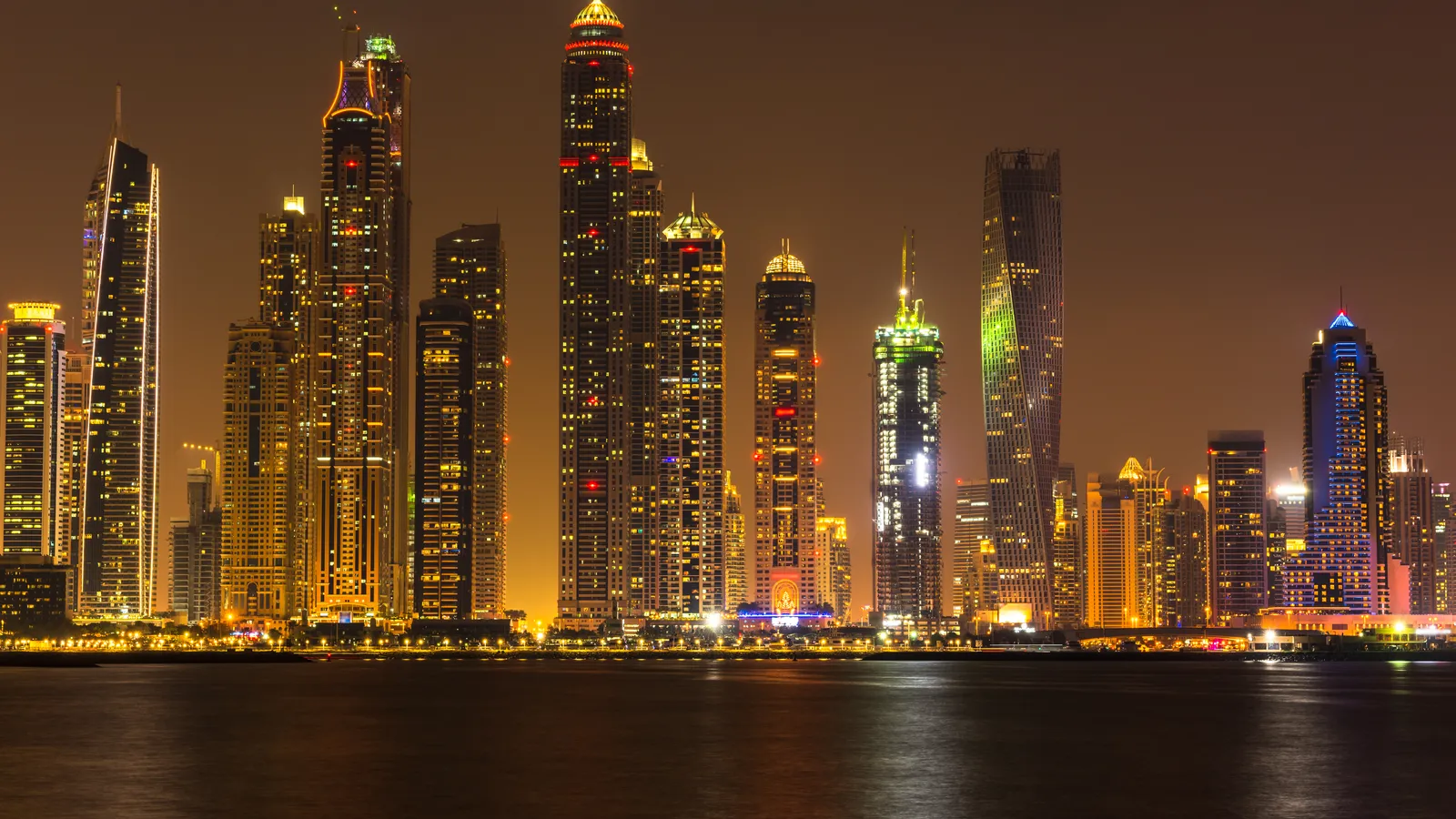
Dubai received more than 691,000 international medical tourists in 2023, who spent more than AED 1.03 billion on health services, according to Dubai Health Authority figures released by the Dubai Media Office [1]. Most of those patients arrived through a hospital's international desk, a referral or an agent. The agent layer is the business this guide is about, and it is regulated very differently from what most setup pages claim.
The short version: a medical tourism facilitation company in Dubai holds a trade licence, not a health facility licence. It cannot treat anyone, it cannot sponsor a patient's visa, and it cannot list on the Dubai Health Authority's Dubai Health Experience platform until it has a year of trading behind it. Get those facts wrong and you budget for the wrong licence, promise patients what you cannot deliver, or price VAT out of your margin.
Since 2013, BusinessDubai.ae has set up licensed companies across the UAE, including healthcare-adjacent businesses. This guide covers the DET activity, the DHA and DXH position, the Dubai Healthcare City option, the tourism licence boundary, treatment visas, patient contracts, marketing and data rules, corporate tax and VAT, and first-year cost. It is general information, not legal, medical or tax advice on your situation.
What is a medical tourism facilitation company in Dubai, and who licenses it?
A medical tourism facilitator in Dubai is licensed by DET under activity 8299007, Medical Treatment Facilitation Services, or inside Dubai Healthcare City as a Medical Tourism Facilitator at an AED 15,000 licence fee. It does not provide treatment, cannot sponsor treatment visas (the hospital does), and can list with DHA's Dubai Health Experience only after one year of operations.
The DET register records activity 8299007 as a Professional activity named Medical Treatment Facilitation Services [2]. Its description is wider than most founders expect. It covers "offices which offer specialized services to patients seeking medical treatments in UAE", and also offices that "act as health tourism provider for patients intend to obtain these services abroad" [2]. One licence therefore covers both directions: bringing patients into Dubai, and sending UAE residents to hospitals overseas.
The same description lists what the business actually does: "contacting hospitals and healthcare providers, coordinating with health insurance providers, handling visas and travel issues", and "provision of logistical information, such as accommodation, ground transportation, expected duration of stay and cost of treatments" [2]. It also covers "handling non-medical barriers that hinder patients' treatments, such as cost and health insurance problems" [2]. Everything on that list is coordination. Nothing on it is clinical.
The Dubai Health Authority (DHA) has legal power over health tourism [3] and runs Dubai Health Experience (DXH), which publishes criteria for listing facilitators [5]. A listing is not a licence, and the criteria exclude new companies.
Real Talk: Several setup pages sell a "DHA facilitator licence" with a fee attached. We searched DHA's published service catalogue, its facility licensing manual and the DXH pages and found no such licence or fee [4][5]. That does not prove one could never exist, so ask DHA in writing before you pay anyone to obtain one. What is published is the DET activity, the DHCC licence and the DXH listing.
What does a medical tourism facilitator do, and what needs a different licence?
A Dubai medical tourism facilitator coordinates: it collects enquiries, sends records to hospitals with the patient's consent, relays quotations, books appointments and arranges logistics. Diagnosis, treatment advice, prescribing and clinical follow-up belong to a DHA-licensed facility and professional. Selling flights, hotels and tours as a product may need a separate DET tourism activity.
The useful way to design the business is to sort every task you plan to offer into three columns before you choose a licence. The table below does that using the DET activity description [2], DHCC's facilitator definition [7] and Dubai's tourism regulation [9].
| Task | Facilitator licence covers it? | What else is needed |
|---|---|---|
| Answering patient enquiries and matching them to hospitals | Yes, under activity 8299007 | Nothing further |
| Collecting reports and sending them to a hospital for a quotation | Yes | Written patient consent; restrict who on your team sees clinical files |
| Relaying the hospital's treatment plan and price | Yes | The plan must come from the treating doctor, not from you |
| Coordinating with the patient's insurer | Yes, it is in the DET description | Nothing further |
| Asking the hospital to file the medical visa | Yes, as coordination | The hospital is the visa sponsor |
| Airport pickup and ground transport information | Information, yes | Operating your own patient transport is a separate transport activity |
| Booking hotels and flights inside a patient package | Unclear | Confirm with DET whether a tourism activity is needed |
| Selling flights, hotels or tours as products | No | A DET tourism licence under Regulation No. 6 of 2006 |
| Telling a patient which procedure to choose | No | A licensed doctor at the treating facility |
| Remote consultations through your own platform | No | A licensed facility with telehealth authorisation |
The facilitator owns logistics and communication; the hospital owns medicine. Travel booking is the grey zone, covered below.
Common Mistake: Giving medical opinions. A coordinator who tells a patient that one implant is better, that a scan "looks fine", or that a cheaper procedure will do the same job is giving medical advice without a licence, and is the person the patient will blame when the result disappoints. Abu Dhabi's medical tourism standard puts it bluntly: "Facilitators shall refrain from giving medical advice in any way." [14] Script your team to route every clinical question to the treating doctor, in writing.
If your plan includes an online booking platform rather than a coordination desk, the DET register carries a different activity for that model, and our telehealth licence guide explains where the platform ends and the clinic begins.
Should you license on the mainland, in a free zone or in Dubai Healthcare City?
Most Dubai medical tourism facilitators suit a mainland DET licence on activity 8299007, because their counterparties are mainland hospitals. Dubai Healthcare City offers a Medical Tourism Facilitator licence at AED 15,000 with AED 10,000 minimum capital and no external approval. Free zones also work for some models, but none brings a 0% tax rate for patient-facing income.
The mainland route on activity 8299007
A mainland company holds a DET professional licence on activity 8299007 [2]. It can contract directly with any hospital or clinic in Dubai and with patients, and it has no geographic limit inside the emirate. The register places the activity in its "Medical Clinic" group, which is a reason to ask DET at initial approval whether any external approval will be attached to your file; the register entry itself names none [2].
BusinessDubai.ae's Dubai mainland package for this kind of company is AED 18,200 in year one without a visa, AED 26,900 with one visa, and about AED 15,000 on renewal [22]. Our mainland company setup page itemises what that covers and what it does not.
The Dubai Healthcare City route
Dubai Healthcare City Authority's Rule No. 1 of 2025, effective 2 May 2025, lists "Medical Tourism Facilitator" with a commercial licence fee of AED 15,000, external approval "N/A" and minimum share capital of AED 10,000 [7]. The 2018 version of the rule set the share capital for the same activity at AED 50,000, so the 2025 rule lowered the entry bar [8].
The DHCC definition is precise: "Firms that provide the coordination of services to individuals crossing international borders for any kind of healthcare related services, delivered through preventive, diagnostic, therapeutic and/or health promotion means (this activity does not include Travel Agency Service)." [7] Two other clauses in the same rule matter. "A DHCA-issued license does not authorize the conduct of business activities outside of DHCC", and licensees must obtain an operating permit before they start [7]. Ask DHCA how that first clause applies to a facilitator whose partner hospitals sit outside the zone.
BusinessDubai.ae has no Dubai Healthcare City package, so we cannot quote an all-in DHCC price. The AED 15,000 is DHCA's licence fee alone; registration, office and visa costs come on top and should be quoted by DHCC directly.
The general free zone route
Several Dubai free zones list medical treatment facilitation as an activity. BusinessDubai.ae's free zone packages are AED 12,500 licence-only, AED 21,850 with one visa and AED 28,400 with two visas at Meydan Free Zone and Dubai South, and AED 12,900, AED 22,200 and AED 25,400 at IFZA, where the price is a partner price [22]. These packages are company formation only.
Two caveats apply to a facilitator. Your customers are patients physically present in Dubai and hospitals on the mainland, so confirm in writing that the zone's licence lets you contract with both. And your patients are natural persons, which takes the 0% Qualifying Free Zone Person rate off the table (see the tax section). Our free zone company setup page compares the zones on the visa column, which is the fair basis.
The table below compares the three routes on the factors that decide this business, using DHCC's rule [7] and BusinessDubai.ae package prices [22].
| Factor | Dubai free zone (Meydan, Dubai South, IFZA) | Dubai mainland (DET 8299007) | Dubai Healthcare City |
|---|---|---|---|
| Year-one price, licence only | AED 12,500 (Meydan, Dubai South); AED 12,900 (IFZA, partner price) | AED 18,200 | AED 15,000 licence fee only; full DHCC quote needed |
| Year-one price, one visa | AED 21,850; AED 22,200 (IFZA) | AED 26,900 | No BusinessDubai.ae package |
| Minimum capital | Per zone | Not set for this activity in the register | AED 10,000 |
| External approval | Confirm with the zone | None named in the register | "N/A" in Rule No. 1 of 2025 |
| Contracting with mainland hospitals | Confirm the zone allows it | Direct | Ask DHCA: the licence does not authorise activities outside DHCC |
| Travel agency service | Not included | Separate DET tourism activity | Expressly excluded from the facilitator activity |
| Corporate tax on patient income | Ordinary rates, 0% to AED 375,000, 9% above | Same | Same |
| Year-two renewal | Ask the zone for its standard renewal price | About AED 15,000 | Annual DHCA renewal |
The DHCC route makes most sense if you want your brand associated with the Healthcare City cluster and your hospital partners are inside it. The DHA versus DHCR split for facilities is explained in our DHA vs MOHAP clinic licence guide, and our healthcare free zones guide compares DHCC with the other zones.
Do you need a DHA licence to run a medical tourism company in Dubai?
No published DHA facilitator licence was found for Dubai. Dubai Law No. 6 of 2018 gives DHA the power to regulate and manage health tourism, and DHA publishes Dubai Health Experience listing criteria for facilitators, but its service catalogue and facility licensing manual show no facilitator licence or fee. Confirm your position with DHA before trading.
The legal hook is real. Law No. 6 of 2018 lists among DHA's functions to "regulate and manage health tourism in the Emirate in coordination with concerned entities" [3]. DHA could introduce a facilitator licence or registration at any time, so check again at each renewal.
What DHA has published does not include one. Its Health Regulation Sector service catalogue lists facility and professional licensing services and mentions health tourism only as a function of the sector [4]. Vendor pages that quote a fee for a "DHA health tourism facilitator licence" cite no DHA source, so we do not repeat their figures.
Pro Tip: Email DHA's medical tourism team before you sign a lease, describe exactly what your company will and will not do, and ask whether any DHA approval applies. Keep the reply in the company file. Partner hospitals, banks and the DXH team will all ask the same question, and a written DHA answer closes it faster than any setup agent's assurance.
What DHA does regulate directly is your partners: every hospital and clinic you work with must hold a DHA or DHCR facility licence, and its doctors must hold professional licences. Check both before a facility goes into a patient package. Our medical clinic setup guide covers the facility side.
How do you get listed on Dubai Health Experience as a medical facilitator?
Dubai Health Experience lists medical facilitators that have at least one year of operations in Dubai, can document collaboration with Dubai healthcare facilities, and build a package with DXH Group Members within 3 months of listing. Packages must stay valid for at least 6 months. Listing is a DHA marketing channel, not a licence.
DXH describes itself as "the brand conceived by the Dubai Health Authority (DHA), to promote the healthcare facilities licensed by DHA and their services" [6]. Its members are hospitals and clinics. Facilitators are listed partners, described as "agents who act as a link between the Healthcare providers and a Health Tourist" [5].
The published criteria for a medical facilitator listing are short and strict [5]:
| DXH criterion (medical facilitator) | What it means for a new company |
|---|---|
| "Minimum one year of operations in the Emirate of Dubai." | A company licensed this month cannot list until next year |
| Documents "to prove existing collaboration with healthcare facilities in Dubai" | Signed hospital agreements, not letters of intent |
| "develop a health care package with DXH Group Members mandatorily within 3 months of company profile listing" | Otherwise the listing is unpublished |
| Packages "valid for a min 6 months" | No short promotional bundles |
| Statistical data after campaigns where you participated | Keep patient-volume records from day one |
The DXH site also lists a separate "Travel Trade Facilitator" category for companies offering travel or tourism services, which requires "a Valid Trade License issued by the relevant authorities within the Emirate of Dubai" and a "dedicated International desk/resource" [5]. The DXH medical facilitator page listed seven companies when we checked on 3 November 2026, including one mainland LLC named after the DET activity and one company with a free zone suffix [5].
Pro Tip: Plan the DXH listing for month 13. Spend year one signing written agreements with three to five DXH member hospitals, logging every patient case, and drafting the package you will submit. On the first anniversary of your licence you can then apply with collaboration evidence ready and launch the package inside the 3-month window instead of racing it.
Common Mistake: Putting "DHA approved" or "DXH partner" on a website before a listing exists. DHA's social media standard bars licensed facilities from using DHA's name or logo without written approval [16], and a partner hospital will not want to be associated with a facilitator that does it. Describe your hospitals by name and licence, and add the DXH reference only once the listing is live.
Can a medical tourism facilitator book flights, hotels and tours for patients?
Selling flights, hotels and tours in Dubai is a separate DET tourism activity under Dubai Regulation No. 6 of 2006, which requires a licence for "any tourist activity". Whether a facilitator that only arranges a hotel or transfer inside a patient package also needs it is not settled in published rules, so confirm with DET.
Regulation No. 6 of 2006 is direct: "An Establishment may not conduct any tourist activity in the Emirate without obtaining a relevant Licence from the DTCM." [9] DET has since absorbed the old tourism department. The regulation names four tourist activities, including the Inbound Tour Operator, whose arrangements "include processing visa applications and providing transportation, hotel accommodation, and similar services" [9].
That definition overlaps with the DET facilitation description, which also mentions "handling visas and travel issues" and accommodation information [2]. No published DET guidance resolves the overlap for medical facilitators. A tourism licence also carries its own conditions: the regulation requires "an independent office space of an area not less than forty square metres (40 sq. m) for conducting each tourist activity" and "a manager in charge and three (3) employees for each tourist activity" [9].
DHCC removes the doubt in its own zone: its facilitator activity "does not include Travel Agency Service", and the rule lists travel agency separately with DET as the external approval [7].
Real Talk: Most new facilitators do not need to become travel agents. The cleaner model is to give patients hotel options near the hospital, let them book directly or through a licensed travel agency partner, and keep your invoice to the facilitation fee. If you want to sell flights and hotels as products, read our travel agency setup guide first, because the office and staffing rules change the cost of the business.
Who sponsors a patient's medical treatment visa, and what does it cost?
A UAE medical treatment visa is sponsored by a licensed health facility, not by the facilitator. The GDRFA page lists a 90-day single-entry visa at AED 200 and a 180-day visa at AED 500, and also lists AED 300 and AED 900, plus 5% VAT, with a security deposit of AED 1,000 single entry or AED 2,000 multiple.
The Dubai General Directorate of Residency and Foreigners Affairs (GDRFA) describes the medical visa as a visit visa for treatment, valid for 90 or 180 days, for which "the sponsor / host should be licensed as health facilities in UAE" [10]. Its extension page repeats the point: "The application is made through the guarantor/host, in this case licensed health facilities in the country" [12]. A facilitator has no sponsor role. Your job is to get the hospital's visa desk everything it needs, quickly.
GDRFA asks for a photo, a passport valid for at least six months, an approved medical report and a letter from the host, and the beneficiary "should have medical insurance" [10]. The fee lines on the GDRFA pages, as read on 3 November 2026, are below [10][11][12].
| GDRFA medical visa line | Amount (AED) | Notes |
|---|---|---|
| 90-day visa, one entry | 200, or 300 | The page lists both fee sets without saying when each applies; plus 5% VAT |
| 180-day visa, one entry | 500, or 900 | Same two sets; plus 5% VAT |
| Security deposit, one entry | 1,000 | Per person |
| Security deposit, several entries | 2,000 | Per person |
| Deposit service fee | 20 | Per deposit |
| Deposit collection and reimbursement fee | 40 | Per deposit |
| Extra fees if the person is already inside the UAE | 10 + 10 + 500 | Knowledge Dirham, Innovation Dirham and the inside-UAE fee |
| Extension | 600 | Plus 5% VAT; total stay no more than 180 days |
| Companion (escort) visa | Same fee lines and deposits | Sponsored by the same health facility |
The extension can be granted "one or more times for a total of no more than (180) days" [12]. A companion must hold the same visa type, and the companion's visa "is not extended unless the patient's entry visa is extended" [11]. Plan longer recoveries, such as orthopaedic or oncology cases, around that 180-day ceiling.
Quick Math: A patient and one companion on 90-day single-entry visas at the AED 200 tier pay AED 210 each with 5% VAT, so AED 420 for two. Add the AED 1,000 single-entry deposit each (AED 2,000) and AED 60 each in sponsorship service and collection fees (AED 120). The cash the hospital will ask for is about AED 2,540, of which AED 2,000 is deposit [10][11]. At the AED 300 tier, the visa line rises to AED 630 and the total to about AED 2,750.
In June 2026, DHA and GDRFA signed a memorandum on a "smart medical visa" to let Dubai Health Experience network members file medical visa applications more efficiently [13]. It was announced, not launched, when this guide was written, and no published rule gives facilitators a role in it.
What should a medical tourism patient contract include?
A Dubai medical tourism patient contract should set out a final quotation showing what is included and what is not, who is responsible for what, the payment and cancellation policy, consent to share personal data with the hospital, and the route for complaints. Abu Dhabi's Department of Health standard is the best published model for those terms.
Dubai has no published standard for facilitator conduct. Abu Dhabi does. The Department of Health (DoH) Standard on Medical Tourism, published in September 2024 and effective from March 2025, applies to DoH-licensed facilities and defines a facilitator as "an intermediary organization or individual appointed by the healthcare facility that assists patients in coordinating various aspects of their medical travel experience" [14]. It is not Dubai law, but its duties are the clearest published list of what a patient should be told, and a Dubai hospital's legal team will recognise them.
The table below turns the DoH facilitator duties into contract clauses for a Dubai company [14].
| DoH Standard duty | Contract clause for a Dubai facilitator |
|---|---|
| A final quotation "clear enough to allow them to identify what is included and what is not" | Itemised quote: hospital fees, your fee, visa, deposits, hotel, transport; list the exclusions |
| "coverage in case of complications (if any) shall be determined" | State who pays for complications and readmission, quoting the hospital's own policy |
| Inform the patient of "The payment policy" | Deposit, instalments, refund triggers and currency |
| "The responsibility of every party in the process (facilitator and Healthcare Facility)" | A plain split: the hospital treats, you coordinate |
| "The applicable legislation, which is the one in the country where the treatment is carried out" | Governing law and forum for the treatment relationship |
| "formal consent for their personal information to be collected and disseminated to the medical staff" | A signed data consent before records move |
| "Ensure that administrative personnel of the facilitator have no access to clinical data." | Access controls: only named case managers see medical files |
| "acts as a mediator in case of complications or unsatisfactory results" | Your role and response time when something goes wrong |
| "Facilitators shall ensure transparency in their transactions with the medical tourist." | Disclose any payment you receive from the hospital |
If you also send patients to Abu Dhabi hospitals, the standard applies to those hospitals directly and they will appoint facilitators under it. Our business setup in Abu Dhabi page explains when a separate Abu Dhabi entity makes sense.
Can a medical tourism facilitator take commission from hospitals in Dubai?
No published source reviewed for this guide says whether referral commissions paid by Dubai hospitals to medical tourism facilitators are lawful or unlawful. Treat the question as open: put any payment arrangement in a written agreement, disclose it to the patient, and take legal advice on Dubai's medical liability and professional conduct rules first.
Facilitators earn from a patient fee, a hospital-paid fee or commission, or both. The hospital payment carries the legal risk, because it can look like a reason to steer patients, and we found no DHA, DET or federal text that answers the question for facilitators. What is published is the DoH transparency duty [14]. As good practice in Dubai, it gives a simple test: if you would not show the patient the arrangement, do not sign it.
Common Mistake: Running hospital payments on a handshake. If a payment from a hospital is not in a written agreement, you cannot show the patient, the bank or a tax auditor what it was for. Banks reviewing a new company's account will ask where its receipts come from, and an undocumented payment from a hospital is an easy reason to pause the file. Put the service, the fee basis and the disclosure obligation in writing.
Who is liable when treatment goes wrong, and what insurance does a facilitator need?
A medical tourism facilitator in Dubai is not liable for clinical outcomes it did not cause, because the treating facility and doctor carry medical responsibility. The facilitator is liable for its own service: wrong information, lost records, missed bookings, data breaches and money handling. DHA's patient protection route excludes financial complaints, so the contract decides those disputes.
DXH's patient protection page explains that DHA handles medical complaints about health professionals and facilities, but "non-medical complaints including financial, criminal, insurance related and complaints related to conduct and behaviours are out of scope of our services" and may go to the facility's customer service desk [15]. A dispute about your fee, a refund or a hotel booking has no DHA forum. It goes to whatever your contract says.
So write the dispute route into the patient contract, keep patient money separate from operating money, and buy professional indemnity cover that the insurer confirms in writing extends to coordination, data breaches and cross-border clients. We do not quote premiums; get insurer quotes on your actual model. The patient's own medical insurance, required for the visa [10], may or may not pay for complications, and the answer belongs in your quotation.
What marketing and patient data rules apply to a medical tourism facilitator?
Dubai's medical advertising rules bind DHA-licensed facilities and professionals, so a facilitator's adverts about a hospital's treatments should be cleared with that hospital first. Patient health data is sensitive: get written consent before records move, restrict clinical files to named staff, and check the federal health data law before storing records outside the UAE.
DHA's standard for medical advertisement content on social media applies to "All DHA licensed health facilities and healthcare professionals engaged in SMAs" [16]. A facilitator is not in that list, but its partner hospitals are, and the rules shape what the hospital can approve. Facilities "shall not feature patients receiving services in DHA based health facilities in their international accounts", and must not use DHA's or another authority's name or logo without "explicit written approval" [16].
Market your service, not their medicine. Send every claim about a hospital, doctor, success rate or price to the facility for written sign-off, and treat testimonials and before-and-after photos as needing both the hospital's approval and the patient's written consent.
On data, Federal Law No. 2 of 2019 on the use of ICT in health fields restricts storing and processing health data relating to health services provided in the UAE outside the country, subject to exceptions set by the health ministry [17]. How that applies to records a foreign patient sends before arrival is not settled in the sources we read, so take advice if your systems sit abroad. The DoH duties on consent and on keeping administrative staff away from clinical data are the right operating baseline wherever your servers are [14]. The federal personal data protection position is covered in our UAE PDPL guide.
How is a medical tourism facilitation company taxed in Dubai?
A medical tourism facilitator pays UAE corporate tax at ordinary rates, 0% on taxable income up to AED 375,000 and 9% above, whether licensed on the mainland or in a free zone. Facilitation is not a Qualifying Activity, and transactions with natural persons are excluded, so the 0% free zone rate does not apply.
Ministerial Decision No. 229 of 2025 sets out the exhaustive list of Qualifying Activities for a Qualifying Free Zone Person. Medical or patient facilitation is not on it [18]. Article 2(2)(a) also treats as an Excluded Activity "Any transactions with natural persons, except transactions in relation to the Qualifying Activities specified under paragraphs (e), (g), (h) and (k) of Clause (1) of this Article" [18]. Patients are natural persons. Hospital-paid fees are not Qualifying income either.
The result is the same tax bill in a free zone as on the mainland: 0% to AED 375,000 of taxable income and 9% above. A company with revenue at or under AED 3,000,000 can elect Small Business Relief for tax periods ending on or before 31 December 2029, under Ministerial Decision No. 131 of 2026 [19]. Our Small Business Relief guide explains the election and what you give up by making it.
Quick Math: A facilitator with AED 600,000 of taxable income pays nothing on the first AED 375,000 and 9% on the remaining AED 225,000, so AED 20,250 of corporate tax. If its revenue is at or under AED 3,000,000 and it elects Small Business Relief, the period's tax is nil. In neither case does a free zone licence change the figure, because the income comes from natural persons and a non-qualifying activity [18][19].
Is VAT charged on medical tourism facilitation fees?
VAT at 5% applies to a Dubai medical tourism facilitator's fee. In our reading, the export zero rate does not apply to inbound patients, because they are in the UAE when the service is performed and their presence is connected with it. Arranging treatment abroad for UAE residents may qualify for zero-rating; confirm both with a tax adviser.
The export rule sits in Article 31 of the VAT Executive Regulation. Article 31(1)(a) zero-rates services to a recipient with no place of residence in the UAE who is "outside the State at the time the Services are performed" [21]. Article 31(2) treats a short visitor as outside the State only if the presence is under 30 days "and the presence is not effectively connected with the supply" [21]. A patient in Dubai for the treatment you coordinated is present because of the supply. In our reading that fails the test, so inbound facilitation is 5%.
Outbound work is different. Article 31(1)(b) zero-rates services that "are actually performed outside the Implementing States or are the arranging of services that are actually performed outside the Implementing States" [21]. Arranging surgery in another country for a Dubai resident may fall within it. Take advice before you invoice at 0%, and keep the evidence that the treatment happened abroad.
The healthcare zero rate does not help the facilitator. Article 45(14) of Federal Decree-Law No. 8 of 2017 zero-rates "preventive and basic healthcare Services", and Article 41 of the Executive Regulation limits it to supplies made by a licensed healthcare body, doctor, nurse, technician, dentist or pharmacy [20][21]. Your fee is not made by any of them. Article 41 also excludes "Elective treatment for cosmetic reasons other than prescribed by a doctor or medical professional for treating or prevention of a medical condition" [21], which matters because dentistry and dermatology lead Dubai's medical tourism demand [1].
The table below summarises the positions, using the Executive Regulation [21] and the Decree-Law [20].
| Supply | VAT position | Basis |
|---|---|---|
| Facilitation fee to an inbound patient | 5%, in our reading | Art. 31(2): presence connected with the supply |
| Fee or commission from a Dubai hospital | 5%, in our reading | Service to a UAE business |
| Arranging treatment abroad for a UAE resident | May be 0% | Art. 31(1)(b); take advice |
| Hospital's own treatment invoice | 0% if qualifying healthcare by a licensed provider | Art. 45(14) Decree-Law, Art. 41 Executive Regulation |
| Cosmetic elective treatment | 5% | Art. 41(3)(b) exclusion |
| Hotel or transport you resell | Depends on whether you act as principal or agent | Take advice |
One open question decides the VAT on a whole package: whether you act as the patient's agent, passing hospital charges on at cost, or as principal, reselling treatment inside your own supply. It changes what you invoice VAT on, so settle it with an adviser before your first package price. Mandatory VAT registration starts at AED 375,000 of taxable supplies and voluntary registration at AED 187,500; our VAT registration guide covers the process and our export zero-rating guide covers Article 31 in more depth.
Common Mistake: Marketing packages as "VAT-free" because healthcare is zero-rated. The hospital's treatment may be zero-rated; your fee is not, cosmetic elective procedures are not, and a hotel night is not. A package price quoted without VAT on those lines comes out of your margin, not the patient's pocket.
If you want the corporate tax and VAT position set up correctly from the first invoice, model your position→
How big is Dubai's medical tourism market in 2026?
The latest official figure is for 2023: more than 691,000 international medical tourists visited Dubai and spent more than AED 1.03 billion on health services, according to DHA data released by the Dubai Media Office on 19 August 2024. No later official total had been published by November 2026.
The same release gives the shape of demand, and it should drive which hospitals you partner with first [1].
| Measure (2023, DHA via Dubai Media Office) | Figure |
|---|---|
| International medical tourists | More than 691,000 (674,000 in 2022) |
| Spending on health services | More than AED 1.03 billion (AED 992 million in 2022) |
| Indirect spending | AED 2.3 billion |
| Leading specialties | Dentistry 29%, dermatology 27%, gynaecology 13% |
| Leading source regions | Asia 33%, GCC 28%, Europe and CIS 23% |
| Patient gender split | 58% women, 42% men |
Dentistry and dermatology include much elective work, which carries the cosmetic VAT question above; our aesthetic clinic guide shows how those clinics are licensed. GCC patients are more than a quarter of demand, which makes Arabic-speaking coordination an obvious first niche. Fertility partners are regulated as described in our IVF clinic guide.
The table below compares Dubai with Abu Dhabi and Sharjah as a base for a facilitator, using the DoH standard [14], DHCC's rule [7] and Ministerial Decision No. 229 of 2025 [18].
| Base | Facilitator licence route | Published facilitator conduct rules | Corporate tax on patient income | Residency |
|---|---|---|---|---|
| Dubai mainland | DET activity 8299007 | None found; DXH listing criteria only | 0% to AED 375,000, 9% above | Investor and employee visas through the company |
| Dubai Healthcare City | DHCA Medical Tourism Facilitator, AED 15,000 | None found beyond the activity definition | Same | Through DHCC |
| Abu Dhabi | Facilitator appointed by a DoH-licensed facility | DoH Standard on Medical Tourism, effective March 2025 | Same | Through the Abu Dhabi company |
| Sharjah | Confirm activity with the Sharjah licensing authority | Not reviewed for this guide | Same | Through the Sharjah company |
Sharjah's facilitator rules were outside the sources reviewed here. If a lower-cost base matters more than a Dubai address, our business setup in Sharjah page explains what a Sharjah licence buys; check the activity with the Sharjah authority first.
How much does a medical tourism company cost to set up in Dubai in year one?
A Dubai mainland medical tourism facilitator costs AED 26,900 in year one with one visa through BusinessDubai.ae, or AED 18,200 without a visa, with about AED 15,000 on renewal. Free zone packages start at AED 21,850 with one visa. A Dubai Healthcare City licence fee alone is AED 15,000. Office, staff, insurance and marketing are extra.
The table below itemises a first year, using BusinessDubai.ae package prices [22] and DHCC's published licence fee [7]. Every BusinessDubai.ae package is company formation only.
| Cost item | Amount (AED) | Notes |
|---|---|---|
| Dubai mainland package, no visa | 18,200 | Year one; company formation only |
| Dubai mainland package, one visa | 26,900 | Year one; company formation only |
| Meydan Free Zone or Dubai South, licence only / one visa / two visas | 12,500 / 21,850 / 28,400 | Company formation only |
| IFZA, licence only / one visa / two visas | 12,900 / 22,200 / 25,400 | Partner price; company formation only |
| Dubai Healthcare City licence fee | 15,000 | DHCA fee only; no BusinessDubai.ae package; minimum capital AED 10,000 |
| Office or desk beyond the package | Quote | Depends on whether hospitals and banks expect a walk-in office |
| Case managers and coordinators | Quote | Language skills drive cost; each hire needs an employee visa |
| Professional indemnity insurance | Quote | Get insurer quotes on your model |
| Website, CRM and secure records system | Quote | Budget for access controls on clinical files |
| Marketing in source markets | Quote | Pre-clear hospital claims |
| DET tourism activity, if needed | Quote | Only if DET says your travel arrangements require it |
| Year-two renewal, mainland | About 15,000 | BusinessDubai.ae renewal estimate |
| Year-two renewal, free zone | Ask the zone | Ask for the standard renewal price, not the launch price |
The licence line is small and predictable. People, insurance and marketing decide whether the business survives year one, and none of them changes with the jurisdiction.
Quick Math: On BusinessDubai.ae prices, a mainland company with one visa costs AED 26,900 in year one and about AED 15,000 in year two, so AED 41,900 over two years before office, staff and marketing [22]. A Meydan package with one visa starts at AED 21,850 in year one. The year-one gap is AED 5,050, and for a facilitator it buys no tax saving, so compare on hospital access, not headline price.
For an itemised quote on your model, mainland against free zone, get a free consultation→
After the licence comes the bank account. Banks will ask how patient money and hospital payments flow, so have your contracts ready; our corporate bank account guide explains what they look for. Renewals, visas and accounting then recur, and our post-setup services team runs that calendar so the renewal does not land in a busy patient month.
Which setup fits your medical tourism model?
The right Dubai setup for a medical tourism business depends on where patients come from, where they are treated and whether you sell travel. Inbound and outbound facilitators fit a mainland DET licence on activity 8299007, a DHCC-focused model fits the AED 15,000 DHCC licence, and travel-led packagers need a tourism licence as well.
The table below maps six common models to a structure, using the DET register [2], DHCC's rule [7], Regulation No. 6 of 2006 [9] and the VAT Executive Regulation [21].
| Model | Suggested structure | Licence to confirm | VAT note |
|---|---|---|---|
| Inbound facilitator for GCC patients | Dubai mainland, activity 8299007 | DET initial approval; ask DHA in writing | 5% on your fee, in our reading |
| Outbound facilitator sending UAE residents abroad | Dubai mainland or a free zone, activity 8299007 | The activity covers outbound work | Arranging treatment abroad may be 0%; take advice |
| Hospital's in-house international patient desk | Usually no separate company | Confirm with the hospital's regulator that no extra licence is needed | Falls within the hospital's own VAT position |
| Dental or cosmetic tourism packager | Dubai mainland, activity 8299007 | Pre-clear every claim with the clinic | Cosmetic elective treatment is 5% |
| DHCC-based facilitator | DHCA Medical Tourism Facilitator | Operating permit; ask about work with hospitals outside DHCC | 5% on your fee, in our reading |
| Travel agency adding medical packages | Mainland with a DET tourism licence plus activity 8299007 | Both activities on the licence | Hotels and flights follow the travel agency rules |
Real Client Stories
These are composite examples built from the situations medical tourism founders most often face in Dubai. Names and details are illustrative, and the only figures used are published government fees and BusinessDubai.ae's package prices.
The GCC coordinator who planned to list on DXH in month one
A bilingual coordinator from a Dubai hospital's international desk set up on the Dubai mainland under activity 8299007, with BusinessDubai.ae's AED 26,900 one-visa package. Her plan relied on a Dubai Health Experience listing to win Gulf patients from launch. The published criteria require a minimum one year of operations in Dubai, so the listing could not happen until her second year. She used year one to sign agreements with four DXH member hospitals and log every case, then applied in month thirteen with the collaboration evidence ready. Lesson: build the hospital agreements first and treat the DXH listing as a year-two milestone.
The outbound facilitator who expected 0% tax
A founder sending Dubai residents to orthopaedic hospitals overseas chose an IFZA package at AED 22,200 with one visa, assuming the free zone meant 0% corporate tax. His income came from patients, who are natural persons, and medical facilitation is not a Qualifying Activity, so his company is taxed at the ordinary rates of 0% to AED 375,000 and 9% above. His adviser also reviewed whether his fee for arranging treatment abroad could be zero-rated for VAT under Article 31(1)(b). Lesson: choose the zone for access and cost, and get the VAT position in writing before invoicing.
The cosmetic packager who quoted VAT-free bundles
A founder targeting dental and cosmetic patients from Europe and the CIS priced all-inclusive bundles of treatment, hotel and transfers, and advertised them as VAT-free because healthcare is zero-rated. Cosmetic elective treatment is excluded from the healthcare zero rate, her own facilitation fee carried 5% VAT, and reselling hotel nights raised the question of whether she needed a DET tourism activity. She rebuilt the offer: the clinic invoiced treatment, a licensed travel agency booked hotels, and she invoiced only her fee. Lesson: price each line under its own VAT rule.
Start your medical tourism company the right way
Three decisions shape a Dubai medical tourism facilitator. The licence: DET activity 8299007 for most models, or the DHCC licence if your hospitals are in the Healthcare City, with the DHA position confirmed in writing. The role: you coordinate, the hospital treats and sponsors the visa, and your contract says so. The tax: ordinary corporate tax rates in any zone and 5% VAT on inbound fees in our reading.
BusinessDubai.ae has completed 700+ company registrations across the UAE, with itemised pricing and no hidden fees. We will price a mainland company setup on activity 8299007 against a free zone company setup on the factors that matter for a facilitator, which are hospital contracting, visa count and renewal cost. After licensing, our post-setup services team handles visas, renewals and accounting so the calendar does not interrupt patient work.
If you have decided to open a clinic rather than coordinate patients for other clinics, start with our medical clinic setup guide instead.
Frequently Asked Questions
Licensing
Who licenses a medical tourism company in Dubai?
The Dubai Department of Economy and Tourism licenses a mainland medical tourism facilitator under activity 8299007, Medical Treatment Facilitation Services. Inside Dubai Healthcare City, the Dubai Healthcare City Authority issues a Medical Tourism Facilitator commercial licence. No published Dubai Health Authority facilitator licence was found, so confirm with DHA before trading.
What is the DET activity code for medical tourism facilitation?
The DET activity is 8299007, Medical Treatment Facilitation Services, a Professional activity in the public register. It covers patients seeking treatment in the UAE and patients travelling abroad for treatment. Some free zone pages print a different code, so confirm the code on your own initial approval.
Is there a DHA medical tourism facilitator licence?
No published DHA facilitator licence was found in DHA's service catalogue, licensing manual or Dubai Health Experience pages as of November 2026. DHA has a legal power to regulate health tourism under Law No. 6 of 2018, so ask DHA in writing whether any approval applies to your model.
Do I need a doctor on staff to run a medical tourism company?
No published DET or DHA rule requiring a clinician on a facilitator's staff was found. A facilitator must not give medical advice, so clinical questions go to the treating doctor at a licensed facility, and any clinical work needs DHA licensing.
Can I run a medical tourism company from a Dubai free zone?
Yes, several Dubai free zones list medical treatment facilitation, and BusinessDubai.ae's Meydan Free Zone and Dubai South packages start at AED 12,500 without a visa. Confirm in writing that the zone lets you contract with mainland hospitals and patients in Dubai. A free zone does not bring 0% tax on patient income.
What is the minimum share capital for a DHCC medical tourism facilitator?
Dubai Healthcare City Authority's Rule No. 1 of 2025 sets the minimum share capital for a Medical Tourism Facilitator at AED 10,000, with a licence fee of AED 15,000 and no external approval. The 2018 rule had set the capital at AED 50,000.
Can a DHCC medical tourism facilitator licence be used outside Dubai Healthcare City?
Dubai Healthcare City's Rule No. 1 of 2025 states that a DHCA-issued licence does not authorise business activities outside DHCC. A facilitator working mainly with mainland hospitals should ask DHCA how that applies before choosing the zone, or choose a mainland DET licence instead.
Visas
Can a medical tourism facilitator sponsor a patient's visa?
No. GDRFA states that the sponsor or host for a UAE medical treatment visa must be a licensed health facility. The facilitator collects the documents and coordinates with the hospital's visa desk, but the hospital files the application and pays or collects the security deposit.
How long can a patient stay in Dubai on a medical treatment visa?
A GDRFA medical visa is issued for 90 or 180 days, single or multiple entry. It can be extended one or more times for a total stay of no more than 180 days, with an extension fee of AED 600 plus 5% VAT, applied for by the host health facility.
Can a family member accompany a patient on a medical visa?
Yes. GDRFA issues an escort or companion visa sponsored by the same licensed health facility, with the same fee lines and deposits as the patient visa. The companion must enter with the patient and hold the same visa type, and is only extended if the patient's visa is extended.
What is the security deposit for a Dubai medical treatment visa?
The GDRFA medical visa page lists a security deposit of AED 1,000 for a single-entry visa and AED 2,000 for multiple entries, per person. It also lists an AED 20 sponsorship service fee and an AED 40 sponsorship collection and recovery fee.
What is Dubai's smart medical visa?
The smart medical visa is a plan announced by DHA and GDRFA in a memorandum signed in June 2026, aimed at simplifying medical visas for Dubai Health Experience network members. As of November 2026 it was announced but not launched, with no published rules or role for facilitators.
Dubai Health Experience and tourism
Can a new company list on Dubai Health Experience straight away?
No. Dubai Health Experience requires a medical facilitator to have a minimum of one year of operations in Dubai and documents proving collaboration with Dubai healthcare facilities. A new company should plan its application for its second year and build hospital agreements in year one.
What happens if a DXH-listed facilitator does not create a package?
Dubai Health Experience requires a listed medical facilitator to develop a healthcare package with DXH Group Members within 3 months of its profile listing, and says the listing is otherwise unpublished. Packages must remain valid for at least 6 months.
Do I need a tourism licence to book hotels for medical tourists?
Possibly. Dubai Regulation No. 6 of 2006 requires a DET licence for any tourist activity, and its Inbound Tour Operator definition includes hotel accommodation and transport. Whether arranging a hotel inside a patient package counts is not settled in published rules, so confirm with DET.
Is medical tourism facilitation a qualifying activity for 0% free zone tax?
No. Ministerial Decision No. 229 of 2025 does not list medical facilitation as a Qualifying Activity, and it treats transactions with natural persons as excluded. A free zone facilitator pays ordinary corporate tax: 0% on taxable income up to AED 375,000 and 9% above.
Does Small Business Relief apply to a medical tourism company?
Yes, if revenue is at or under AED 3,000,000 in the tax period. Small Business Relief applies to tax periods ending on or before 31 December 2029 under Ministerial Decision No. 131 of 2026, and the company must elect it for each period.
Is VAT charged on facilitation fees for overseas patients?
Yes, in our reading. A patient in Dubai for treatment is present in the UAE in connection with the service, which fails the export zero-rating test in Article 31 of the VAT Executive Regulation. Charge 5% unless a tax adviser confirms a different position for your contracts.
Is outbound medical tourism facilitation zero-rated for VAT?
It may be. Article 31(1)(b) of the VAT Executive Regulation zero-rates the arranging of services actually performed outside the UAE and the other GCC implementing states. A facilitator arranging surgery abroad for UAE residents should take advice and keep evidence of where the treatment took place.
Is cosmetic treatment zero-rated for VAT in the UAE?
No. Article 41 of the VAT Executive Regulation excludes elective treatment for cosmetic reasons unless prescribed by a doctor or medical professional to treat or prevent a medical condition. Cosmetic elective work is standard-rated at 5%, which matters for dental and dermatology tourism packages.
When must a medical tourism facilitator register for VAT?
A UAE business must register for VAT once taxable supplies exceed AED 375,000 over 12 months, and may register voluntarily from AED 187,500. Hospital commissions and patient fees both count toward the threshold, so track them from the first month.
Operations
Can Dubai hospitals pay medical tourism facilitators a commission?
No published source reviewed for this guide says whether hospital referral commissions to facilitators are lawful or unlawful in Dubai. Put any arrangement in a written agreement, disclose it to the patient, and take legal advice before you sign. Abu Dhabi's standard requires facilitators to be transparent in their transactions.
Can a medical tourism facilitator post patient testimonials?
Only with care. DHA's social media advertising standard binds licensed facilities and bars them from featuring patients treated in Dubai facilities on their international accounts. Clear every testimonial, photo and claim with the treating facility in writing, and get the patient's written consent.
Can a facilitator store patient medical records outside the UAE?
Be cautious. Federal Law No. 2 of 2019 restricts storing and processing health data relating to health services provided in the UAE outside the country, with exceptions set by the health ministry. Take legal advice before using overseas cloud systems, and keep clinical files limited to named staff.
Where does a patient complain if a facilitator overcharges?
DHA's patient protection route handles medical complaints about licensed professionals and facilities, but financial, insurance and conduct complaints are outside its scope. Fee and refund disputes with a facilitator follow the patient contract, so write a clear complaint process and governing law into it.
Do Abu Dhabi medical tourism rules apply to a Dubai facilitator?
Abu Dhabi's DoH Standard on Medical Tourism applies to DoH-licensed healthcare facilities, which appoint their facilitators. A Dubai facilitator sending patients to Abu Dhabi hospitals will meet its terms through the hospital's appointment. In Dubai it is a useful model for patient contracts, not binding law.
How many medical tourists does Dubai receive?
Dubai received more than 691,000 international medical tourists in 2023, spending more than AED 1.03 billion on health services, according to DHA data released by the Dubai Media Office in August 2024. Dentistry, dermatology and gynaecology were the leading specialties. No later official total had been published by November 2026.
References
[1] Dubai Media Office, relaying Dubai Health Authority data. More than 691,000 international medical tourists in 2023, spending above AED 1.03 billion, indirect spending, specialty, gender and source-market shares (19 August 2024). Dubai welcomes more than 691,000 medical tourists
[2] Dubai Department of Economy and Tourism, business activity list as recorded in a public copy of the register. Activity 8299007, Medical Treatment Facilitation Services, Professional licence, with its full description. Medical Treatment Facilitation Services
[3] Government of Dubai. Law No. 6 of 2018 Concerning the Dubai Health Authority, including the function to regulate and manage health tourism. Dubai Law No. 6 of 2018
[4] Dubai Health Authority. Health Regulation Sector service catalogue: facility and professional licensing services and the sector's health tourism function. DHA Health Regulation services
[5] Dubai Health Experience (Dubai Health Authority). DXH ecosystem page: medical facilitator and travel trade facilitator listing criteria; listed medical facilitators. DXH ecosystem
[6] Dubai Health Experience (Dubai Health Authority). Frequently asked questions, including the description of DXH as a DHA brand. DXH FAQ
[7] Dubai Healthcare City Authority. Rule No. 1 of 2025, effective 2 May 2025: Medical Tourism Facilitator licence fee, external approval, share capital, activity definition, operating permits and the limit on activities outside DHCC. DHCC Rule No. 1 of 2025
[8] Dubai Healthcare City Authority. Rule No. 1 of 2018: earlier share capital for the Medical Tourism Facilitator activity. DHCC Rule No. 1 of 2018
[9] Government of Dubai. Regulation No. 6 of 2006 on tourist activities, as amended: licence requirement, the four tourist activities, office and staffing conditions. Dubai Regulation No. 6 of 2006
[10] General Directorate of Residency and Foreigners Affairs Dubai. Issuing a medical visa for one or several entries: sponsor rule, documents, fees, deposits and insurance condition. GDRFA medical visa
[11] General Directorate of Residency and Foreigners Affairs Dubai. Escort or companion visa for a patient: sponsor, documents, fees and extension rule. GDRFA companion visa
[12] General Directorate of Residency and Foreigners Affairs Dubai. Extending a medical visa: fee, 180-day total and the host facility as applicant. GDRFA medical visa extension
[13] Gulf News. Dubai simplifies medical visas to boost health tourism: DHA and GDRFA memorandum on a smart medical visa (3 June 2026). Gulf News, smart medical visa
[14] Department of Health Abu Dhabi. Standard on Medical Tourism, published September 2024, effective March 2025: facilitator definition, duties and Appendix 1 competencies. DoH Standard on Medical Tourism
[15] Dubai Health Experience (Dubai Health Authority). The Patient Protection Plan: medical complaints route and the exclusion of non-medical complaints. DXH Patient Protection Plan
[16] Dubai Health Authority. Standards for Medical Advertisement Content on Social Media, issue 1.1: scope, patient features and use of authority names. DHA social media advertising standard
[17] Baker McKenzie via Global Compliance News. UAE health data law: permitted transfers of health data under Federal Law No. 2 of 2019 and the ministry resolution (21 July 2021). UAE health data transfers
[18] UAE Ministry of Finance. Ministerial Decision No. 229 of 2025 regarding Qualifying Activities and Excluded Activities, including transactions with natural persons. MD 229 of 2025
[19] Farahat and Co. UAE extends Small Business Relief until 31 December 2029 under Ministerial Decision No. 131 of 2026. Small Business Relief extension
[20] Federal Tax Authority. Federal Decree-Law No. 8 of 2017 on Value Added Tax, Article 45 zero-rated supplies including preventive and basic healthcare. VAT Decree-Law
[21] Federal Tax Authority. Executive Regulation of the VAT Decree-Law (Cabinet Decision No. 52 of 2017 and amendments, unofficial translation, published 18 September 2025): Article 31 export of services and Article 41 healthcare zero-rating. VAT Executive Regulation
[22] BusinessDubai.ae. Internal data: 2026 company formation package prices for Dubai mainland, Meydan Free Zone, Dubai South and IFZA (partner price), and mainland renewal estimates. businessdubai.ae