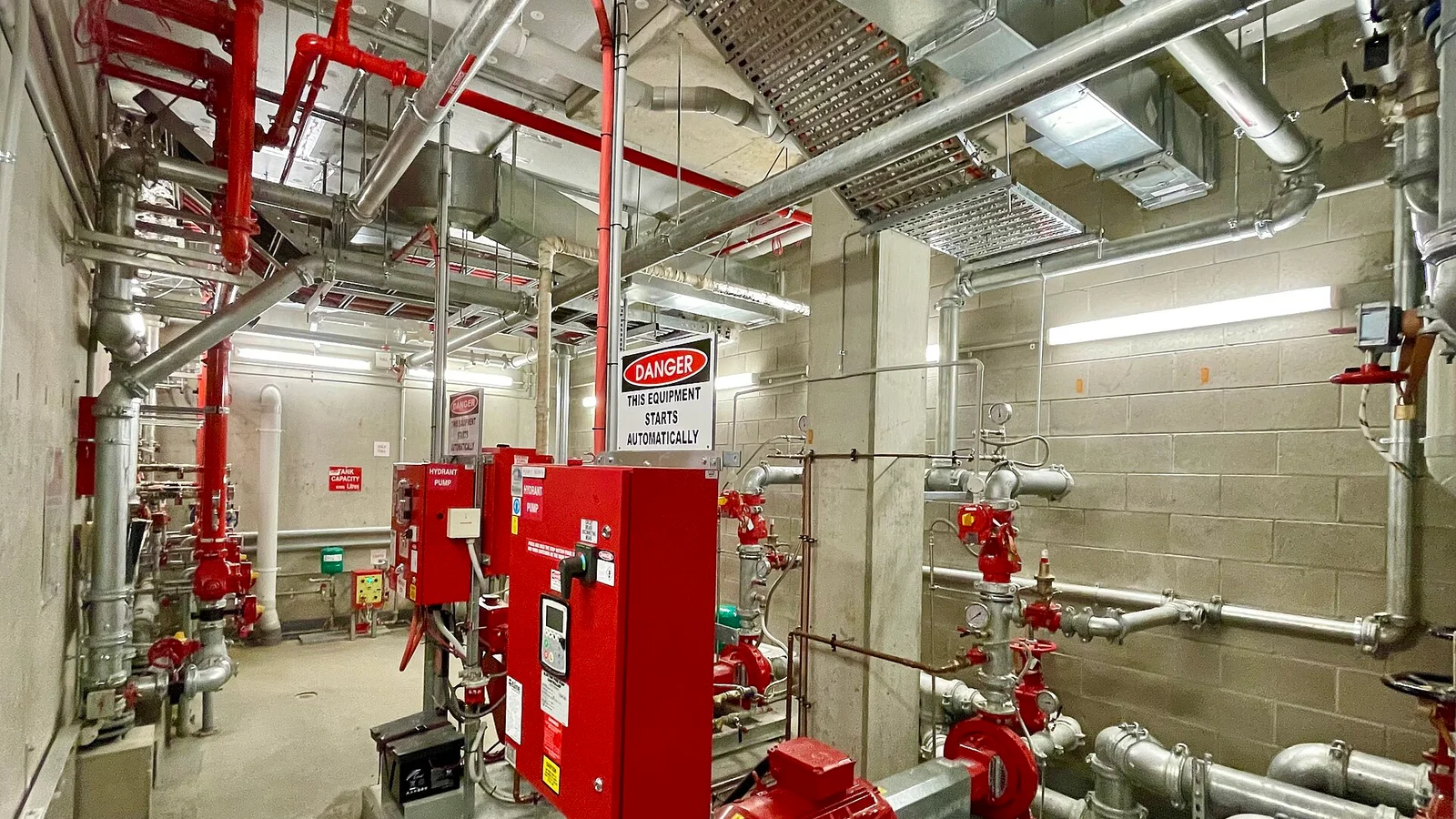
A cold storage warehouse in Dubai stores chilled and frozen food, pharma and perishables, and the assumption that it is just warehousing is the first mistake to unlearn. A cold store that holds food is a regulated food establishment under the Dubai Food Code, and the Dubai Municipality Food Safety Department is the real gatekeeper, not the trade licence [1][2]. Add the Civil Defence and refrigerant approvals for the plant, and the "rent a warehouse and add fridges" version of this business does not exist.
The moat is a stack: Dubai Municipality food-establishment approval and cold-chain integrity, Civil Defence fire and refrigeration sign-off with fire-rated panels, and refrigerant environmental controls [1][2][4][8]. A pharma cold store is a separate regulatory track again, under the health regulator with Good Distribution Practice, not the food code. And on tax, the free-zone 0% that founders hope for generally does not apply to a pure warehousing model.
This guide covers the Dubai Municipality food approval and cold chain, the facility and Civil Defence rules, the business models, ownership, and why storage services are standard-rated. Since 2013, our team has set up logistics and regulated companies across the UAE, so the traps here come from real files. This is a guide, not legal or tax advice on your specific facility.
Why is a cold store a food establishment, not just a warehouse?
Because a cold store holding food is a regulated food establishment, and Dubai Municipality gates it. A trade licence does not let you operate. Every commercial food business in Dubai must register on FoodWatch, Dubai Municipality's mandatory food-safety platform, and cold storage of food is an explicitly listed food activity requiring a warehousing licence to store food chilled or frozen [1][2]. That is a different world from dry, general warehousing.
Two rules define it. First, all commercial food establishments must operate a documented HACCP food-safety system, and inspectors review HACCP logs, temperature records and supplier verification at every inspection, scheduled and unannounced [1][2]. Second, the cold-chain integrity requirement: frozen goods at minus eighteen degrees or colder and chilled goods at five degrees or colder, maintained and documented continuously through storage, with temperature monitoring and traceability as the critical control points [1]. Before FoodWatch registration you need the premises approved for food-grade construction and layout. So the food approval, not the licence, is the real barrier. Our food trading guide covers the wider food-establishment mechanics.
Common Mistake: Treating a food cold store as ordinary warehousing you can run on a trade licence. It is a regulated Dubai Municipality food establishment needing FoodWatch registration, a documented HACCP system, continuous cold-chain records, a food-grade facility approval and inspections. The food approval is the real gate, not the trade licence.
What is the cold-chain and facility requirement?
Documented temperatures, a food-grade facility, and trained handlers. The cold-chain rule is specific and inspected: frozen at minus eighteen degrees or colder, chilled at five degrees or colder, maintained and documented continuously, with temperature monitoring and batch or lot traceability and supplier verification as the control points inspectors focus on [1]. Continuous documentation is the point; a gap in the temperature log is a compliance failure.
On the facility, Dubai Municipality assesses the layout and food-grade construction, washable surfaces, pest control, segregation of raw and cooked and of food and non-food, and staff and waste facilities, with minimum food-area requirements per activity, before FoodWatch registration [2][5]. Staff handling food need person-in-charge and food-handler training, and the practical reality of continuous cold chain effectively mandates standby power with automatic changeover, so a power cut does not break the chain [1]. So the facility is purpose-built to a food standard, the temperatures are logged, and the staff are trained, which together are what make a cold store lawful, not just cold.
What are the Civil Defence and refrigerant rules?
Fire and life-safety sign-off, fire-rated insulated panels, and refrigerant controls. The facility must comply with the UAE Fire and Life Safety Code enforced by Dubai Civil Defence, with design approval and a completion certificate before operating, and the cold-store envelope insulated panels must be fire-certified to recognised ratings, with frozen rooms typically using thick insulation [4][5]. Specify Civil Defence-listed panels or the completion certificate is withheld.
The refrigeration plant adds two layers. Ammonia systems, common in large industrial cold chains, trigger stringent Civil Defence requirements for machine-room ventilation, gas detection and emergency shutdown, so treat ammonia as a high-scrutiny hazardous-plant item [4]. And refrigerants themselves are environmentally controlled: MoCCAE regulates HFCs, with permits to import or re-export and establishment registration and quarterly returns on HFC volumes as the UAE phases them down, so anyone importing refrigerant or charged equipment must comply [8]. Confirm the ammonia-specific requirements with Civil Defence and the HFC permitting with MoCCAE. The plant is regulated, not just an engineering choice.
What are the different cold-storage models?
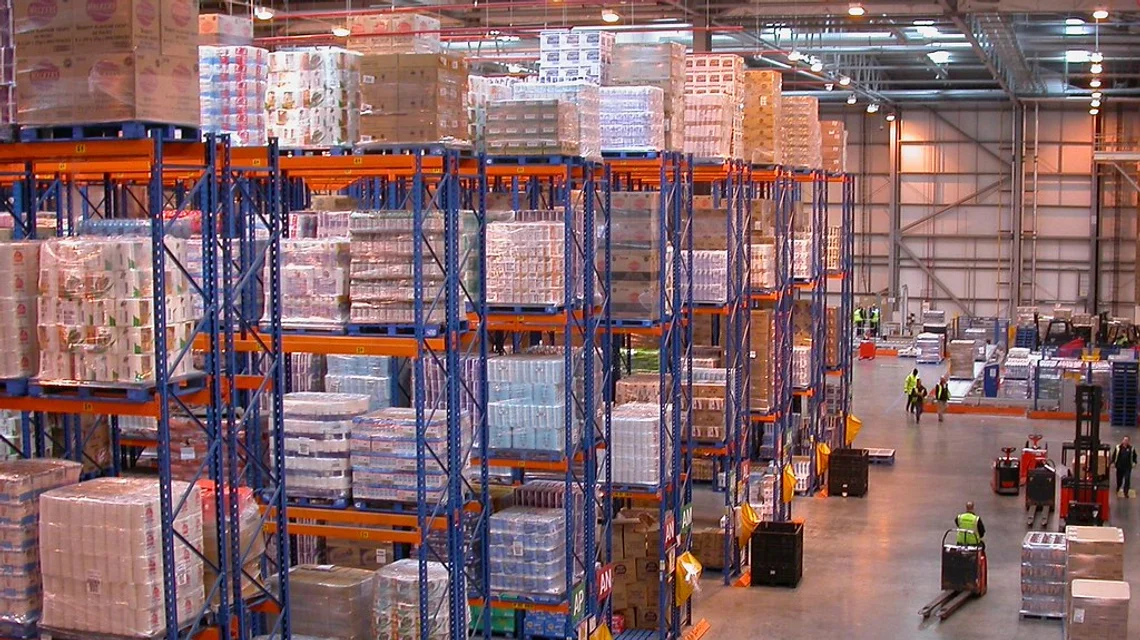
Third-party, own-use, or bonded re-export, and pharma is a separate track. The model shapes the licence and the tax. A public or third-party cold store stores other companies' goods for a fee, a storage service supplied to clients, needing the storage and often logistics activity, food approval covering third-party goods, and, for tax, a taxable storage-service fee, with multiplied traceability because you hold multiple owners' lots [1]. A captive or own-use cold store holds only your own traded inventory, still a food establishment needing approval but with no separate storage-service supply to invoice. A customs-bonded cold store in a free zone holds goods duty-suspended for re-export, ideal for the re-export hub model, but if it holds food it still needs Dubai Municipality food approval.
The pharma track is a distinct regulatory regime. A cold store holding pharmaceuticals does not fall under the food code; it needs a medical or pharma warehouse licence under the health regulator, historically MOHAP with pharma establishment services now largely with the Emirates Drug Establishment, plus local health-authority approval, to Good Storage and Distribution Practice with validated temperature zones, 24/7 data logging, a quarantine area, generator backup and quality standards [3]. A facility can be dual-purpose only if it satisfies both regimes separately. Confirm the pharma scope with the drug regulator, and see our logistics guide for the wider warehousing context.
Can a foreigner own it, and where should it be?
You can own it fully, and the zone depends on your market, but food approval follows the goods everywhere. On ownership, 100% foreign ownership is available for cold storage, warehousing and logistics, on the mainland since the local-sponsor requirement was removed for most such activities and inherently in free zones, though eligibility is activity-code specific, so confirm the exact code with DET [6]. Ownership is not the obstacle.
On location, a mainland licence is required if you distribute directly to UAE mainland customers, giving full onshore market access, and our mainland company setup page walks through the DET route a directly distributing cold store needs. A free zone or industrial zone such as Dubai Industrial City, JAFZA or the National Industries Park offers purpose-built power, racking and cold-store plots and customs-bonded re-export, and our free zone company setup page covers that route, though a free-zone company generally cannot sell directly into the mainland without a mainland distributor or branch [6]. For a heavy-industrial cold chain built around re-export, an industrial free zone with cold-store-ready plots is often the better fit, and our KEZAD industrial free zone guide covers that kind of purpose-built industrial zone. The cross-cutting rule is decisive: if it stores food, it needs Dubai Municipality food approval regardless of the zone, and free-zone status does not exempt a food facility, with the same logic for pharma and the health regulator [1]. Decide the target customer first. Our free zone versus mainland guide covers the structure.
How is a cold storage warehouse taxed?
Standard rates, and the free-zone 0% usually does not apply to warehousing. On corporate tax, the company pays 0% on taxable income up to AED 375,000 and 9% above, with Small Business Relief for revenue up to AED 3 million for tax periods ending on or before 31 December 2029, though a capital-heavy cold store exceeds that quickly [7]. Our corporate tax filing guide covers the mechanics.
VAT has a nuance founders get wrong. Warehousing and storage services are standard-rated at 5%, because storing goods is a service, not exempt real estate, so do not assume the property exemption applies [7]. And a designated zone does not help: the zone's special VAT rules cover goods, but supplies of services, including warehousing, remain standard-rated at 5% even inside a designated zone. On corporate tax, for a free-zone cold store, logistics and warehousing are generally not free-standing qualifying activities for the 0% rate, qualifying only if inseparable from a listed qualifying activity, so 0% is unlikely for a pure third-party warehousing model and non-qualifying income is taxed at 9% [7]. Treat the 0% as unlikely for a pure warehousing business and confirm with a tax adviser. Our VAT registration and compliance guide covers the mechanics.
What does it cost, and is it worth it?
The licence is minor; the refrigeration plant, panels and racking dominate. Here is a realistic 2026 picture in AED, all figures approximate and worth confirming with vendors and the zone.
| Item | Typical range (AED) |
|---|---|
| Trade licence and establishment (mainland or free zone) | 15,000 to 40,000+ first year |
| DM food-facility approval, HACCP setup | 20,000 to 80,000+ |
| Civil Defence design and systems approval | 10,000 to 50,000+ |
| Refrigeration plant and insulated cold rooms | ~AED 2,000 to 5,000+ per m², into the millions at scale |
| Cold-rated racking | 300,000 to 1,500,000+ at scale |
| Standby generator and electrical | 150,000 to 600,000+ |
The dominant costs are the refrigeration plant, the fire-rated panels, the racking and the backup power, making this far more capital-intensive than dry warehousing, with the licence a small fraction. The demand case is strong and structural.
Quick Math: The UAE imports the large majority of its food, making import cold chain structurally essential, and demand comes from hotels, restaurants and catering, from grocery and rapid-delivery e-grocery needing dense chilled micro-fulfilment, and from a high-value pharma cold chain for vaccines and biologics. On top of the domestic pull, Dubai's ports, airports and bonded free zones make it a regional perishables and pharma re-export gateway. That mix of resilient domestic and re-export demand is what justifies the capital intensity for a well-run facility. Get your cold storage setup scoped properly→
Is a cold storage business a good business in Dubai?
It can be a strong business, because the demand is structural rather than fashionable, but it rewards operators who can fund the plant and pass the food approvals, not those chasing a quick licence. The pull comes from several directions at once. The UAE imports the large majority of its food, so almost every chilled or frozen item that reaches a shelf or a kitchen passes through a cold chain first, which makes import and distribution cold storage a permanent need and not a cyclical one. Hotels, restaurants and catering, the HORECA trade, run on reliable chilled and frozen supply, and Dubai's hospitality base keeps growing. E-grocery and quick-commerce have added a newer layer of demand for dense chilled micro-fulfilment close to residential areas, because a rapid-delivery grocery promise cannot be kept without local cold capacity. On top of that sits a high-value pharma cold chain for vaccines, biologics and temperature-sensitive medicines, and Dubai's ports, airports and bonded free zones make the emirate a regional perishables and pharma re-export hub, so a well-placed facility earns from re-export flows and not only domestic consumption.
The honest counterweight is that this is a capital-heavy, compliance-heavy business, and the returns come from utilisation and from holding the right food and refrigerant approvals, not from a light asset base. A cold store that sits half-empty still burns power and still owes its compliance costs, so the operators who do well fill the racking with third-party contracts, captive inventory or re-export volume and keep the plant running efficiently. The table below sets the three facility types side by side, because the regulator and the standard, not the building, are what separate them.
| Facility type | Primary regulator | Governing standard | Capital intensity |
|---|---|---|---|
| Dry general warehouse | DET or the free-zone authority | Trade licence and Civil Defence fire code | Low to moderate |
| Food cold store | Dubai Municipality Food Safety | Dubai Food Code, FoodWatch, HACCP, documented cold chain | High |
| Pharma cold store | Health regulator (MOHAP / Emirates Drug Establishment) | Good Storage and Distribution Practice, validated zones | Very high |
The jump from a dry warehouse to a food cold store is not a bigger version of the same licence; it is a different regulatory regime with continuous temperature evidence and a food-grade facility behind it, and the jump to pharma is a further regime again. Because the model you pick decides the whole cost and approval path, it is worth reading our logistics guide alongside this one, and scoping the structure on our mainland company setup page before you commit capital. Based on our experience, the founders who make cold storage pay treat the food approval and the cold chain as the product they are selling, and build volume around a facility that will actually pass inspection, rather than expecting to compete on storage price alone.
What documents and steps does it take to build a cold store?
A licensed entity, a food-grade facility approval, a compliant refrigeration plant, and a staged sign-off from more than one regulator, in that order. The paperwork is heavier than a plain warehouse because Dubai Municipality approves the premises and the food-safety system, Civil Defence approves the fire and life-safety design, and the environment regulator controls the refrigerant, so you are assembling several approvals, not one. A realistic document checklist looks like this.
- Company documents: shareholder passports and photos, the reserved trade name, DET or free-zone initial approval, the Memorandum of Association, and an Ejari or free-zone lease for the plot and the cold-store building.
- Facility and food approval: food-grade layout and construction drawings for Dubai Municipality review, showing washable surfaces, raw and cooked segregation, pest control and staff and waste facilities, followed by FoodWatch registration once the premises are approved.
- Food-safety system: a documented HACCP plan setting out the cold-chain temperatures, the temperature-monitoring method, batch or lot traceability and supplier verification as the critical control points.
- Fire and life safety: Civil Defence design approval and completion certificate, with fire-certified insulated cold-store panels specified to a recognised rating, plus the ammonia machine-room controls where an ammonia plant is used.
- Refrigeration and refrigerant: the refrigeration plant specification, plus MoCCAE establishment registration and HFC import or re-export permits where you bring in refrigerant or charged equipment.
- People: person-in-charge and food-handler training and health cards for the staff who handle food.
The timeline is where founders underestimate the project, because the licence is quick and the facility approvals are not.
| Step | Typical timeline |
|---|---|
| DET or free-zone licence and initial approval | 1 to 3 weeks |
| DM food-facility layout approval | Several weeks, drawing-dependent |
| Cold-store build, fire-rated panels and refrigeration plant | Months, the dominant path |
| Civil Defence design approval and completion certificate | Alongside and after the build |
| FoodWatch registration and HACCP sign-off | After facility approval, before operating |
| MoCCAE HFC permits for refrigerant | Alongside plant commissioning |
| Food-handler training and pre-opening inspection | Before go-live |
Plan the facility approval and the plant first, because a licence with no approved food-grade building and no compliant cold rooms cannot store a single pallet of food lawfully. The sequence matters: Dubai Municipality wants to approve the layout before you build to it, and Civil Defence wants to approve the design before the panels go up, so getting the drawings right early saves the most expensive rework. Get your cold storage setup and timeline mapped→
What are the ongoing costs and compliance for a cold store?
Renewals, food-safety compliance, refrigerant reporting, energy, and the standard tax filings, all of which run for the life of the facility. A cold store is not a business you approve once; it is inspected, audited and reported on continuously, and the running compliance is as real as the rent. The food-establishment side carries the heaviest recurring load. The food permit and FoodWatch registration renew on their cycle, the HACCP system has to be kept live with continuous temperature logs that inspectors review at scheduled and unannounced visits, and Dubai Municipality can require periodic laboratory testing of stored product through the Dubai Central Laboratory, so the temperature evidence and the testing are a permanent obligation, not a launch formality.
The refrigerant side has its own reporting rhythm. Under the MoCCAE HFC regime, an establishment that imports or handles controlled refrigerant files quarterly returns on its HFC volumes and keeps its permits current as the UAE phases the gases down, so the environmental compliance is a recurring calendar item alongside the food filings [8]. Then there is the plant itself: a cold store is an energy-intensive operation, and the electricity bill for continuous refrigeration, plus the maintenance of compressors, panels, door seals and the standby generator, is a structural running cost that dry warehousing simply does not carry. Let a seal or a compressor slide and both the energy cost and the compliance risk rise together.
On tax, the company registers for corporate tax and files annually, paying 0% on taxable income up to AED 375,000 and 9% above, and it registers for VAT once taxable supplies pass the threshold. The VAT point to hold onto is that a storage or warehousing service is standard-rated at 5%, not exempt and not zero-rated by a designated zone, so a third-party cold store charges 5% on its storage fees and accounts for it every period. These renewals, filings, food-safety audits and refrigerant returns are exactly the kind of ongoing work our post-setup services handle, so the facility stays licensed, inspected and compliant while you concentrate on utilisation. Budget the compliance and energy load from year one, because underpricing storage against these fixed running costs is the fastest way to make a technically sound facility lose money.
Can you open a corporate bank account for a cold storage company?
Yes, but expect the standard UAE onboarding, not an instant or fully remote account. A cold storage company opens a corporate account with a local bank once the licence and, ideally, the food and facility approvals are in place, and the bank runs full know-your-customer checks on the shareholders, the activity and the expected turnover, usually requiring an in-person meeting and the licence and tenancy in hand. There is no fully-remote account opening for a physical, regulated facility like this.
Practically, a clear business plan helps the account move faster, and for a capital-heavy cold store it matters more than usual, because the bank will want to understand where the money for the refrigeration plant, the panels and the racking is coming from and how the storage revenue or trading flow repays it. A trading or third-party logistics cold store with named customers, import and re-export flows and a funded build reads as a lower-risk file than a bare licence with no operating history. A maintained minimum balance is normal, and because a cold store handling import and re-export volumes moves real money, getting the banking, trade-finance and payment setup right early avoids friction once goods start flowing.
Real Client Stories
The warehouse that needed a food licence. A client set up a cold store on a plain warehousing licence and began storing frozen food, then learned it is a Dubai Municipality food establishment needing FoodWatch registration, HACCP and a food-grade facility approval. We took him through the food licensing. Storing food is regulated regardless of the warehouse.
The panels that failed the completion certificate. A facility used insulated panels that were not fire-certified to the required rating, and the Civil Defence completion certificate was withheld. We specified listed panels and passed. The cold-store envelope is a fire-safety item, not just insulation.
The free-zone 0% that did not apply. A client set up a third-party cold store in a free zone expecting 0% corporate tax and a tax-free storage fee. Warehousing services are standard-rated at 5% even in a designated zone, and logistics is generally not a qualifying activity for the 0% corporate tax rate. We set the position correctly. A pure warehousing model does not get the free-zone tax break.
Set up your Dubai cold storage warehouse the right way
Cold storage rewards operators who treat the food approval, the cold chain and the refrigeration compliance as the real business, and it traps those who plan it as dry warehousing. Since 2013, BusinessDubai.ae has completed 700+ company registrations across the UAE, including logistics and regulated companies. We will help you choose the right zone and structure, secure the Dubai Municipality food approval and FoodWatch registration, plan the HACCP cold chain, the Civil Defence and fire-rated-panel approvals and the refrigerant permits, and set up the corporate tax and the standard-rated storage VAT position correctly, all with clear itemised pricing. Talk to a setup expert→ for a plan built around your facility. Our logistics guide covers the wider warehousing market, and post-setup services covers ongoing approvals and renewals.
Frequently Asked Questions
How do I start a cold storage warehouse in Dubai?
Register a DET or free-zone licence with a cold storage or warehousing activity, get the premises approved as a food-grade facility and register on Dubai Municipality's FoodWatch platform, implement a documented HACCP cold-chain system, and obtain Civil Defence and refrigerant approvals. If it stores food, the DM food approval is the real gate, not the trade licence [1][2].
Is cold storage just warehousing in Dubai?
No, not for food. A cold store holding food is a regulated Dubai Municipality food establishment needing FoodWatch registration, a documented HACCP system, continuous cold-chain records, a food-grade facility approval and inspections. The food approval is the real barrier, well beyond a plain warehousing licence [1][2].
What temperatures does a cold store have to maintain in Dubai?
Under the Dubai Food Code, frozen goods at minus eighteen degrees or colder and chilled goods at five degrees or colder, maintained and documented continuously through storage, with temperature monitoring and traceability as the critical control points that inspectors focus on. A gap in the log is a compliance failure [1].
Do I need a food licence for a cold store in Dubai?
If it stores food, yes. A food cold store is a Dubai Municipality food establishment requiring FoodWatch registration, a food-grade facility approval, HACCP and inspections, regardless of whether it sits on the mainland or in a free zone. Free-zone status does not exempt a food facility [1][2].
What is FoodWatch?
Dubai Municipality's mandatory digital food-safety management platform on which every commercial food business must register, free of charge. Cold storage of food is a listed food activity on it, and registration follows the facility approval, with HACCP and temperature records reviewed at inspections [1].
Do I need Civil Defence approval for a cold store in Dubai?
Yes. The facility must comply with the UAE Fire and Life Safety Code enforced by Dubai Civil Defence, with design approval and a completion certificate before operating, and the insulated cold-store panels must be fire-certified. Ammonia refrigeration triggers additional stringent Civil Defence requirements [4].
How are refrigerants regulated for a cold store in Dubai?
MoCCAE regulates HFCs, with permits to import or re-export, establishment registration and quarterly returns on HFC volumes as the UAE phases them down, so anyone importing refrigerant or charged equipment must comply. Ammonia systems additionally face stringent Civil Defence safety requirements [8].
What is the difference between a 3PL and a captive cold store?
A third-party or 3PL cold store stores other companies' goods for a fee, a taxable storage service, needing food approval for third-party goods and multiplied traceability. A captive cold store holds only your own inventory, still a food establishment but with no separate storage-service supply to invoice [1].
Can a foreigner own a cold storage warehouse in Dubai?
Yes. Cold storage, warehousing and logistics allow 100% foreign ownership on the mainland and inherently in free zones, though eligibility is activity-code specific, so confirm the exact code with DET. But a food cold store still needs Dubai Municipality food approval regardless of ownership or zone [6].
Is cold storage taxed for VAT in Dubai?
Yes. Warehousing and storage services are standard-rated at 5%, because storing goods is a service, not exempt real estate. A designated zone does not zero-rate the storage fee, since the zone's special rules cover goods, not services. The property exemption does not apply [7].
Does a free-zone cold store get the 0% corporate tax rate?
Usually not for a pure warehousing model. Logistics and warehousing are generally not free-standing qualifying activities for the 0% rate, qualifying only if inseparable from a listed qualifying activity, so non-qualifying income is taxed at 9%. Treat the 0% as unlikely and confirm with a tax adviser [7].
How much does it cost to build a cold store in Dubai?
It is far more capital-intensive than dry warehousing. The refrigeration plant and insulated cold rooms run into the millions at scale, with cold-rated racking, standby power and the fire-rated panels adding to it, while the licence and food approval are a small fraction. Figures are approximate and vendor-dependent.
Can I store pharmaceuticals in a cold store in Dubai?
Pharma is a separate regulatory track. A cold store holding pharmaceuticals needs a medical or pharma warehouse licence under the health regulator, to Good Storage and Distribution Practice with validated zones, data logging and backup power, not the food code. A dual-purpose facility must satisfy both regimes separately [3].
Do cold-store panels need to be fire-rated in Dubai?
Yes. The insulated cold-store envelope panels must be fire-certified to recognised ratings and Civil Defence-listed, or the completion certificate is withheld. The panels are a fire-safety item, not just insulation, which is why the specification matters to getting the facility approved [4][5].
Do I need backup power for a cold store in Dubai?
In practice, yes. Continuous cold-chain integrity effectively mandates a standby generator with automatic changeover so a power cut does not break the chain, which is also an explicit requirement on the pharma track. It is a practical inspection and insurability expectation for a food cold store [1].
Should a cold store be in a free zone or on the mainland?
Mainland if you distribute directly to UAE mainland customers, for full onshore access. A free zone or industrial zone offers purpose-built plots and customs-bonded re-export but generally cannot sell directly into the mainland without a distributor or branch. Either way, food storage needs Dubai Municipality approval [6].
What is the demand for cold storage in Dubai?
Strong and structural. The UAE imports most of its food, making import cold chain essential, and demand comes from hotels and catering, grocery and e-grocery micro-fulfilment, and high-value pharma cold chain, on top of Dubai's role as a regional perishables and pharma re-export gateway.
Do staff need food-safety training in a cold store?
Yes. Staff handling food need person-in-charge and food-handler training and health cards, part of the Dubai Municipality food-establishment requirements alongside the HACCP system and the facility approval. Confirm the current certification requirements with Dubai Municipality [1].
How long does it take to set up a cold storage warehouse in Dubai?
The licence can be issued in weeks, but the food-grade facility approval, the HACCP setup, the Civil Defence approval and the refrigeration and panel build take considerably longer and are the real timeline. Plan the facility approval and the plant alongside the licence.
What is customs-bonded cold storage?
A cold store in a free zone that holds goods under customs bond, duty-suspended, for re-export, with duty deferred until goods enter the UAE mainland. It suits the re-export hub model, but if it holds food it still needs Dubai Municipality food approval for the physical facility [6].
What happens if the cold chain is broken in a cold store?
It is a food-safety compliance failure, because the Dubai Food Code requires continuous documented temperatures, and inspectors review the temperature logs. A break or a gap in the records can mean rejected goods, penalties and a risk to the food establishment's standing, which is why backup power and monitoring are essential [1].
What documents do I need to open a cold storage warehouse in Dubai?
Shareholder passports and photos, the reserved trade name and DET or free-zone initial approval, the Memorandum of Association, and an Ejari or free-zone lease for the plot and building, plus food-grade layout drawings for Dubai Municipality, the HACCP plan, Civil Defence design and completion approvals, MoCCAE HFC permits where you import refrigerant, and food-handler training for staff. The facility approval and the plant are the gating items, not the licence.
What are the ongoing costs of running a cold store in Dubai?
Annual licence and lease renewals, the food permit and FoodWatch renewal, HACCP upkeep with continuous temperature logs and periodic Dubai Central Laboratory testing, MoCCAE quarterly HFC returns, the electricity bill for continuous refrigeration and the maintenance of compressors, panels and the standby generator, plus corporate tax filing and VAT on the storage fees. The energy and compliance load runs for the life of the facility.
Can I open a corporate bank account for a cold storage company in Dubai?
Yes, with a local bank once the licence and ideally the food and facility approvals are in place. Expect full know-your-customer checks on the shareholders and activity, an in-person meeting, the licence and tenancy in hand, and a maintained minimum balance. A funded build and named import or re-export customers help the file, and there is no fully-remote account opening for a physical, regulated facility.
Can I run a cold store in Dubai without a food licence?
Only if it stores strictly non-food goods. The moment a cold store holds chilled or frozen food it becomes a Dubai Municipality food establishment needing FoodWatch registration, a food-grade facility approval, HACCP and inspections. A pharma cold store is a separate health-regulator track. So a licence-only, non-food cold store is possible, but a food cold store is not [1][2].
Do I have to log cold-store temperatures continuously in Dubai?
Yes. The Dubai Food Code requires frozen goods at minus eighteen degrees or colder and chilled goods at five degrees or colder, maintained and documented continuously, with temperature monitoring and traceability as the critical control points. Inspectors review the logs at scheduled and unannounced visits, and a gap in the record is treated as a compliance failure, which is why monitoring and backup power matter [1].
Do I need a MoCCAE permit to import refrigerant for a cold store in Dubai?
Yes, if you import refrigerant or charged equipment. MoCCAE regulates HFCs with import and re-export permits, establishment registration and quarterly returns on HFC volumes as the UAE phases the gases down. Ammonia plants additionally face stringent Civil Defence machine-room, gas-detection and emergency-shutdown requirements, so the refrigerant is a regulated item, not just an engineering choice [8].
Is an industrial free zone better than the mainland for a cold store in Dubai?
It depends on your market. An industrial free zone such as Dubai Industrial City, JAFZA, the National Industries Park or KEZAD offers purpose-built power, cold-store-ready plots and customs-bonded re-export, which suits an import and re-export model, but it generally cannot sell directly into the mainland without a distributor or branch. The mainland gives full onshore market access. Either way, storing food needs Dubai Municipality approval [6].
Can a free-zone cold store be a Qualifying Free Zone Person for warehousing?
Usually not for a pure third-party warehousing model. Logistics and warehousing are generally not free-standing qualifying activities for the 0% corporate tax rate, qualifying only if inseparable from a listed qualifying activity, so non-qualifying storage income is taxed at 9%. Warehousing services are also standard-rated at 5% for VAT even in a designated zone. Treat the 0% as unlikely and confirm with a tax adviser [7].
References
[1] Dubai Municipality, FoodWatch food-safety management system: mandatory registration, HACCP and the cold-chain and traceability requirements. Dubai Municipality FoodWatch
[2] Dubai Municipality, food-establishment requirements based on activity: the cold storage activity, food-grade facility and minimum food-area requirements. DM food establishment requirements
[3] MOHAP, pharmaceutical establishment services and transfer to the Emirates Drug Establishment: the pharma warehouse and Good Storage and Distribution Practice track. MOHAP pharma services
[4] Dubai Civil Defence, UAE Fire and Life Safety Code of Practice: the fire and life-safety approval and refrigeration-plant safety. Dubai Civil Defence code
[5] Dubai Municipality, food and food-related permits and approvals: the layout assessment and smart permits for a food facility. DM food permits
[6] UAE Ministry of Finance, Ministerial Decision No. 229 of 2025 on qualifying and excluded activities: the free-zone 0% corporate tax and the logistics and distribution nuance. Ministerial Decision 229 of 2025
[7] UAE Ministry of Finance, Small Business Relief for corporate tax: the AED 3 million threshold through 31 December 2029, and the corporate-tax framework. Ministry of Finance Small Business Relief
[8] Federal Tax Authority, corporate tax and VAT guides, including the Free Zone Persons corporate tax guide and the VAT treatment of storage services. Federal Tax Authority